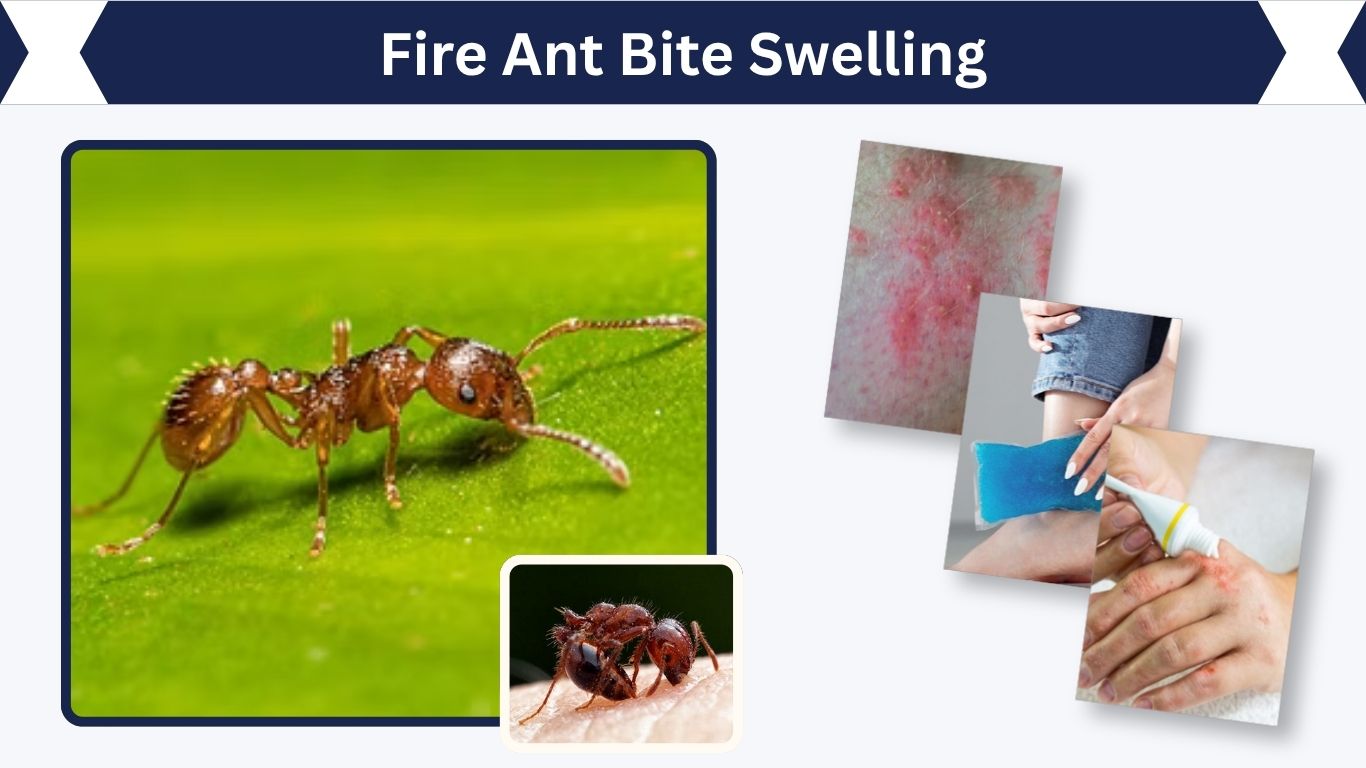
Fire Ant bites can cause painful swelling, itching, and burning within minutes after a sting. Many people experience mild redness and puffiness, while others may develop larger swollen areas or allergic reactions. The swelling often becomes worse during the first 24 hours before slowly improving over several days.
Fire ants attack aggressively and inject venom through multiple stings. In this guide, you will learn why fire ant bites swell, how long swelling lasts, the best treatments for relief, and when medical attention may be necessary for severe reactions.
Why Do Fire Ant Bites Swell?
Fire ant stings cause swelling because the venom triggers the body’s immune response. The skin reacts by increasing blood flow and releasing chemicals that cause redness, heat, itching, and puffiness around the bite area. Some people react more strongly depending on their sensitivity to insect venom.
What Happens During a Fire Ant Sting
When disturbed, fire ants grab the skin with their jaws and sting repeatedly. Each sting injects venom that causes immediate burning pain and irritation.
Fire Ant Venom and Skin Reaction
The venom contains toxic compounds that irritate the skin and trigger inflammation. This reaction leads to swelling and the formation of small pus-filled blisters in many cases.
Why Some People Swell More Than Others
People with sensitive immune systems may experience larger swollen areas. Previous exposure to fire ant venom can also increase the body’s reaction.
Normal vs Severe Swelling
Mild swelling usually stays close to the sting area, while severe swelling may spread across the hand, foot, or entire limb. Serious swelling may require medical attention.
Common Symptoms of Fire Ant Bite Swelling
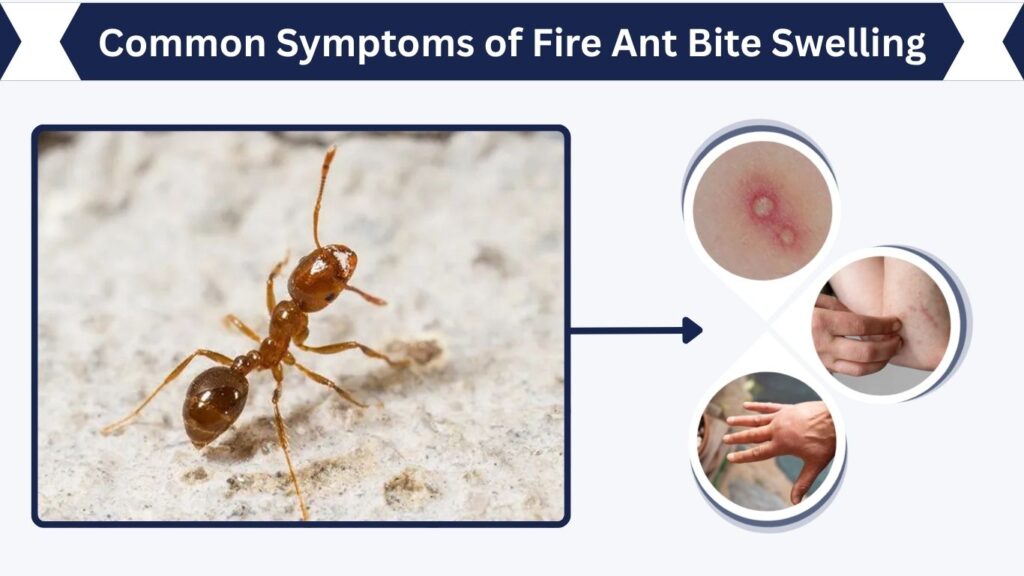
Most fire ant stings cause similar symptoms that appear quickly after the bite. Swelling often develops together with itching, burning, and redness. Symptoms may remain mild or become more severe depending on the number of stings and the body’s reaction.
Mild Swelling Symptoms
- Small raised bumps
- Redness around the sting
- Mild itching
- Warm skin
- Slight puffiness
Severe Swelling Symptoms
- Large swollen areas
- Intense burning pain
- Tight skin sensation
- Difficulty moving joints
- Spreading redness
Swelling on Feet, Hands, and Ankles
Swelling is often worse on the feet, ankles, and hands because these areas contain softer tissues. Tight shoes or movement can make swelling more uncomfortable.
Fire Ant Bite Swelling the Next Day
Many people notice increased swelling the day after the sting. This delayed reaction is common and usually improves within a few days.
How Long Does Fire Ant Bite Swelling Last?
The duration of swelling depends on how sensitive the body is to fire ant venom. Mild reactions often improve within a few days, while stronger reactions may last more than a week.
Swelling During the First 24 Hours
The bite area usually becomes red, swollen, and painful shortly after the sting. Swelling often reaches its peak during the first day.
Swelling After Several Days
In many cases, swelling slowly decreases after two or three days. Small blisters or scabs may remain while the skin heals.
When Swelling Should Improve
Most mild reactions improve within one week. Persistent or worsening swelling could signal infection or an allergic reaction.
Signs the Bite Is Healing Normally
The skin may become less red and itchy over time. Small scabs usually form as the irritated skin recovers naturally.
How to Reduce Swelling From Fire Ant Bites
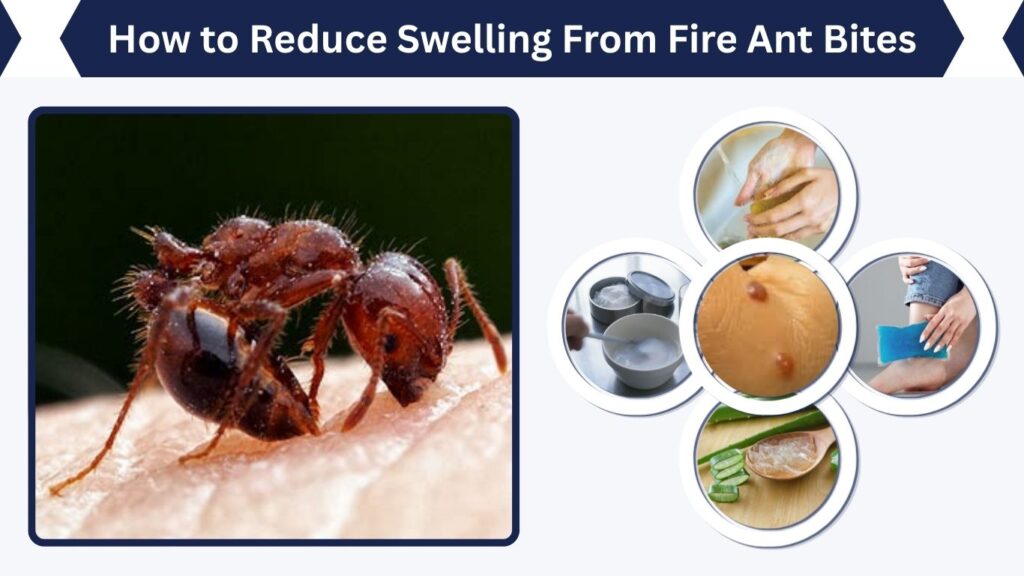
Quick first aid can help reduce swelling and discomfort after fire ant stings. Simple home treatments often work well for mild reactions and help prevent irritation from becoming worse.
Wash the Area Immediately
Cleaning the sting area with soap and water removes dirt and reduces the risk of infection. Gentle washing also helps soothe irritated skin.
Use Cold Compresses
Applying an ice pack or cold cloth helps reduce inflammation and numbs pain. Ice should be wrapped in a towel before touching the skin.
Elevate the Affected Area
Keeping the swollen hand, foot, or ankle raised can reduce fluid buildup and improve circulation during healing.
Best Ways to Reduce Swelling
- Ice packs
- Antihistamine tablets
- Hydrocortisone cream
- Aloe vera gel
- Baking soda paste
Fire Ant Bite Swelling Treatment
Different treatments may help depending on how severe the swelling becomes. Mild reactions can often be treated at home, while severe allergic reactions may require prescription medication or emergency care.
Over-the-Counter Medicines
Antihistamines and anti-itch creams help reduce itching and swelling. Pain relievers may also reduce discomfort from multiple stings.
Benadryl for Fire Ant Bite Swelling
Benadryl is commonly used to control allergic skin reactions and reduce swelling caused by insect bites and stings.
Steroids for Severe Swelling
Doctors sometimes prescribe steroid medications for severe inflammation or widespread swelling that does not improve with basic treatment.
Prescription Treatments for Allergic Reactions
People with serious allergies may require stronger medications or emergency epinephrine treatment after multiple fire ant stings.
Allergic Reactions to Fire Ant Bites
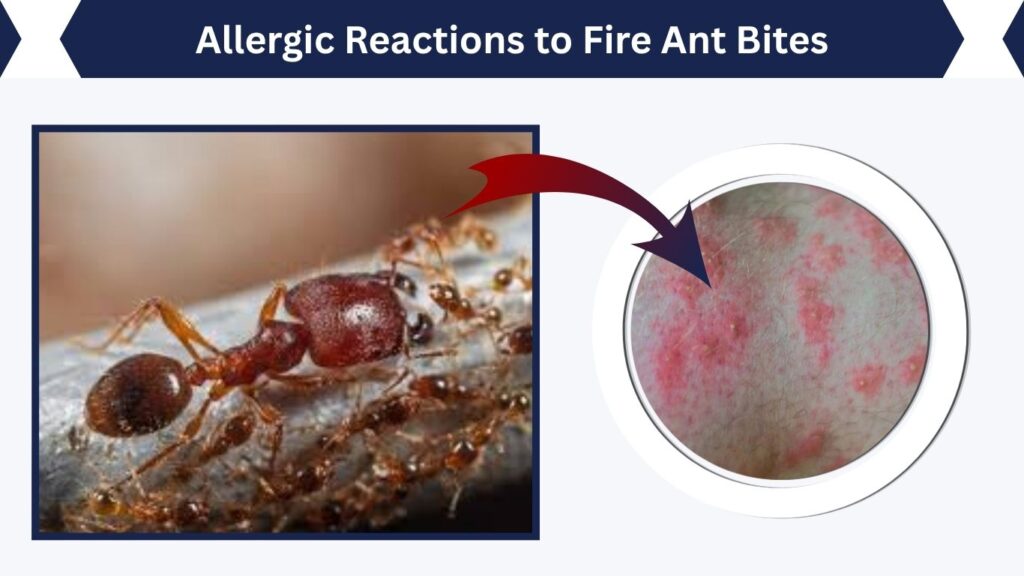
Some people develop allergic reactions that go beyond normal swelling. These reactions can become dangerous if the immune system responds aggressively to fire ant venom.
Allergic Fire Ant Bite Swelling
Allergic swelling may spread far beyond the original sting site. Large swollen areas may appear hot, painful, and tight.
Signs of a Serious Reaction
- Trouble breathing
- Facial swelling
- Rapid heartbeat
- Dizziness
- Widespread hives
When to Seek Emergency Help
Emergency medical care is necessary if breathing problems, chest tightness, or severe dizziness occur after a fire ant sting. These symptoms may signal a dangerous allergic reaction called anaphylaxis.
Anaphylaxis and Fire Ant Stings
Anaphylaxis is a severe immune response that can become life-threatening within minutes. People with known insect sting allergies should carry emergency medication if recommended by a doctor.
Fire Ant Bite Swelling on Different Body Parts
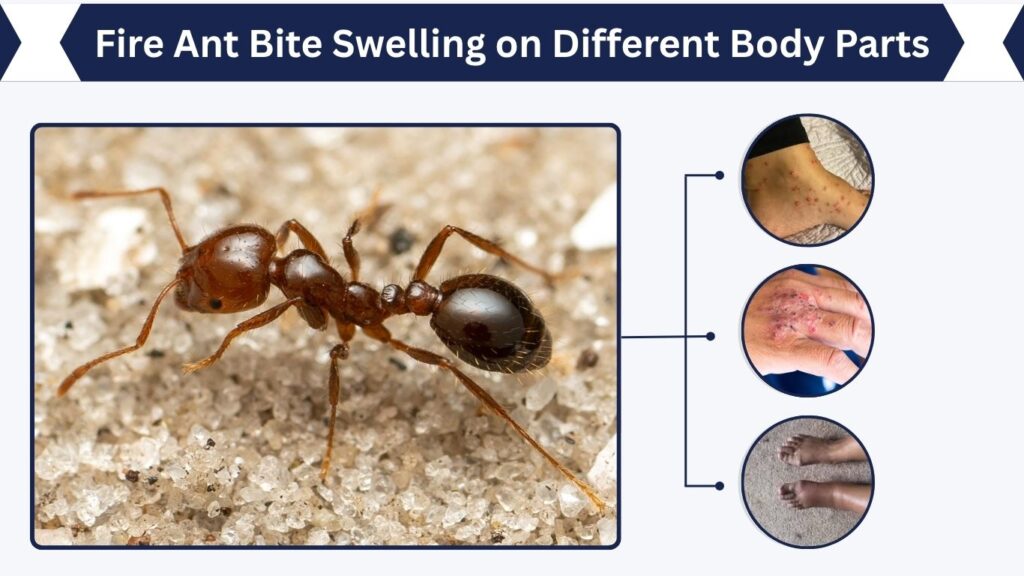
Swelling may appear more severe on certain body parts because of tissue sensitivity and movement. Areas such as the feet, hands, and ankles often swell more because fluid easily collects there after inflammation begins.
Fire Ant Bite Swelling on the Foot
Foot swelling is common after stepping near a fire ant mound. Walking and pressure from shoes may worsen pain and puffiness during healing.
Fire Ant Bite Swelling on the Hand
Hand swelling can feel tight and uncomfortable because fingers contain many small tissues and joints. Rings and tight jewelry should be removed quickly if swelling develops.
Fire Ant Bite Ankle Swelling
Ankle swelling may spread around the joint and make movement uncomfortable. Elevating the leg often helps reduce pressure and fluid buildup.
Toe and Finger Swelling After Bites
Small areas like fingers and toes may swell noticeably even after only a few stings. Cold compresses and rest usually help reduce discomfort.
Fire Ant Bite Swelling in Children and Pets
Children and pets may react more strongly to fire ant stings because of their smaller body size and sensitive skin. Careful monitoring is important after multiple stings.
Kid Fire Ant Bite Swelling
Children may scratch bites more often, increasing irritation and infection risk. Parents should keep the area clean and discourage scratching.
Fire Ant Bites on Babies
Babies may become unusually fussy or uncomfortable after stings. Swelling near the face or mouth should always be checked by a doctor immediately.
Fire Ant Bite Swelling in Dogs
Dogs often get stung on their paws or face while exploring outdoors. Mild swelling is common, but severe swelling or breathing trouble requires urgent veterinary care.
When to Contact a Veterinarian
Pet owners should contact a veterinarian if swelling becomes widespread, painful, or affects eating, walking, or breathing.
What Not to Do After Fire Ant Bites
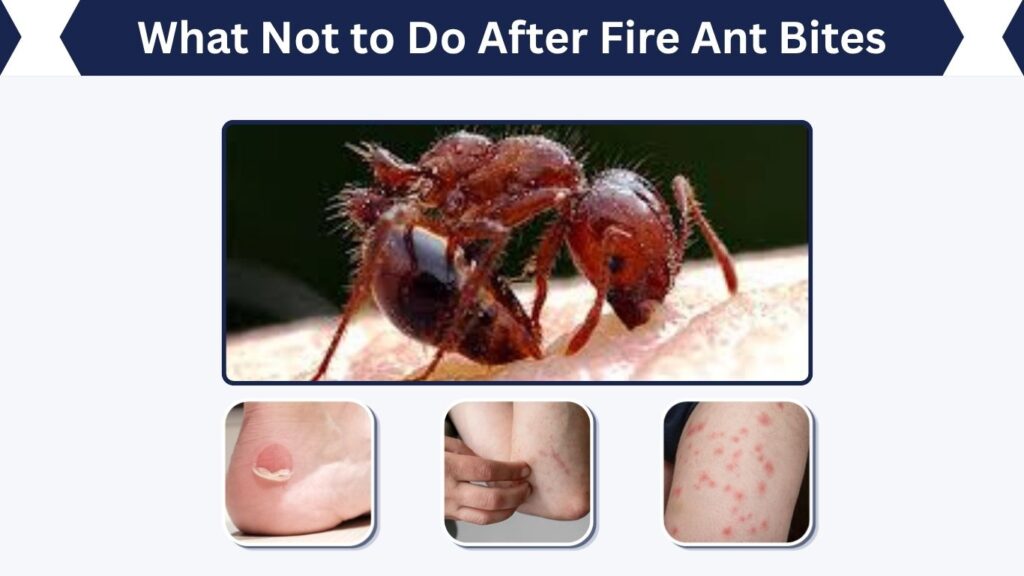
Some common mistakes can worsen swelling or increase infection risk. Proper care is important for helping the skin heal safely and comfortably.
Avoid Popping Blisters
The white blisters caused by fire ant stings protect the healing skin underneath. Popping them may increase the chance of infection.
Do Not Scratch the Area
Scratching can break the skin and spread bacteria into the bite area. This may cause infection and prolong healing time.
Unsafe Home Remedies to Avoid
Certain harsh substances may irritate already inflamed skin. Strong chemicals or unapproved remedies should not be applied to fire ant bites.
Things to Avoid
- Scratching bites
- Hot water on swollen skin
- Tight shoes or clothing
- Picking at blisters
- Harsh chemical remedies
How to Prevent Fire Ant Bite Swelling
Preventing fire ant stings is the best way to avoid painful swelling and allergic reactions. Outdoor awareness and quick treatment after a sting can greatly reduce discomfort.
Avoiding Fire Ant Mounds
Watch carefully for fire ant nests in yards, parks, and grassy areas. Mounds should not be disturbed because fire ants attack quickly in large numbers.
Protective Clothing Outdoors
Wearing closed shoes, socks, and gloves can reduce skin exposure during gardening, hiking, or yard work.
Quick First Aid After a Sting
Immediate cleaning and cold treatment may reduce inflammation before swelling becomes severe. Fast action often helps control discomfort.
Reducing Future Allergic Reactions
People with severe reactions should speak with a doctor about allergy testing or treatment options for insect venom sensitivity.
When to See a Doctor
Most fire ant bites improve with home treatment, but some reactions require medical care. Severe swelling, infection, or breathing problems should never be ignored.
Severe Swelling That Spreads
Rapid swelling spreading across large areas of the body may indicate an allergic response requiring professional treatment.
Infection Signs
Increasing redness, warmth, pus, or fever may suggest the bite area has become infected.
Trouble Walking or Using Hands
Severe swelling around joints may make walking or movement difficult and should be evaluated by a healthcare professional.
Fever or Breathing Problems
Breathing difficulty, chest tightness, or fever after fire ant stings requires urgent medical attention.
FAQs
Why do fire ant bites swell up so much?
Fire Ant bites swell because the venom triggers the body’s immune response. The skin releases chemicals that increase blood flow and inflammation, causing redness, itching, heat, and puffiness around the sting area.
Can fire ant bite swelling get worse the next day?
Yes, swelling often becomes more noticeable within 24 hours after the sting. This delayed reaction is common and usually improves gradually over the following days with proper care and treatment.
What should I put on fire ant bite swelling?
Cold compresses, hydrocortisone cream, aloe vera gel, and antihistamine creams may help reduce swelling and itching. Keeping the bite clean and avoiding scratching also supports faster healing.
Are fire ant bites dangerous?
Most fire ant bites are mild, but some people develop severe allergic reactions. Trouble breathing, facial swelling, dizziness, or widespread hives require emergency medical attention immediately.
Can scratching fire ant bites make swelling worse?
Yes, scratching irritates the skin and may increase swelling, redness, and infection risk. It can also break open blisters and slow the healing process.