
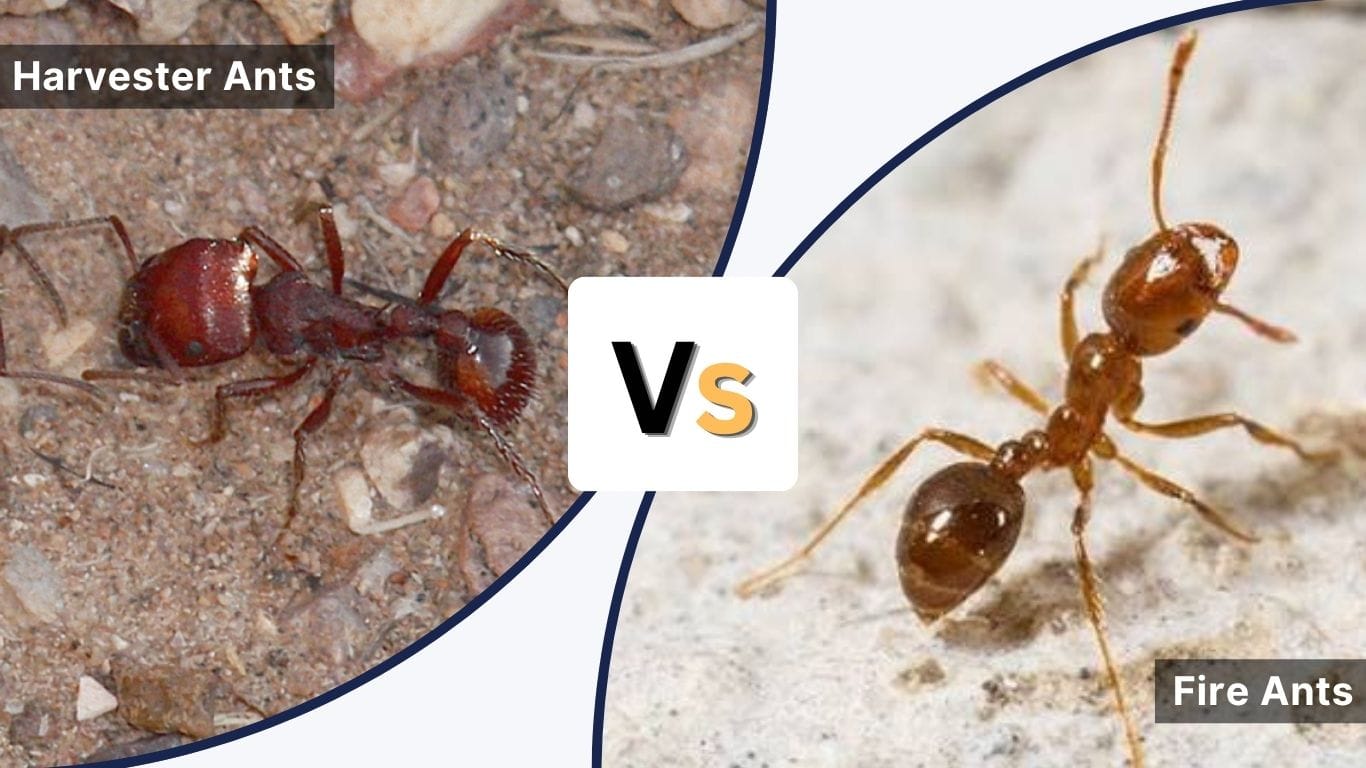
Harvester Ants vs Fire Ants: Key Differences and Sting Guide
Harvester ants and fire ants are often confused because both can be reddish, live in soil, build mounds, and deliver painful stings. However, they are … Read More
Harvester ants and fire ants are often confused because both can be reddish, live in soil, build mounds, and deliver painful stings. However, they are … Read More
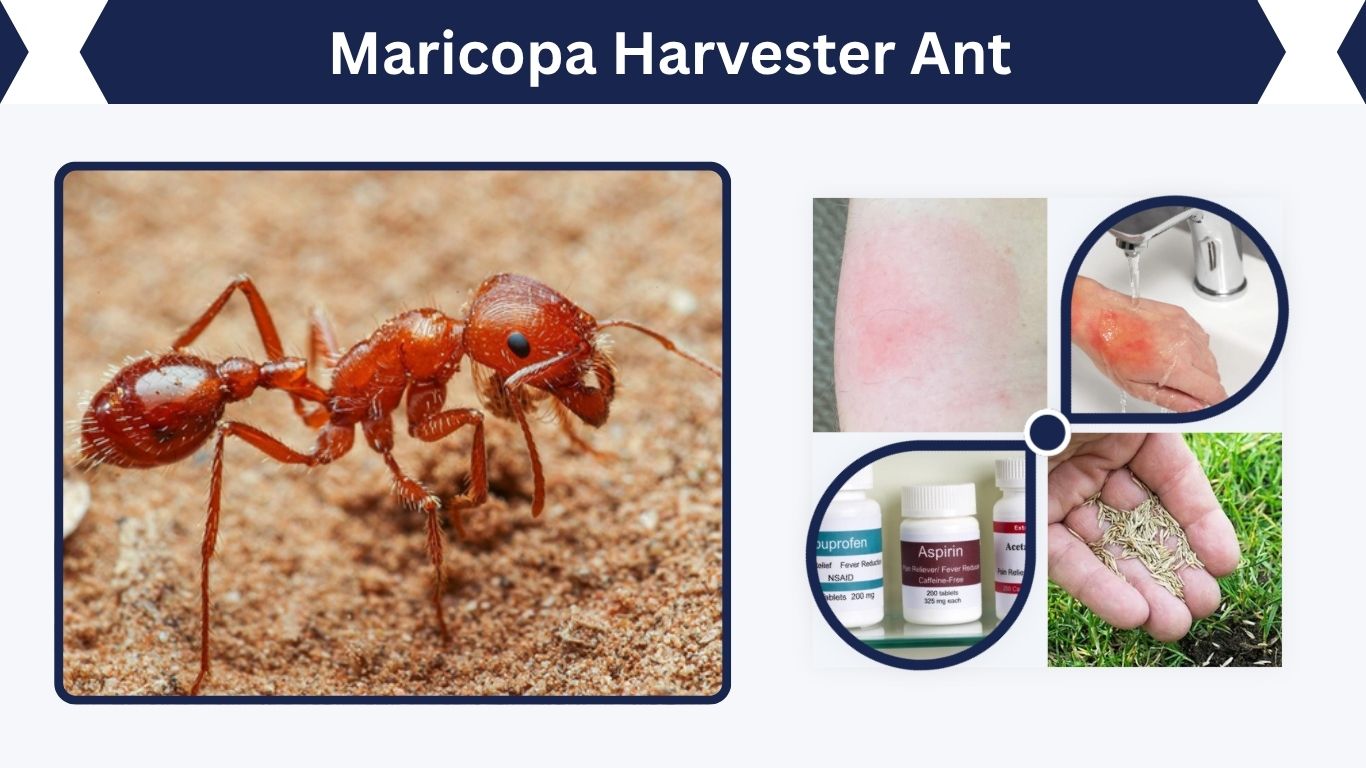
The Maricopa harvester ant is a reddish desert ant famous for one major reason: its extremely toxic venom. Scientifically known as Pogonomyrmex maricopa, this ant … Read More
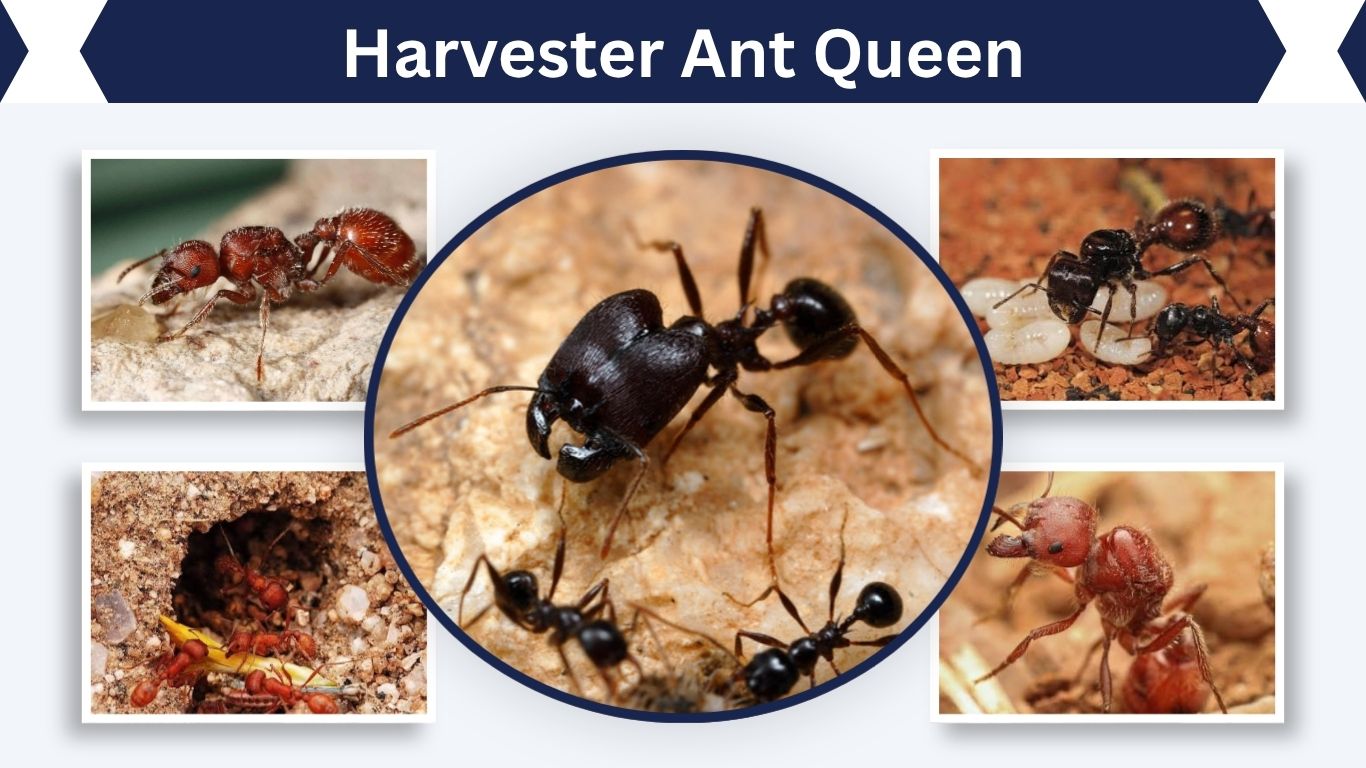
A harvester ant queen is the most important ant in a harvester ant colony. She is responsible for laying eggs and keeping the colony population … Read More
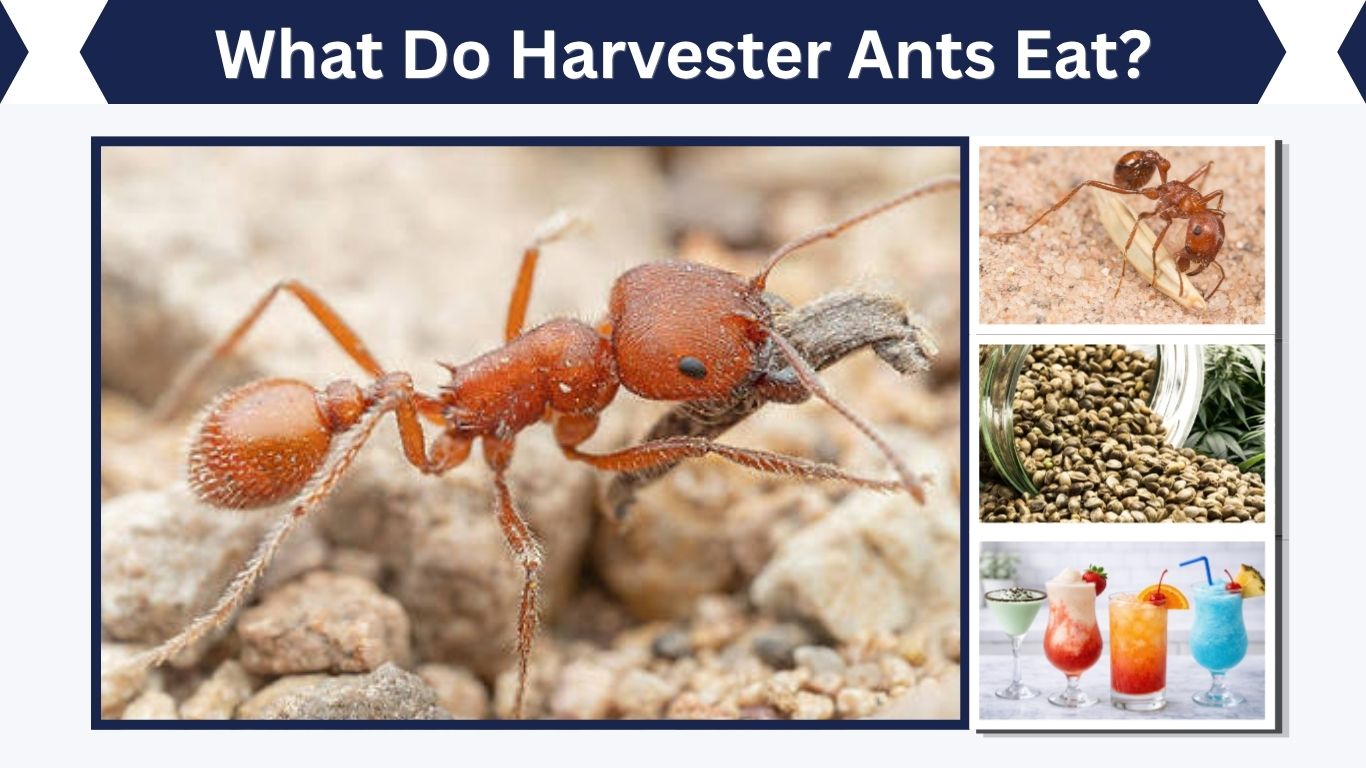
Harvester ants are best known for collecting seeds, carrying them back to their nests, and storing them in underground chambers. Their diet is different from … Read More
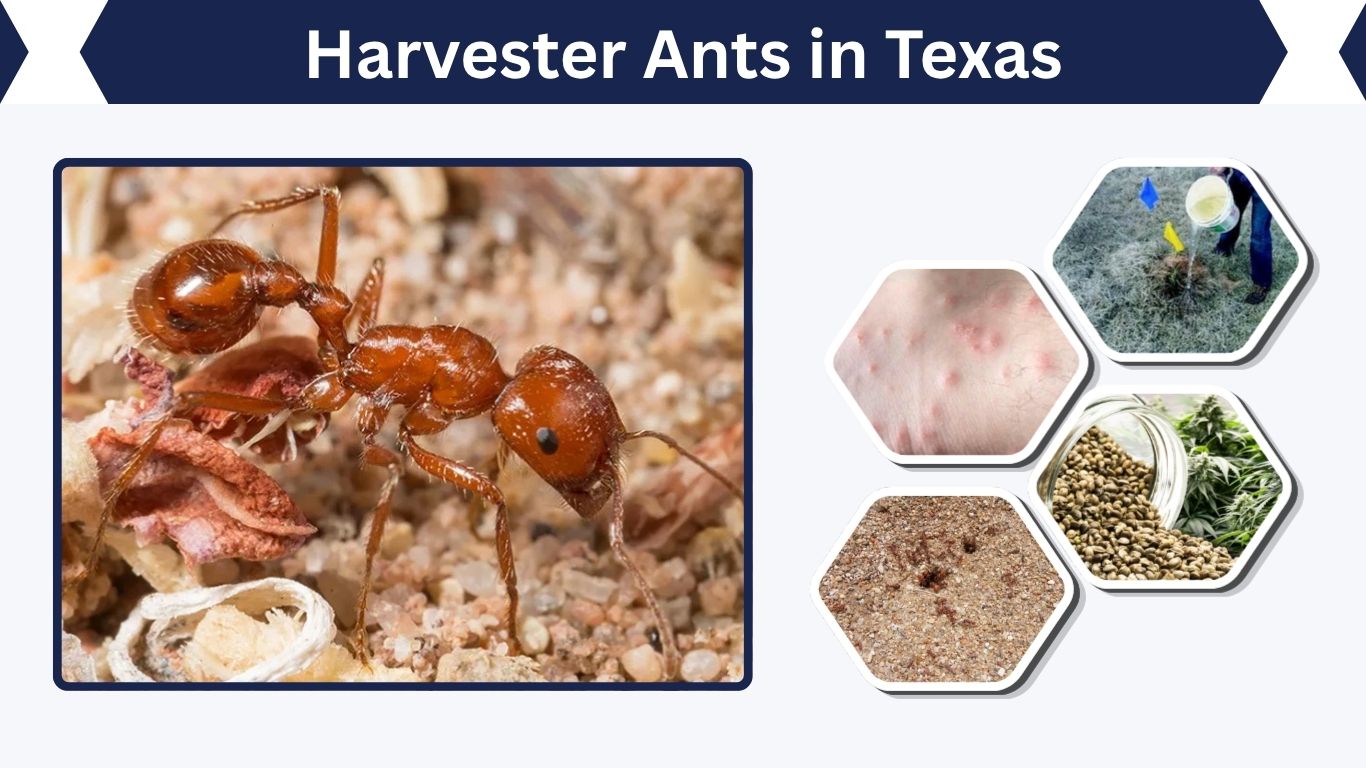
Harvester ants are common in many parts of Texas, especially in dry, open areas with sandy soil, grasslands, pastures, roadsides, and rangelands. The best-known species … Read More
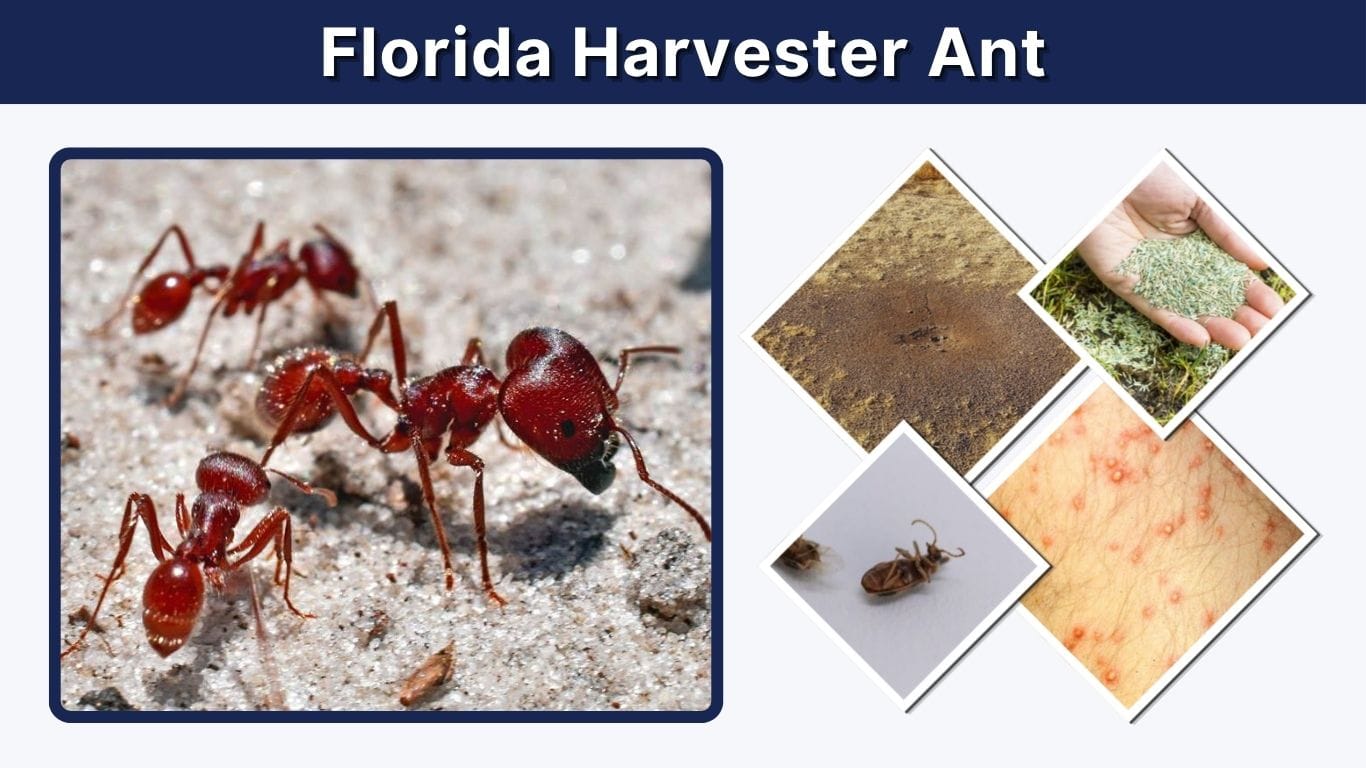
The Florida harvester ant is a native ant best known for its cleared sandy nest areas, seed-collecting behavior, and painful sting. Unlike tiny kitchen ants … Read More
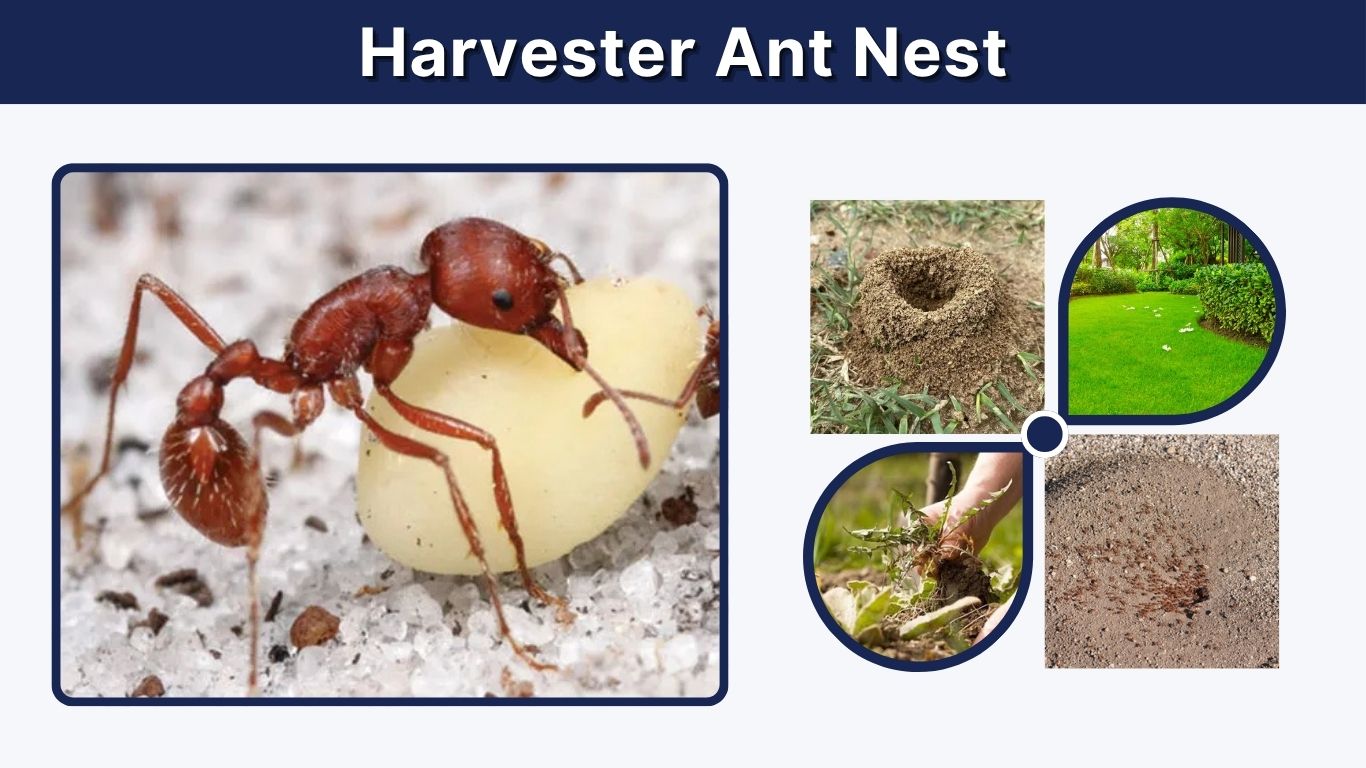
A harvester ant nest is usually easy to notice once you know what to look for. These ants often create bare, open patches of soil … Read More
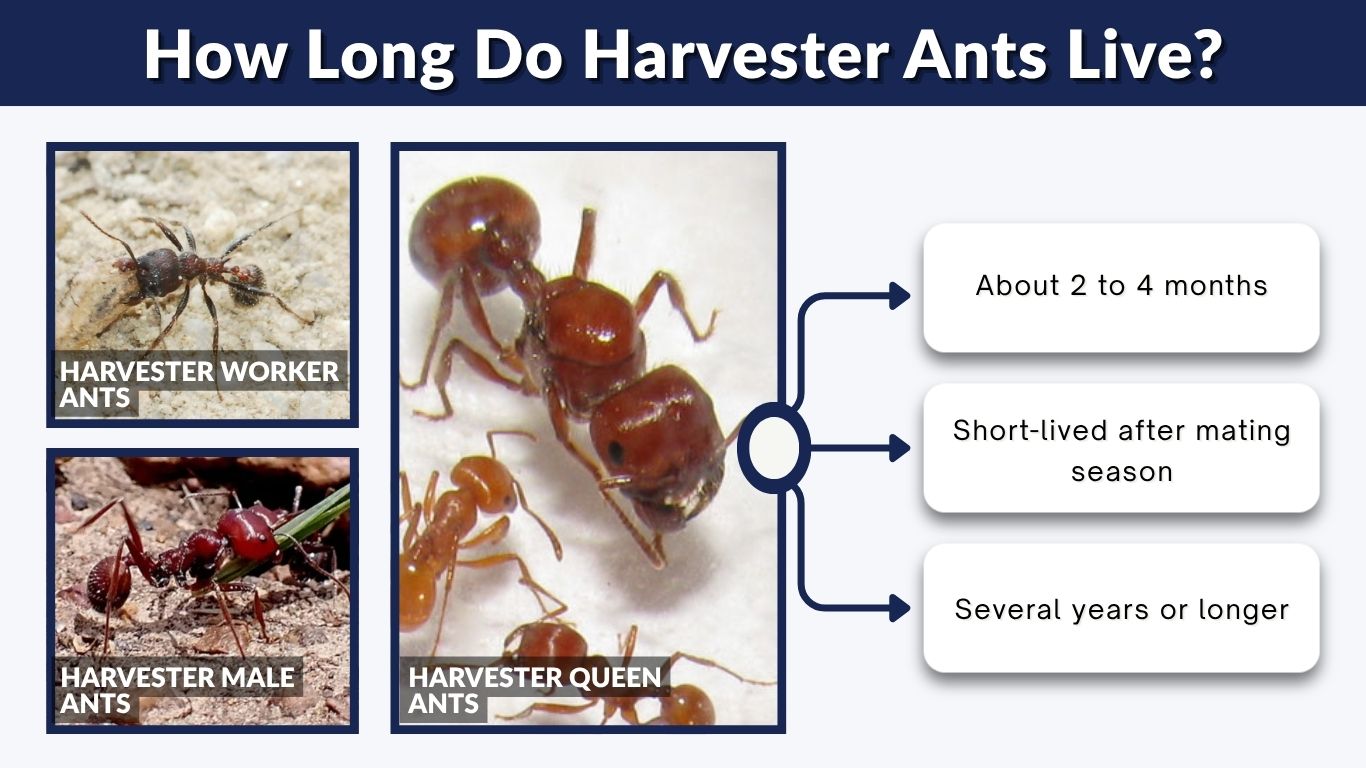
Harvester ants can live for very different lengths of time depending on whether they are workers, queens, males, or ants kept in an ant farm. … Read More
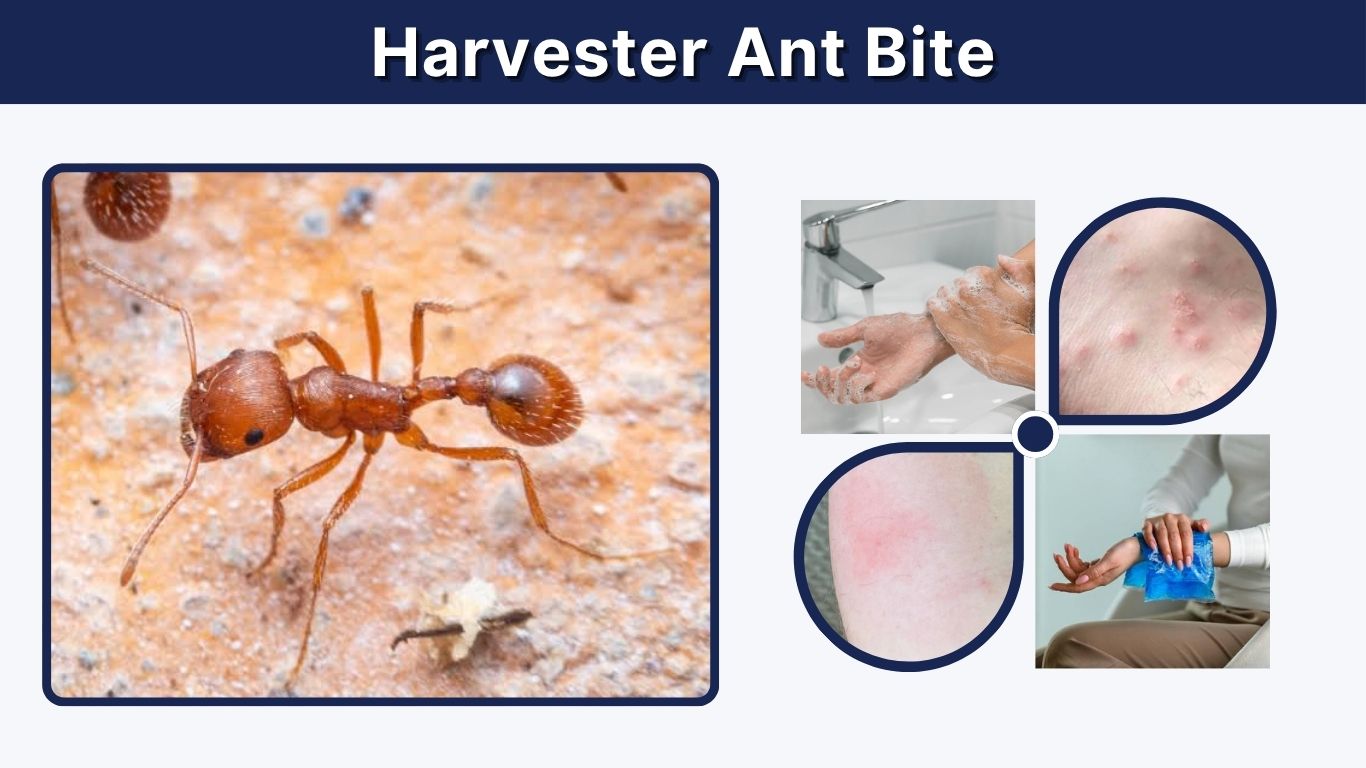
A harvester ant bite can be surprisingly painful, especially if the ant also stings and injects venom. Many people search for harvester ant bite pictures … Read More
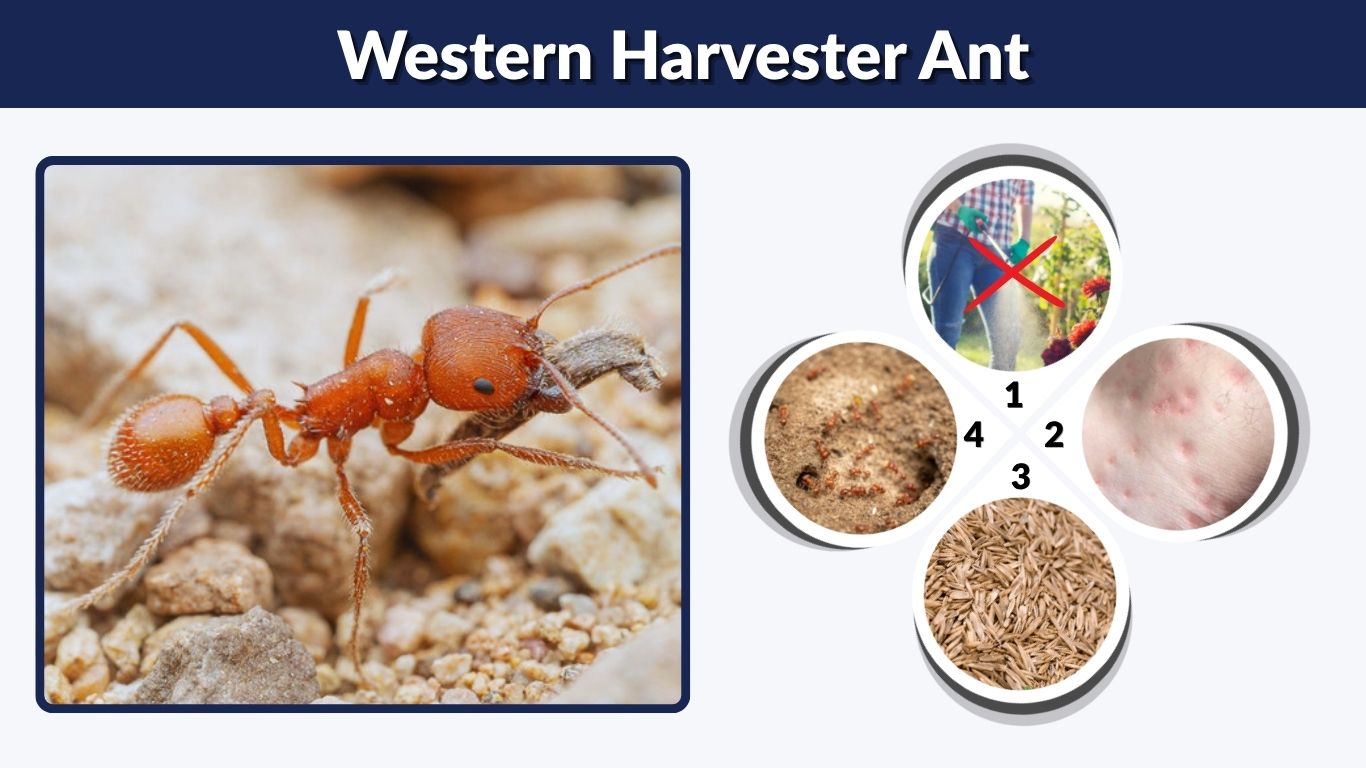
The western harvester ant is a seed-collecting ant known for its large mounds, painful sting, and important role in dry western ecosystems. Often found in … Read More