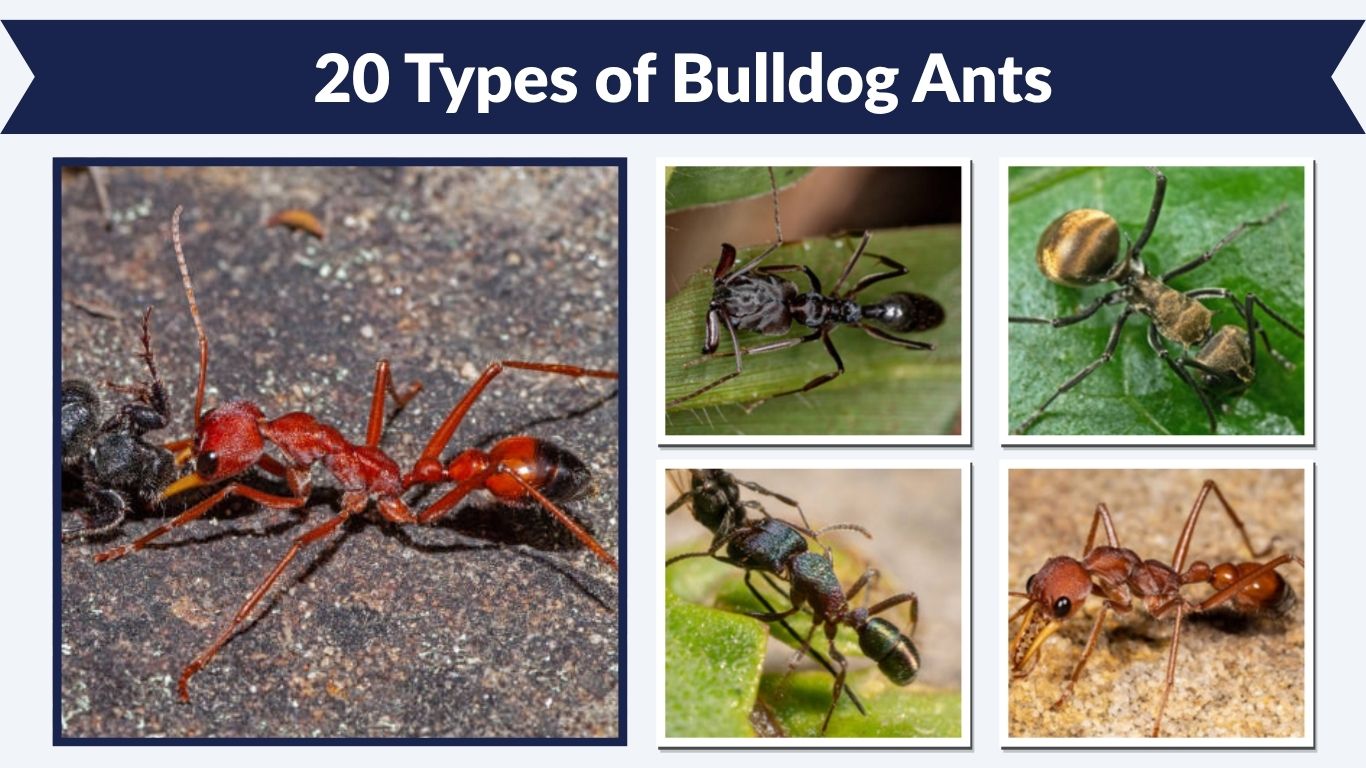
Bulldog ants are among the largest and most aggressive ants in the world. These powerful insects belong to the Myrmecia genus and are mostly found across Australia in forests, grasslands, and dry woodlands. They are famous for their painful sting, strong jaws, and excellent eyesight. Some species are brightly colored, while others have metallic or striped bodies that make them easy to recognize in nature.
In this guide, you will discover 20 different types of bulldog ants, including their identification features, habitats, behavior, diet, and life cycle. Each species has unique traits that help it survive in Australia’s harsh environments.
1. Red Bulldog Ant
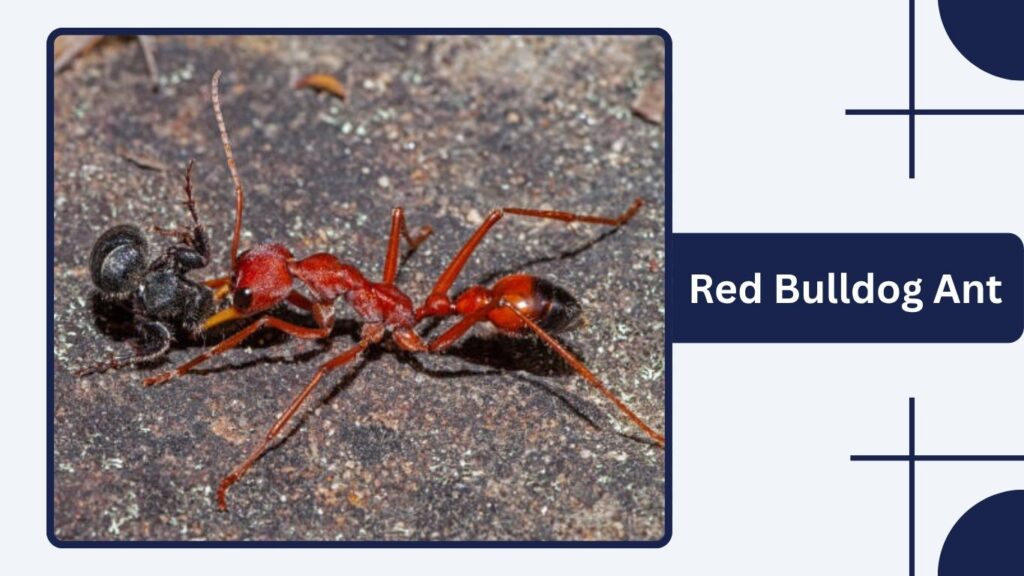
The Red Bulldog Ant is one of the most aggressive and recognizable bulldog ants found in Australia. It belongs to the genus Myrmecia and is known for its painful sting, strong jaws, and fast movements. These ants usually live in dry forests, grasslands, and open woodlands where they hunt alone during the day.
Identification
- Bright reddish-orange body color
- Large black eyes with excellent vision
- Long legs and powerful jaws
- Workers grow around 15–25 mm long
- Sharp stinger at the end of the abdomen
- Slim body with a slightly hairy appearance
Habitat and Distribution
Red Bulldog Ants are mainly found across Australia, especially in warm and dry regions. They build underground nests in soil, under rocks, or near tree roots. Their nests are often located in sunny places where the ground stays warm throughout the day. These ants prefer natural bushland but may also appear in gardens and rural properties.
Behavior and Diet
These ants are active hunters and usually search for food alone instead of moving in trails like many other ant species. They feed on insects, nectar, and small arthropods. Red Bulldog Ants are highly defensive and will quickly attack if they feel threatened. Their sting is extremely painful and can cause allergic reactions in some people.
Life Cycle
The life cycle of the Red Bulldog Ant starts when the queen lays eggs inside the nest. The eggs hatch into larvae, which are cared for by worker ants. After several growth stages, the larvae become pupae before turning into adults. Colonies are generally smaller than many other ant species, but the workers are very active and protective of their nest.
2. Black Bulldog Ant
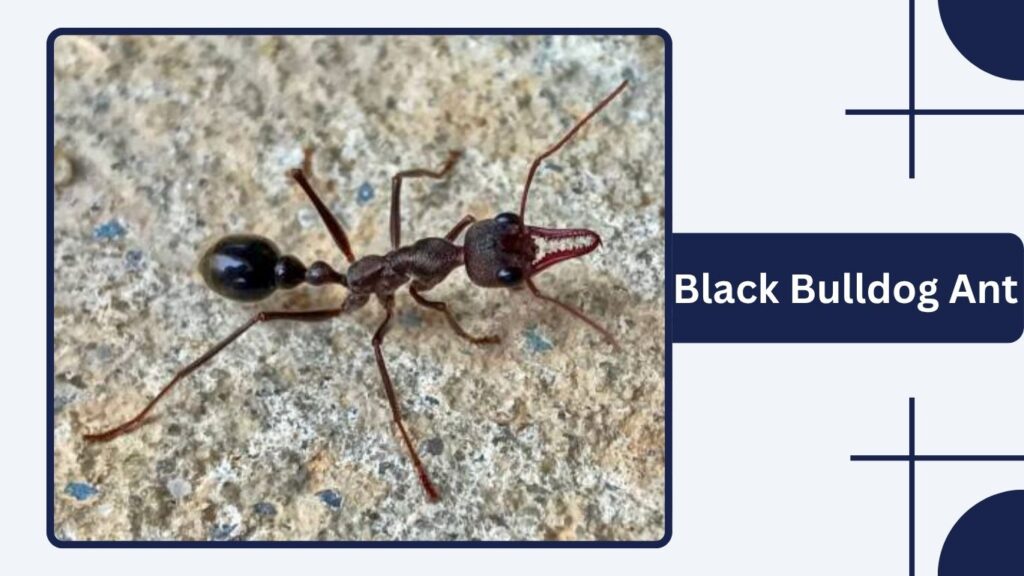
The Black Bulldog Ant is a large and powerful ant species known for its dark body color and aggressive nature. Like other bulldog ants in the Myrmecia group, it has excellent eyesight, strong mandibles, and a painful sting. These ants are active hunters and are commonly seen moving quickly across the ground in search of prey.
Identification
- Shiny black or dark brown body
- Large curved mandibles
- Long legs and upright posture
- Workers usually measure 20–30 mm long
- Large eyes with strong vision
- Thin waist and visible stinger
Habitat and Distribution
Black Bulldog Ants are mostly found in Australia, especially in forests, woodlands, and grassy open areas. They build nests underground, often near logs, rocks, or tree bases. Their nests may have small soil mounds around the entrance. These ants prefer warm environments with loose soil and good sunlight exposure.
Behavior and Diet
Black Bulldog Ants are solitary foragers that hunt insects and collect sweet liquids such as nectar. They rely heavily on their vision while searching for food and defending their territory. These ants are very territorial and can become aggressive when disturbed. Their sting is painful and may cause swelling or irritation.
Life Cycle
The colony begins with a queen laying eggs inside the nest chamber. The eggs develop into larvae, which are fed and protected by worker ants. After pupation, adult ants emerge and begin helping the colony grow. Black Bulldog Ant colonies are usually small compared to other ants, but the workers are highly active and efficient hunters.
3. Jack Jumper Ant
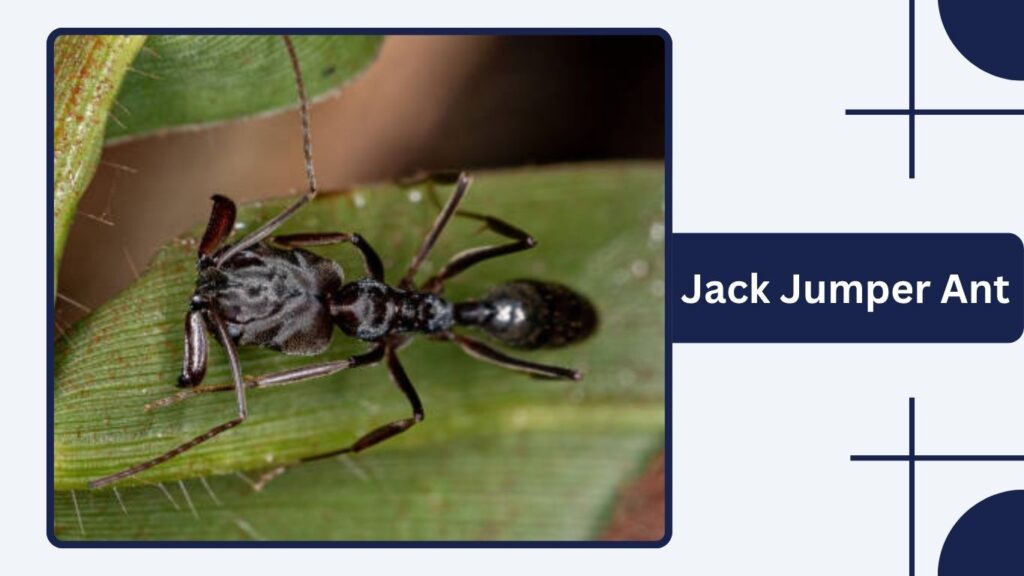
The Jack Jumper Ant is one of the most famous bulldog ants in Australia due to its jumping ability and extremely painful sting. This ant belongs to the Myrmecia genus and is known for being fast, alert, and highly aggressive when threatened. It is especially common in Tasmania and southeastern Australia.
Identification
- Black body with orange or reddish legs
- Medium-sized slender appearance
- Workers grow around 10–15 mm long
- Large eyes with strong eyesight
- Powerful jaws and sharp stinger
- Able to jump short distances when alarmed
Habitat and Distribution
Jack Jumper Ants are commonly found in forests, grasslands, gardens, and rural areas of Australia. They prefer dry soil and often build nests under rocks, logs, or in open grassy spaces. These ants are especially widespread in Tasmania, where they are considered medically important because of their sting.
Behavior and Diet
These ants are active during the day and usually forage alone. They hunt insects and collect sugary substances such as nectar. Jack Jumper Ants are extremely defensive and can jump toward threats while stinging repeatedly. Their sting can cause severe pain and serious allergic reactions in sensitive individuals.
Life Cycle
The queen starts the colony by laying eggs inside an underground nest. The eggs hatch into larvae that are fed by worker ants until they become pupae. After completing development, adult ants emerge and take on tasks such as hunting, nest defense, and caring for young ants. Colonies are usually moderate in size but highly organized and active.
4. Giant Bulldog Ant
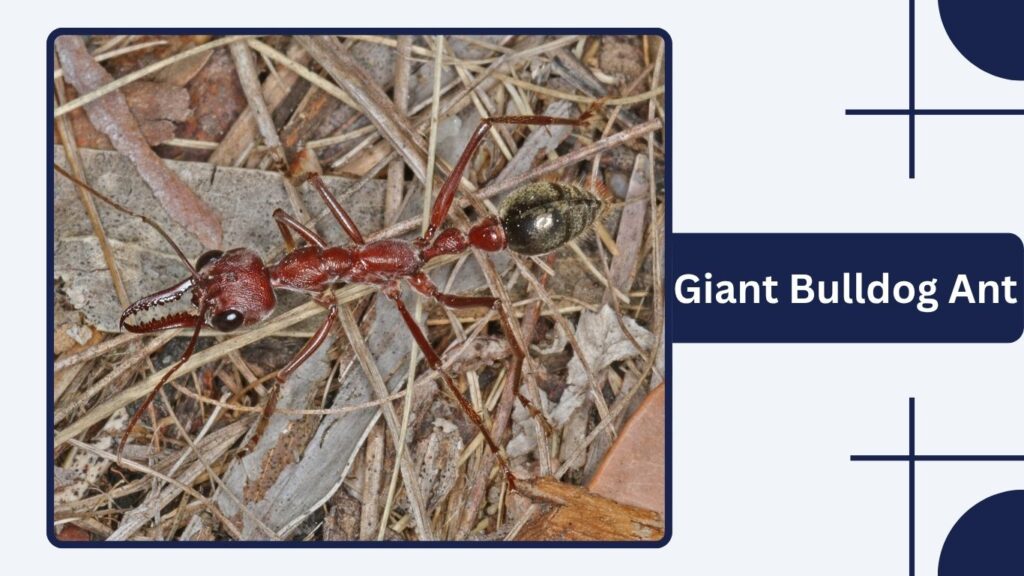
The Giant Bulldog Ant is one of the largest ant species in the world and is well known for its impressive size and aggressive behavior. This powerful ant belongs to the Myrmecia group and uses both its strong jaws and painful sting for defense. It is commonly found in natural Australian habitats with warm climates and open ground.
Identification
- Very large body size reaching up to 40 mm
- Reddish-brown and black body coloration
- Long legs and oversized mandibles
- Large compound eyes with excellent vision
- Slim waist with a visible stinger
- Fast-moving and highly alert behavior
Habitat and Distribution
Giant Bulldog Ants live in forests, dry woodlands, and open grasslands across parts of Australia. They usually build underground nests near rocks, fallen logs, or tree roots. Their nests are often hidden but may have loose soil around the entrance. These ants prefer sunny locations with dry and well-drained soil.
Behavior and Diet
These ants are solitary hunters that actively search for insects and other small prey. They also feed on nectar and sweet plant liquids. Giant Bulldog Ants are extremely territorial and react aggressively to disturbances near their nest. Their sting is very painful and is used together with their strong jaws during attacks.
Life Cycle
The colony begins with a queen laying eggs in underground chambers. Worker ants care for the larvae by feeding and protecting them until they develop into pupae. Once adult ants emerge, they help maintain the nest, gather food, and defend the colony. Colonies are generally smaller than many common ant species but contain highly active workers.
5. Eastern Bulldog Ant
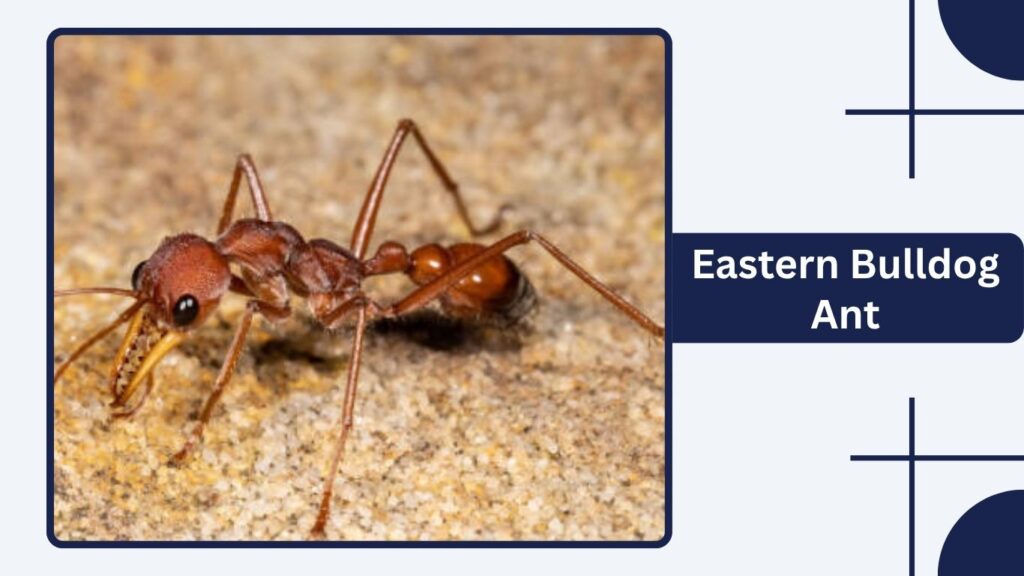
The Eastern Bulldog Ant is a large and aggressive ant species commonly found in eastern parts of Australia. It is a member of the Myrmecia genus and is recognized for its strong jaws, painful sting, and active hunting behavior. These ants are fast-moving and rely heavily on their excellent eyesight while searching for food.
Identification
- Dark brown to reddish-black body
- Long legs and narrow waist
- Workers usually measure 15–25 mm long
- Large eyes positioned toward the front of the head
- Sharp mandibles and visible stinger
- Slightly hairy body with a glossy appearance
Habitat and Distribution
Eastern Bulldog Ants are widely distributed in forests, coastal woodlands, grasslands, and suburban gardens throughout eastern Australia. They often create underground nests in dry soil, especially near rocks, tree roots, or fallen branches. Their nests are usually placed in sunny areas with little ground cover.
Behavior and Diet
These ants are solitary hunters that feed on insects, spiders, and sugary plant liquids. They are very alert and can quickly react to movement near their nest. Eastern Bulldog Ants are known for their defensive nature and may sting repeatedly if disturbed. Their sting is painful and can cause swelling in humans.
Life Cycle
The colony starts when a queen lays eggs inside the nest. Worker ants care for the developing larvae by feeding and protecting them. After the pupal stage, adult ants emerge and begin performing colony duties such as hunting, nest maintenance, and defense. Colonies remain relatively small but are highly active throughout the warmer months.
6. Coastal Bulldog Ant
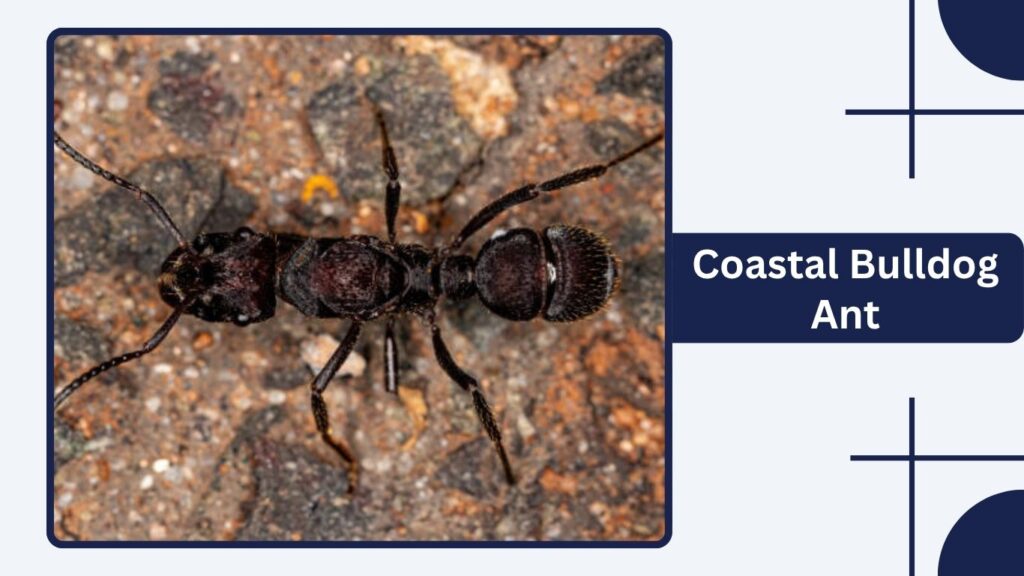
The Coastal Bulldog Ant is a strong and active ant species that lives mainly in coastal regions of Australia. It belongs to the Myrmecia genus and is known for its fast movements, painful sting, and solitary hunting habits. These ants are often seen foraging in sandy or open environments near beaches and coastal forests.
Identification
- Reddish-brown or dark orange body
- Long legs adapted for fast movement
- Workers grow around 15–30 mm long
- Large black eyes with sharp vision
- Strong mandibles and thin waist
- Visible stinger at the end of the abdomen
Habitat and Distribution
Coastal Bulldog Ants are commonly found near beaches, coastal woodlands, dunes, and sandy grasslands in Australia. They build nests underground in loose soil, often under rocks, driftwood, or plant roots. These ants prefer warm coastal climates with open sunlight and dry ground conditions.
Behavior and Diet
These ants are aggressive predators that hunt insects and other small invertebrates alone. They also collect nectar and sweet liquids from plants. Coastal Bulldog Ants are highly defensive around their nests and will attack quickly if threatened. Their sting is painful and is used together with their strong jaws for protection.
Life Cycle
The queen begins the colony by laying eggs in underground chambers. Worker ants feed and protect the larvae as they grow through several stages before becoming pupae. Adult ants emerge from the pupal stage and take over tasks such as hunting, nest building, and colony defense. Colonies are usually small but contain active and efficient workers.
7. Green-Headed Bulldog Ant
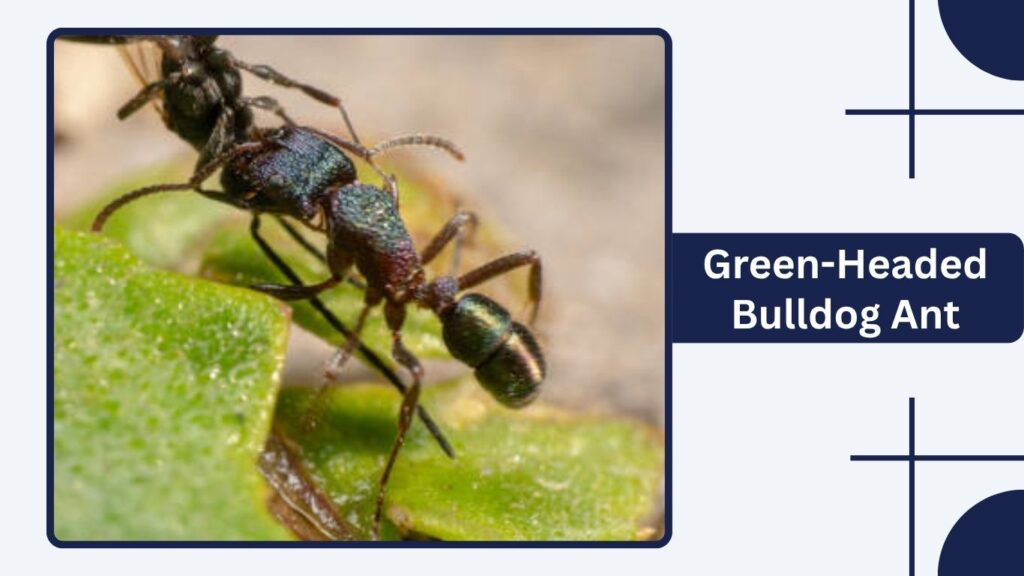
The Green-Headed Bulldog Ant is a striking bulldog ant species known for its metallic green head and aggressive behavior. This ant belongs to the Myrmecia genus and is admired for its colorful appearance and strong hunting skills. It is commonly found in natural Australian habitats with warm temperatures and open ground.
Identification
- Metallic green or green-blue head
- Reddish-brown to black body
- Long legs and powerful mandibles
- Workers measure around 15–25 mm long
- Large eyes with excellent vision
- Sharp stinger beneath the abdomen
Habitat and Distribution
Green-Headed Bulldog Ants are found in forests, woodlands, and grassy regions of Australia. They usually build underground nests in dry soil near rocks, tree roots, or fallen branches. These ants prefer sunny areas with loose soil and are often active during warm daylight hours.
Behavior and Diet
These ants are solitary foragers that hunt insects and other small arthropods. They may also feed on nectar and sweet plant fluids. Green-Headed Bulldog Ants are highly territorial and react aggressively to intruders near their nest. Their sting is painful and is used for both hunting and defense.
Life Cycle
The life cycle begins when the queen lays eggs inside the nest. Worker ants care for the larvae by feeding and protecting them until they become pupae. After completing development, adult ants emerge and begin helping with hunting, nest maintenance, and colony defense. Colonies are generally small but very active and organized.
8. Brown Bulldog Ant
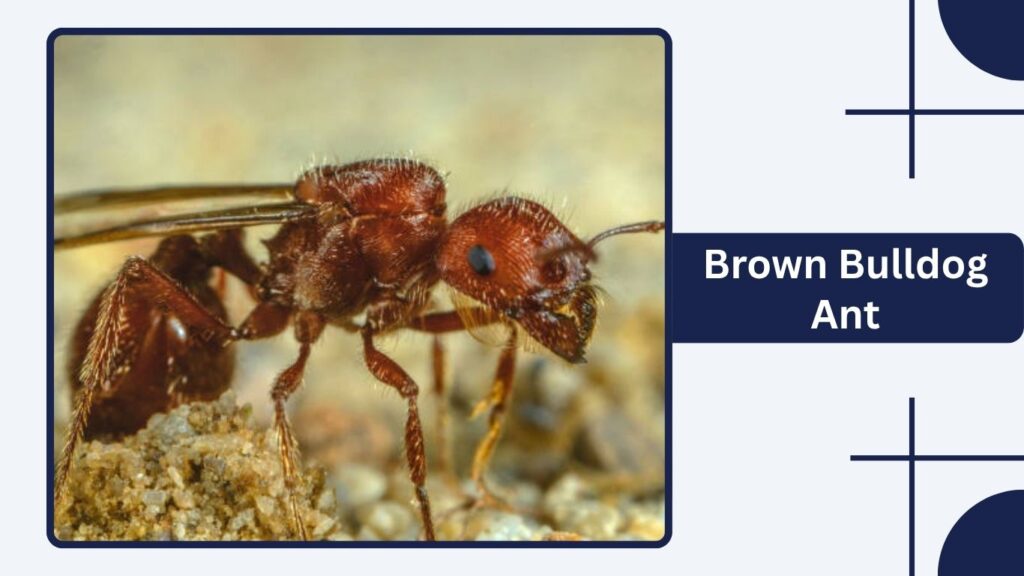
The Brown Bulldog Ant is a tough and fast-moving ant species commonly found in Australia. It is part of the Myrmecia genus and is known for its strong jaws, excellent vision, and painful sting. These ants are active hunters that usually forage alone and defend their nests aggressively when disturbed.
Identification
- Brown to dark brown body color
- Long legs and slender body shape
- Workers usually grow 15–25 mm long
- Large eyes with strong eyesight
- Strong mandibles for gripping prey
- Visible stinger at the rear of the abdomen
Habitat and Distribution
Brown Bulldog Ants live in forests, grasslands, open woodlands, and rural gardens throughout Australia. They build underground nests in dry soil, often near rocks, tree roots, or fallen logs. Their nests are commonly found in sunny places with little vegetation covering the ground.
Behavior and Diet
These ants are solitary predators that hunt insects, spiders, and other small invertebrates. They also feed on nectar and sweet plant substances. Brown Bulldog Ants are very alert and can become aggressive if their nest is disturbed. Their sting is painful and may cause irritation or swelling in humans.
Life Cycle
The queen lays eggs inside underground nest chambers where worker ants protect and feed the developing larvae. After passing through the pupal stage, adult ants emerge and begin working for the colony. They help with food gathering, nest repair, and colony defense. Colonies are usually smaller than those of many common ant species but remain highly active.
9. Golden Bulldog Ant
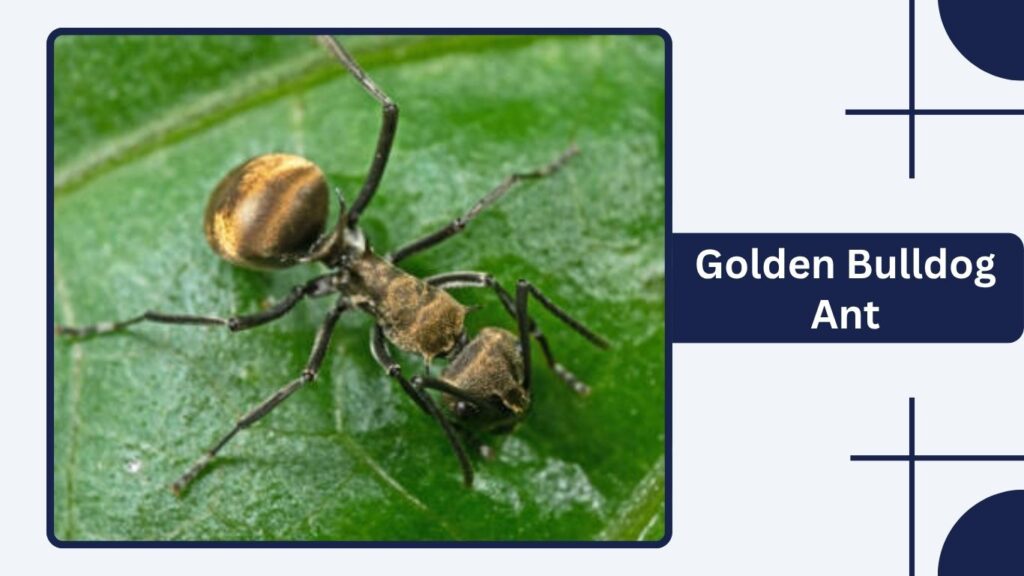
The Golden Bulldog Ant is a colorful bulldog ant species recognized for its golden-brown body and active hunting behavior. Like other ants in the Myrmecia genus, it has strong jaws, excellent eyesight, and a painful sting. These ants are quick, alert, and often seen foraging alone during the daytime.
Identification
- Golden-brown or yellowish body color
- Long legs and slim body structure
- Workers grow around 15–25 mm long
- Large eyes with strong visual ability
- Powerful mandibles for catching prey
- Sharp stinger located under the abdomen
Habitat and Distribution
Golden Bulldog Ants are commonly found in Australian forests, dry woodlands, and open grassy habitats. They usually build underground nests in loose soil near rocks, shrubs, or tree roots. These ants prefer sunny and warm environments where they can move easily while hunting.
Behavior and Diet
These ants are solitary hunters that search for insects and other small arthropods. They may also collect nectar and sugary plant fluids for energy. Golden Bulldog Ants are highly defensive and react quickly when their nest is threatened. Their sting is painful and used both for defense and subduing prey.
Life Cycle
The colony begins with a queen laying eggs inside protected underground chambers. Worker ants care for the larvae by feeding and cleaning them until they develop into pupae. Once adult ants emerge, they help with nest maintenance, hunting, and colony defense. Colonies are generally small but contain very active workers.
10. Tasmanian Bulldog Ant
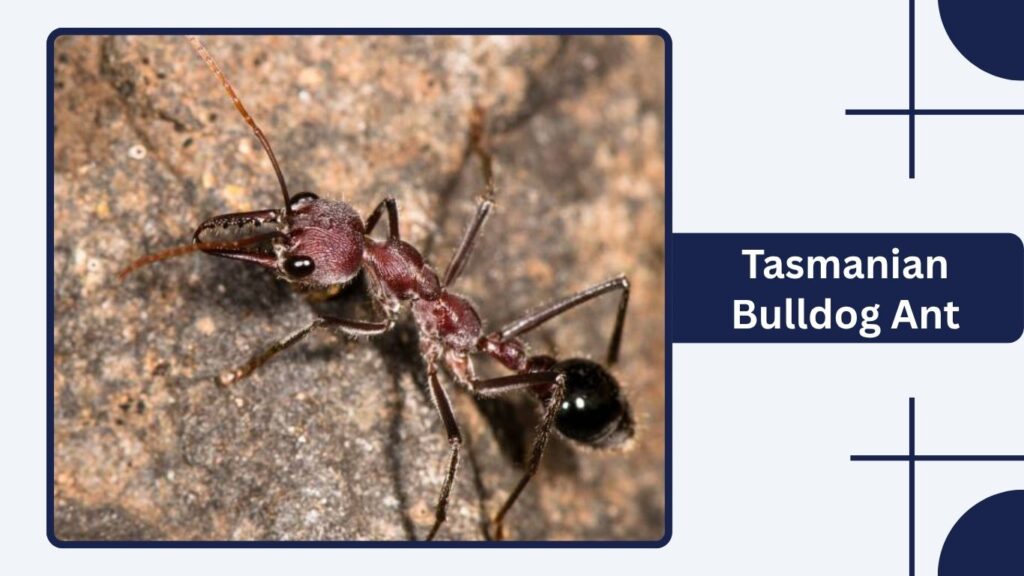
The Tasmanian Bulldog Ant is a large and aggressive ant species mainly found in Tasmania and nearby parts of Australia. It belongs to the Myrmecia genus and is known for its painful sting, fast movements, and strong hunting ability. These ants are active during the day and rely heavily on their excellent eyesight.
Identification
- Dark reddish-brown to black body
- Long legs and narrow waist
- Workers measure around 15–30 mm long
- Large forward-facing eyes
- Strong jaws with a sharp stinger
- Slightly hairy body with a glossy appearance
Habitat and Distribution
Tasmanian Bulldog Ants are commonly found in forests, grasslands, coastal areas, and rural gardens across Tasmania. They build underground nests in dry soil, often beneath rocks, logs, or thick vegetation. These ants prefer cool to mild climates and areas with open sunlight.
Behavior and Diet
These ants are solitary foragers that hunt insects, spiders, and other small prey. They may also feed on nectar and sugary liquids from plants. Tasmanian Bulldog Ants are highly defensive and can attack quickly when disturbed. Their sting is extremely painful and may cause severe allergic reactions in some people.
Life Cycle
The queen lays eggs inside underground chambers where worker ants care for the developing larvae. After several growth stages, the larvae turn into pupae before emerging as adult ants. Adult workers help protect the nest, search for food, and care for young ants. Colonies are usually moderate in size but very active and organized.
11. Red-Headed Bulldog Ant
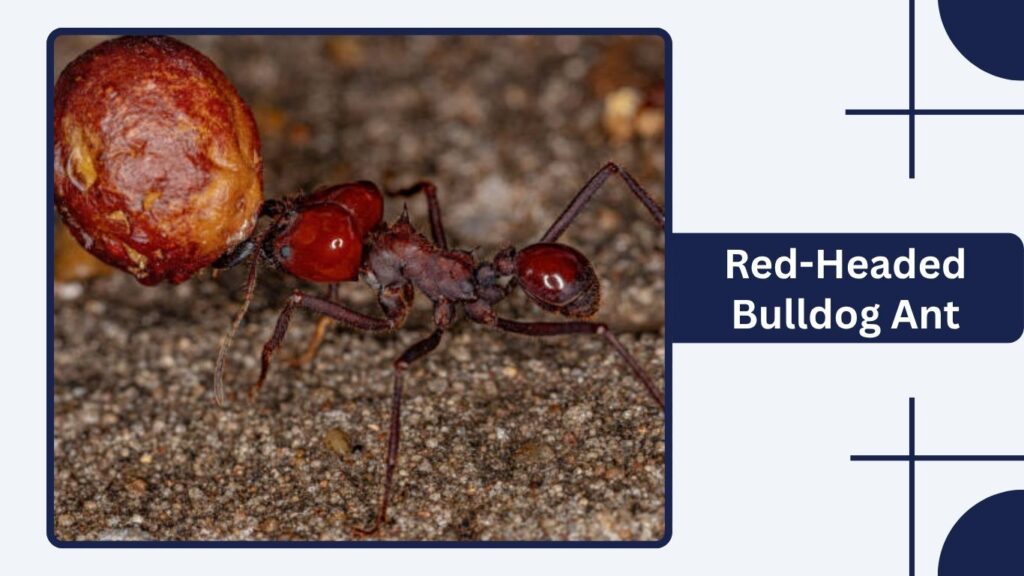
The Red-Headed Bulldog Ant is a bold and aggressive ant species recognized for its bright reddish head and strong hunting behavior. As a member of the Myrmecia genus, it combines excellent eyesight, powerful jaws, and a painful sting. These ants are commonly seen moving quickly across open ground while searching for prey.
Identification
- Bright red or reddish-orange head
- Dark brown to black body
- Long legs and slender body shape
- Workers grow around 15–25 mm long
- Large eyes with excellent vision
- Sharp mandibles and visible stinger
Habitat and Distribution
Red-Headed Bulldog Ants are found in forests, dry woodlands, grasslands, and bushland areas across Australia. They build underground nests in loose soil, often near rocks, tree roots, or fallen timber. Their nests are usually located in sunny places with warm ground conditions.
Behavior and Diet
These ants are active solitary hunters that feed on insects, spiders, and sugary plant liquids. They rely heavily on their eyesight to locate prey and detect danger. Red-Headed Bulldog Ants are highly territorial and may aggressively defend their nest if disturbed. Their sting is painful and can cause swelling or irritation.
Life Cycle
The colony begins with the queen laying eggs inside underground nest chambers. Worker ants feed and protect the larvae as they develop through several stages before becoming pupae. Adult ants emerge from the pupae and take over duties such as hunting, nest repair, and colony defense. Colonies are generally small but contain energetic and active workers.
12. Large-Jawed Bulldog Ant
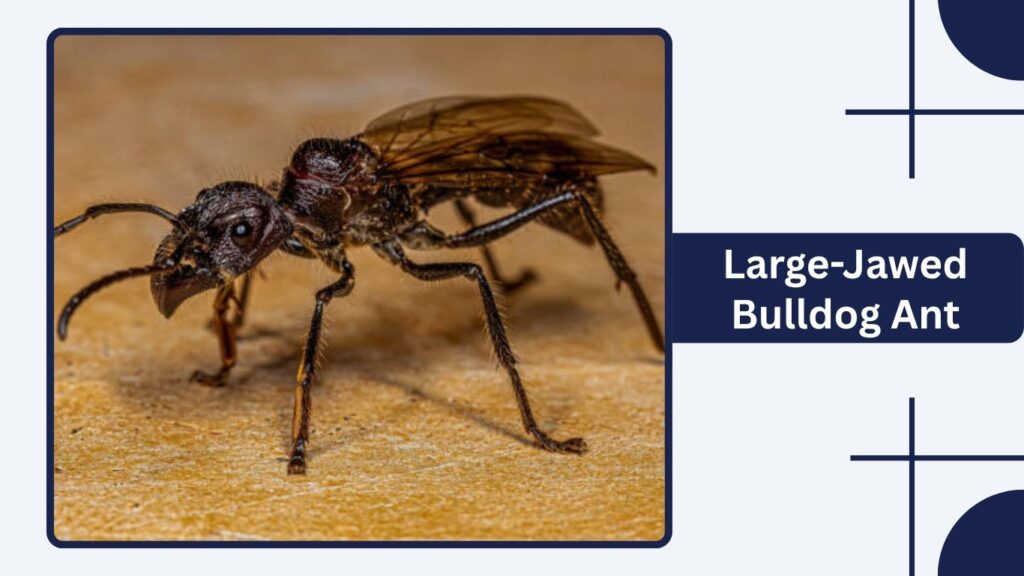
The Large-Jawed Bulldog Ant is a powerful bulldog ant species known for its oversized mandibles and aggressive nature. It belongs to the Myrmecia genus and uses its strong jaws for hunting, carrying prey, and defending the colony. These ants are fast-moving predators that are commonly active during daylight hours.
Identification
- Large curved mandibles larger than the head
- Dark brown, black, or reddish body
- Long legs and narrow waist
- Workers usually measure 20–30 mm long
- Large eyes with sharp vision
- Strong stinger beneath the abdomen
Habitat and Distribution
Large-Jawed Bulldog Ants are found in forests, grasslands, and open woodland habitats across Australia. They build underground nests in dry and loose soil, often under logs, stones, or tree roots. These ants prefer sunny areas where they can forage easily across open ground.
Behavior and Diet
These ants are solitary hunters that prey on insects and other small arthropods. Their large mandibles help them capture and hold struggling prey before using their sting. Large-Jawed Bulldog Ants are highly defensive and react aggressively to nearby threats. They may also feed on nectar and sweet plant fluids.
Life Cycle
The queen lays eggs deep inside the nest chambers where worker ants protect and care for the developing young. The larvae are fed until they become pupae and later emerge as adult ants. Adult workers take part in hunting, nest maintenance, and colony defense. Colonies are generally small but contain strong and active individuals.
13. Sandy Bulldog Ant
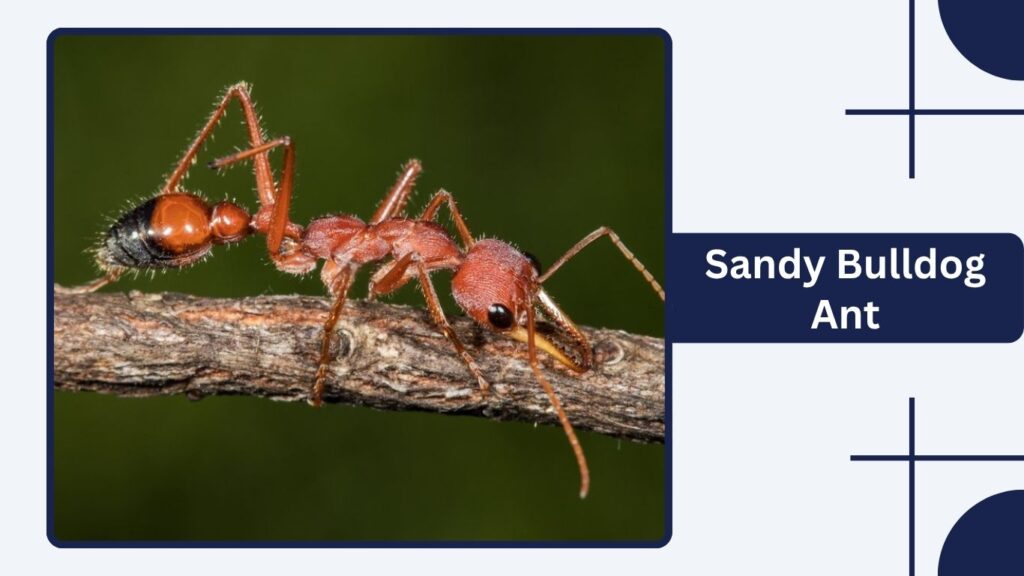
The Sandy Bulldog Ant is a fast and aggressive ant species that lives mainly in sandy and dry environments. It belongs to the Myrmecia genus and is known for its strong sting, excellent eyesight, and solitary hunting habits. These ants are highly active during warm weather and are often seen moving quickly across open ground.
Identification
- Light brown, sandy, or reddish body color
- Long legs built for rapid movement
- Workers grow around 15–25 mm long
- Large eyes with strong vision
- Thin waist with powerful mandibles
- Sharp stinger at the end of the abdomen
Habitat and Distribution
Sandy Bulldog Ants are commonly found in coastal dunes, dry grasslands, sandy forests, and open scrubland areas in Australia. They build underground nests in loose sandy soil, often near shrubs, rocks, or grass clumps. These ants prefer sunny habitats with warm temperatures and low moisture levels.
Behavior and Diet
These ants are solitary foragers that hunt insects, spiders, and other small prey. They may also feed on nectar and sugary liquids from plants. Sandy Bulldog Ants are extremely alert and defensive, especially near their nests. Their painful sting is used for both hunting and protecting the colony from threats.
Life Cycle
The colony begins when the queen lays eggs inside underground nest tunnels. Worker ants care for the larvae by feeding and protecting them until they develop into pupae. Adult ants later emerge and help with hunting, nest expansion, and colony defense. Colonies are usually small but remain highly active throughout the warmer seasons.
14. Northern Bulldog Ant
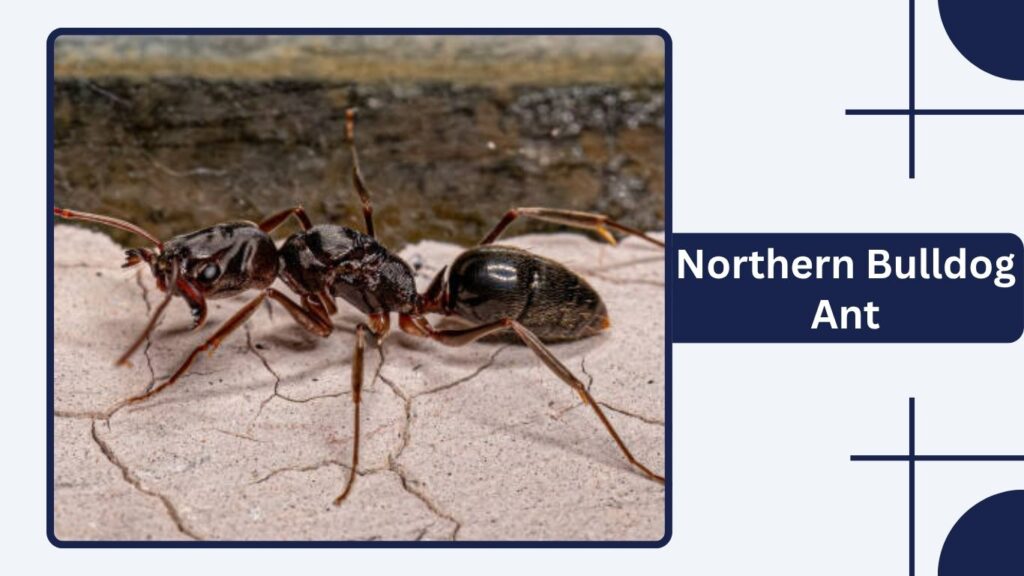
The Northern Bulldog Ant is a strong and active ant species commonly found in the warmer northern regions of Australia. It is part of the Myrmecia genus and is known for its aggressive behavior, painful sting, and excellent hunting skills. These ants are fast-moving predators that rely heavily on their sharp eyesight while foraging.
Identification
- Dark brown to reddish-black body
- Long legs and slim body structure
- Workers measure around 15–30 mm long
- Large eyes with excellent vision
- Powerful mandibles and sharp stinger
- Slightly hairy body with a glossy appearance
Habitat and Distribution
Northern Bulldog Ants are found in tropical woodlands, grasslands, forests, and dry open habitats across northern Australia. They build underground nests in warm, well-drained soil, often near rocks, logs, or tree roots. These ants prefer sunny locations where temperatures remain high during most of the year.
Behavior and Diet
These ants are solitary hunters that feed on insects, spiders, and other small invertebrates. They may also collect nectar and sugary plant fluids. Northern Bulldog Ants are highly territorial and can react aggressively if their nest is disturbed. Their sting is painful and helps them defend both themselves and the colony.
Life Cycle
The queen lays eggs inside protected underground chambers where worker ants care for the developing larvae. After passing through the pupal stage, adult ants emerge and begin helping with food collection, nest maintenance, and colony defense. Colonies are generally smaller than those of many common ants but remain very active and organized.
15. Forest Bulldog Ant
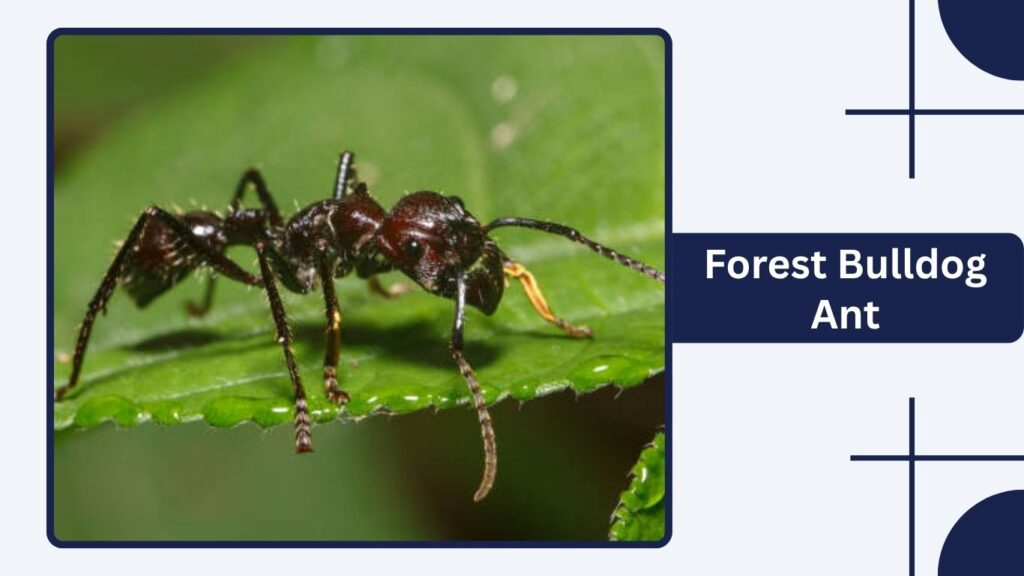
The Forest Bulldog Ant is a large and aggressive ant species that thrives in wooded environments across Australia. It belongs to the Myrmecia genus and is recognized for its strong jaws, painful sting, and excellent vision. These ants are active daytime hunters and are often seen moving alone through leaf litter and forest floors.
Identification
- Dark brown, black, or reddish body
- Long legs designed for fast movement
- Workers usually grow 15–30 mm long
- Large compound eyes with sharp vision
- Powerful mandibles and visible stinger
- Slightly hairy body with a narrow waist
Habitat and Distribution
Forest Bulldog Ants are commonly found in forests, woodlands, and bushland habitats throughout Australia. They build underground nests beneath logs, rocks, tree roots, or deep leaf litter. These ants prefer moist but well-drained soil and areas with partial sunlight filtering through trees.
Behavior and Diet
These ants are solitary predators that hunt insects, spiders, and small arthropods on the forest floor. They may also feed on nectar and sweet plant substances. Forest Bulldog Ants are highly defensive and will aggressively protect their nests if threatened. Their sting is painful and used both for hunting and colony defense.
Life Cycle
The queen starts the colony by laying eggs in underground chambers hidden beneath the forest floor. Worker ants feed and protect the larvae until they develop into pupae. Adult ants emerge from the pupal stage and begin helping with hunting, nest care, and defense. Colonies are usually small but contain active and hardworking workers.
16. Striped Bulldog Ant
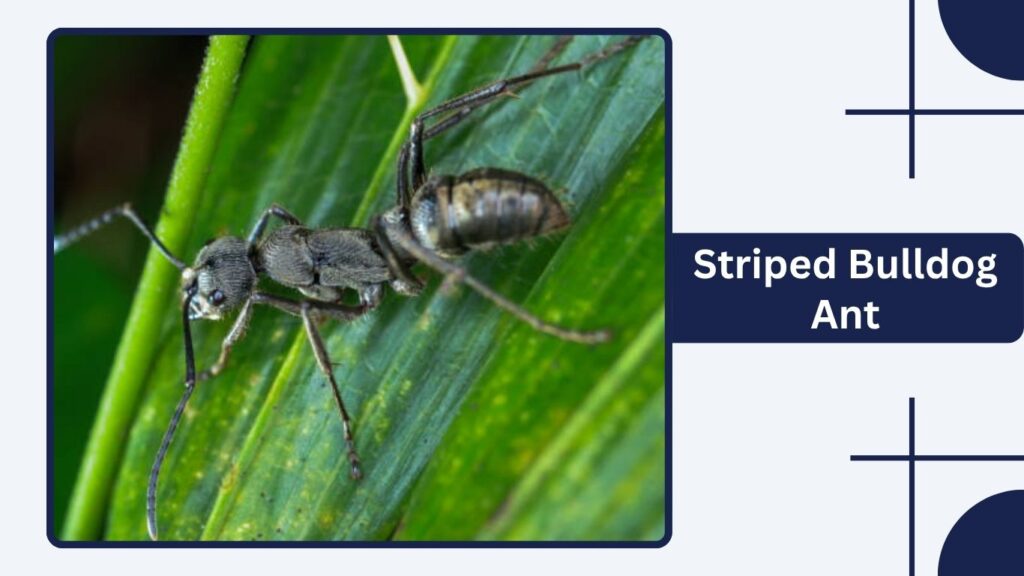
The Striped Bulldog Ant is a distinctive bulldog ant species known for the striped markings on its body and its aggressive nature. Like other ants in the Myrmecia genus, it has excellent eyesight, powerful jaws, and a painful sting. These ants are active hunters that usually forage alone during daylight hours.
Identification
- Striped or banded markings on the abdomen
- Reddish-brown to black body coloration
- Long legs and slim body shape
- Workers measure around 15–25 mm long
- Large eyes with strong visual ability
- Sharp mandibles and visible stinger
Habitat and Distribution
Striped Bulldog Ants are found in forests, grasslands, woodlands, and dry bush areas across Australia. They build underground nests in loose soil, often beneath rocks, logs, or tree roots. These ants prefer sunny and open environments where they can easily search for prey.
Behavior and Diet
These ants are solitary hunters that prey on insects, spiders, and other small invertebrates. They also feed on nectar and sugary plant fluids when available. Striped Bulldog Ants are highly territorial and can become aggressive when their nest is disturbed. Their painful sting is used for both defense and subduing prey.
Life Cycle
The colony begins when the queen lays eggs inside underground chambers. Worker ants care for the larvae by feeding and protecting them through several stages of development. After becoming pupae, adult ants emerge and help with hunting, nest maintenance, and colony defense. Colonies are usually small but remain highly active throughout warm seasons.
17. Australian Bulldog Ant
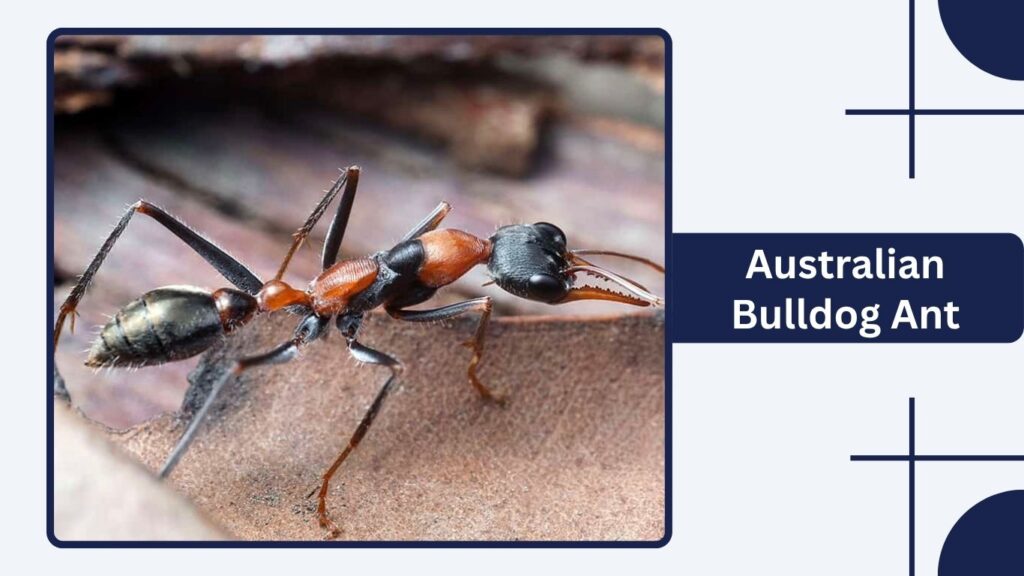
The Australian Bulldog Ant is a powerful and aggressive ant species widely known for its painful sting and strong hunting ability. It belongs to the Myrmecia genus, a group famous for large ants with excellent eyesight and fast movements. These ants are active during the day and usually hunt alone rather than traveling in groups.
Identification
- Large reddish-brown or black body
- Long legs and upright posture
- Workers grow around 15–30 mm long
- Large compound eyes with excellent vision
- Strong mandibles and sharp stinger
- Slim waist with a slightly hairy appearance
Habitat and Distribution
Australian Bulldog Ants are found throughout many parts of Australia, including forests, grasslands, woodlands, and suburban gardens. They build underground nests in dry soil near rocks, tree roots, logs, or open grassy spaces. These ants prefer warm climates and sunny areas for active foraging.
Behavior and Diet
These ants are solitary predators that hunt insects, spiders, and other small arthropods. They also feed on nectar and sugary plant liquids. Australian Bulldog Ants are highly territorial and react aggressively when their nest is threatened. Their sting is extremely painful and can cause strong reactions in some people.
Life Cycle
The queen lays eggs deep inside underground nest chambers where worker ants protect and feed the developing larvae. The larvae later become pupae before emerging as adult ants. Adult workers help gather food, maintain the nest, and defend the colony. Colonies are usually smaller than those of many common ants but contain very active workers.
18. Giant Red Bulldog Ant
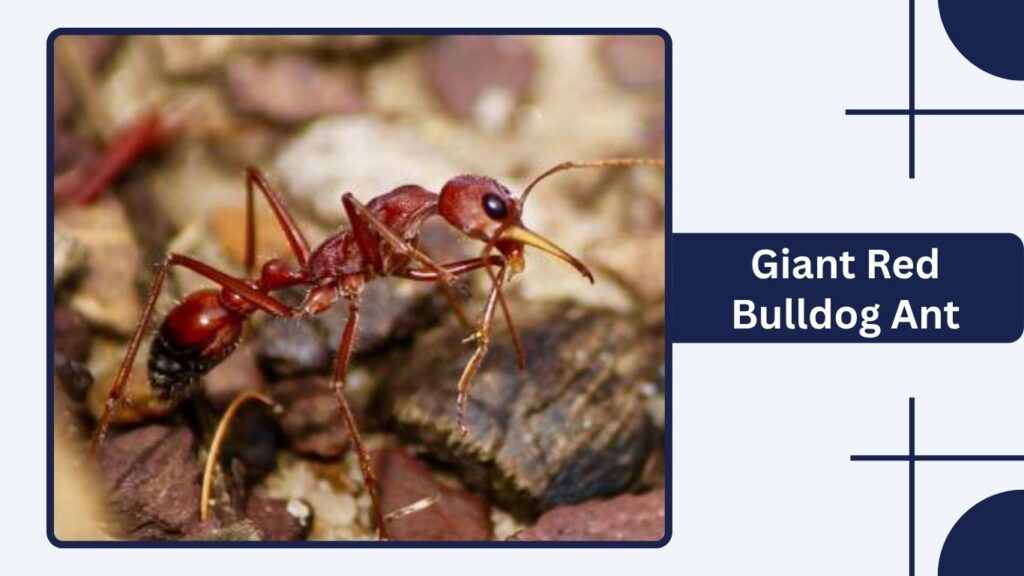
The Giant Red Bulldog Ant is one of the largest and most intimidating bulldog ants found in Australia. It is known for its bright reddish coloration, aggressive defense behavior, and extremely painful sting. As part of the Myrmecia genus, this ant has excellent vision and strong hunting abilities that make it a skilled predator.
Identification
- Large bright red or reddish-orange body
- Workers can reach up to 30–40 mm long
- Long legs and oversized mandibles
- Large black eyes with sharp vision
- Thin waist with a powerful stinger
- Slightly hairy body with a glossy appearance
Habitat and Distribution
Giant Red Bulldog Ants are commonly found in forests, open woodlands, and dry bushland regions across Australia. They build underground nests in loose soil, usually beneath rocks, logs, or tree roots. These ants prefer warm and sunny habitats where they can hunt effectively during the day.
Behavior and Diet
These ants are solitary hunters that actively search for insects, spiders, and other small prey. They may also collect nectar and sugary plant liquids for energy. Giant Red Bulldog Ants are extremely territorial and will aggressively defend their nest against threats. Their sting is very painful and can cause severe discomfort or allergic reactions.
Life Cycle
The colony begins when the queen lays eggs inside protected underground chambers. Worker ants care for the larvae by feeding and cleaning them until they become pupae. Adult ants later emerge and assist with hunting, nest expansion, and colony protection. Colonies are usually small but contain strong and highly active workers.
19. Small Bulldog Ant
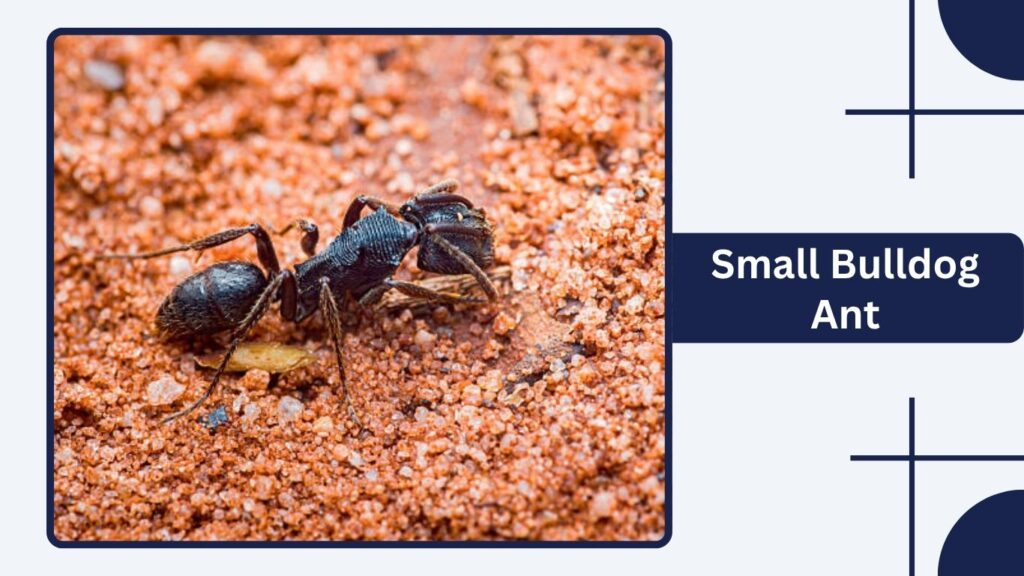
The Small Bulldog Ant is a compact but aggressive member of the Myrmecia genus. Even though it is smaller than many other bulldog ants, it still has strong jaws, excellent eyesight, and a painful sting. These ants are fast-moving hunters that actively search for prey during the daytime.
Identification
- Smaller body size compared to other bulldog ants
- Brown, reddish, or black body coloration
- Workers usually measure 10–18 mm long
- Long legs and narrow waist
- Large eyes with sharp vision
- Strong mandibles and visible stinger
Habitat and Distribution
Small Bulldog Ants are found in forests, grasslands, gardens, and open woodland habitats across Australia. They build underground nests in loose soil, often near stones, logs, or plant roots. These ants prefer warm environments with good sunlight and dry ground conditions.
Behavior and Diet
These ants are solitary foragers that hunt insects, spiders, and other small arthropods. They may also feed on nectar and sweet liquids from plants. Small Bulldog Ants are highly defensive despite their size and will quickly attack if their nest is disturbed. Their sting is painful and helps them capture prey and defend the colony.
Life Cycle
The queen lays eggs in underground nest chambers where worker ants care for the larvae until they develop into pupae. Adult ants emerge after the pupal stage and begin helping with hunting, nest maintenance, and colony defense. Colonies are generally small but remain very active throughout warm seasons.
20. Metallic Bulldog Ant
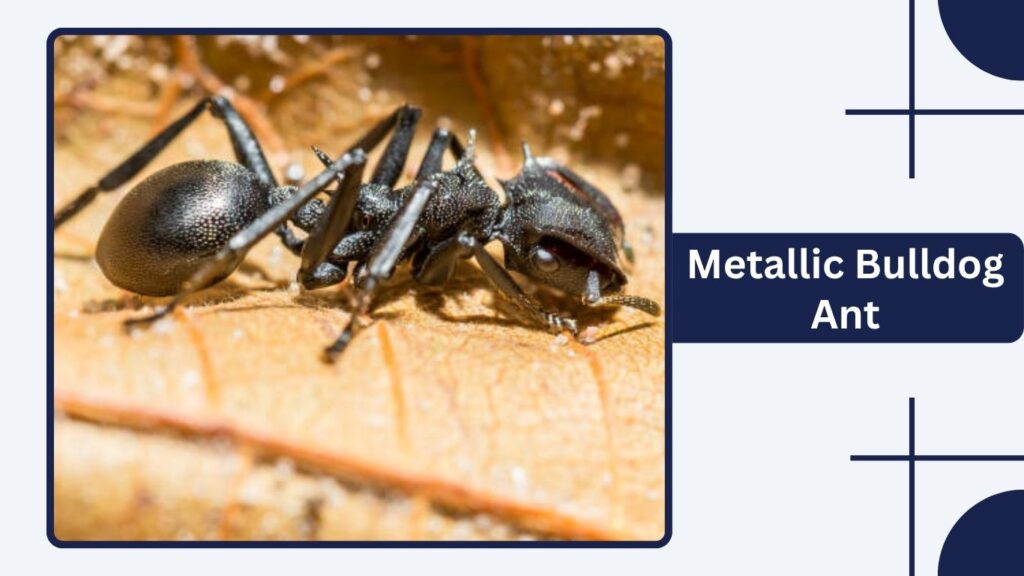
The Metallic Bulldog Ant is a striking bulldog ant species known for its shiny metallic appearance and aggressive behavior. It belongs to the Myrmecia genus and combines strong jaws, excellent eyesight, and a painful sting. These ants are active daytime hunters that move quickly across open ground while searching for prey.
Identification
- Metallic green, blue, or bronze body sheen
- Reddish-brown or black body base color
- Long legs and slender body structure
- Workers usually grow 15–25 mm long
- Large eyes with excellent vision
- Sharp mandibles and visible stinger
Habitat and Distribution
Metallic Bulldog Ants are commonly found in forests, grasslands, coastal woodlands, and bushland habitats across Australia. They build underground nests in dry, loose soil near rocks, roots, or fallen logs. These ants prefer sunny environments where they can actively forage during warm daylight hours.
Behavior and Diet
These ants are solitary predators that hunt insects, spiders, and other small arthropods. They may also feed on nectar and sugary plant fluids. Metallic Bulldog Ants are highly territorial and become aggressive when their nest is threatened. Their sting is painful and is used for both hunting and defense.
Life Cycle
The colony starts when the queen lays eggs inside underground chambers. Worker ants protect and feed the larvae until they develop into pupae. After emerging as adults, the ants begin helping with hunting, nest building, and colony defense. Colonies are usually smaller than those of many common ants but remain active and organized throughout the year.
FAQs
What are bulldog ants?
Bulldog ants are large, aggressive ants belonging to the Myrmecia genus. They are mainly found in Australia and are known for their strong jaws, painful sting, and excellent eyesight. Unlike many ants, they often hunt alone instead of traveling in large trails.
Are bulldog ants dangerous to humans?
Yes, bulldog ants can be dangerous because their sting is very painful. Some people may also experience allergic reactions after being stung. In severe cases, medical attention may be necessary, especially if breathing problems or swelling occur.
Where do bulldog ants build their nests?
Bulldog ants usually build underground nests in dry soil. Their nests are often found under rocks, logs, tree roots, or in grassy open areas. They prefer warm environments with plenty of sunlight and loose ground.
What do bulldog ants eat?
Bulldog ants mainly feed on insects, spiders, nectar, and sugary plant liquids. They are active hunters that use their strong jaws and sting to catch and subdue prey before carrying it back to the nest.
Why are bulldog ants called bulldog ants?
These ants are called bulldog ants because of their aggressive behavior and strong jaws that resemble the powerful bite of a bulldog. Their fearless nature and defensive attacks also contributed to the name.