Fire ants are a group of highly adaptive and often aggressive ants found in many parts of the world, especially in warm and tropical regions. They are known for their painful stings, large colony sizes, and ability to quickly dominate ecosystems. While some species are native and play an important ecological role, others are invasive and can cause serious damage to agriculture, wildlife, and human environments. This guide covers 25 different types of fire ants, helping you understand their diversity, behavior, habitats, and why they are important in nature and sometimes dangerous.
1. Red Imported Fire Ant
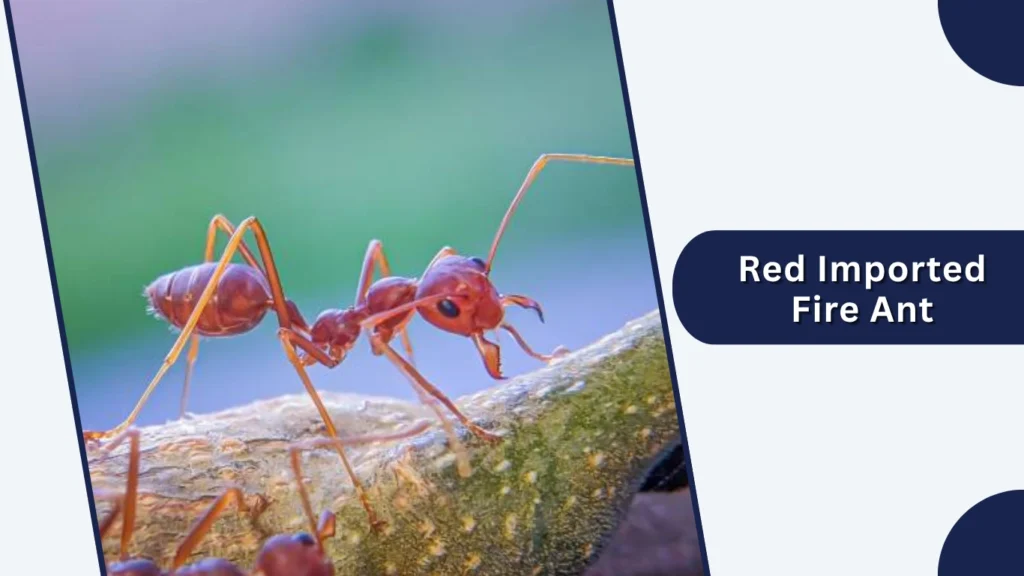
Red Imported Fire Ants are highly aggressive ants originally native to South America. They have spread widely across warm regions and are famous for their painful stings and large colonies. These ants build noticeable soil mounds and quickly attack when disturbed. Their adaptable nature allows them to survive in gardens, lawns, farms, and urban environments throughout many tropical and subtropical areas worldwide.
Identification
- Reddish-brown body with darker abdomen
- Worker ants measure 2–6 mm long
- Two-segmented club on antennae
- Creates dome-shaped dirt mounds
- Aggressive swarming behavior when threatened
Habitat
Red Imported Fire Ants prefer sunny outdoor areas with loose soil and moisture. They commonly nest in lawns, parks, agricultural fields, roadsides, and gardens. Their colonies expand rapidly in warm climates and disturbed habitats. These ants can survive floods by forming floating rafts, making them highly adaptable to changing environmental conditions.
Behavior
These ants are extremely defensive and attack in large groups when their nest is disturbed. They bite the skin to anchor themselves before delivering repeated venomous stings. Colonies contain thousands of workers and sometimes multiple queens. Their aggressive nature helps them dominate territory and outcompete many native ant species in invaded regions.
Diet
Red Imported Fire Ants are omnivorous and consume both plant and animal materials. Their diet includes insects, seeds, fruits, nectar, and small vertebrates. They also scavenge dead animals and human food waste. Their flexible feeding habits allow colonies to thrive in different environments while supporting rapid population growth and colony expansion.
Why They Are Dangerous
These ants are dangerous because their venomous stings cause intense burning pain and itchy pustules. Some people may experience severe allergic reactions requiring medical treatment. Large infestations can harm wildlife, pets, crops, and young animals. They also damage electrical equipment by nesting inside machinery, utility boxes, and air conditioning systems.
2. Black Imported Fire Ant
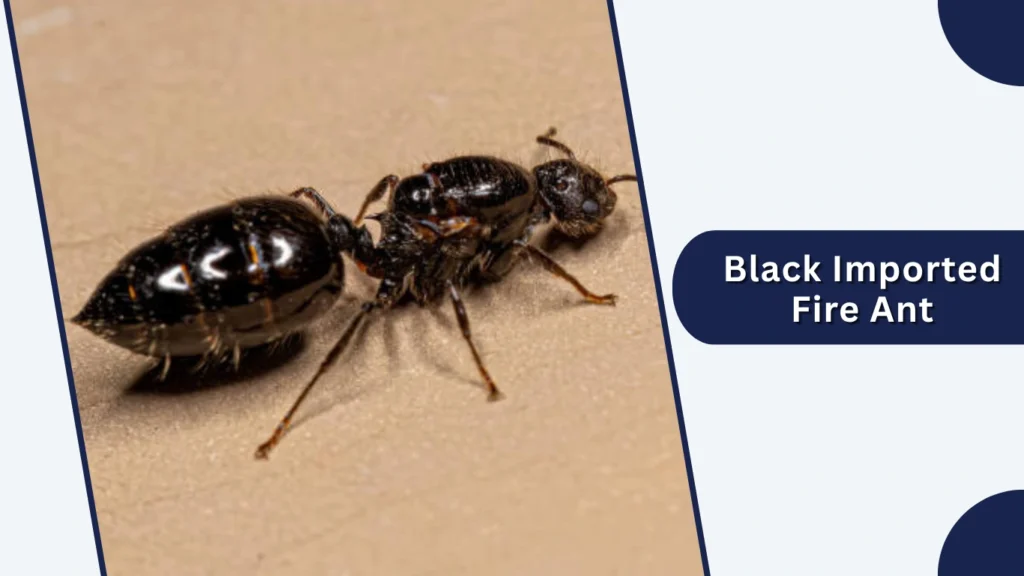
Black Imported Fire Ants are a less commonly known but still aggressive fire ant species. They are closely related to other imported fire ants and are found in warm regions where soil conditions are suitable. These ants form large colonies and can deliver painful stings. Although their appearance is darker than the red species, their behavior and ecological impact are similarly invasive and disruptive to local ecosystems.
Identification
- Dark brown to black body color
- Worker size ranges from 2–5 mm
- Segmented antennae with a distinct club
- Build loose, soil-based mound nests
- Aggressive response when colony is disturbed
Habitat
Black Imported Fire Ants are usually found in warm, humid environments such as grasslands, agricultural fields, gardens, and roadside areas. They prefer loose, well-drained soil that allows easy nesting. Colonies can spread rapidly in disturbed environments where food sources are abundant and competition from native ants is low.
Behavior
These ants are highly defensive and will quickly swarm intruders. They bite and then sting repeatedly, injecting venom that causes irritation and swelling. Colonies can contain thousands of workers and may have multiple queens, allowing fast expansion. They are known for strong colony coordination and territorial aggression.
Diet
Black Imported Fire Ants feed on a wide range of food sources, including insects, plant material, seeds, and sugary substances. They also scavenge dead animals and human food waste. Their opportunistic feeding behavior helps them survive in diverse environments and maintain large, growing colonies throughout the year.
Why They Are Dangerous
Their stings are painful and can cause allergic reactions in sensitive individuals. Heavy infestations may damage crops, disturb soil ecosystems, and affect livestock and pets. They can also interfere with outdoor activities and reduce biodiversity by outcompeting native ant species in invaded regions.
3. Southern Fire Ant
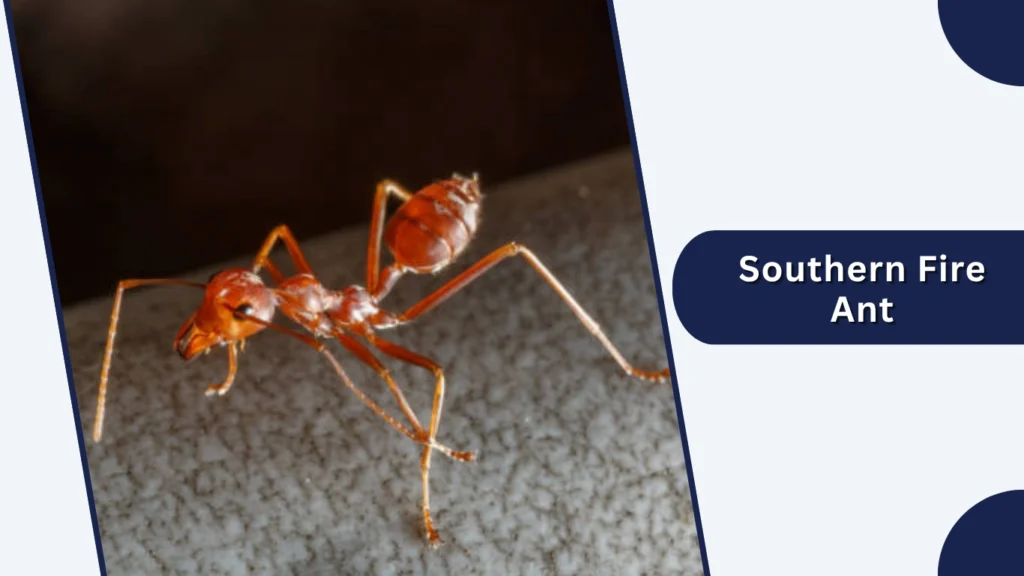
Southern Fire Ants are a common fire ant species found mainly in warm, humid regions. They are less widely invasive than some imported species but still capable of forming large colonies and delivering painful stings. These ants often live in disturbed soils and natural habitats, where they build loose mounds and forage aggressively for food. Their presence can affect both agriculture and local ecosystems.
Identification
- Reddish-brown to dark brown coloration
- Small workers about 2–5 mm long
- Elbowed antennae with a 2-segmented club
- Irregular soil mounds without clear structure
- Quick, aggressive response to disturbance
Habitat
Southern Fire Ants are typically found in forests, grasslands, gardens, and farmland. They prefer warm climates with moist soil but can also survive in drier regions. Their nests are often hidden under debris, rocks, or soil, making them less visible compared to more structured mound-building fire ants.
Behavior
These ants are highly territorial and will defend their nests aggressively. When disturbed, they swarm quickly and deliver painful stings. Colonies can grow large, often containing multiple queens, which helps them expand rapidly. Their coordinated attacks make them difficult to control in infested areas.
Diet
Southern Fire Ants are omnivorous and feed on insects, seeds, nectar, and organic matter. They also scavenge dead insects and food scraps. Their flexible diet allows them to adapt to different environments and maintain stable colony growth throughout the year.
Why They Are Dangerous
Their stings cause burning pain, swelling, and irritation. In some cases, allergic reactions may occur. Large infestations can harm crops, disrupt outdoor activities, and reduce native insect populations. They may also become a nuisance in homes and gardens when food sources are nearby.
4. Tropical Fire Ant
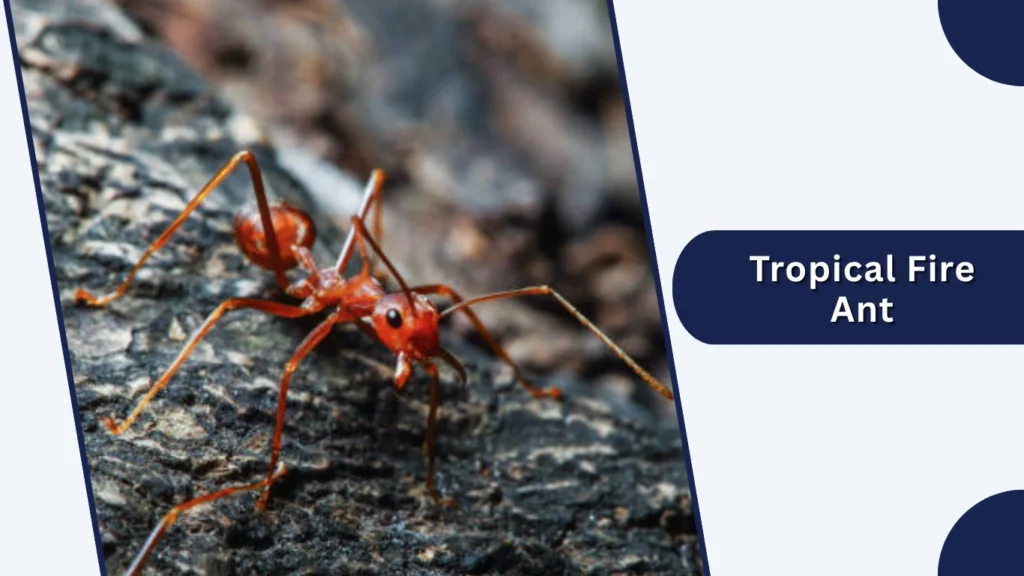
Tropical Fire Ants are a widespread species found in warm, humid tropical regions. They are known for their aggressive behavior, fast colony expansion, and painful stings. These ants often thrive in natural forests as well as disturbed human environments. Their ability to adapt to various habitats makes them a persistent pest in agricultural and residential areas across tropical climates.
Identification
- Yellowish-brown to reddish body color
- Small workers around 2–4 mm long
- Antennae with a distinct two-segmented club
- Loose, irregular soil nests or hidden colonies
- Rapid swarming when disturbed
Habitat
Tropical Fire Ants prefer warm, moist environments such as rainforests, gardens, plantations, and riverbanks. They often nest in soil, leaf litter, or under logs and stones. Their colonies spread quickly in tropical climates where food and humidity levels are high throughout most of the year.
Behavior
These ants are highly aggressive and defend their nests in large numbers. When threatened, they bite and sting repeatedly, causing immediate pain and irritation. Colonies can contain multiple queens, allowing rapid reproduction and expansion. Their strong territorial instincts help them dominate other small insect species in their environment.
Diet
Tropical Fire Ants are omnivorous, feeding on insects, plant nectar, seeds, and decaying organic matter. They also scavenge human food waste when available. Their flexible feeding habits allow them to survive in both natural ecosystems and human-dominated landscapes.
Why They Are Dangerous
Their stings cause sharp burning pain, swelling, and itching. Some individuals may experience allergic reactions. In large numbers, they can damage crops, disrupt ecosystems, and become a serious nuisance in homes and farms located in tropical regions.
5. Desert Fire Ant
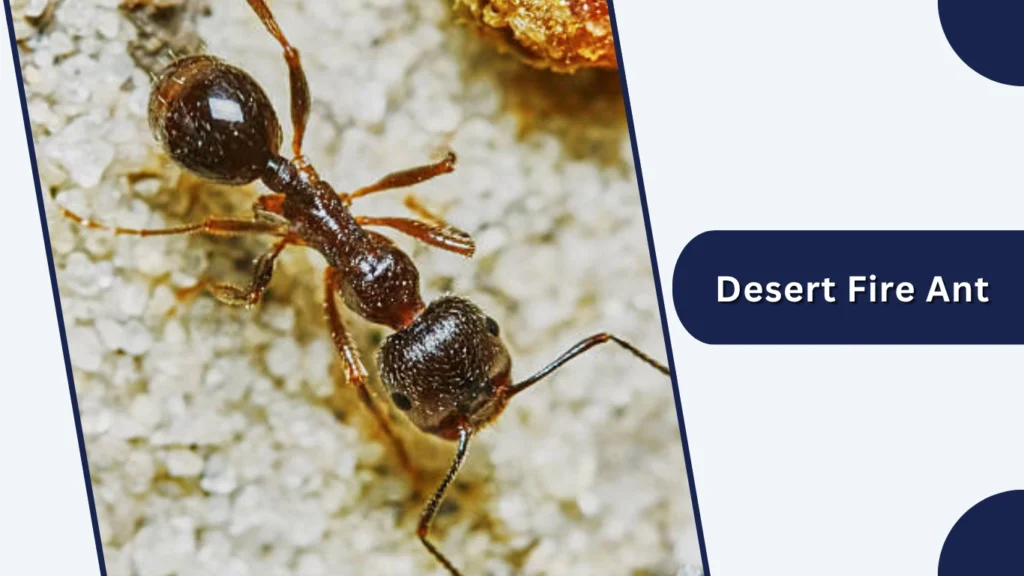
Desert Fire Ants are a heat-adapted species found in dry, arid regions. They are well known for surviving extreme temperatures and scarce water conditions. Despite harsh environments, they form stable colonies and remain highly aggressive when disturbed. Their ability to thrive in deserts makes them an important ecological insect but also a potential nuisance in human settlements near dry landscapes.
Identification
- Light brown to reddish-tan body color
- Small workers about 2–4 mm long
- Long legs adapted for hot ground movement
- Simple soil nests in dry sand or compact soil
- Fast, aggressive swarming behavior
Habitat
Desert Fire Ants are commonly found in deserts, semi-deserts, and dry grasslands. They build nests in sandy soil, often under rocks or sparse vegetation. These ants are highly tolerant of heat and can remain active during hot daylight hours when many other insects are inactive.
Behavior
These ants are extremely defensive and quickly attack when their nest is disturbed. They use coordinated swarming tactics, biting and stinging intruders. Their colonies are smaller compared to tropical species but are highly efficient and well adapted to survival in harsh desert environments.
Diet
Desert Fire Ants are omnivores, feeding on small insects, seeds, plant material, and dead organic matter. They also scavenge food scraps when available. Their flexible diet helps them survive in environments where food sources are limited and unpredictable.
Why They Are Dangerous
Their stings are painful and can cause swelling and irritation. In desert settlements, they may invade homes and outdoor areas in search of food and water. Large infestations can disrupt local ecosystems and pose risks to humans and animals living in arid regions.
6. Native Fire Ant
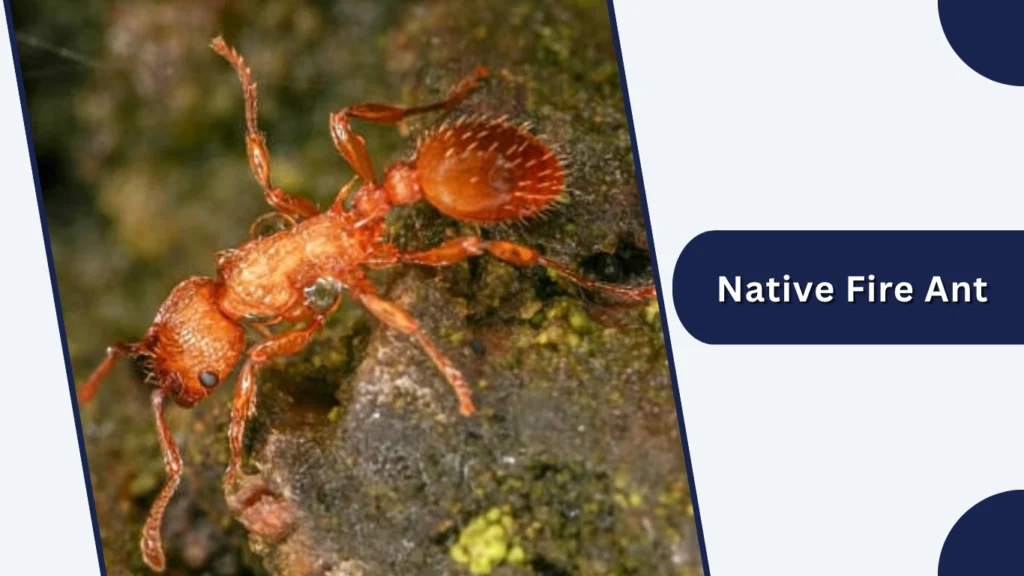
Native Fire Ants are naturally occurring fire ants found in various ecosystems without being introduced by human activity. Unlike invasive fire ant species, they are usually less destructive but still capable of delivering painful stings. These ants play an important ecological role in soil aeration and pest control, although they can become aggressive when their nests are disturbed.
Identification
- Dark reddish-brown body color
- Small workers about 2–5 mm long
- Clearly segmented antennae with club
- Small, less noticeable soil mounds
- Defensive but less aggressive than invasive species
Habitat
Native Fire Ants are found in forests, grasslands, gardens, and natural landscapes. They prefer undisturbed soil and areas with moderate moisture. Their nests are often hidden under rocks, logs, or leaf litter, making them less visible compared to invasive fire ant species that build large mounds.
Behavior
These ants are moderately aggressive and will defend their colony if threatened. They sting when necessary, but attacks are usually less intense and less coordinated than invasive fire ants. Colonies are typically smaller and more stable, with slower expansion rates in natural environments.
Diet
Native Fire Ants are omnivorous and feed on insects, plant material, nectar, and decaying organic matter. They also help control pest populations by preying on small insects. Their balanced diet supports ecosystem health and contributes to natural nutrient cycling in soil.
Why They Are Dangerous
Their stings can still cause pain, redness, and mild swelling. However, they are generally less harmful than invasive fire ants. Problems usually arise when nests are disturbed near human activity, gardens, or walking areas, where accidental contact can lead to multiple stings.
7. Golden Fire Ant
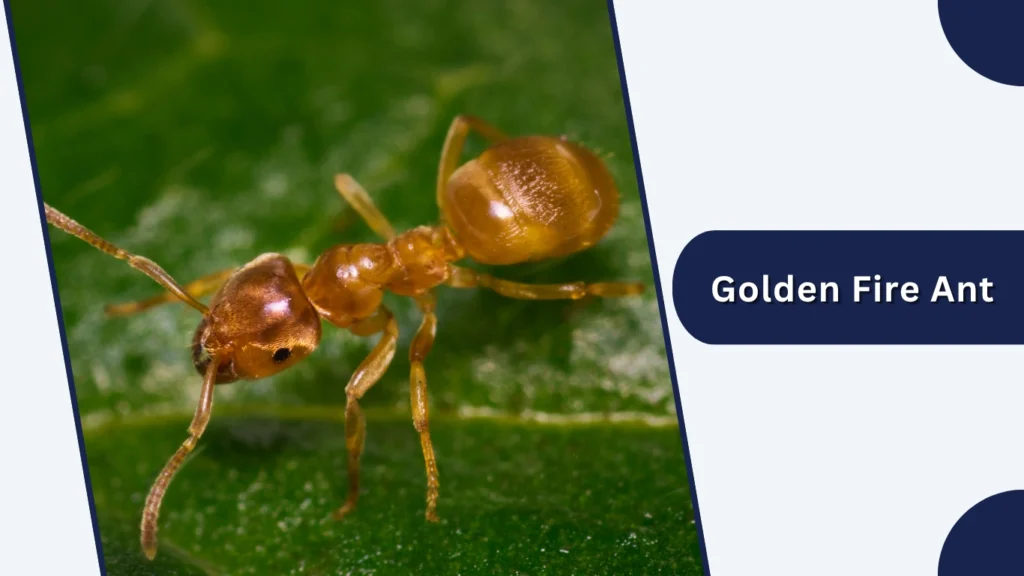
Golden Fire Ants are a lesser-known fire ant species recognized by their lighter golden or yellowish coloration. They are typically found in warm regions and are moderately aggressive when their colonies are disturbed. While not as invasive as red imported fire ants, they can still form sizable colonies and deliver painful stings. Their presence is more common in natural habitats than urban environments.
Identification
- Golden-yellow to light brown body color
- Small workers around 2–4 mm long
- Antennae with a distinct two-segment club
- Small, loose soil nests
- Moderate defensive swarming behavior
Habitat
Golden Fire Ants prefer warm, dry to moderately humid environments such as grasslands, sandy soils, open fields, and forest edges. They often nest under rocks, leaf litter, or shallow soil layers. Their colonies are usually well hidden and less visually noticeable compared to mound-building invasive fire ants.
Behavior
These ants are defensive but less aggressive than imported fire ant species. When disturbed, they may sting in small groups rather than large coordinated swarms. Colonies are generally smaller and expand at a slower rate, making them less dominant in competitive ecosystems.
Diet
Golden Fire Ants are omnivorous, feeding on small insects, seeds, nectar, and decaying organic matter. They also scavenge food remains when available. Their flexible diet allows them to survive in varied environments but they are not as highly adaptive as more invasive fire ant species.
Why They Are Dangerous
Their stings cause localized pain, itching, and mild swelling. While not usually dangerous to healthy adults, they can still cause discomfort and allergic reactions in sensitive individuals. Problems mainly occur when nests are disturbed in outdoor recreational or agricultural areas.
8. Thief Fire Ant
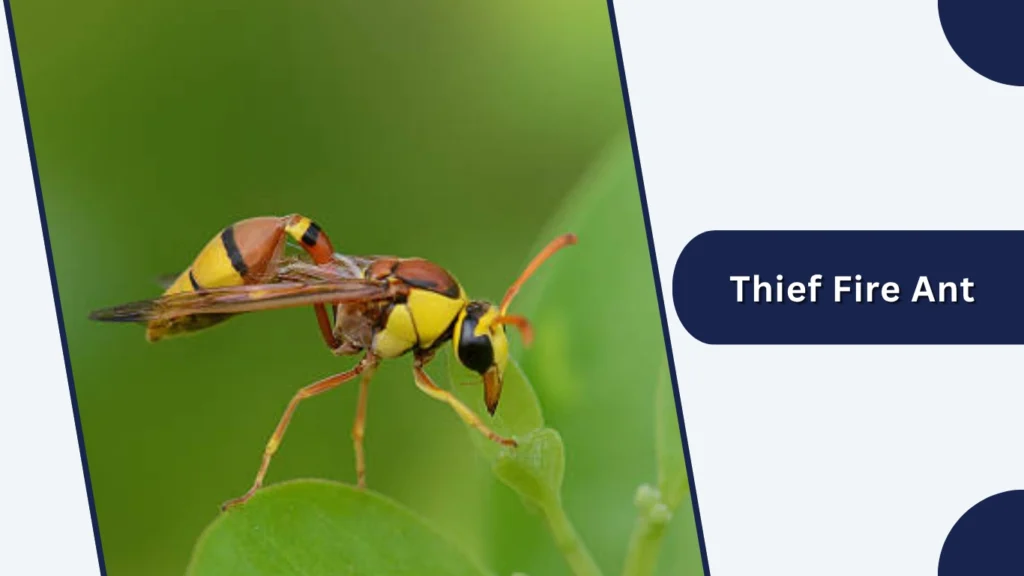
Thief Fire Ants are a very small fire ant species known for their unusual habit of stealing food and larvae from other ant colonies. They are highly adaptive and often live near larger ant species, taking advantage of their resources. Despite their tiny size, they can form large colonies and occasionally sting, although their stings are generally less painful than those of larger fire ants.
Identification
- Very small body size (about 1–2 mm)
- Yellowish to light brown coloration
- Antennae with a two-segmented club
- Tiny, hidden nests in soil cracks or walls
- Sneaky movement near other ant colonies
Habitat
Thief Fire Ants are commonly found in soil, under rocks, inside rotting wood, and even in buildings. They prefer to nest close to other ant species, especially larger colonies, so they can easily steal food and brood. They thrive in warm climates and disturbed environments.
Behavior
These ants are opportunistic and stealthy. Instead of direct confrontation, they invade nearby colonies to steal food and larvae. They may sting if threatened, but their main survival strategy is theft and avoidance. Colonies can spread through very small spaces, making them difficult to control.
Diet
Thief Fire Ants feed on stolen larvae, insect remains, seeds, and sugary substances. They also scavenge human food waste when available. Their diet heavily depends on raiding other ants, which makes them unique among fire ant species.
Why They Are Dangerous
Their stings are mild but can still cause irritation in sensitive individuals. The bigger issue is their ability to infiltrate buildings and disrupt other ant populations. In large numbers, they can become a persistent household nuisance and contaminate food sources.
9. Little Fire Ant
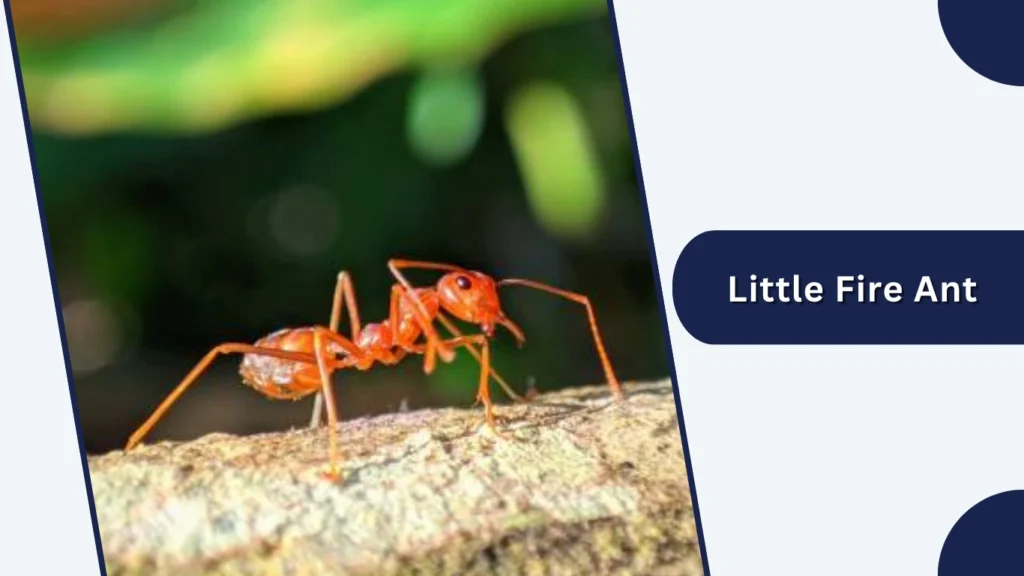
Little Fire Ants are a tiny but highly problematic invasive species known for their painful stings despite their small size. They are originally from Central and South America but have spread to many tropical and subtropical regions. These ants are especially troublesome in agricultural areas, homes, and natural ecosystems because they form supercolonies and can quickly dominate other insect populations.
Identification
- Very small size (about 1–2 mm)
- Light yellow to orange-brown color
- Slow movement compared to larger fire ants
- Antennae with two-segmented club
- Nest in soil, trees, and vegetation
Habitat
Little Fire Ants are commonly found in humid tropical environments such as rainforests, plantations, gardens, and coastal areas. Unlike many fire ants, they often live in trees and shrubs as well as soil. They spread easily through plant material, making them a major agricultural pest.
Behavior
These ants are slow-moving but extremely persistent. They do not need large numbers to attack; even a few ants can sting repeatedly. Colonies can form supercolonies with multiple queens, allowing rapid expansion. They often invade homes, climbing onto food, furniture, and even people.
Diet
Little Fire Ants feed on small insects, honeydew from aphids, nectar, and food scraps. They are also known to tend sap-sucking insects for sugary secretions. Their ability to exploit many food sources helps them thrive in both natural and human environments.
Why They Are Dangerous
Their sting is small but very painful and causes burning, itching, and long-lasting skin irritation. They can also cause eye problems in pets and humans if they fall from trees. Their aggressive spread makes them a serious ecological and agricultural pest in many tropical regions.
10. Electric Fire Ant
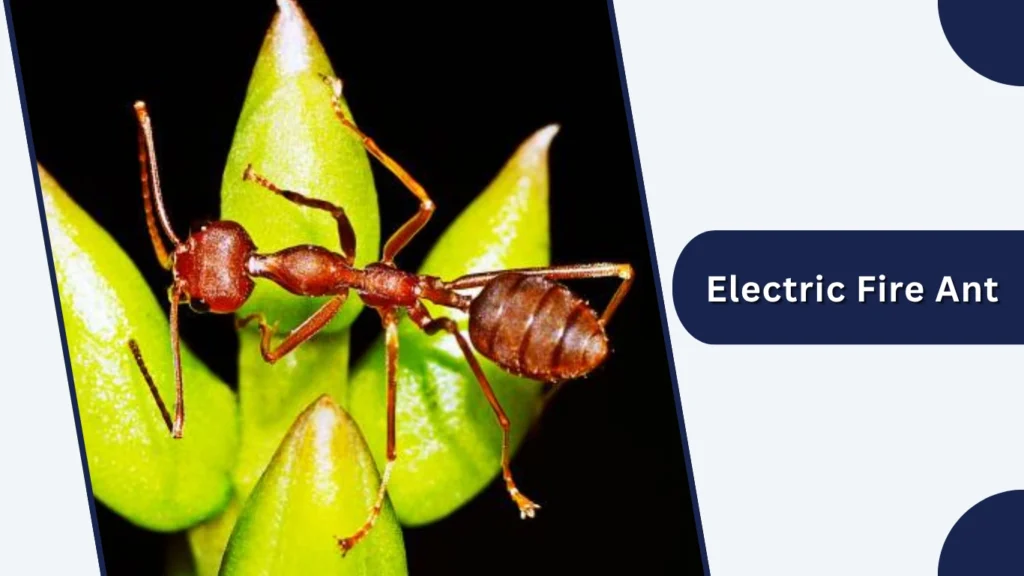
Electric Fire Ants are a highly aggressive fire ant type known for their extremely painful stings that feel like an electric shock. They are typically found in warm climates and are capable of forming dense colonies. These ants are not widely studied compared to major invasive species, but they are recognized for their strong defensive behavior and ability to quickly overwhelm intruders.
Identification
- Dark reddish-brown to black body
- Small workers around 2–5 mm long
- Segmented antennae with clubbed end
- Compact soil mounds in hidden areas
- Rapid, coordinated defensive attacks
Habitat
Electric Fire Ants prefer warm, humid environments such as grasslands, forest edges, gardens, and agricultural fields. They often nest in moist soil under rocks, logs, or leaf litter. Their colonies are usually well concealed, making them difficult to detect until disturbed.
Behavior
These ants are highly defensive and respond instantly to threats. When their nest is disturbed, they swarm aggressively and deliver multiple stings in a short time. Their coordinated attack strategy allows them to protect their colony efficiently, even against larger animals or humans.
Diet
Electric Fire Ants are omnivorous, feeding on small insects, plant nectar, seeds, and decaying organic matter. They also scavenge human food waste when available. Their flexible diet helps them survive in both natural ecosystems and disturbed human environments.
Why They Are Dangerous
Their stings are extremely painful and can cause burning sensations, swelling, and allergic reactions. Multiple stings may occur in seconds during an attack. In large colonies, they can disrupt outdoor activities, harm small animals, and become a serious nuisance in residential areas.
11. Tropical Red Fire Ant
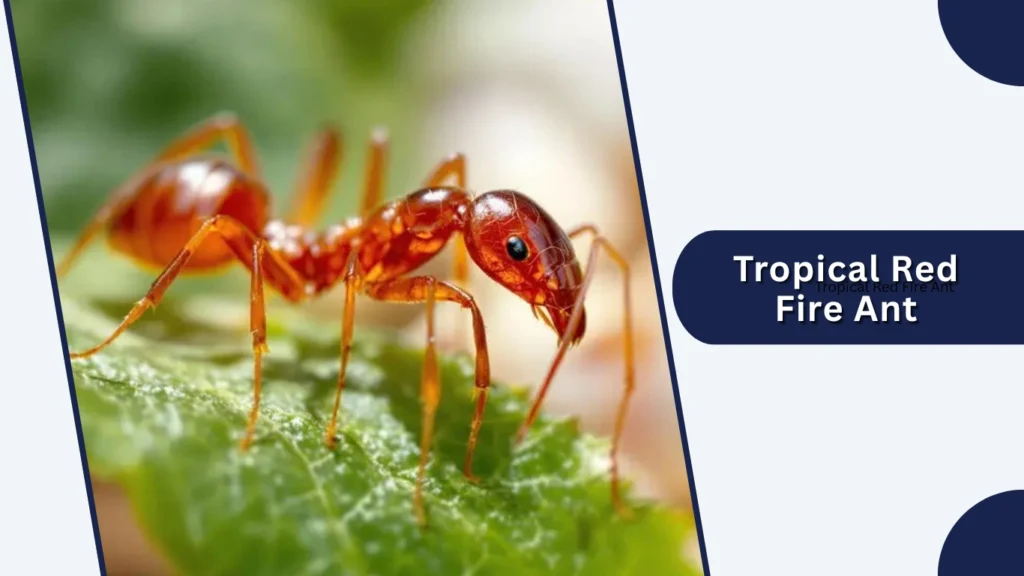
Tropical Red Fire Ants are a highly active fire ant species found in warm tropical regions. They are known for their aggressive defense, fast colony growth, and painful stings. These ants often thrive in both natural forests and human-modified landscapes. Their adaptability and rapid reproduction make them a persistent pest in agriculture, gardens, and rural settlements across tropical climates.
Identification
- Bright reddish to reddish-brown body
- Small workers about 2–5 mm long
- Antennae with a clear two-segmented club
- Dome-shaped or loose soil mounds
- Fast and aggressive swarming behavior
Habitat
Tropical Red Fire Ants are commonly found in rainforests, plantations, riverbanks, and gardens. They prefer warm, moist soil but can also survive in disturbed urban environments. Their nests are often built in open sunny areas where temperature and humidity support rapid colony growth.
Behavior
These ants are extremely defensive and will immediately attack when disturbed. They swarm in large numbers, biting and stinging repeatedly. Colonies may contain multiple queens, which allows them to expand quickly and dominate surrounding insect populations. Their aggression makes them difficult to control in infested areas.
Diet
Tropical Red Fire Ants are omnivorous and feed on insects, seeds, nectar, and decaying organic matter. They also scavenge food waste from human environments. Their flexible diet helps them survive in diverse habitats and maintain large, stable colonies year-round.
Why They Are Dangerous
Their stings cause intense burning pain, swelling, and irritation. In sensitive individuals, allergic reactions may occur. Large infestations can damage crops, reduce biodiversity, and make outdoor spaces unsafe for people and animals.
12. Caribbean Fire Ant
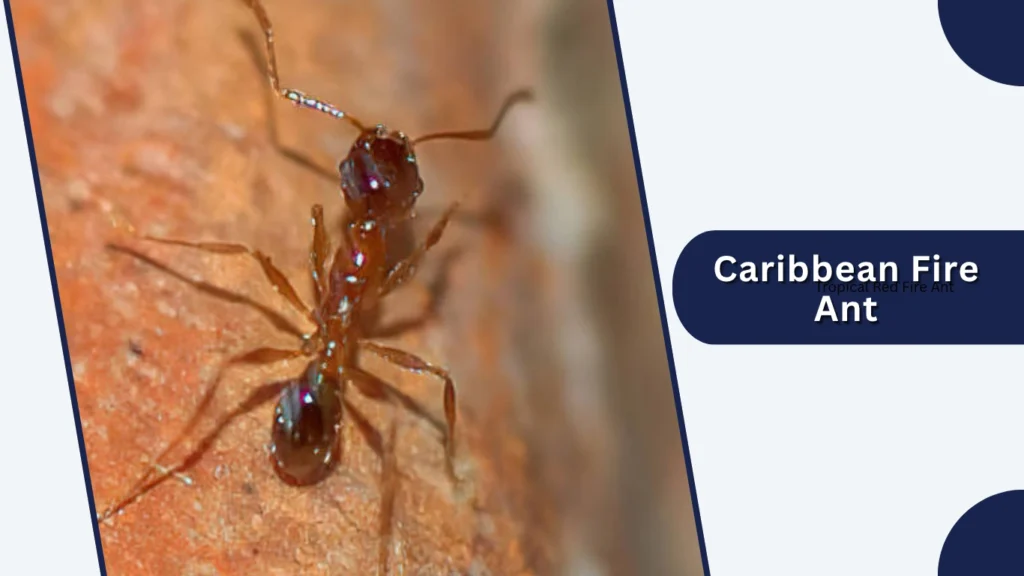
Caribbean Fire Ants are a fire ant species commonly found across island and coastal tropical regions. They are known for their adaptability to humid climates and their ability to establish colonies in both natural and human-made environments. While not as globally invasive as the red imported fire ant, they can still form large populations and deliver painful stings when their nests are disturbed.
Identification
- Reddish-brown to dark brown body
- Small workers about 2–5 mm long
- Antennae with a two-segmented club
- Small soil mounds or hidden nests
- Quick defensive swarming behavior
Habitat
Caribbean Fire Ants are typically found in coastal areas, tropical forests, gardens, plantations, and urban green spaces. They prefer warm, humid environments and often nest in sandy or loose soil. Their colonies may also be found under stones, logs, or debris in island ecosystems.
Behavior
These ants are highly defensive and react quickly to threats. When disturbed, they swarm in groups and sting repeatedly. Colonies may contain multiple queens, allowing them to spread efficiently across suitable habitats. Their behavior helps them compete successfully in island ecosystems with limited resources.
Diet
Caribbean Fire Ants are omnivores, feeding on small insects, plant nectar, seeds, and organic waste. They also scavenge human food leftovers when available. Their flexible feeding habits allow them to survive in both natural and urban environments across tropical islands.
Why They Are Dangerous
Their stings cause sharp burning pain, itching, and swelling. In some cases, allergic reactions can occur. They may also disturb outdoor activities, damage crops, and become a nuisance in residential areas, especially in warm coastal regions where they thrive year-round.
13. South American Fire Ant
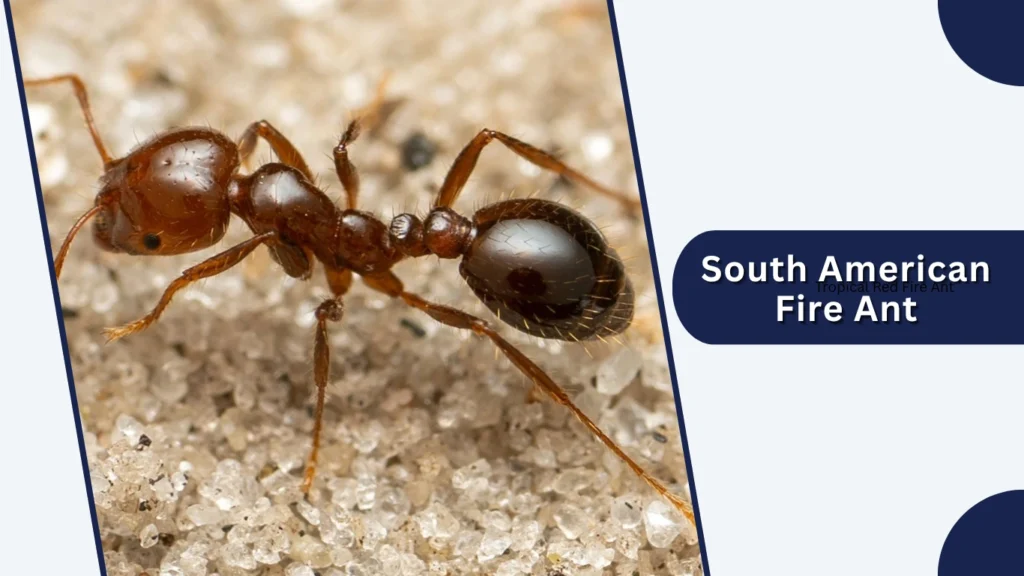
South American Fire Ants are native fire ants found across many regions of South America. They are considered one of the ancestral groups of fire ants from which several invasive species evolved. These ants are highly adaptable and form large colonies in tropical environments. While they play a natural role in ecosystems, they can still deliver painful stings and become aggressive when disturbed.
Identification
- Reddish-brown to dark brown coloration
- Workers typically 2–6 mm in size
- Antennae with a two-segmented club
- Loose soil mounds or hidden underground nests
- Defensive swarming when colony is threatened
Habitat
South American Fire Ants are found in rainforests, grasslands, savannas, agricultural fields, and riverbanks. They prefer warm, humid climates with soft soil for nesting. Their colonies are often built underground or under natural cover such as logs, rocks, and leaf litter.
Behavior
These ants are territorial and will aggressively defend their nest when disturbed. They sting in groups and can cause significant pain. Colonies may include multiple queens, allowing steady population growth. However, they are generally less invasive compared to introduced fire ant species in other continents.
Diet
South American Fire Ants are omnivores, feeding on insects, seeds, nectar, and decaying organic matter. They also play a role in controlling pest insects in natural ecosystems. Their varied diet helps them adapt to different environmental conditions.
Why They Are Dangerous
Their stings cause burning pain, redness, and swelling. In some individuals, allergic reactions may occur. While they are important in nature, they can become problematic in agricultural areas or human settlements where their nests are disturbed frequently.
14. Argentine Fire Ant
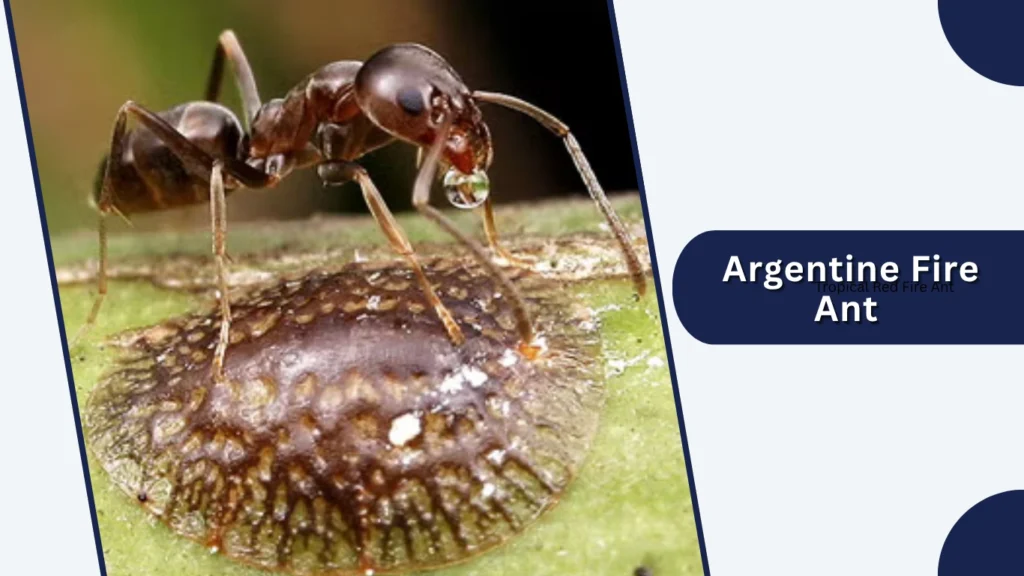
Argentine Fire Ants are a highly invasive species originally native to South America, particularly Argentina. They are known for forming massive supercolonies that can spread across large geographic areas. Unlike many fire ants, they cooperate between nests, allowing them to dominate ecosystems and displace native insects. They are a major agricultural and ecological pest in many countries.
Identification
- Light to dark brown body color
- Small workers about 2–3 mm long
- Smooth, uniform appearance with no spines
- Antennae with a two-segmented club
- Very dense, active trail movement
Habitat
Argentine Fire Ants thrive in warm, moist environments such as riverbanks, farmlands, gardens, urban areas, and coastal regions. They prefer disturbed soil and human-modified landscapes. Their nests are shallow and often interconnected, forming extensive underground networks.
Behavior
These ants are highly cooperative and form supercolonies with no clear boundaries between nests. They are not as individually aggressive as some fire ants but become a major ecological threat due to their overwhelming numbers. They displace native ant species and dominate food resources efficiently.
Diet
Argentine Fire Ants feed on sugary substances, honeydew from insects, dead insects, seeds, and food waste. They strongly depend on aphid secretions, which they actively protect and farm. Their flexible diet helps them thrive in both natural and urban environments.
Why They Are Dangerous
They can bite and sting, causing irritation and discomfort, especially in large numbers. Their biggest threat is ecological disruption, as they reduce biodiversity and impact agriculture. They also invade homes and food supplies, making them a persistent nuisance in infested regions.
15. Large Fire Ant
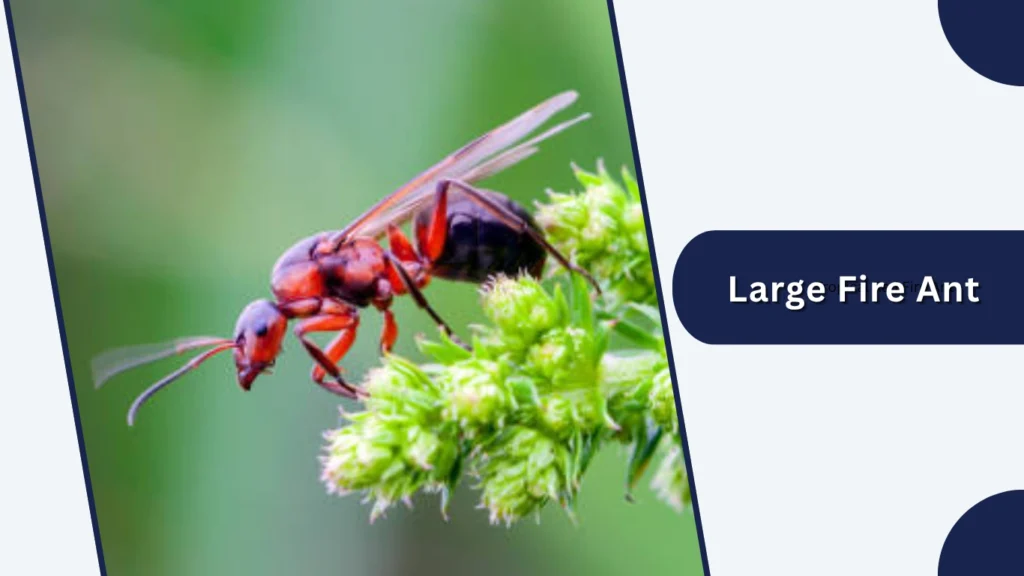
Large Fire Ants are a robust fire ant species known for their bigger body size compared to most other fire ants. They are typically found in warm climates and can form moderately large colonies. Although not as globally invasive as some species, they are still aggressive when disturbed and capable of delivering painful stings.
Identification
- Dark reddish-brown to black body
- Larger workers (about 4–8 mm long)
- Strongly segmented antennae with club
- Prominent, noticeable soil mounds
- Slow but firm defensive response
Habitat
Large Fire Ants are found in grasslands, forests, agricultural fields, and garden areas. They prefer warm, slightly moist soil but can also survive in drier regions. Their nests are usually deeper and more structured compared to smaller fire ant species.
Behavior
These ants are territorial and will defend their colony when threatened. They do not always swarm as quickly as smaller fire ants, but their larger size makes each sting more painful. Colonies are typically organized with one or more queens and expand steadily over time.
Diet
Large Fire Ants are omnivorous and feed on insects, plant matter, nectar, seeds, and carrion. They also scavenge food waste when available. Their strong mandibles allow them to handle a wide variety of food sources effectively.
Why They Are Dangerous
Their stings are more painful due to their larger size and stronger venom delivery. They can cause swelling, burning sensations, and allergic reactions in sensitive individuals. In rural areas, they may disturb farming activities and occasionally invade homes in search of food.
16. Small Fire Ant

Small Fire Ants are a common fire ant type characterized by their tiny body size and widespread presence in warm regions. Despite their small size, they can form large colonies and become aggressive when disturbed. They are often found in gardens, fields, and urban areas, where they can cause discomfort to humans and animals through repeated stings.
Identification
- Light brown to reddish body color
- Very small size (about 2–3 mm)
- Antennae with a clear two-segment club
- Small, low-profile soil nests
- Quick and scattered movement patterns
Habitat
Small Fire Ants are found in lawns, agricultural fields, gardens, and roadside soil. They prefer warm, slightly moist environments but can also survive in dry areas. Their nests are often shallow and hidden, making them difficult to detect until disturbed.
Behavior
These ants are highly active and will defend their colony when threatened. They do not always swarm in large coordinated groups, but they can sting repeatedly when provoked. Colonies are usually large and may include multiple queens, helping them spread quickly.
Diet
Small Fire Ants are omnivores, feeding on insects, nectar, seeds, and organic waste. They also scavenge human food scraps when available. Their flexible diet allows them to survive in both natural ecosystems and human environments.
Why They Are Dangerous
Their stings cause burning pain, itching, and skin irritation. Although each ant is small, multiple stings can be very uncomfortable. In large numbers, they can become a nuisance in homes, gardens, and farms, especially in warm climates where they thrive.
17. Yellow Fire Ant
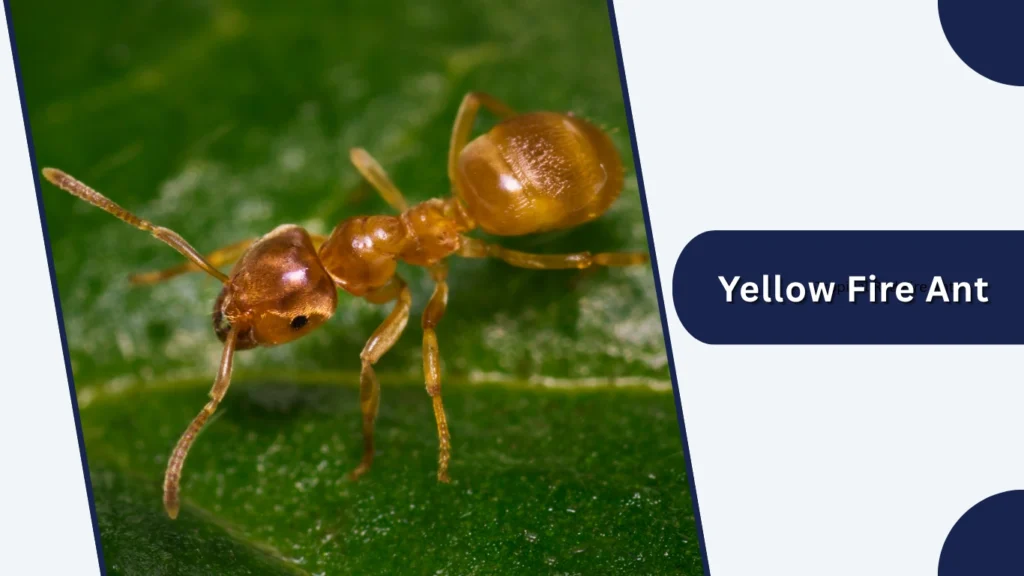
Yellow Fire Ants are a light-colored fire ant species commonly found in warm, sandy environments. They are less aggressive than many dark-colored fire ants but can still sting when their colony is disturbed. Their pale coloration helps them blend into dry soils, making their nests harder to detect in open landscapes and agricultural areas.
Identification
- Yellow to pale golden body color
- Small workers about 2–4 mm long
- Antennae with a two-segmented club
- Small, shallow soil nests in sandy areas
- Mild to moderate defensive behavior
Habitat
Yellow Fire Ants are commonly found in deserts, dry grasslands, coastal dunes, and sandy agricultural soils. They prefer loose, well-drained soil where they can easily build underground nests. Their colonies are often hidden beneath sand or sparse vegetation.
Behavior
These ants are moderately defensive and will sting if their nest is disturbed. They are not as aggressive as red imported fire ants but can still act in groups when threatened. Colonies are usually smaller and spread gradually in suitable environments.
Diet
Yellow Fire Ants are omnivorous, feeding on small insects, seeds, nectar, and decaying organic material. They also scavenge food waste when available. Their diet allows them to survive in dry and nutrient-limited environments.
Why They Are Dangerous
Their stings can cause mild pain, redness, and irritation. While generally less harmful than other fire ants, they can still be a nuisance in large numbers. In sandy outdoor areas, accidental contact with nests may result in multiple stings.
18. Dark Fire Ant
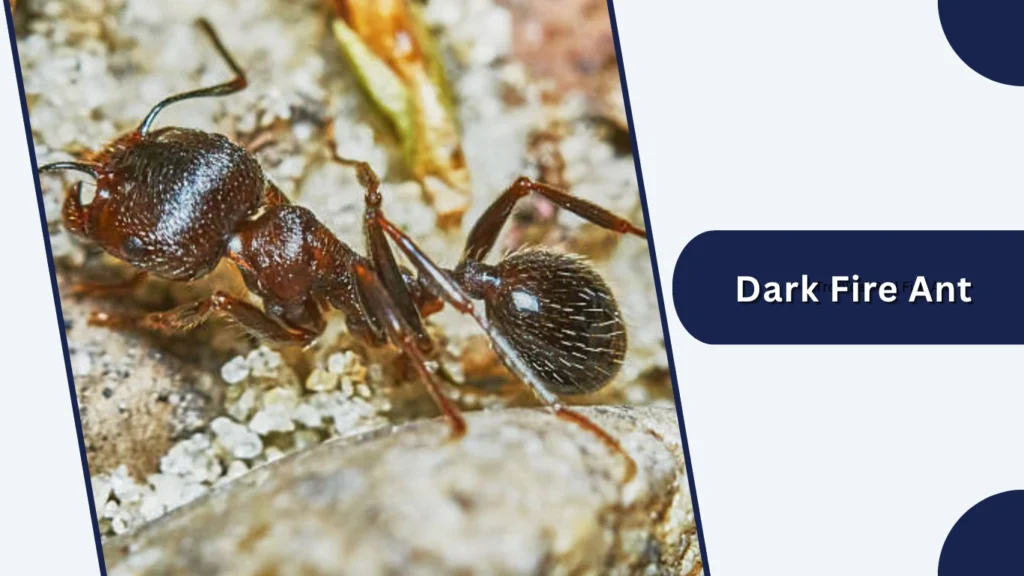
Dark Fire Ants are a fire ant type recognized for their deep brown to nearly black coloration. They are commonly found in warm regions and are moderately aggressive when defending their colonies. These ants often build hidden nests in soil or under debris, making them less visible but still capable of delivering painful stings when disturbed.
Identification
- Dark brown to black body color
- Small workers about 2–5 mm long
- Antennae with a two-segmented club
- Hidden soil nests under rocks or logs
- Quick defensive reaction when disturbed
Habitat
Dark Fire Ants are found in forests, grasslands, gardens, and agricultural areas. They prefer warm environments with moist or loose soil. Their nests are often concealed under leaf litter, stones, or decaying wood, which helps protect the colony from predators and environmental changes.
Behavior
These ants are moderately aggressive and will defend their nest when threatened. They can sting repeatedly and may attack in small groups. Colonies are usually well organized and may contain multiple queens, allowing steady growth and survival in changing environments.
Diet
Dark Fire Ants are omnivores, feeding on insects, seeds, nectar, and decaying organic matter. They also scavenge dead insects and food waste. Their flexible diet helps them adapt to different habitats and maintain stable colonies throughout the year.
Why They Are Dangerous
Their stings cause burning pain, swelling, and irritation. In some individuals, allergic reactions may occur. Although not the most aggressive fire ants, they can still become a nuisance in homes, gardens, and farmland when nests are disturbed frequently.
19. Coastal Fire Ant
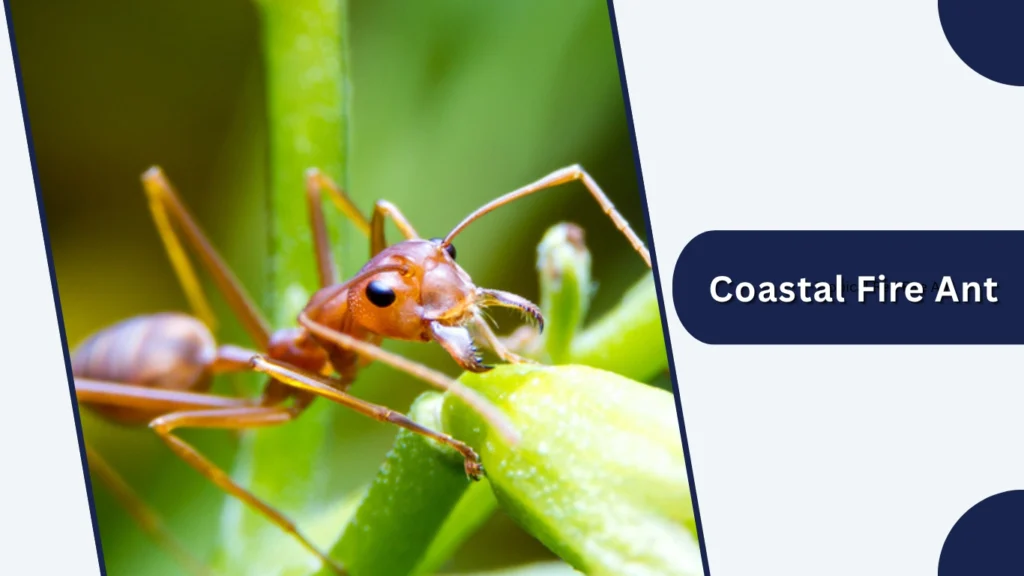
Coastal Fire Ants are a fire ant species commonly found in shoreline and coastal environments. They are adapted to sandy soils, salty air, and humid conditions near oceans and rivers. These ants can form stable colonies in difficult coastal habitats and are known for moderate aggression and painful stings when disturbed.
Identification
- Reddish-brown to light brown body color
- Small workers about 2–4 mm long
- Antennae with a two-segmented club
- Nests in sandy soil near coasts
- Quick defensive movement when disturbed
Habitat
Coastal Fire Ants are typically found in beaches, dunes, mangrove edges, riverbanks, and coastal grasslands. They prefer loose, sandy soil that allows easy digging and drainage. Their nests are often hidden under sand, driftwood, or vegetation close to water sources.
Behavior
These ants are moderately aggressive and will defend their colony when threatened. They may sting in small groups and react quickly to disturbances. Colonies are usually well adapted to shifting sandy environments and can survive flooding or soil movement common in coastal regions.
Diet
Coastal Fire Ants are omnivores, feeding on small insects, seeds, nectar, and organic debris. They also scavenge food washed up along shorelines. Their flexible diet helps them survive in environments where food availability can change with tides and weather.
Why They Are Dangerous
Their stings cause burning pain, redness, and irritation. In coastal recreational areas, they can disturb tourists and outdoor activities. Large colonies may also impact local wildlife and become a nuisance in beachside homes or resorts.
20. Forest Fire Ant
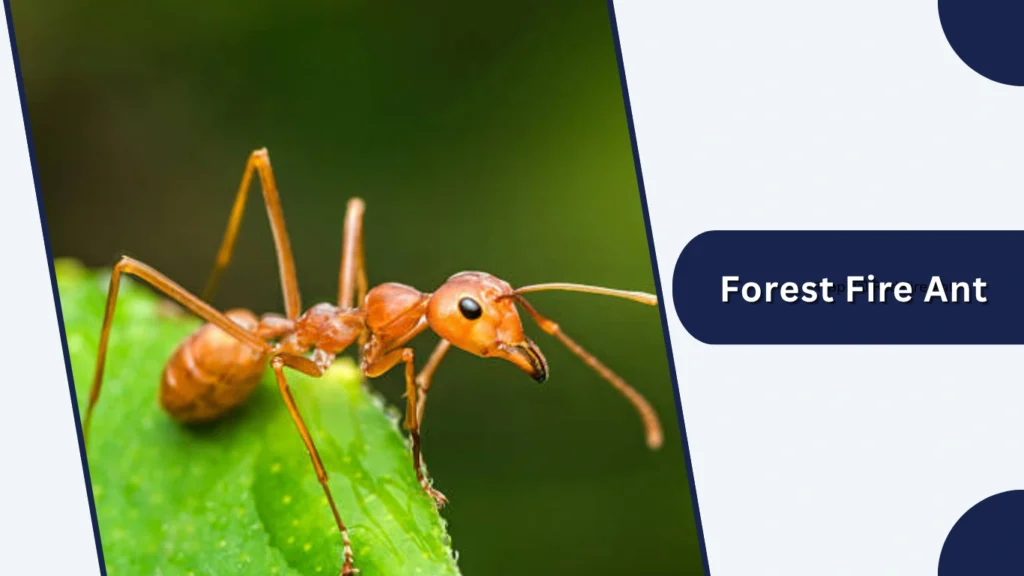
Forest Fire Ants are a fire ant species commonly found in wooded and tropical forest environments. They play a role in the natural ecosystem by helping with decomposition and insect control, but they can still be aggressive when disturbed. These ants usually build hidden nests in soil, leaf litter, or under logs and are less visible compared to open-field fire ant species.
Identification
- Dark reddish-brown to brown body color
- Small workers about 2–5 mm long
- Antennae with a two-segmented club
- Hidden nests under leaves, logs, or soil
- Defensive but not overly aggressive behavior
Habitat
Forest Fire Ants live in dense forests, rainforests, wooded areas, and shaded gardens. They prefer moist soil and high humidity. Their nests are often concealed beneath decaying wood, leaf litter, or roots, which provides protection and stable environmental conditions.
Behavior
These ants are moderately defensive and will sting if their nest is disturbed. They usually react in small groups rather than massive swarms. Colonies are well adapted to forest ecosystems and may contain multiple queens, allowing steady but controlled growth.
Diet
Forest Fire Ants are omnivores, feeding on insects, fungi, seeds, nectar, and decomposing organic matter. They help break down dead material in forests and also scavenge available food sources, contributing to nutrient recycling in their ecosystem.
Why They Are Dangerous
Their stings cause pain, swelling, and irritation. While generally less aggressive than invasive species, they can still be problematic when nests are accidentally disturbed by hikers, farmers, or forestry workers. In some cases, repeated stings may cause allergic reactions.
21. Sandy Fire Ant
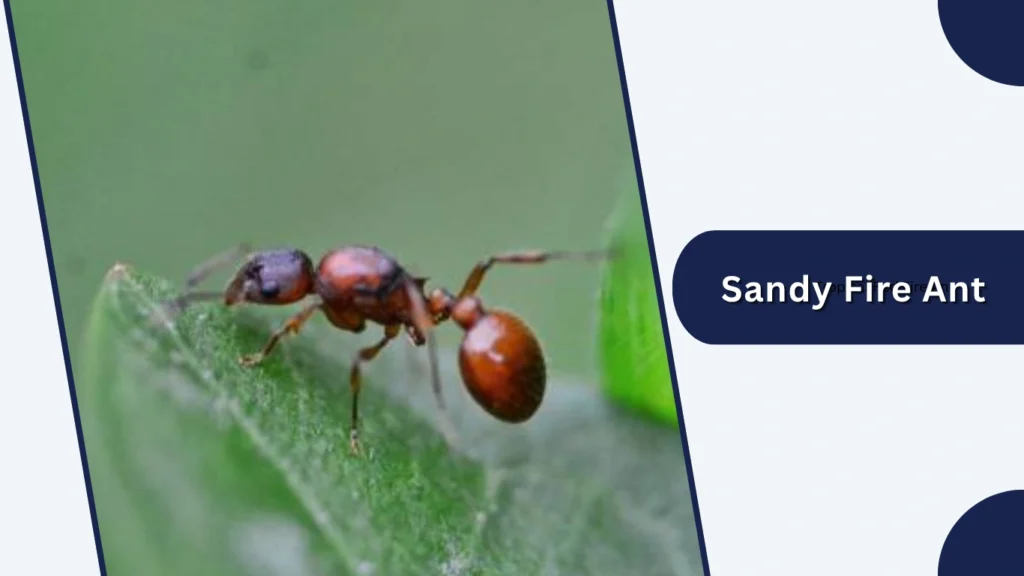
Sandy Fire Ants are a fire ant species adapted to loose, dry, and sandy environments. They are commonly found in deserts, dunes, and coastal sandy soils. These ants are well adapted for digging and surviving in unstable ground conditions. While not the most aggressive fire ants, they can still sting painfully when their nests are disturbed.
Identification
- Light brown to yellowish body color
- Small workers about 2–4 mm long
- Antennae with a two-segmented club
- Nests built in loose sandy soil
- Fast movement across hot surfaces
Habitat
Sandy Fire Ants live in deserts, beaches, riverbanks, and dry grasslands. They prefer open areas with loose sand where they can easily construct underground tunnels. Their nests are often shallow and may shift with wind or sand movement.
Behavior
These ants are moderately defensive and will sting if their colony is disturbed. They typically react in small groups rather than large swarms. Their colonies are well adapted to hot, dry environments and can survive extreme temperature changes.
Diet
Sandy Fire Ants are omnivores, feeding on insects, seeds, plant material, and dead organic matter. They also scavenge food waste when available. Their flexible diet helps them survive in harsh environments where food is limited.
Why They Are Dangerous
Their stings cause burning pain, redness, and mild swelling. In sandy outdoor areas, people may accidentally step on nests, leading to multiple stings. While not extremely dangerous, they can be a nuisance in recreational beaches and desert settlements.
22. Swamp Fire Ant
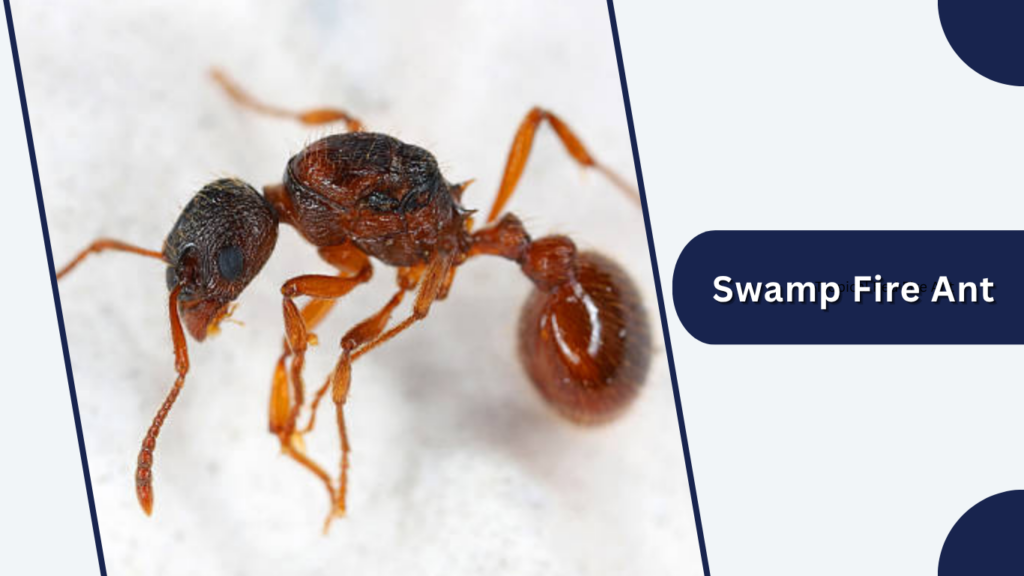
Swamp Fire Ants are a moisture-loving fire ant species commonly found in wetlands and marshy environments. They are well adapted to living in waterlogged soil and can survive seasonal flooding. These ants are moderately aggressive and can deliver painful stings when their nests are disturbed, especially in dense wetland vegetation.
Identification
- Dark reddish-brown body color
- Small workers about 2–5 mm long
- Antennae with a two-segmented club
- Nests in wet or muddy soil
- Active in humid, water-rich areas
Habitat
Swamp Fire Ants are found in swamps, marshes, riverbanks, flooded grasslands, and wet forests. They prefer soft, saturated soil and often build nests in raised mounds to avoid flooding. Their colonies are well adapted to high humidity and periodic water exposure.
Behavior
These ants are moderately defensive and will sting if disturbed. They are capable of forming floating clusters during floods, helping the colony survive rising water levels. Their activity is highest in warm, humid conditions where food is abundant.
Diet
Swamp Fire Ants are omnivores, feeding on insects, aquatic larvae, seeds, nectar, and decaying organic matter. They also scavenge dead organisms found in wet environments. Their diet is well suited to nutrient-rich swamp ecosystems.
Why They Are Dangerous
Their stings cause burning pain, swelling, and irritation. In wetland areas, hikers, farmers, and fishermen may accidentally disturb nests. Large colonies can also affect local wildlife and become a nuisance in flooded agricultural lands or rural settlements.
23. Mountain Fire Ant
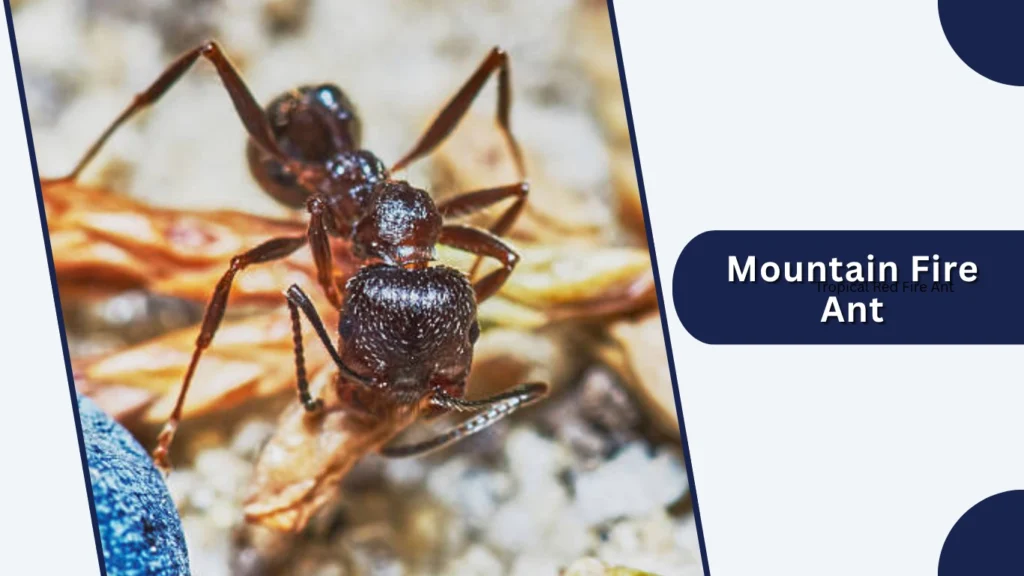
Mountain Fire Ants are a fire ant species adapted to cooler, high-altitude environments. Unlike many fire ants that prefer lowland tropical areas, this species can survive in mountainous regions with fluctuating temperatures. They are moderately aggressive and form colonies in rocky or soil-rich slopes where they can remain protected from harsh weather conditions.
Identification
- Dark brown to black body color
- Small workers about 2–5 mm long
- Antennae with a two-segmented club
- Nests in soil under rocks or slopes
- Slower movement in cooler temperatures
Habitat
Mountain Fire Ants are found in hills, mountains, rocky slopes, and highland forests. They prefer well-drained soil and sheltered areas under stones, roots, or cliffs. Their colonies are adapted to cooler climates and can tolerate temperature changes better than many tropical fire ant species.
Behavior
These ants are moderately defensive and will sting if their nest is disturbed. They are less aggressive than lowland fire ants but still protect their colony effectively. Their activity may decrease in colder seasons and increase during warmer periods in mountain environments.
Diet
Mountain Fire Ants are omnivores, feeding on insects, seeds, nectar, and decaying organic matter. They also scavenge dead insects and other available food sources. Their flexible diet helps them survive in nutrient-limited high-altitude ecosystems.
Why They Are Dangerous
Their stings cause pain, swelling, and irritation. In mountain hiking areas, accidental nest disturbance can lead to multiple stings. While not highly invasive, they can still be a nuisance to hikers, farmers, and rural mountain communities.
24. Brazilian Fire Ant
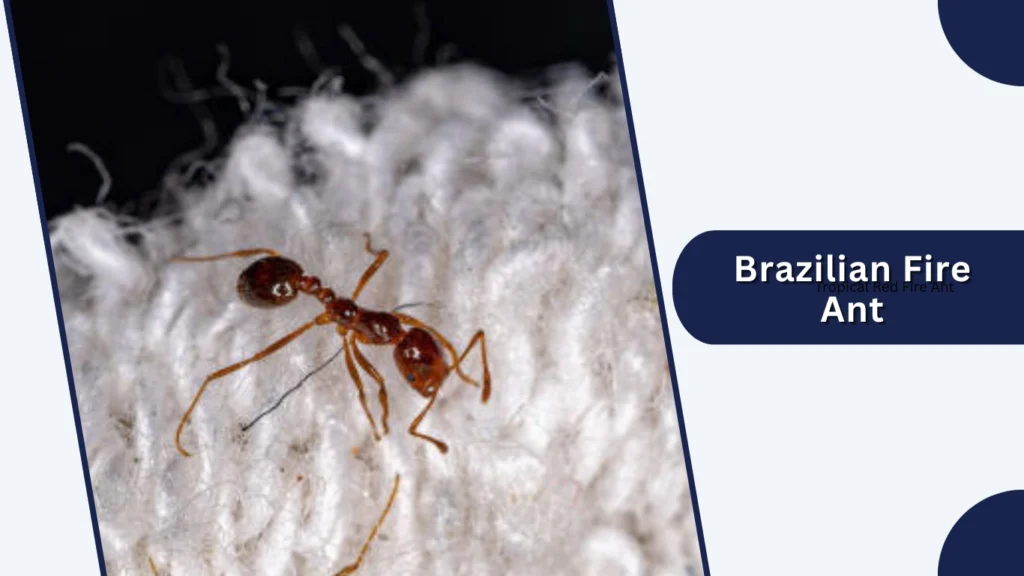
Brazilian Fire Ants are a strong and aggressive fire ant species native to South America, especially Brazil. They are known for forming large colonies and thriving in tropical environments. These ants are highly adaptable and can live in forests, farmland, and urban areas. Their painful stings and fast colony expansion make them an important ecological and agricultural pest in some regions.
Identification
- Reddish-brown to dark brown body
- Small workers about 2–6 mm long
- Antennae with a two-segmented club
- Dome-shaped or irregular soil mounds
- Fast, coordinated swarming behavior
Habitat
Brazilian Fire Ants are commonly found in rainforests, savannas, farmland, gardens, and urban green spaces. They prefer warm, humid climates and well-drained soil. Their nests are often built in open sunny areas or under vegetation where food sources are easily accessible.
Behavior
These ants are highly aggressive and will rapidly swarm when disturbed. They bite and sting repeatedly, delivering painful venom. Colonies may contain multiple queens, allowing rapid expansion and strong territorial dominance. They often outcompete other ant species in their habitat.
Diet
Brazilian Fire Ants are omnivores, feeding on insects, seeds, nectar, fruits, and decaying organic matter. They also scavenge food waste in human environments. Their varied diet supports large colonies and allows them to thrive in both natural and disturbed ecosystems.
Why They Are Dangerous
Their stings cause intense burning pain, swelling, and irritation. In sensitive individuals, allergic reactions may occur. They can damage crops, disturb outdoor activities, and reduce biodiversity by dominating local insect populations.
25. Amazon Fire Ant
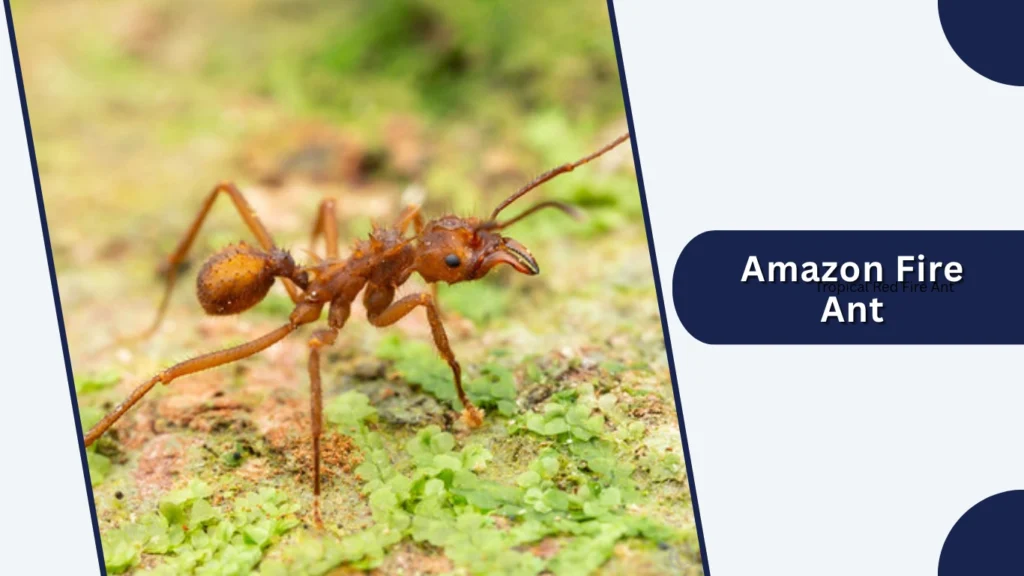
Amazon Fire Ants are a fire ant species found in the dense Amazon rainforest and surrounding tropical regions. They are well adapted to humid, shaded environments and play a role in the forest ecosystem. These ants can form large colonies and become aggressive when disturbed, delivering painful stings to protect their nest.
Identification
- Reddish-brown to dark reddish body
- Small workers about 2–5 mm long
- Antennae with a two-segmented club
- Nests in soil, leaf litter, or under logs
- Strong defensive swarming behavior
Habitat
Amazon Fire Ants live in rainforests, riverbanks, flooded forest areas, and tropical vegetation zones. They prefer moist, nutrient-rich soil and often build nests under decaying wood, roots, or thick leaf litter. Their colonies are well adapted to high humidity and frequent rainfall.
Behavior
These ants are highly defensive and will quickly attack intruders. They sting repeatedly in coordinated groups to protect the colony. Colonies may have multiple queens, allowing steady growth and survival in the competitive rainforest ecosystem.
Diet
Amazon Fire Ants are omnivores, feeding on insects, plant nectar, seeds, and decaying organic matter. They also scavenge dead animals and fallen fruit. Their flexible diet helps them thrive in the diverse and resource-rich Amazon environment.
Why They Are Dangerous
Their stings cause burning pain, swelling, and irritation. In dense rainforest areas, they may affect hikers, workers, and animals. Large colonies can also disrupt local insect balance and become a nuisance when nests are accidentally disturbed.
FAQs
What is a fire ant?
Fire ants are aggressive ant species known for their painful stings and ability to build large colonies, usually in warm and humid environments.
Why do fire ants sting humans?
Fire ants sting to defend their colony. They attack when they feel their nest is threatened or disturbed.
Are all fire ants dangerous?
Most fire ants are not deadly, but their stings can be painful and may cause allergic reactions in some people.
Where are fire ants commonly found?
Fire ants are usually found in tropical, subtropical, and warm regions such as forests, grasslands, farms, and gardens.
How can fire ant stings be treated?
Wash the area with soap and water, apply ice to reduce swelling, and use anti-itch cream. Seek medical help if an allergic reaction occurs.