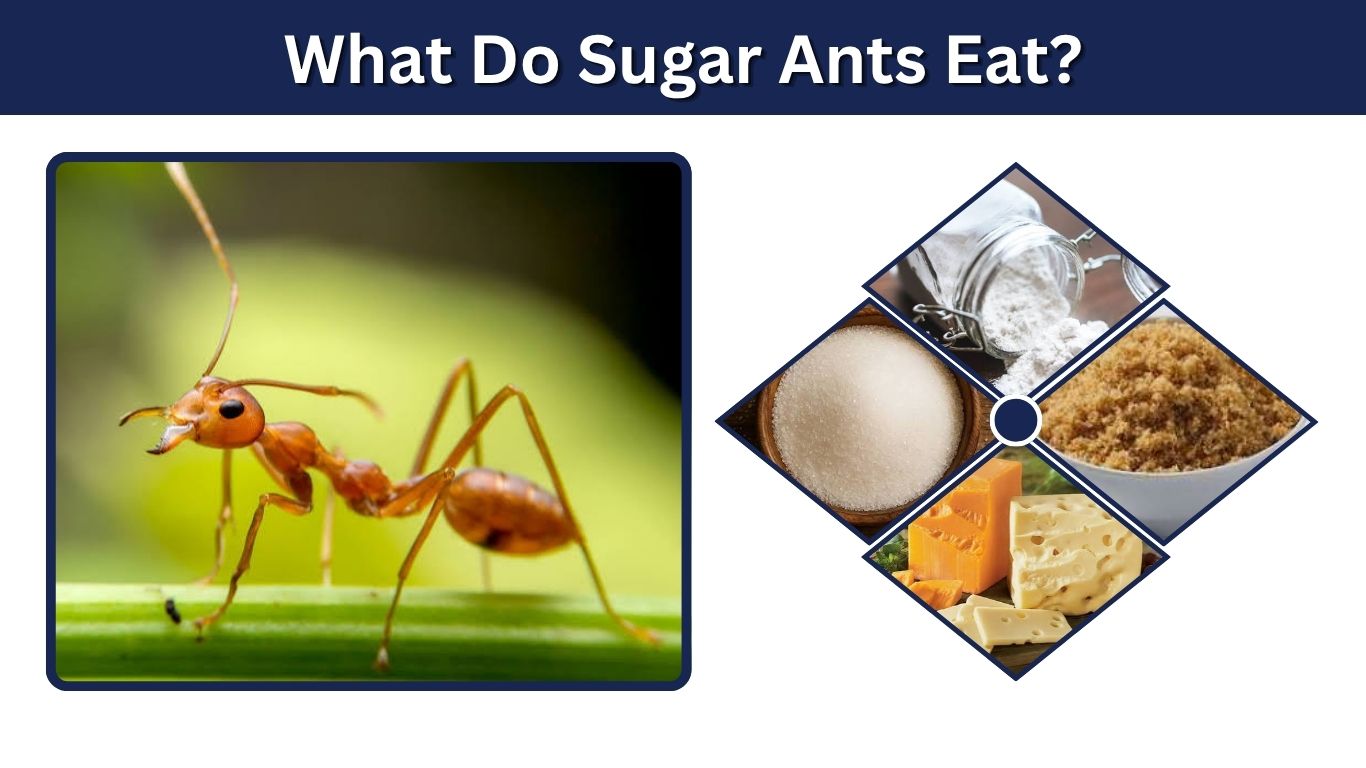
Sugar ants eat a wide variety of foods, but they are especially attracted to sweet substances that provide quick energy. In homes, they may gather around sugar, syrup, fruit, honey, juice, and food crumbs. However, sugar ants do not survive on sugar alone. Many species also need proteins and fats obtained from insects, meat, pet food, and other sources. Understanding what sugar ants eat, why they seek sugar, and what attracts them indoors can make prevention and control much easier.
What Do Sugar Ants Eat?
“Sugar ant” is a common name used for several ants attracted to sweet foods rather than a single species. Their exact diet varies, but most need carbohydrates for energy and proteins for growth and colony development. Worker ants often search for sugary liquids, while developing larvae and queens may depend more heavily on protein-rich foods.
Common Foods Sugar Ants Eat
Sugar ants may feed on:
- Granulated sugar
- Brown sugar
- Honey
- Syrup
- Fruit
- Fruit juice
- Candy
- Cake and cookies
- Soft drinks
- Jam and jelly
- Nectar
- Honeydew from aphids
- Small insects
- Meat and grease
- Pet food
This broad diet explains why ants can find plenty to eat inside kitchens, pantries, and outdoor gardens.
Why Do Ants Eat Sugar?
Sugar provides carbohydrates that ants can quickly convert into energy. Worker ants need substantial energy because they spend much of their time walking, searching for food, caring for the nest, and defending the colony.
Sweet liquids are especially useful because ants can consume and transport them efficiently. When one worker finds a good sugar source, it may recruit nestmates to the location.
Do Ants Only Eat Sugar?
No. Even ants that strongly prefer sweets need more than sugar. Protein is particularly important for growing larvae because it supplies nutrients needed for development.
Ant colonies may change their food preferences throughout the year. At some times they strongly seek carbohydrates, while during periods of rapid brood development they may show greater interest in protein-rich foods.
What Types of Sugar Do Ants Eat?
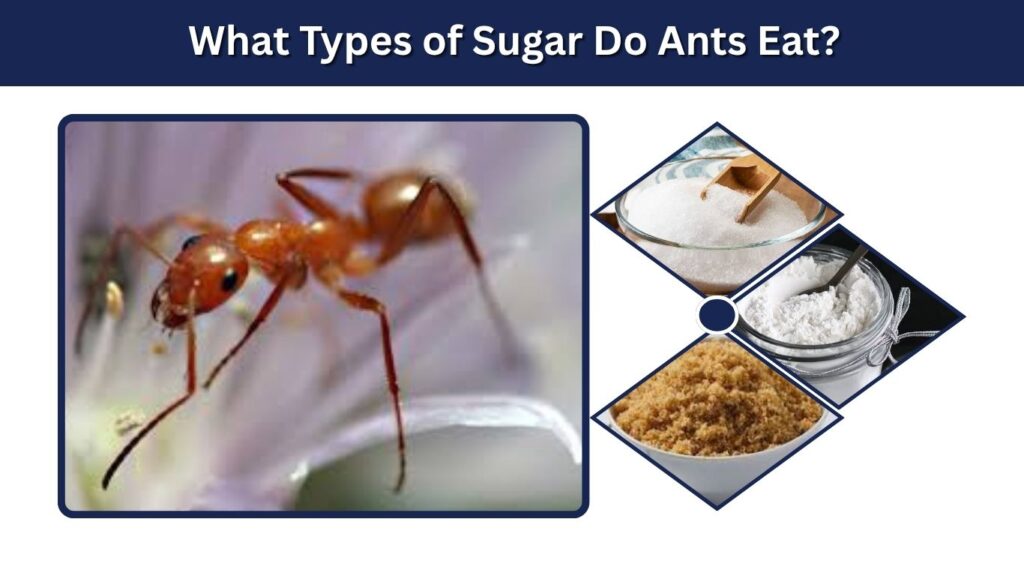
Ants can consume many forms of sugar. They are often especially attracted to sugar dissolved in liquids because it is easier to ingest than dry crystals. Moisture, concentration, species, and nearby food alternatives can all influence which sugary substance attracts them most strongly.
Sugary Foods That Attract Ants
Common sources include:
- White sugar
- Brown sugar
- Powdered sugar
- Sugar water
- Honey
- Maple or pancake syrup
- Soda
- Sweetened tea
- Fruit juice
- Icing
- Candy residue
- Overripe fruit
Even a few drops of a sugary drink left on a countertop can attract scouting ants.
Do Ants Eat Granulated Sugar?
Yes, ants can be attracted to granulated sugar, although they may find liquid sugar solutions easier to consume. Ants need water as well as food, so sugar that has absorbed moisture can become particularly attractive.
A spilled spoonful of sugar may therefore attract ants, especially when it is close to water sources such as sinks or leaking pipes.
Do Ants Eat Sugar Water?
Many sugar-feeding ants readily consume sugar water. In nature, ants frequently obtain carbohydrates from liquids such as flower nectar and honeydew produced by aphids and other sap-feeding insects.
Sugar water resembles these natural carbohydrate sources, which is why sweet liquid ant baits can be highly attractive to some household ants.
Do Sugar Ants Eat Other Foods?
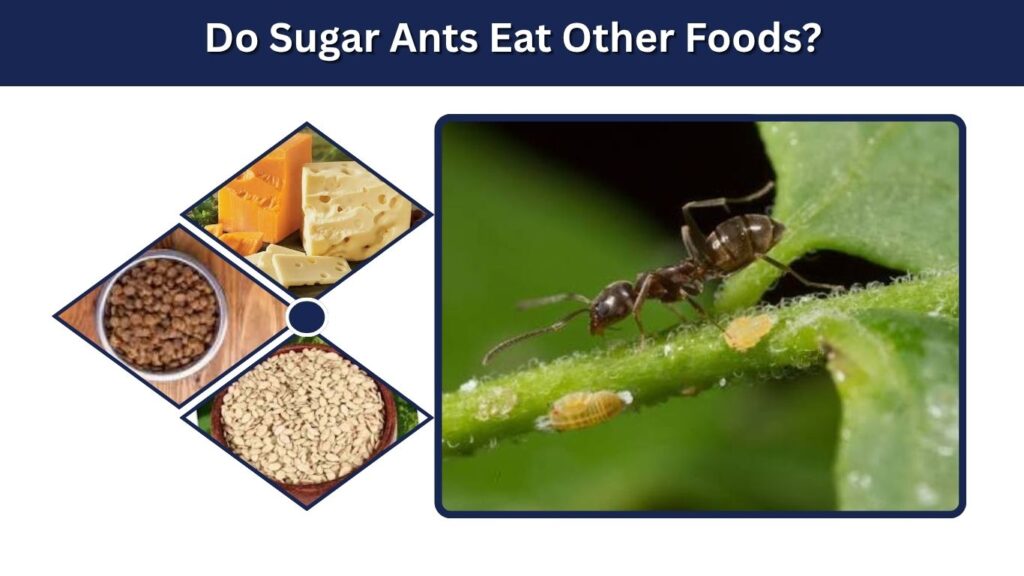
Sugar ants are generally opportunistic feeders. Although sweets may attract workers quickly, colonies often require other nutrients. Their food choices can shift depending on season, colony size, available prey, and whether larvae are developing. This means removing sugar alone may not eliminate everything that attracts ants into a home.
Protein and Other Foods Sugar Ants May Eat
Depending on the species, ants may consume:
- Dead insects
- Small living insects
- Meat scraps
- Grease
- Cheese
- Pet food
- Seeds
- Plant material
- Other arthropods
- Protein-rich food crumbs
Protein is particularly important to larvae and reproductive members of the colony.
Do Sugar Ants Eat Meat?
Some ants commonly called sugar ants will eat meat or other protein-rich foods. Workers may collect tiny pieces of meat and carry them back toward their nest.
Colonies may become more interested in protein during periods when many larvae are developing. This is one reason ants sometimes switch unexpectedly from sweets to meat, grease, or pet food.
Do Sugar Ants Eat Fruit?
Yes. Ripe and overripe fruits contain natural sugars and moisture that can attract ants. Strawberries, grapes, bananas, melons, peaches, and other sweet fruits may become feeding sites if they are left exposed.
Damaged fruit can be especially attractive because juice is readily accessible to the ants.
Do Sugar Ants Eat Wood or Plants?
Seeing ants around wood or plants can create confusion about what they are actually eating. Most ants referred to as sugar ants are not feeding on structural wood. Around plants, ants may be searching for nectar, fruit, insects, or honeydew rather than consuming the plant itself.
Do Sugar Ants Eat Wood?
Sugar ants generally do not use wood as a primary food source. This distinguishes feeding behavior from that associated with wood-nesting ants such as carpenter ants.
Carpenter ants excavate damaged or moist wood to create nesting galleries, but they do not digest the wood as food. They still seek sugars, insects, and other nutrient sources.
Do Sugar Ants Eat Plants?
Some ants may consume plant-derived foods such as nectar, fruit, seeds, or sap-associated substances, but many ants seen crawling over plants are actually looking for other food.
A particularly important source is honeydew, a sugary liquid produced by aphids, scale insects, and similar plant-feeding pests.
Do Sugar Ants Eat Aphids?
Ants usually do not eat the aphids they are tending. Instead, many ants collect the sweet honeydew that aphids produce. Some even protect aphids from predators because the honeydew provides a valuable carbohydrate source.
However, ant behavior varies by species and circumstances, so interactions are not identical in every colony.
What Eats Sugar Ants?
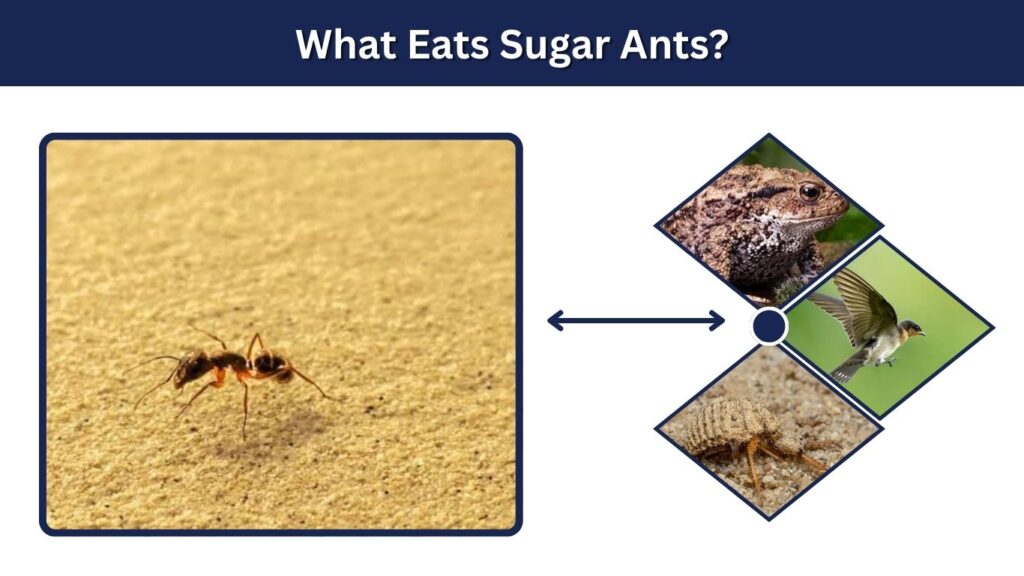
Sugar ants are also food for many other animals. Their small size and abundance make them an accessible prey item in gardens, forests, and around buildings. Natural predators can reduce ant numbers, although they usually do not eliminate an established colony completely.
Common Sugar Ant Predators
Animals that may eat ants include:
- Spiders
- Lizards
- Frogs
- Toads
- Birds
- Antlions
- Some beetles
- Other predatory insects
- Certain ant species
House spiders may capture individual ants that cross their webs, while outdoor predators may consume ants during normal foraging.
Can You Eat Food That Has Sugar Ants in It?
Accidentally finding a few ants on food does not necessarily mean the ants themselves are highly toxic. However, ants can travel through unsanitary locations and may contaminate food surfaces. Whether food should be discarded depends on how heavily it is infested, what type of food it is, and how long it has been exposed.
What Happens If You Accidentally Eat Sugar Ants?
Accidentally swallowing one or a few common household ants is unlikely to cause a serious problem for most healthy people. However, anyone who develops unusual symptoms after eating insects should seek appropriate medical advice.
Food that contains many ants, has spoiled, or has been left exposed for a long period is better discarded rather than eaten.
Can Dogs or Cats Eat Sugar Ants?
A pet accidentally eating a few small household ants is generally different from deliberately feeding insects to the animal. Some ant species can bite, sting, or release defensive chemicals.
If a pet consumes a large number of ants or develops swelling, vomiting, excessive drooling, or other unusual symptoms, contact a veterinarian.
Do Ants Eat Baking Soda and Sugar?
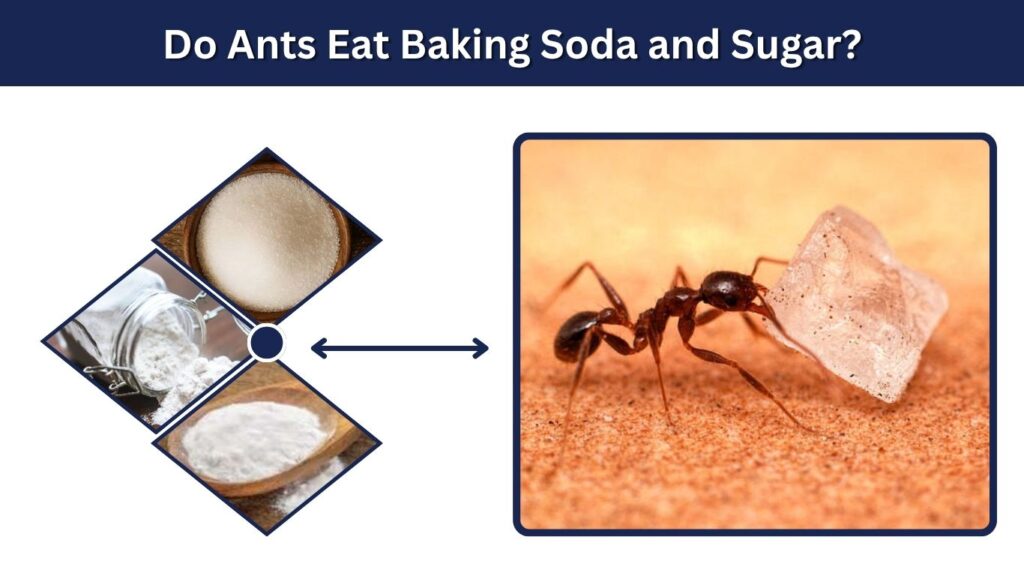
Sugar mixed with baking soda is commonly discussed as a homemade ant remedy. Ants may investigate the mixture because of the sugar, but homemade treatments can be inconsistent and may not reliably eliminate a colony. The effectiveness depends on the ant species and how the mixture is prepared and encountered.
Is Sugar and Baking Soda Effective?
Sugar can attract ants, but attraction alone does not guarantee effective colony control. Ants may ignore a mixture if its texture, concentration, or odor is unsuitable.
For a persistent infestation, properly labeled ant baits are generally easier to use consistently because their formulations are designed to attract ants while delivering a controlled active ingredient.
FAQs
1. What is a sugar ant’s favorite food?
Sugar ants are especially attracted to carbohydrate-rich foods such as honey, syrup, sugar water, fruit juice, nectar, and sweet food residue. However, colonies also require proteins and fats, so their preferred food can change depending on nutritional needs and colony development.
2. Do all ants eat sugar?
Many ant species consume sugary substances because carbohydrates provide workers with energy. However, not every species shows the same preference. Some ants are more strongly attracted to grease, seeds, insects, or protein-rich foods, and food preferences may also change seasonally.
3. Do carpenter ants eat sugar?
Yes. Carpenter ants can feed on sugary substances such as nectar, honeydew, syrup, and household sweets. They also eat insects and protein-rich foods. Although they nest in wood, carpenter ants do not eat wood; they excavate it to create nesting galleries.
4. Can sugar ants eat through plastic?
Sugar ants do not normally eat plastic as food. However, very small ants may enter containers through loose lids, tiny openings, damaged seals, or gaps around packaging. Storing sweet foods in sturdy airtight containers is one of the best ways to prevent access.
5. Why are ants attracted to sugar?
Sugar provides carbohydrates that worker ants need for energy. Once a scout discovers a reliable sweet food source, it can leave chemical signals that help other workers locate it. This recruitment behavior can quickly create visible trails around spilled drinks, fruit, honey, or other sweets.