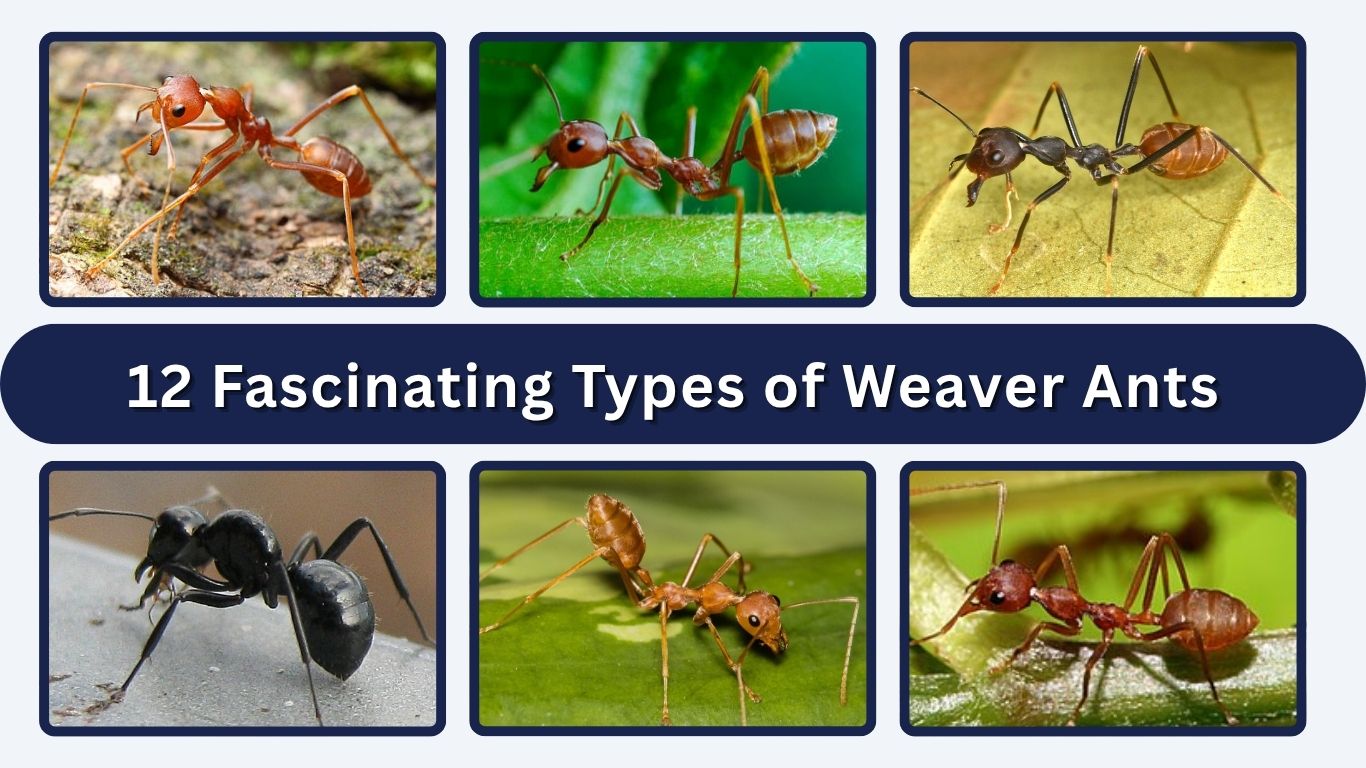
Weaver ants are fascinating insects known for their teamwork and impressive nest-building skills. These ants create nests by weaving leaves together with silk produced by their larvae. They are commonly found in tropical forests, gardens, orchards, and mangrove habitats around the world. Different types of weaver ants vary in color, size, behavior, and habitat, but all are highly social and protective of their colonies. In this guide, you will discover 12 interesting types of weaver ants, including their identification features, habitats, diets, and life cycles.
1. Asian Weaver Ant
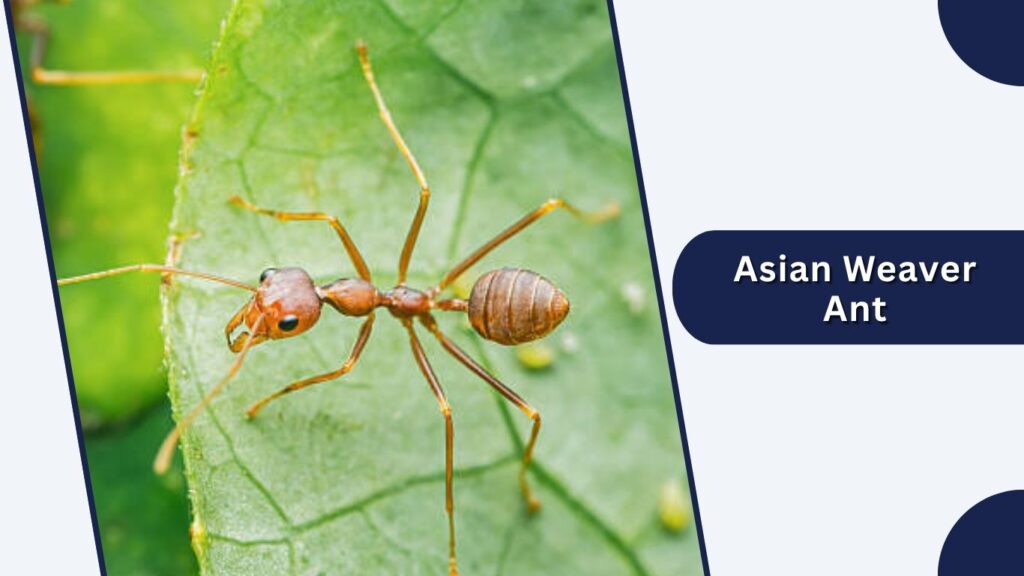
The Asian Weaver Ant is a well-known tree-dwelling ant famous for building nests by weaving leaves together. These ants are highly social and work in large colonies. They are commonly found in tropical forests, gardens, orchards, and mangrove areas across Asia. Their aggressive nature and strong teamwork make them one of the most interesting ant species in the insect world.
Identification
- Bright orange to reddish-brown body color
- Long legs and slender body shape
- Workers usually grow between 5 to 10 mm long
- Strong mandibles used for defense and carrying leaves
- Large black eyes with excellent vision
- Queens are much larger and have wings before mating
- Often seen moving in long trails across tree branches
Habitat and Distribution
Asian Weaver Ants mainly live in warm tropical and subtropical regions. They are common in countries such as India, Bangladesh, Thailand, Malaysia, Indonesia, and parts of southern China. These ants prefer trees with dense leaves because they use leaves to build hanging nests. Colonies are often found in mango trees, coconut trees, and forest canopies where food sources are plentiful.
Behavior and Diet
These ants are active hunters and strong defenders of their territory. Worker ants cooperate to catch insects, protect the colony, and repair nests. They communicate using chemical signals and quickly respond to threats. Their diet mainly includes small insects, nectar, fruit juices, and honeydew produced by sap-sucking insects. Because they prey on many pests, farmers sometimes use them as natural pest control in orchards.
Life Cycle
The life cycle of the Asian Weaver Ant begins when a queen lays eggs inside the nest. The eggs hatch into larvae, which are fed and protected by worker ants. After several growth stages, the larvae become pupae and later emerge as adult ants. Colonies can grow very large over time, with thousands of workers supporting one or more queens. During the breeding season, winged males and queens leave the colony to mate and start new nests.
2. Red Weaver Ant
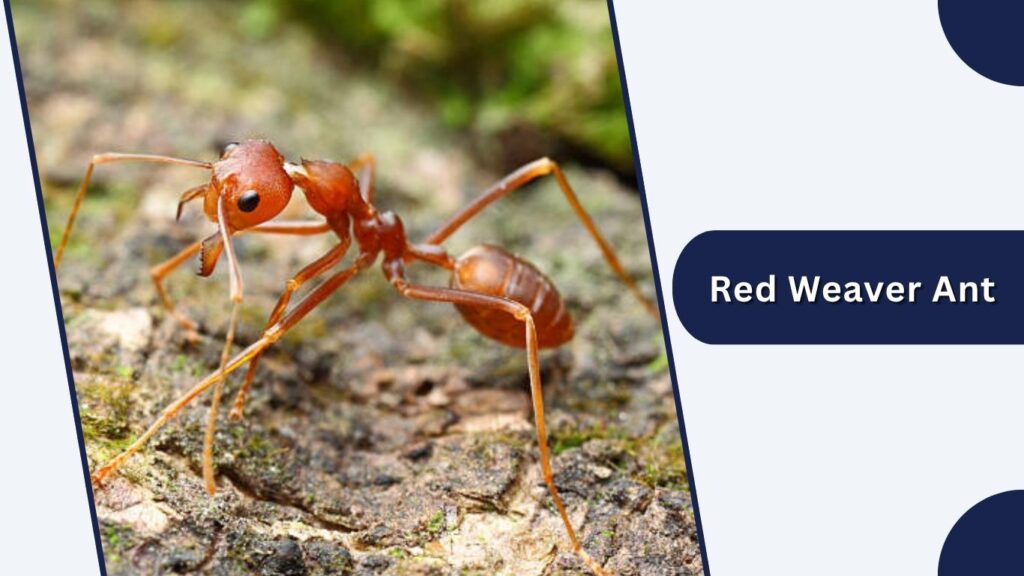
The Red Weaver Ant is a highly active ant species known for its reddish body and impressive leaf nests. These ants live in large colonies and are famous for their teamwork and aggressive defense behavior. They are commonly seen in tropical forests, gardens, and fruit orchards where trees provide safe nesting areas and easy access to food.
Identification
- Bright red or reddish-orange body color
- Slim body with long legs
- Worker ants range from 5 to 8 mm long
- Strong jaws used for biting and carrying materials
- Antennae are long and constantly moving
- Queens are larger and darker in color
- Usually travel in organized trails across branches
Habitat and Distribution
Red Weaver Ants are widely distributed across tropical regions of Asia, Africa, and Australia. They prefer warm environments with tall trees and dense foliage. Their nests are commonly found in mango, citrus, and acacia trees. These ants rarely build nests on the ground because tree canopies provide better protection from predators and flooding.
Behavior and Diet
These ants are extremely territorial and attack intruders quickly. Worker ants cooperate closely while building nests, collecting food, and defending the colony. They feed on insects, nectar, small arthropods, and sweet liquids from plants. Red Weaver Ants also protect certain sap-feeding insects in exchange for honeydew, which provides an important food source for the colony.
Life Cycle
The queen starts a colony by laying eggs inside a protected leaf nest. The eggs hatch into larvae, which are cared for by worker ants until they develop into pupae and later adults. As the colony grows, more nests are built across nearby trees. Winged reproductive ants appear during mating season and leave the colony to create new colonies in other suitable habitats.
3. Green Tree Ant
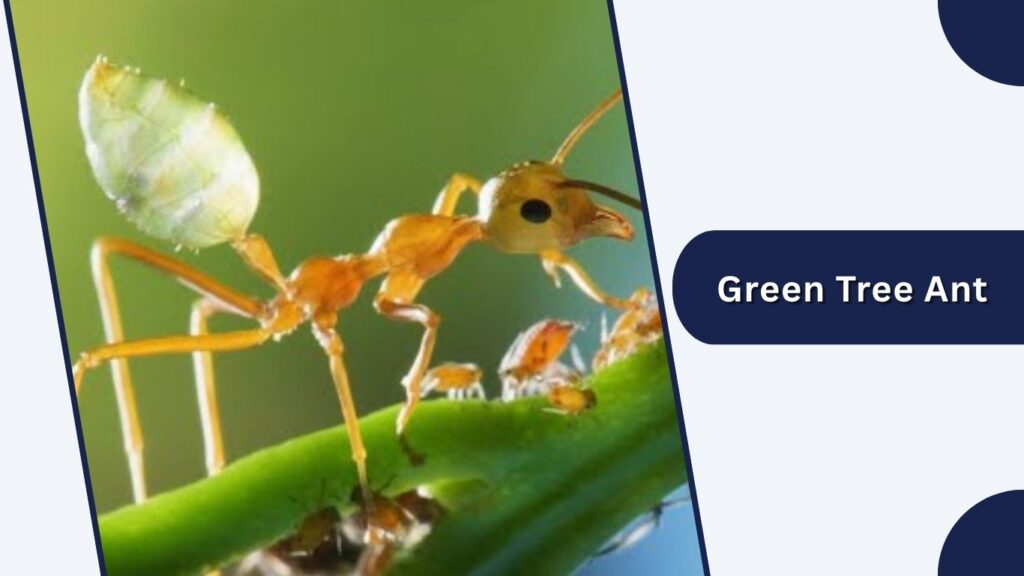
The Green Tree Ant is a colorful weaver ant species known for its greenish abdomen and tree-based leaf nests. These ants are highly social and work together to protect their colonies and gather food. They are commonly found in tropical forests, coastal woodlands, and backyard gardens where large trees provide shelter and nesting space.
Identification
- Orange-brown head and thorax with a green abdomen
- Long legs and slim body structure
- Workers usually measure 5 to 10 mm long
- Strong curved mandibles for gripping prey
- Large eyes with sharp vision
- Queens are much larger and may have wings
- Often seen weaving leaves high in trees
Habitat and Distribution
Green Tree Ants are mainly found in Australia, Southeast Asia, and nearby tropical islands. They prefer warm climates with plenty of trees and dense vegetation. Their nests are commonly built in eucalyptus trees, fruit trees, and mangroves. These ants spend most of their lives above ground and rarely travel far from the tree canopy.
Behavior and Diet
These ants are aggressive defenders and quickly react to threats near the nest. Workers cooperate by pulling leaves together while larvae produce silk to hold the leaves in place. Green Tree Ants feed on insects, nectar, fruit juices, and honeydew from sap-feeding insects. They are active hunters and help reduce pest populations in many natural environments.
Life Cycle
The colony begins when a fertilized queen starts laying eggs in a small leaf shelter. The eggs hatch into larvae, which are protected and fed by worker ants. After developing into pupae, young ants emerge and begin helping with colony tasks. Mature colonies may contain thousands of ants spread across several connected nests in nearby trees.
4. African Weaver Ant
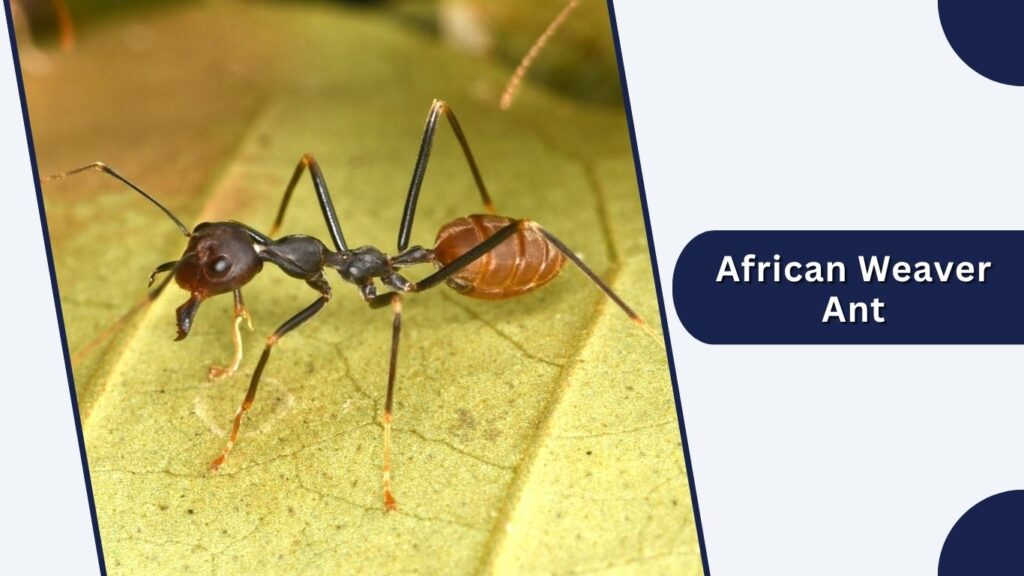
The African Weaver Ant is a strong and aggressive ant species that lives in trees across tropical parts of Africa. These ants are famous for weaving leaves together to create large hanging nests. Their colonies are highly organized, and workers cooperate closely to defend their territory, collect food, and care for young ants.
Identification
- Reddish-brown to dark orange body color
- Long legs with a slender body shape
- Worker ants usually grow between 5 and 9 mm long
- Powerful jaws capable of painful bites
- Large eyes adapted for daytime activity
- Queens are larger and thicker than workers
- Commonly seen moving quickly across tree branches
Habitat and Distribution
African Weaver Ants are widely found in tropical forests, savannas, orchards, and woodland areas throughout sub-Saharan Africa. They prefer warm climates with tall trees and dense vegetation. Their nests are often built in acacia trees, mango trees, and other broad-leaved plants where leaves can easily be woven together.
Behavior and Diet
These ants are highly territorial and attack predators or intruders in large groups. Worker ants communicate using chemical signals and work together during hunting and nest building. Their diet includes insects, nectar, fruit juices, and honeydew from plant-feeding insects. African Weaver Ants are useful in agriculture because they help control many crop pests naturally.
Life Cycle
The life cycle starts when a queen lays eggs inside a secure leaf nest. The eggs hatch into larvae, which are cared for by worker ants until they become pupae. Adult ants later emerge and begin performing colony duties. As the colony expands, new nests are built in nearby branches, allowing thousands of ants to live together across several connected tree nests.
5. Black Weaver Ant
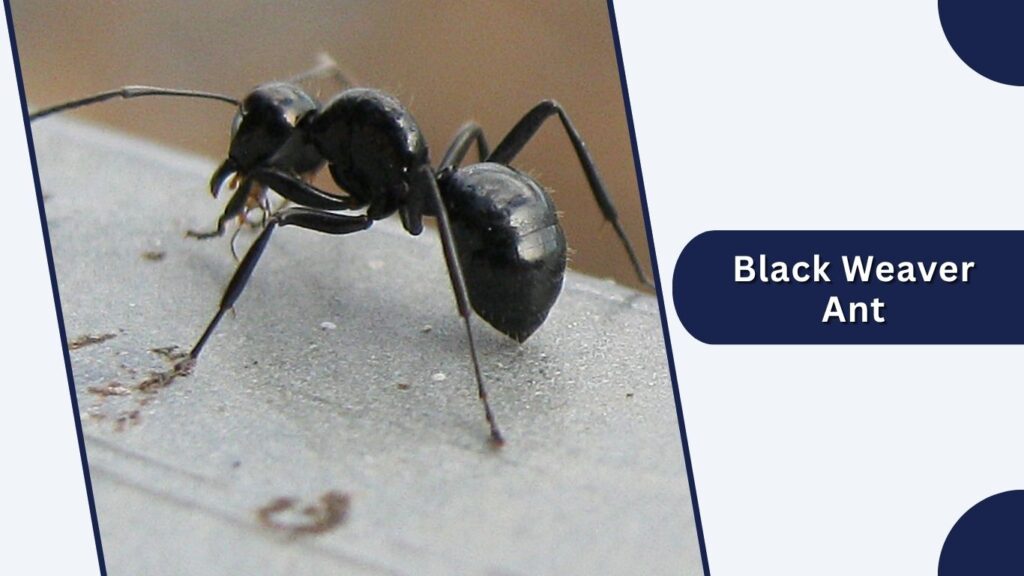
The Black Weaver Ant is a tree-living ant species recognized for its dark body color and impressive nest-building behavior. These ants work together to weave leaves into secure nests high in trees. They are active, social insects that live in large colonies and play an important role in controlling other insect populations in their habitat.
Identification
- Dark brown to black body color
- Slender body with long legs
- Worker ants are usually 5 to 8 mm long
- Strong mandibles used for defense and carrying prey
- Smooth and shiny outer body surface
- Queens are much larger than workers
- Frequently seen traveling in long organized trails
Habitat and Distribution
Black Weaver Ants are commonly found in tropical forests, gardens, and agricultural areas in parts of Asia and Africa. They prefer warm regions with large trees and dense foliage. Their nests are often located in fruit trees, forest canopies, and shrubs where leaves can be woven together safely above the ground.
Behavior and Diet
These ants are aggressive defenders of their colonies and quickly respond to danger. Worker ants cooperate while hunting insects, gathering food, and repairing nests. Their diet mainly includes insects, nectar, fruit juices, and honeydew produced by small plant-feeding insects. Black Weaver Ants are active during the day and spend much of their time searching for food among tree branches.
Life Cycle
The queen lays eggs inside a protected leaf nest, where worker ants care for the developing young. The eggs hatch into larvae and later turn into pupae before becoming adult ants. As the colony grows, additional nests are built nearby to support the increasing population. During the breeding season, winged males and queens leave the colony to mate and establish new colonies in suitable trees.
6. Australian Weaver Ant
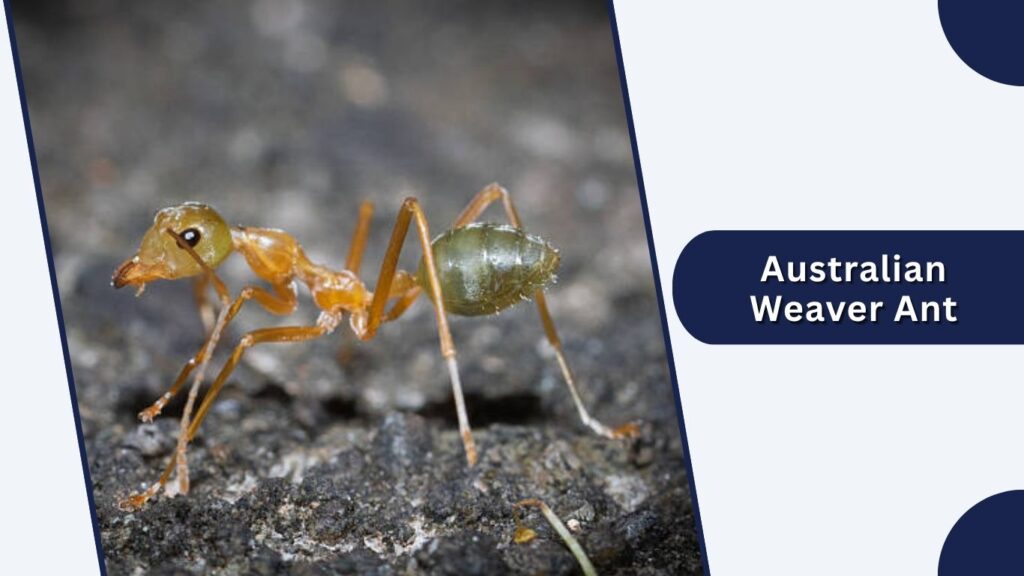
The Australian Weaver Ant is a well-known tree-dwelling ant species found in warm parts of Australia. These ants are famous for weaving leaves together with silk produced by their larvae to create strong nests. They live in large colonies and are highly active hunters that help control many insect pests in natural and agricultural environments.
Identification
- Orange to reddish-brown body color
- Long legs and slim body structure
- Worker ants usually measure 5 to 10 mm long
- Strong jaws capable of painful bites
- Large eyes with excellent daytime vision
- Queens are larger and darker than workers
- Often seen forming long trails across trees
Habitat and Distribution
Australian Weaver Ants are mainly found in northern and eastern Australia. They prefer tropical and subtropical regions with plenty of trees and warm temperatures. Their nests are commonly built in eucalyptus trees, fruit orchards, mangroves, and rainforest vegetation. These ants spend most of their lives in the tree canopy and rarely nest on the ground.
Behavior and Diet
These ants are aggressive and highly protective of their territory. Worker ants cooperate while building nests, defending the colony, and capturing prey. Their diet includes insects, nectar, fruit juices, and honeydew from sap-feeding insects. Australian Weaver Ants are active hunters and often attack insects much larger than themselves by working together in groups.
Life Cycle
The colony begins when a fertilized queen establishes a small nest and lays eggs. Worker ants later hatch and take over the care of larvae and colony maintenance. The larvae produce silk that helps workers weave leaves into larger nests. As the colony grows, multiple nests may spread across nearby trees, supporting thousands of ants within one connected colony.
7. Tropical Weaver Ant
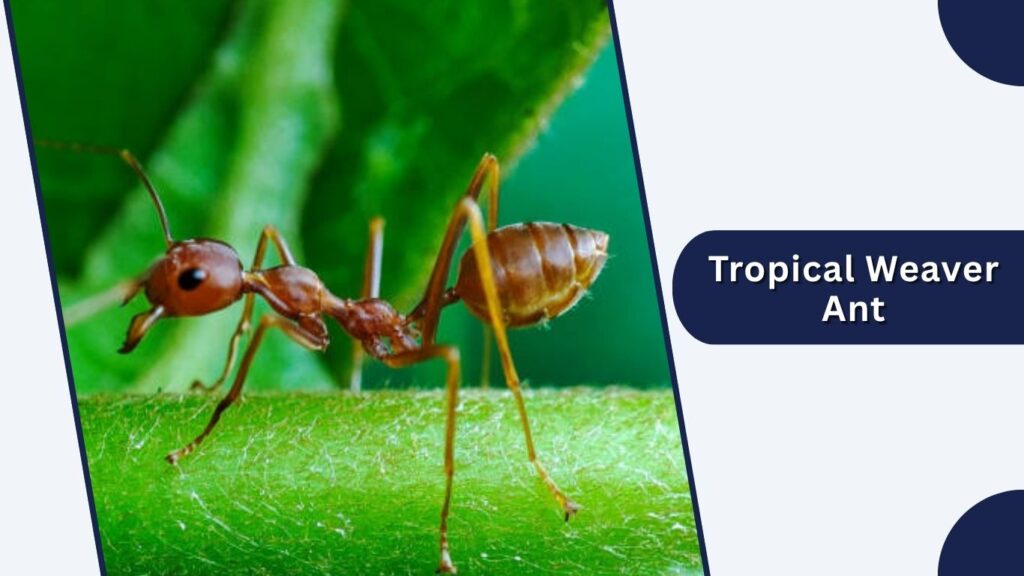
The Tropical Weaver Ant is a highly social ant species that lives in warm forest regions and builds nests by weaving leaves together. These ants are known for their teamwork, fast movement, and strong colony defense. They are commonly seen in tropical gardens, rainforests, and orchards where tall trees provide safe nesting areas.
Identification
- Orange-brown to reddish body color
- Long legs with a narrow body shape
- Worker ants usually grow between 5 and 9 mm long
- Sharp mandibles used for hunting and defense
- Large eyes adapted for daytime activity
- Queens are larger and heavier than worker ants
- Often form busy trails across branches and leaves
Habitat and Distribution
Tropical Weaver Ants are found throughout tropical regions of Asia, Africa, and northern Australia. They prefer humid environments with dense vegetation and large trees. Their nests are commonly built in fruit trees, rainforest plants, and mangrove forests. These ants stay mostly in tree canopies where they can easily find food and avoid many ground predators.
Behavior and Diet
These ants are aggressive and protect their colonies with coordinated attacks. Worker ants communicate using chemical signals and cooperate during nest building and hunting. Their diet includes insects, nectar, fruit juices, and honeydew from sap-feeding insects. Tropical Weaver Ants are active predators and help reduce populations of harmful insects in many ecosystems.
Life Cycle
The queen lays eggs inside a secure woven nest made from living leaves. After hatching, larvae are fed and protected by worker ants until they develop into pupae. Adult ants later emerge and begin helping with colony activities. Large colonies may contain thousands of ants living in several connected nests spread across nearby trees.
8. Mangrove Weaver Ant
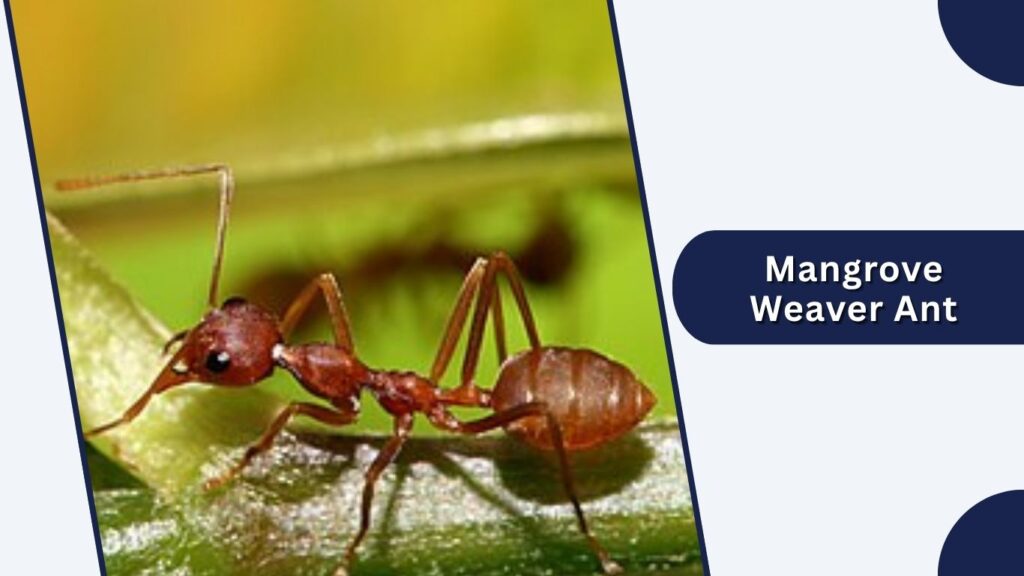
The Mangrove Weaver Ant is a specialized ant species that lives in coastal mangrove forests and builds nests by weaving leaves together. These ants are highly adapted to humid tropical environments and are known for their strong teamwork and defensive behavior. They spend most of their time moving through branches in search of food and protecting their colonies.
Identification
- Reddish-orange to brown body color
- Long legs suited for climbing branches
- Worker ants are usually 5 to 9 mm long
- Strong jaws used for catching prey and defense
- Smooth and slender body shape
- Queens are larger and more heavily built
- Frequently seen traveling in organized lines across mangrove trees
Habitat and Distribution
Mangrove Weaver Ants are mainly found in tropical coastal regions of Asia, northern Australia, and some parts of Africa. They prefer mangrove forests, swampy coastal woodlands, and humid tree-filled habitats. Their nests are built high in mangrove trees where leaves can be pulled together and woven into secure shelters above tidal water.
Behavior and Diet
These ants are active during the day and quickly defend their nests from predators. Worker ants cooperate closely while building nests, collecting food, and caring for larvae. Their diet mainly includes insects, nectar, fruit juices, and honeydew from sap-feeding insects. Mangrove Weaver Ants also help control many small insect populations in coastal ecosystems.
Life Cycle
The colony starts when a queen lays eggs inside a small leaf nest. The eggs hatch into larvae, which are protected and fed by worker ants. As the larvae grow, they later become pupae and develop into adult ants. Mature colonies may spread across several nearby trees with multiple woven nests connected by ant trails.
9. Giant Weaver Ant
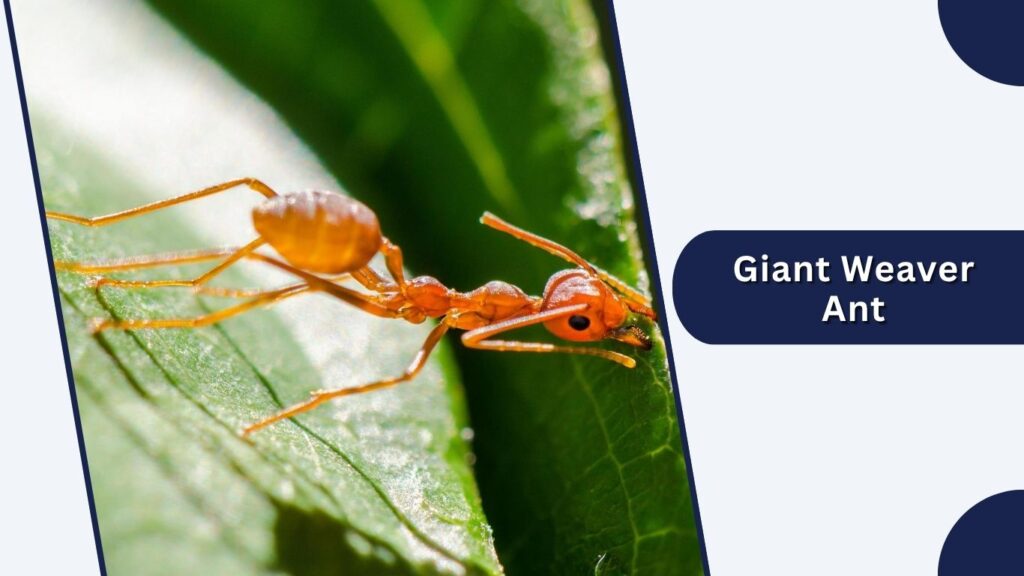
The Giant Weaver Ant is one of the largest weaver ant types found in tropical forests. These ants are known for their impressive size, aggressive behavior, and large leaf nests built high in trees. They live in organized colonies where thousands of workers cooperate to defend territory, hunt prey, and care for developing young ants.
Identification
- Large reddish-brown or orange body color
- Longer legs and bigger body than most weaver ants
- Worker ants may grow up to 10 mm long
- Strong curved mandibles with painful bites
- Large black eyes with sharp vision
- Queens are significantly larger and heavier
- Often seen patrolling tree branches in groups
Habitat and Distribution
Giant Weaver Ants are commonly found in tropical forests, orchards, and woodland regions across Asia and northern Australia. They prefer warm climates with tall trees and thick foliage. Their nests are usually built in large trees where leaves can easily be woven together into strong hanging shelters.
Behavior and Diet
These ants are extremely territorial and attack intruders aggressively. Worker ants cooperate while building nests, hunting insects, and protecting the queen. Their diet includes insects, nectar, fruit juices, and honeydew from plant-feeding insects. Giant Weaver Ants are skilled hunters and can overpower prey much larger than themselves through teamwork.
Life Cycle
The life cycle begins when a queen establishes a nest and lays eggs. Worker ants later hatch and care for the larvae inside the woven leaf nest. The larvae eventually develop into pupae and later emerge as adults. As the colony expands, additional nests are created in nearby branches, allowing the colony to spread across multiple trees.
10. Orange Weaver Ant
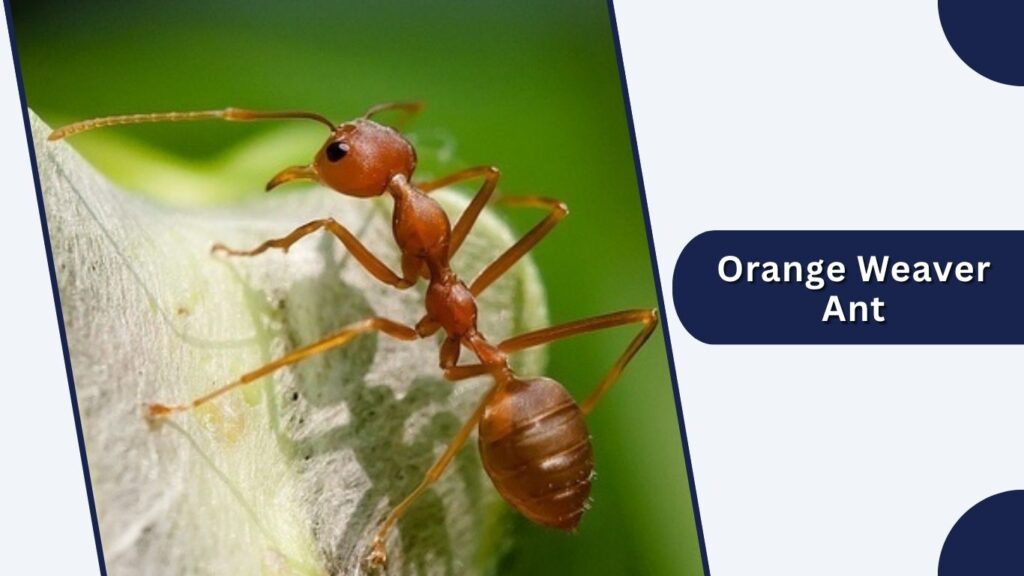
The Orange Weaver Ant is a brightly colored ant species famous for building leaf nests in trees. These ants are highly social and live in large colonies where every worker has a specific role. Their teamwork, fast movement, and strong defense behavior make them one of the most noticeable insects in tropical environments.
Identification
- Bright orange to orange-red body color
- Slim body with long legs
- Worker ants usually measure 5 to 8 mm long
- Sharp mandibles used for biting and carrying prey
- Smooth shiny body surface
- Queens are larger and darker than workers
- Often move in long active trails through tree branches
Habitat and Distribution
Orange Weaver Ants are mainly found in tropical forests, gardens, and orchards across Asia and northern Australia. They prefer warm regions with large leafy trees. Their nests are commonly built in mango trees, citrus trees, and rainforest vegetation where leaves can be woven together safely above the ground.
Behavior and Diet
These ants are aggressive defenders and quickly attack threats near their nests. Worker ants cooperate while weaving leaves, collecting food, and protecting larvae. Their diet includes insects, nectar, fruit juices, and honeydew from sap-feeding insects. Orange Weaver Ants are active during the day and help reduce pest populations in many agricultural areas.
Life Cycle
The queen begins the colony by laying eggs inside a protected leaf nest. The eggs hatch into larvae that are cared for by worker ants until they become pupae. Adult ants later emerge and begin helping with colony tasks such as hunting and nest repair. Large colonies may contain thousands of ants spread across several connected nests.
11. Leaf-Weaving Ant
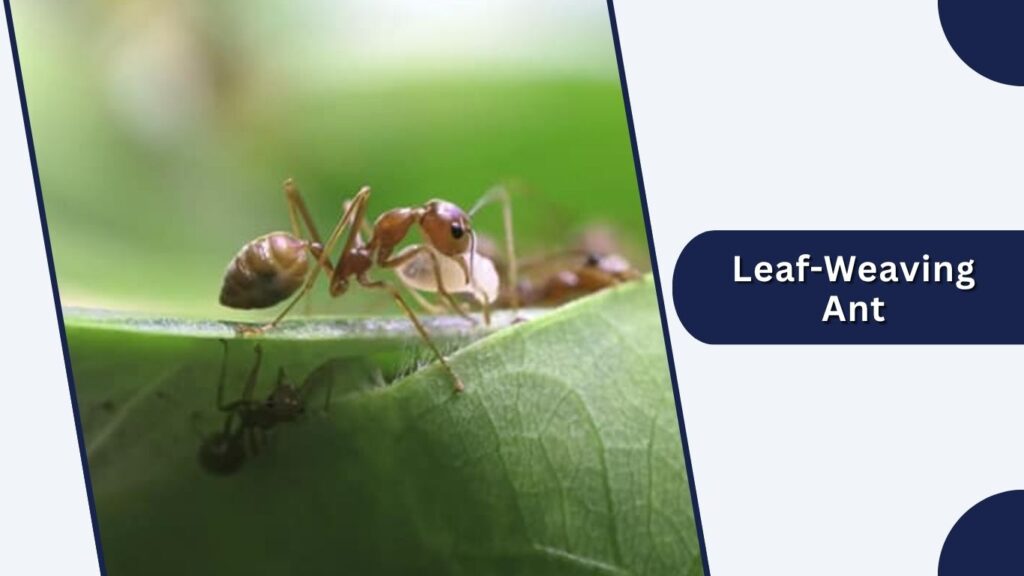
The Leaf-Weaving Ant is a skilled nest-building ant species that creates shelters by joining living leaves together with silk from its larvae. These ants are highly organized and live in large colonies high in trees. Their ability to cooperate while building nests makes them one of the most fascinating social insects in tropical ecosystems.
Identification
- Reddish-brown to orange body color
- Long slender legs adapted for climbing
- Worker ants usually grow between 5 and 9 mm long
- Strong mandibles for gripping leaves and prey
- Smooth body with a narrow waist
- Queens are much larger than worker ants
- Often seen carrying leaves or insects in groups
Habitat and Distribution
Leaf-Weaving Ants are commonly found in tropical forests, orchards, gardens, and mangrove habitats throughout Asia, Africa, and Australia. They prefer warm climates with dense tree cover. Their nests are usually located in trees with flexible leaves that can easily be pulled together and woven into secure shelters.
Behavior and Diet
These ants are active hunters and aggressive colony defenders. Worker ants cooperate during nest construction by pulling leaves together while larvae produce silk to seal the nest. Their diet includes insects, nectar, fruit juices, and honeydew from small sap-feeding insects. Leaf-Weaving Ants are beneficial in many ecosystems because they help control harmful insect populations.
Life Cycle
The colony begins when a fertilized queen establishes a small nest and starts laying eggs. The eggs hatch into larvae, which are fed and protected by worker ants. After becoming pupae, young ants emerge and gradually take on colony duties. As the colony grows, new woven nests are built nearby to support the expanding population.
12. Jungle Weaver Ant
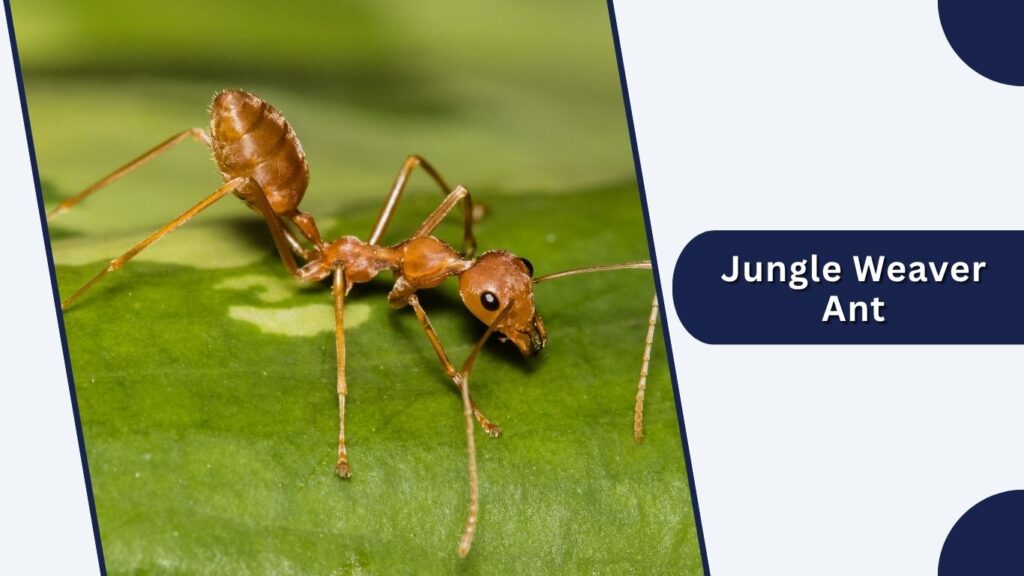
The Jungle Weaver Ant is a tropical ant species that lives in dense forests and builds nests by weaving leaves together high in trees. These ants are known for their strong teamwork, aggressive defense, and organized colonies. They play an important role in forest ecosystems by hunting insects and helping maintain ecological balance.
Identification
- Reddish-orange to dark brown body color
- Long legs and slim body shape
- Worker ants usually measure 5 to 10 mm long
- Powerful mandibles with a painful bite
- Large eyes suited for daytime activity
- Queens are larger and heavier than workers
- Commonly seen traveling in long trails across branches
Habitat and Distribution
Jungle Weaver Ants are mainly found in tropical rainforests and woodland habitats across Asia, Africa, and northern Australia. They prefer humid regions with thick vegetation and tall trees. Their nests are built in forest canopies where leaves can be woven together safely away from many ground predators.
Behavior and Diet
These ants are highly territorial and quickly defend their nests against threats. Worker ants cooperate while building nests, hunting insects, and caring for larvae. Their diet includes insects, nectar, fruit juices, and honeydew from sap-feeding insects. Jungle Weaver Ants are active predators and help reduce insect populations within forest habitats.
Life Cycle
The life cycle starts when a queen lays eggs inside a woven leaf nest. Worker ants protect the eggs and feed the larvae until they develop into pupae. Adult ants later emerge and join colony activities such as foraging and nest maintenance. Large colonies can spread across several nearby trees through multiple connected nests.
FAQs
What are weaver ants known for?
Weaver ants are best known for building nests by weaving leaves together using silk produced by their larvae. They live in large colonies and work together to protect their nests, gather food, and care for young ants. Their teamwork makes them one of the most organized insect species.
Are weaver ants dangerous to humans?
Weaver ants are generally not dangerous, but they can deliver painful bites when disturbed. Some species also spray irritating chemicals after biting. Although the bites may cause temporary pain or skin irritation, they are usually harmless and do not require medical treatment.
What do weaver ants eat?
Weaver ants mainly feed on insects, nectar, fruit juices, and honeydew from sap-feeding insects. They are active hunters and often catch small insects in trees and gardens. Their diet helps them survive in tropical environments where food sources are plentiful throughout the year.
Where do weaver ants build their nests?
Weaver ants build nests in trees by pulling leaves together and sealing them with larval silk. Their nests are commonly found in forests, orchards, gardens, mangroves, and tropical woodlands. Most colonies create several connected nests across nearby branches for extra protection and space.
Why are weaver ants important in nature?
Weaver ants help control harmful insect populations by hunting pests in forests and agricultural areas. Farmers sometimes use them as natural pest control in fruit orchards. They also contribute to the ecosystem by maintaining balance among insects and serving as prey for other animals.