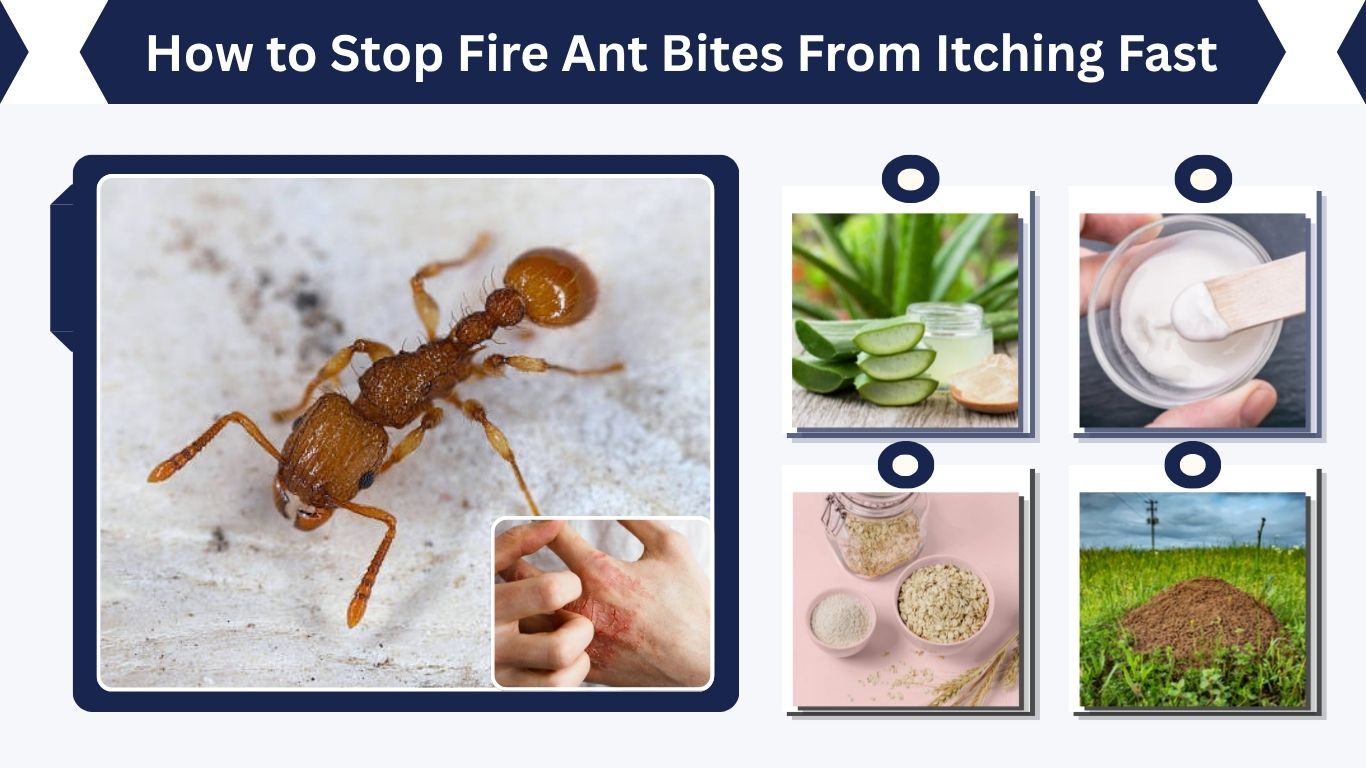
Fire ant bites can be painful, itchy, and very uncomfortable. These aggressive ants inject venom into the skin, causing burning, redness, swelling, and itchy bumps that may last for days. Many people search for quick relief because scratching can make the irritation worse and even lead to infection. Fortunately, several home remedies and medical treatments can help calm the skin and reduce itching quickly. Knowing how to treat fire ant bites properly can also help prevent complications and make recovery much more comfortable for both children and adults.
Understanding Fire Ant Bites
Fire ant bites often feel like a sudden burning sting followed by itching and swelling. The reaction happens because the ants inject venom into the skin when they bite and sting. Symptoms can vary from mild irritation to stronger allergic reactions depending on the person and the number of bites received.
Why Fire Ant Bites Itch So Much
Fire ant venom contains chemicals that irritate the skin and trigger the body’s immune response. This reaction causes redness, swelling, and intense itching around the affected area. The itching may become stronger after a few hours as small pus-filled bumps begin to form.
Common Symptoms After a Fire Ant Sting
- Burning or stinging pain
- Red swollen bumps on the skin
- Small white pustules after several hours
- Intense itching around the bite area
- Mild warmth or tenderness
How Long Fire Ant Bite Itching Lasts
The itching from fire ant bites usually lasts a few days, but some people may experience irritation for up to a week. Mild bites often improve within 3 to 5 days, while multiple bites or allergic reactions may take longer to heal completely.
How to Stop Fire Ant Bites From Itching
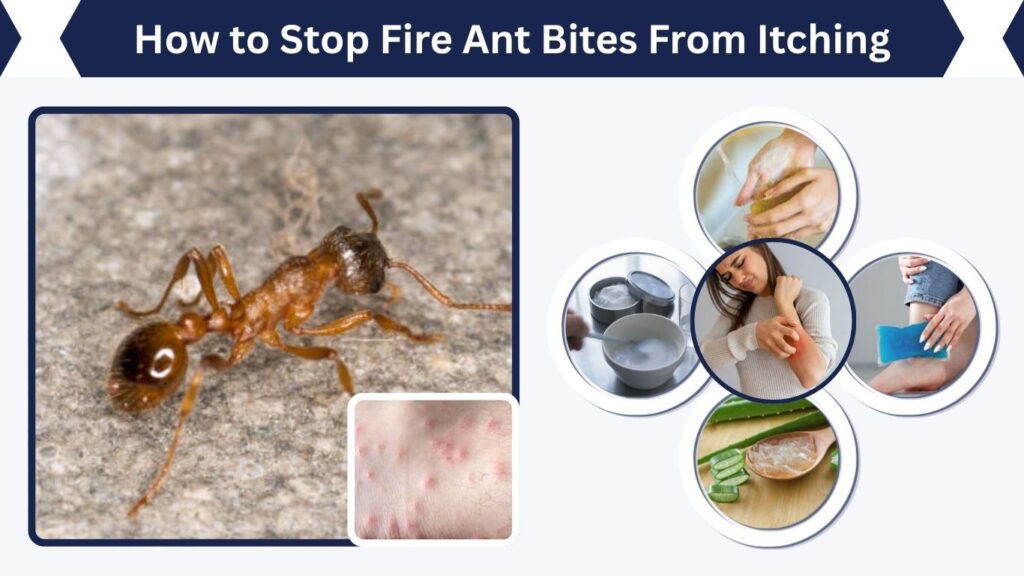
Quick treatment can reduce discomfort and help prevent infection. Cleaning the skin and using anti-itch remedies early can calm inflammation before the itching becomes severe. Both home treatments and over-the-counter products are commonly used for relief.
Wash the Area Immediately
Cleaning the affected area is one of the first and most important steps after being bitten by fire ants. Soap and cool water help remove dirt, bacteria, and remaining venom from the skin. Gently washing the area can also lower the chance of infection if scratching occurs later.
Apply a Cold Compress
- Wrap ice in a soft cloth before applying
- Hold it on the bite for 10 to 15 minutes
- Helps reduce swelling and redness
- Numbs the skin to reduce itching
- Repeat several times during the day if needed
Use Anti-Itch Creams
Over-the-counter creams can provide fast relief from itching and irritation. Hydrocortisone cream helps reduce inflammation, while calamine lotion can soothe irritated skin. Antihistamine creams may also help decrease allergic skin reactions caused by the venom.
Best Home Remedies for Fire Ant Bite Itching
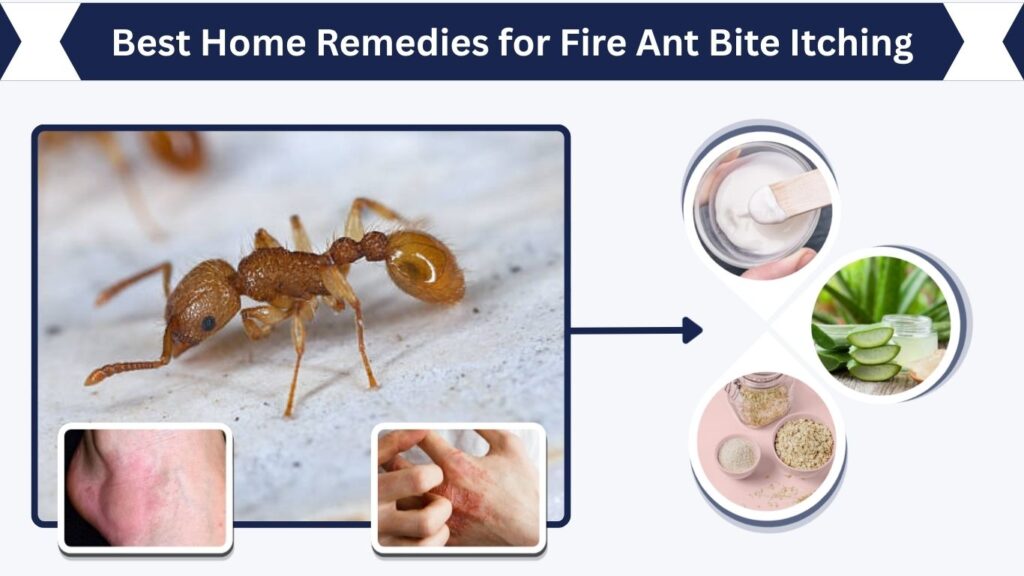
Many people prefer natural remedies to calm itchy fire ant bites. Some household ingredients may soothe irritated skin and reduce swelling without harsh chemicals. These remedies are usually most effective for mild bites and temporary discomfort.
Baking Soda Paste
A baking soda paste is a popular home remedy for itchy insect bites. Mixing baking soda with a small amount of water creates a thick paste that can be applied directly to the bite. This may help reduce itching and calm irritated skin for a short time.
Aloe Vera Gel
- Cools and soothes irritated skin
- May reduce redness and swelling
- Provides moisture to dry skin
- Often used for insect bites and burns
- Can be applied several times daily
Oatmeal Bath
An oatmeal bath can help people who have multiple fire ant bites across larger areas of the body. Oatmeal contains soothing compounds that may calm itching and reduce skin irritation. Soaking in lukewarm water for about 15 minutes often provides temporary relief.
What to Avoid After Fire Ant Bites
Certain actions can make fire ant bites worse and slow the healing process. Scratching the skin too much may cause infection or increase swelling. Knowing what to avoid is important for faster recovery and better skin protection after a sting.
Do Not Scratch the Bites
Scratching may temporarily relieve itching, but it can damage the skin and introduce bacteria into the bite area. This increases the risk of infection and may cause the bites to heal more slowly. Keeping the nails short and using anti-itch treatments can help reduce the urge to scratch.
Avoid Hot Water on the Skin
- Hot water may increase itching and swelling
- Heat can irritate sensitive skin further
- Cool or lukewarm water is safer for cleaning
- Avoid very hot showers after getting bitten
- Cold compresses work better for relief
Do Not Pop the Pustules
Fire ant bites often develop small white pustules within a day. These bumps should not be squeezed or popped because opening them may allow bacteria to enter the skin. Most pustules dry out naturally and disappear without leaving serious scars if left alone.
When to See a Doctor for Fire Ant Bites
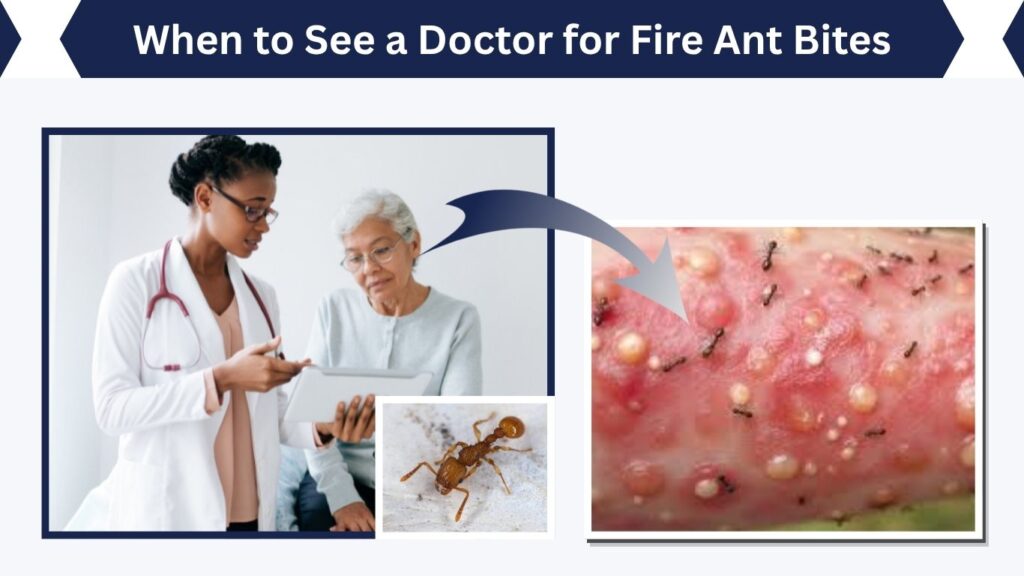
Most fire ant bites improve without medical treatment, but some reactions can become serious. Severe swelling, allergic symptoms, or signs of infection may require professional medical care. People with known insect sting allergies should be especially careful after being bitten.
Signs of an Allergic Reaction
- Trouble breathing or wheezing
- Swelling of the face, lips, or throat
- Dizziness or fainting
- Rapid heartbeat
- Severe hives or rash
Symptoms of Infection
If the bite area becomes increasingly painful, warm, or filled with pus, an infection may be developing. Red streaks around the skin or fever can also be warning signs. A doctor may prescribe antibiotics if the infection becomes serious or spreads beyond the bite area.
Severe Swelling and Persistent Itching
Some people experience swelling that spreads far beyond the original bite location. Persistent itching lasting more than a week may also indicate a stronger reaction to the venom. Medical treatment may include prescription creams, antihistamines, or stronger anti-inflammatory medications.
How to Prevent Fire Ant Bites in the Future
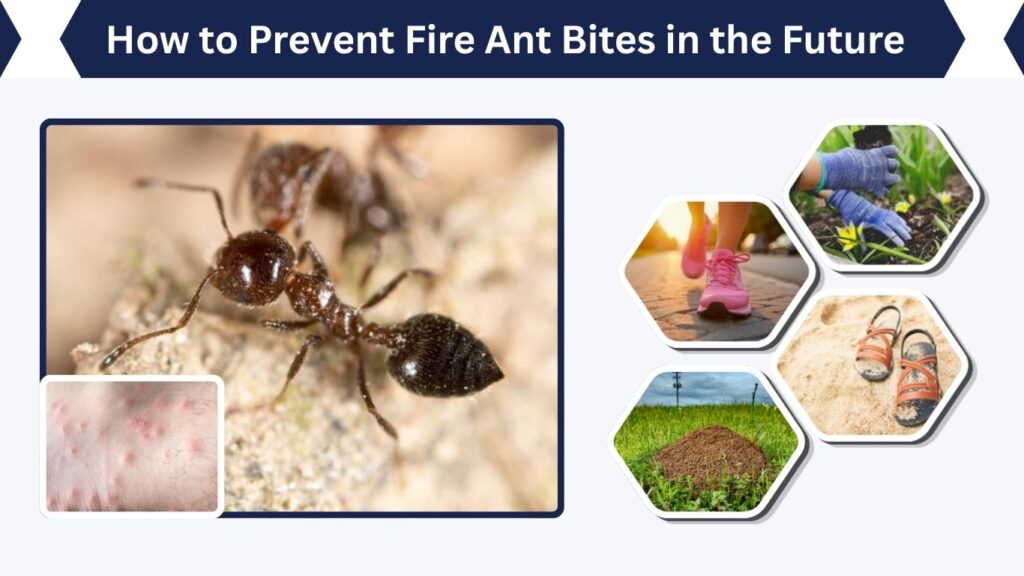
Preventing fire ant bites is the best way to avoid painful itching and swelling. Fire ants are aggressive when their nests are disturbed, so taking precautions outdoors can greatly reduce the risk of getting stung.
Wear Protective Shoes and Clothing
- Wear closed shoes when walking outdoors
- Use gloves while gardening or working in soil
- Avoid sandals near grassy or sandy areas
- Wear long pants in fire ant habitats
- Check clothing before putting it on outdoors
Avoid Disturbing Fire Ant Mounds
Fire ant colonies usually build visible dirt mounds in lawns, parks, gardens, and fields. Accidentally stepping on these mounds can trigger a large group attack within seconds. Staying alert and avoiding disturbed nests is one of the best ways to prevent bites.
Use Insect Repellents Outdoors
Certain insect repellents may help reduce the chance of ant bites during outdoor activities. Applying repellent to shoes, socks, and clothing can offer extra protection in areas where fire ants are common. Always follow product instructions carefully for safe use.
Fire Ant Bite Treatment vs Prevention
Both treatment and prevention are important when dealing with fire ants. Quick treatment helps reduce itching and discomfort after a bite, while prevention lowers the chance of future stings during outdoor activities.
| Treatment Methods | Prevention Methods |
| Cold compress | Wearing closed shoes |
| Hydrocortisone cream | Avoiding fire ant mounds |
| Aloe vera gel | Using insect repellent |
| Oral antihistamines | Wearing gloves outdoors |
| Calamine lotion | Checking outdoor areas before sitting |
FAQs
How do I stop fire ant bites from itching quickly?
You can reduce itching by washing the area with cool water, applying a cold compress, and using anti-itch creams like hydrocortisone or calamine lotion. Oral antihistamines may also help reduce swelling and irritation. Avoid scratching the bites because it can make the itching worse and increase infection risk.
How long do fire ant bites itch?
Most fire ant bites itch for about 3 to 7 days. Mild bites usually heal faster, while multiple stings or allergic reactions may last longer. The itching often becomes strongest after small white pustules form on the skin within the first 24 hours after the bite.
Is ice good for fire ant bites?
Yes, ice or a cold compress can help reduce itching, swelling, and redness caused by fire ant bites. Always wrap the ice in a cloth before applying it to the skin. Use it for 10 to 15 minutes at a time to avoid skin irritation from direct cold exposure.
Should I pop the white bumps from fire ant bites?
No, you should not pop the white pustules caused by fire ant bites. Opening them can allow bacteria to enter the skin and increase the risk of infection. The bumps usually dry out and heal naturally within several days if left untouched.
When should I see a doctor for fire ant bites?
You should seek medical attention if you develop trouble breathing, severe swelling, dizziness, fever, spreading redness, or signs of infection. People with strong allergic reactions to insect stings should get immediate medical help because fire ant venom can sometimes cause serious complications.