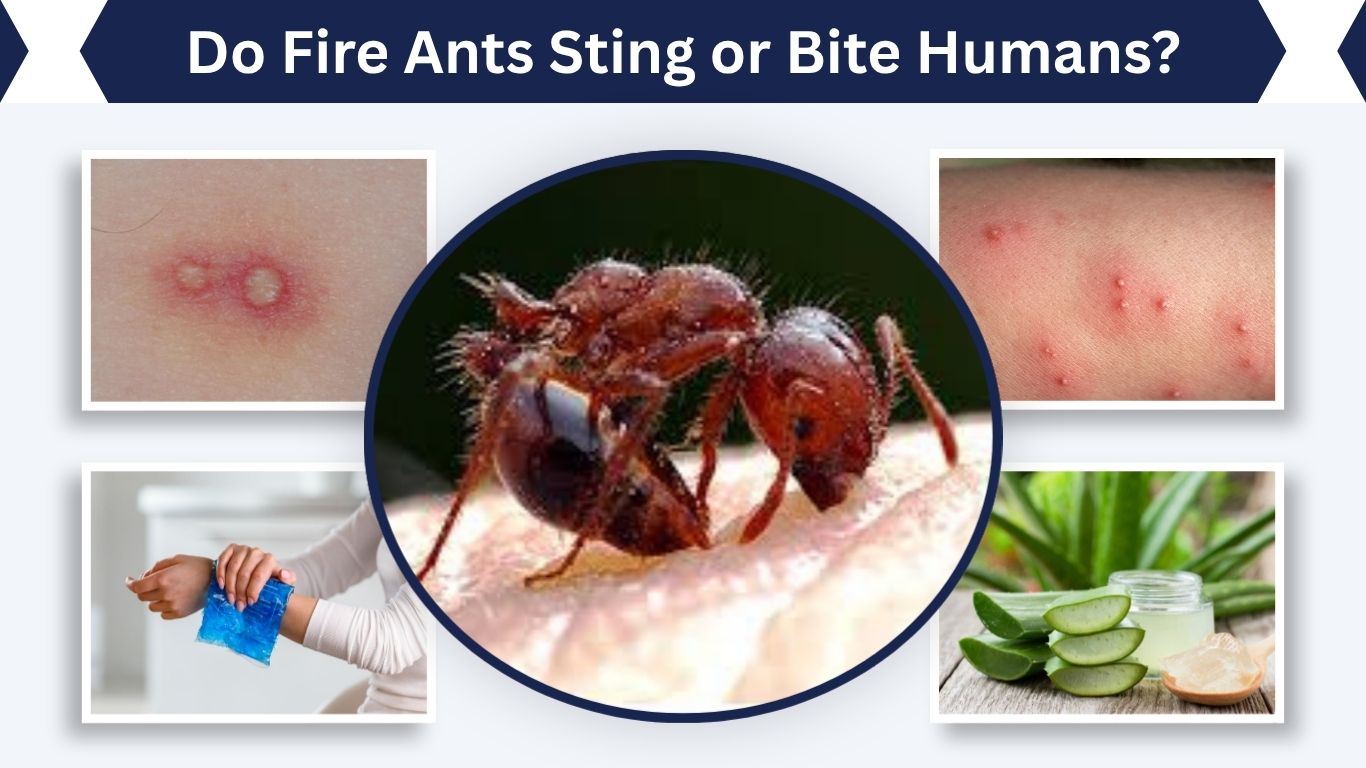
Fire ants are aggressive insects that often cause painful encounters for people and pets. Many people wonder whether these ants bite, sting, or do both when they attack. The confusion happens because fire ants use their jaws and stinger at nearly the same time. Their venom can cause burning pain, swelling, itching, and even allergic reactions in some cases.
Understanding how fire ants attack can help you recognize symptoms, treat stings properly, and avoid dangerous encounters outdoors. This guide explains the difference between fire ant bites and stings, how they affect the skin, and why these ants are considered serious pests in many warm regions.
Do Fire Ants Bite or Sting?
Fire ants are unusual because they both bite and sting during an attack. They first use their jaws to grab onto the skin and then use their stinger to inject venom. Most of the pain people feel comes from the sting rather than the bite itself. Fire ants can sting several times in a short period, making encounters especially painful.
How Fire Ants Bite
Fire ants use their strong mandibles to hold the skin tightly before stinging. The bite itself usually feels like a small pinch and does not cause major pain. However, the bite helps the ant stay attached while it rotates its body and injects venom multiple times.
How Fire Ants Sting
The sting is the most painful part of a fire ant attack. The ant uses a venomous stinger located at the end of its abdomen. Fire ant venom causes a burning sensation that many people describe as feeling like fire, which is how these ants earned their common name.
Common Signs of a Fire Ant Sting
- Sudden burning pain
- Red swollen bumps
- Intense itching
- White pustules after 24 hours
- Skin irritation lasting several days
- Multiple sting marks close together
What Does a Fire Ant Sting Feel Like?
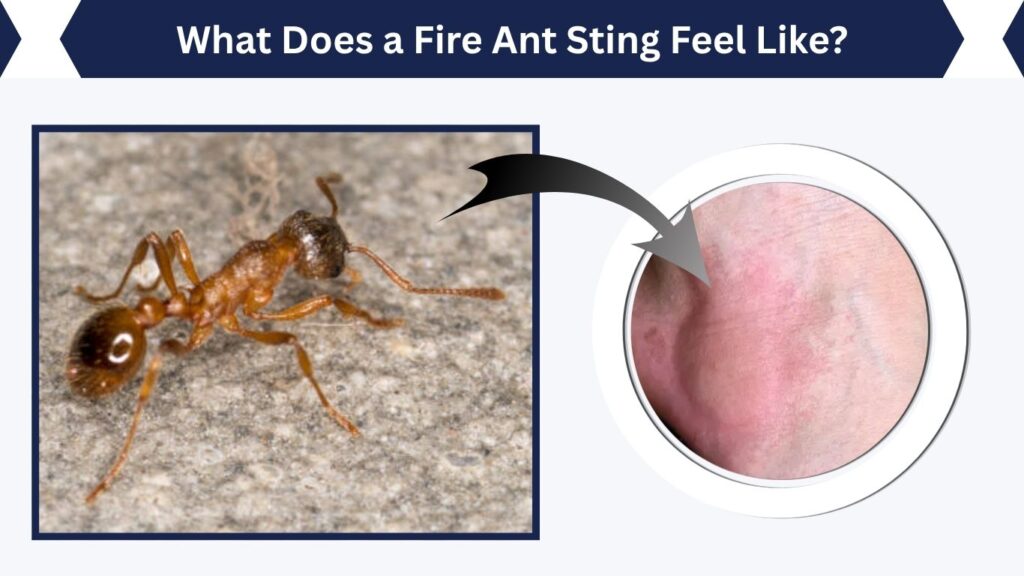
A fire ant sting can feel painful almost immediately after contact. The reaction usually begins with a sharp burning sensation followed by redness and swelling. Some people only experience mild discomfort, while others may develop larger reactions depending on their sensitivity to the venom.
Immediate Symptoms After a Sting
The first symptoms usually appear within seconds. Most people notice sharp pain followed by a warm or burning feeling around the affected area. The skin may quickly become red and swollen, especially if several ants sting at once.
Why White Pustules Form
One of the most recognizable signs of a fire ant sting is the appearance of small white pustules. These bumps usually form within a day after the sting occurs. The pustules are caused by the venom reaction and should not be scratched because scratching may increase the risk of infection.
Severe Allergic Reactions
Some people experience serious allergic reactions after being stung by fire ants. Symptoms may include breathing difficulty, dizziness, severe swelling, or nausea. These reactions require immediate medical attention because they can become life-threatening in severe cases.
Fire Ant Bite vs Fire Ant Sting
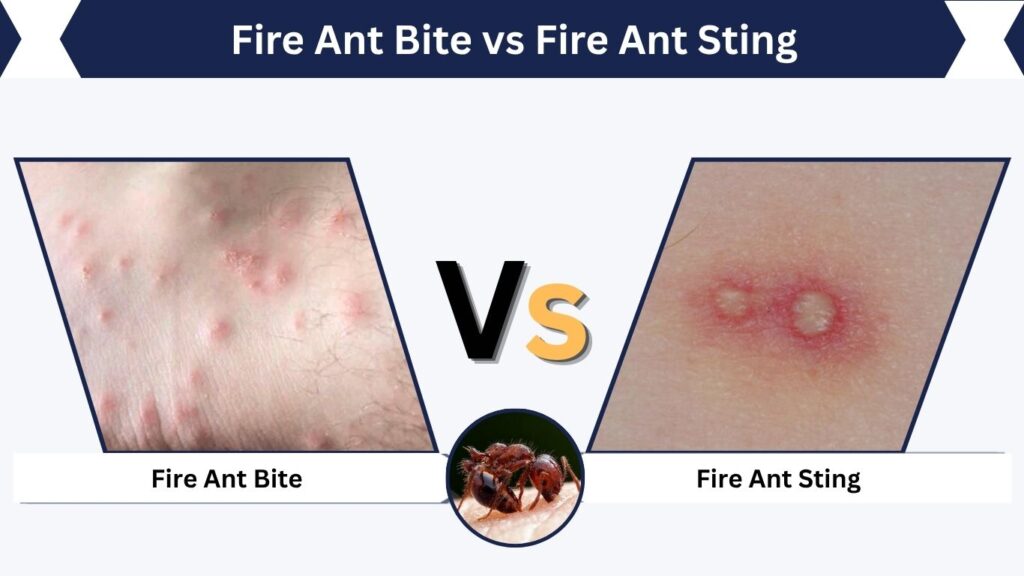
Many people use the terms bite and sting interchangeably, but they are not the same thing. Fire ants use their bite mainly to grip the skin, while the sting injects venom that causes pain and swelling. Understanding the difference helps explain why fire ant attacks are so uncomfortable.
Comparison Between Bites and Stings
| Feature | Fire Ant Bite | Fire Ant Sting |
| Purpose | Hold the skin | Inject venom |
| Pain Level | Mild | Strong burning pain |
| Main Effect | Pinching feeling | Swelling and irritation |
| Lasting Symptoms | Minimal | Can last several days |
| Causes White Pustules | No | Yes |
Which One Hurts More?
The sting is far more painful than the bite. Fire ant venom contains toxic compounds that irritate the skin and trigger inflammation. While the bite may barely be noticed, the sting often causes lasting discomfort and itching for days afterward.
Why Do Fire Ants Attack Humans?
Fire ants do not usually attack humans without a reason. Most stings happen when people accidentally disturb a nest or step onto a mound. These ants are highly defensive and react quickly when they sense danger near their colony.
Common Situations That Trigger Attacks
- Stepping on fire ant mounds
- Gardening near hidden nests
- Outdoor sports and picnics
- Pets disturbing colonies
- Yard work in grassy areas
- Standing near nests too long
Defensive Colony Behavior
Fire ants work together to protect their colony from threats. When the nest is disturbed, worker ants quickly swarm upward and sting repeatedly. This aggressive defense strategy helps protect the queen and young ants living underground.
How to Treat Fire Ant Stings at Home
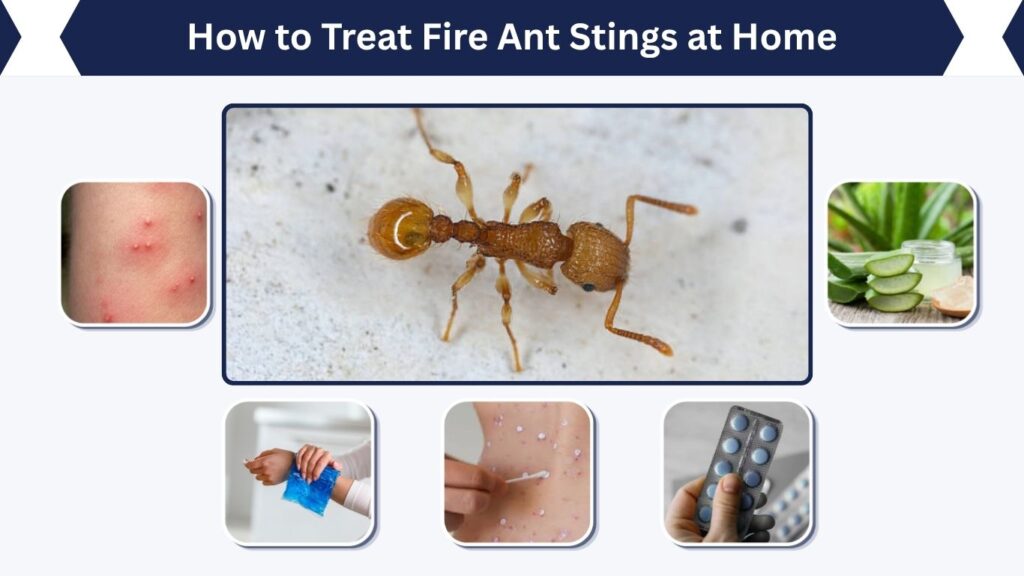
Proper treatment can reduce pain, swelling, and itching after a fire ant sting. Most mild stings can be treated at home with simple first-aid methods. Quick action may also help prevent infection and reduce discomfort during the healing process.
Immediate First Aid Steps
The first thing you should do is move away from the ant mound to avoid additional stings. Wash the affected area with soap and water to remove dirt and venom residue. Applying a cold compress can help reduce swelling and calm the burning sensation caused by the sting.
Helpful Treatments for Fire Ant Stings
- Ice packs for swelling
- Antihistamines for itching
- Hydrocortisone cream for irritation
- Pain relievers for discomfort
- Aloe vera gel for soothing skin
- Keeping the area clean and dry
When to See a Doctor
Medical care may be necessary if symptoms become severe or unusual. People who experience breathing problems, chest tightness, severe swelling, or dizziness after a sting should seek emergency treatment immediately. A doctor may also be needed if the sting area becomes infected or extremely painful.
How to Prevent Fire Ant Bites and Stings
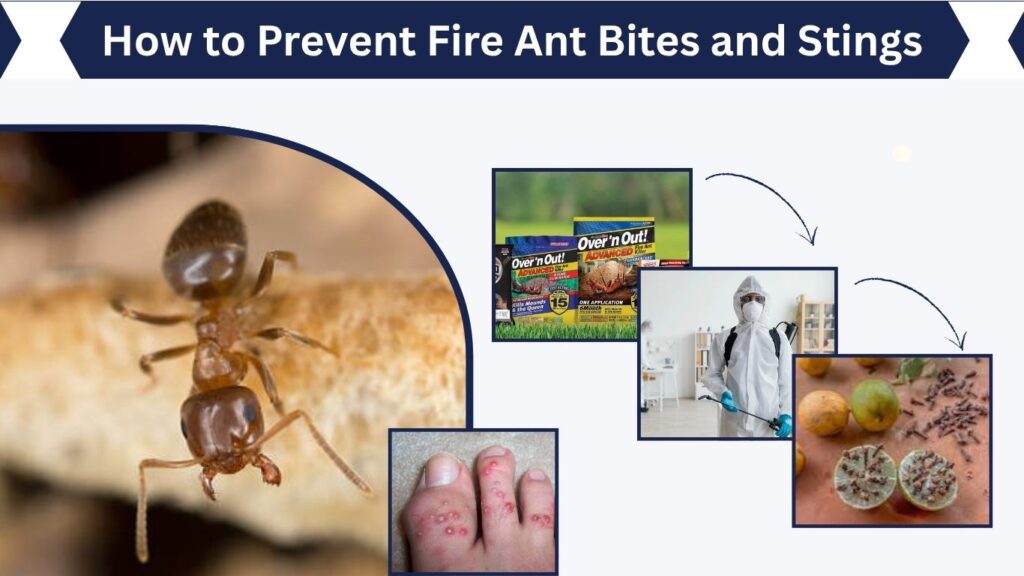
Preventing fire ant stings is often easier than treating them. These ants usually attack when their nests are disturbed, so staying aware of their presence outdoors can greatly reduce the risk of painful encounters.
Yard and Lawn Prevention Tips
Fire ant mounds should be identified and treated as soon as possible. Keeping grass short and removing debris from the yard can make nests easier to spot. Avoid leaving food scraps outdoors because they may attract ants closer to homes and walking areas.
Protective Clothing Outdoors
Wearing proper clothing can help reduce skin exposure in areas where fire ants are common. Closed shoes, socks, gloves, and long pants provide a protective barrier that may prevent ants from reaching the skin quickly during outdoor activities.
Safe Fire Ant Control Methods
- Fire ant bait products
- Professional pest control services
- Boiling water treatments for small mounds
- Natural citrus-based repellents
- Regular yard inspections
- Sealing cracks near buildings
Fire Ant Facts and Behavior
Fire ants are highly organized social insects that live in colonies containing thousands of workers. Their aggressive defense system and painful venom make them one of the most feared ant species in warm climates around the world.
How Many Times Can Fire Ants Sting?
Unlike bees, fire ants can sting multiple times without losing their stinger. A single ant may sting repeatedly while attached to the skin. When large colonies attack together, victims may receive dozens of stings within seconds.
Why Fire Ant Venom Burns
Fire ant venom contains alkaloid compounds that trigger pain, inflammation, and skin irritation. The venom damages skin tissue and causes the burning feeling commonly associated with fire ant stings. Some people are more sensitive to the venom than others.
Where Fire Ants Are Commonly Found
Fire ants thrive in warm climates with loose soil and open sunny areas. They are especially common in the southern United States, Australia, South America, and other tropical or subtropical regions. Colonies often build large mounds in lawns, fields, parks, and roadside areas.
FAQs
Do fire ants bite before they sting?
Yes, fire ants usually bite first to hold onto the skin. After securing themselves with their jaws, they use their stinger to inject venom multiple times. Most of the pain people feel comes from the sting rather than the bite itself.
Are fire ant stings dangerous?
Fire ant stings are usually painful but mild for most people. However, some individuals can develop severe allergic reactions that may include swelling, breathing difficulty, or dizziness. Serious reactions require immediate medical attention because they can become life-threatening.
How long do fire ant stings last?
The burning pain from a fire ant sting often lasts several hours, while itching and swelling may continue for several days. White pustules commonly appear within 24 hours and usually heal within a week if left untouched.
Why do fire ant stings turn into white bumps?
The white bumps, called pustules, form because the venom causes a reaction in the skin. These pustules are a common sign of fire ant stings and should not be scratched, as scratching can increase the risk of infection.
Can fire ants sting pets?
Yes, fire ants can sting pets, especially dogs and cats that disturb nests outdoors. Pets may experience pain, swelling, itching, and irritation after being stung. Severe reactions are possible in sensitive animals and may require veterinary treatment.