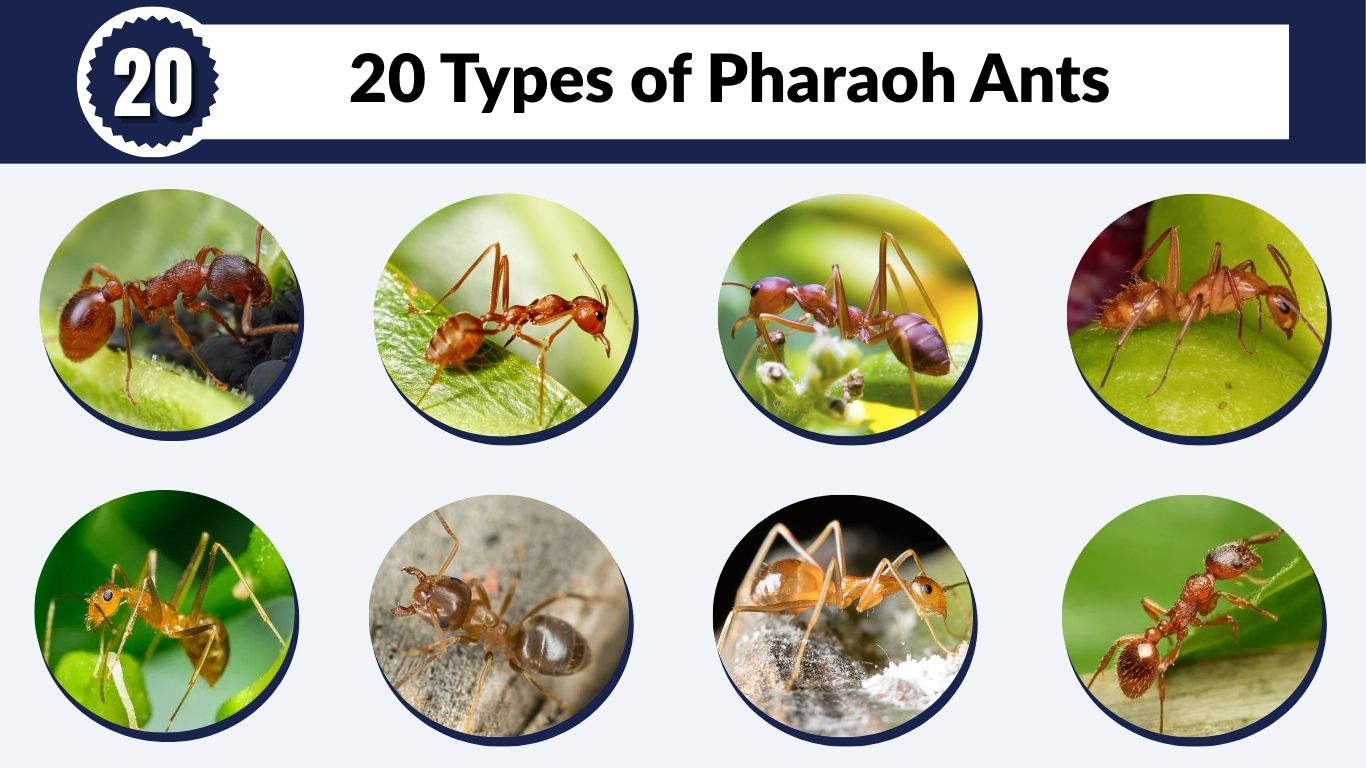
Pharaoh ants are tiny invasive ants commonly found in homes, apartments, hospitals, restaurants, and commercial buildings around the world. These small ants are known for their rapid colony growth, hidden nesting behavior, and ability to spread through walls, insulation, and plumbing systems. Although they are tiny, pharaoh ants can become serious indoor pests because colonies often contain multiple queens and thousands of workers. Different types of pharaoh ants may vary slightly in color, habitat preference, and nesting behavior. Learning to identify these ants can help homeowners understand infestations and improve indoor pest prevention strategies.
1. Pharaoh Ant
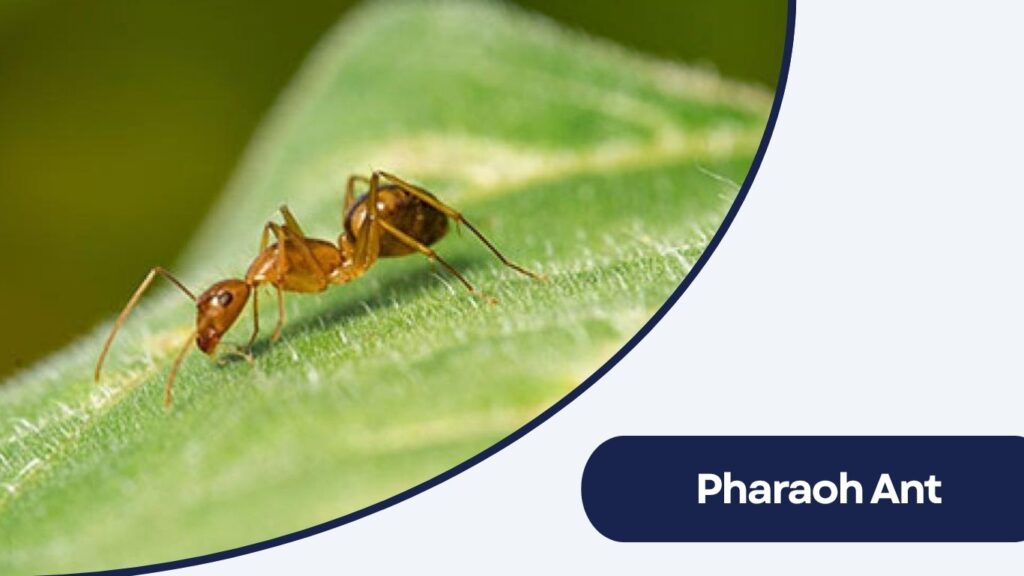
Pharaoh ants are tiny invasive ants commonly found inside homes, hospitals, restaurants, apartments, and commercial buildings. They are known for forming large colonies and spreading rapidly through wall voids, kitchens, and hidden indoor spaces. These ants are especially difficult to control because colonies may split into multiple groups when disturbed.
Identification
- Tiny pale yellow to light brown body
- About 1/16 inch long
- Darker abdomen tip
- Two-segmented waist
- Long elbowed antennae
- Small black eyes
- Fast-moving worker ants
Habitat and Distribution
Pharaoh ants are commonly found in warm indoor environments throughout the world. They prefer heated buildings, wall voids, insulation, kitchens, bathrooms, hospitals, and areas near moisture and food sources.
Behavior and Diet
These ants feed on sugary foods, grease, crumbs, dead insects, medicines, and protein-rich foods. Workers create long foraging trails and can quickly spread through buildings while searching for food and water.
Reproduction and Colony Structure
Pharaoh ant colonies may contain several queens and thousands of worker ants. Colonies reproduce rapidly and frequently divide into satellite nests, making infestations difficult to eliminate without proper pest control methods.
2. Yellow Pharaoh Ant
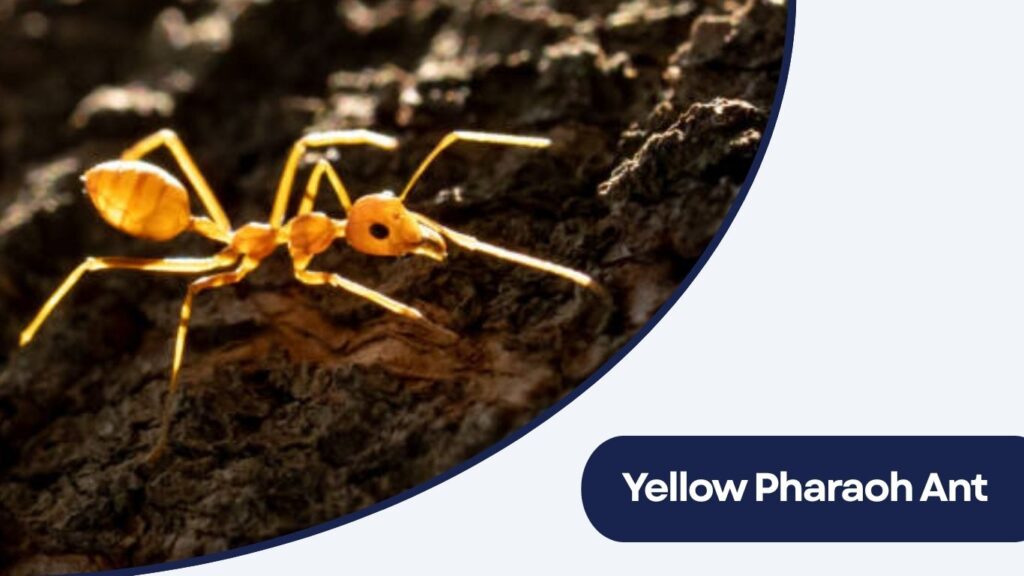
Yellow pharaoh ants are tiny indoor ants recognized by their pale yellow coloration and fast-moving behavior. These ants commonly invade kitchens, bathrooms, hospitals, and apartment buildings where warmth, food, and moisture are available year-round. Like other pharaoh ants, they form large colonies that spread quickly through hidden indoor spaces.
Identification
- Pale yellow to golden body color
- Very small body size
- Around 1/16 inch long
- Slightly darker abdomen tip
- Two-segmented waist
- Long elbowed antennae
- Tiny fast-moving workers
Habitat and Distribution
Yellow pharaoh ants commonly nest inside heated buildings, wall voids, insulation, electrical outlets, and behind appliances. They are widespread in urban environments and are especially common in warm indoor climates.
Behavior and Diet
These ants feed on sugary liquids, grease, crumbs, dead insects, pet food, and protein-rich foods. Workers create organized foraging trails and frequently move between food sources and hidden nesting areas indoors.
Reproduction and Colony Structure
Yellow pharaoh ant colonies often contain multiple queens and thousands of workers. Colonies reproduce rapidly and commonly split into several satellite nests, allowing infestations to spread throughout entire buildings.
3. Tiny Pharaoh Ant
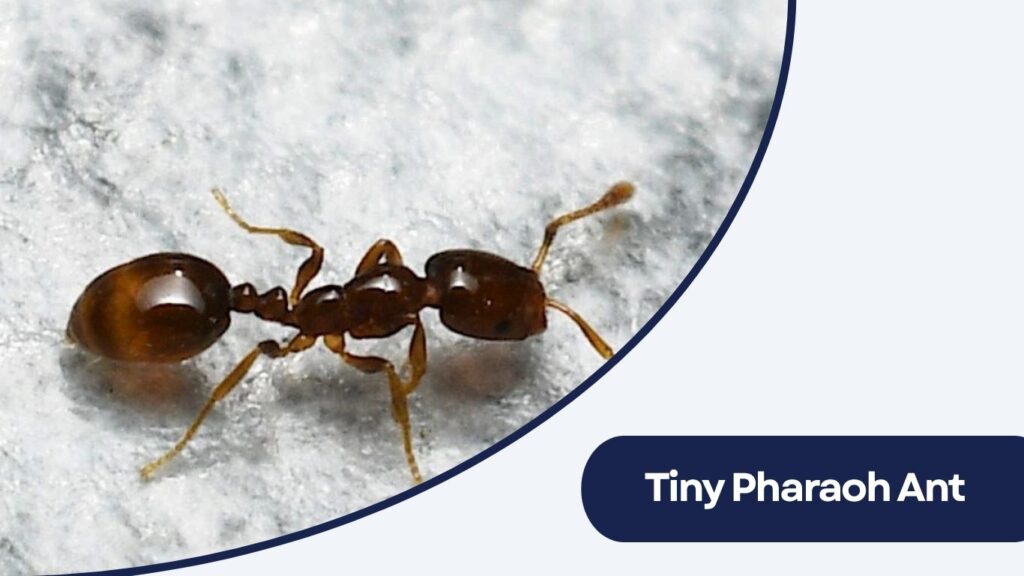
Tiny pharaoh ants are extremely small invasive ants commonly found inside homes, offices, restaurants, and healthcare facilities. Their tiny size allows them to enter through very small cracks and hidden openings. These ants are persistent indoor pests and can rapidly spread throughout buildings once colonies become established.
Identification
- Very small pale yellow body
- Around 1/16 inch long
- Darker abdomen tip
- Slender smooth appearance
- Two-segmented waist
- Long elbowed antennae
- Fast-moving worker ants
Habitat and Distribution
Tiny pharaoh ants commonly nest inside wall voids, behind cabinets, beneath flooring, near plumbing, and inside insulation. They are especially common in heated indoor environments with stable warmth and moisture.
Behavior and Diet
These ants feed on sugary foods, grease, crumbs, proteins, pet food, and dead insects. Workers travel in narrow organized trails and often invade kitchens, pantries, and bathrooms while searching for food and water.
Reproduction and Colony Structure
Tiny pharaoh ant colonies may contain several queens and thousands of workers. Colonies reproduce quickly and frequently divide into satellite nests, allowing infestations to spread rapidly through connected rooms and buildings.
4. Indoor Pharaoh Ant
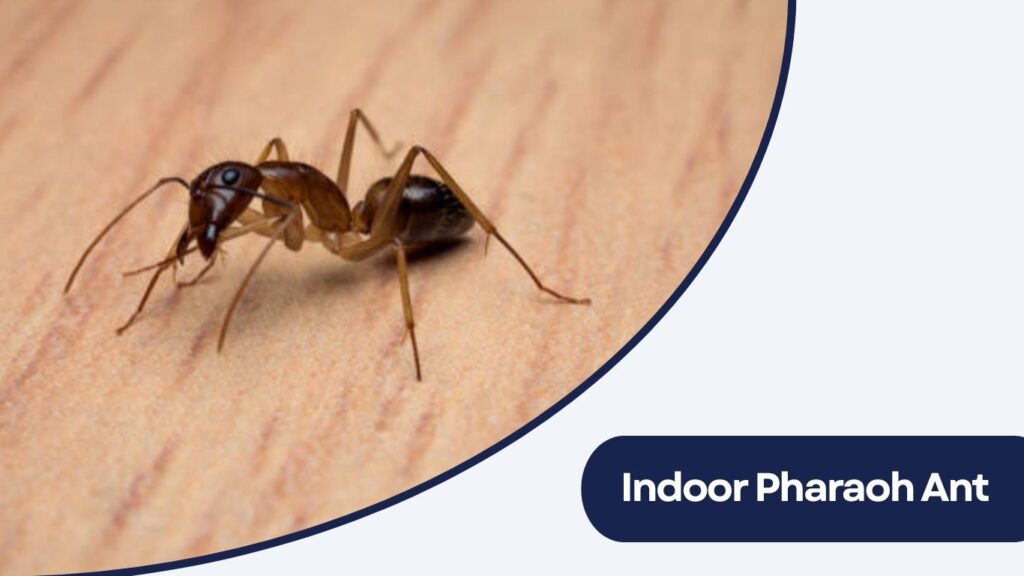
Indoor pharaoh ants are common household pests that thrive inside heated buildings where food, moisture, and shelter are always available. These ants are especially problematic in apartments, hospitals, hotels, and commercial kitchens because they can spread rapidly through hidden structural spaces.
Identification
- Tiny pale yellow to light brown body
- About 1/16 inch long
- Slightly darker abdomen
- Smooth slender appearance
- Two-segmented waist
- Long elbowed antennae
- Fast-moving worker ants
Habitat and Distribution
Indoor pharaoh ants commonly nest behind walls, beneath flooring, near plumbing, inside insulation, and around electrical systems. They are found worldwide in homes, office buildings, hospitals, and restaurants with warm indoor temperatures.
Behavior and Diet
These ants feed on sugary foods, grease, proteins, dead insects, pet food, and food crumbs. Workers form organized trails and frequently move between kitchens, bathrooms, and hidden nesting sites while foraging.
Reproduction and Colony Structure
Indoor pharaoh ant colonies often contain multiple queens and very large worker populations. Colonies reproduce rapidly and easily split into satellite nests, making infestations difficult to eliminate once they spread indoors.
5. Tropical Pharaoh Ant
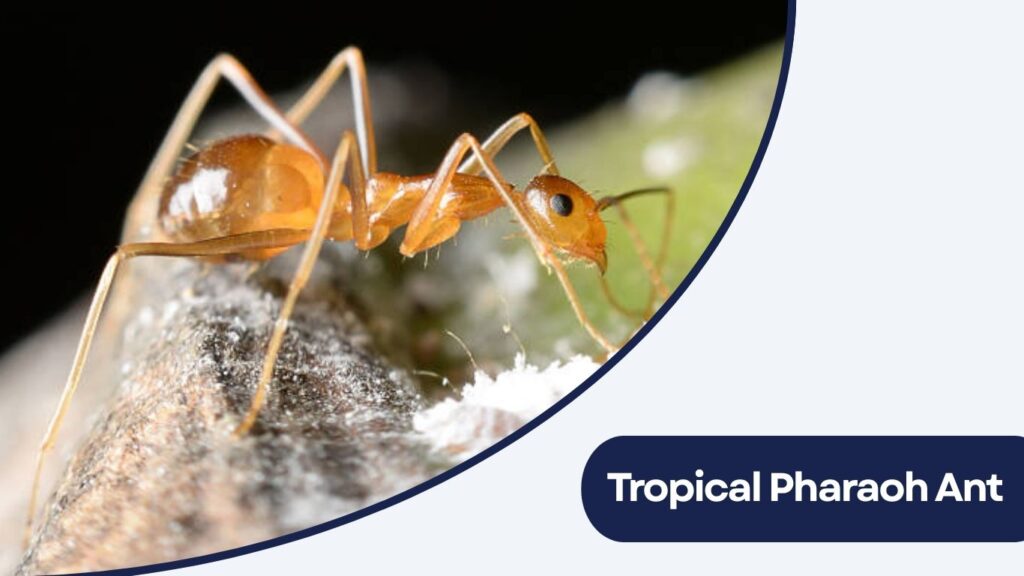
Tropical pharaoh ants are small invasive ants commonly found in warm, humid climates where indoor temperatures remain stable throughout the year. These ants frequently infest homes, hotels, hospitals, and commercial buildings while searching for food and moisture. Their rapid colony growth makes them difficult indoor pests to control.
Identification
- Tiny pale yellow to light brown body
- About 1/16 inch long
- Darker abdomen tip
- Smooth slender appearance
- Two-segmented waist
- Long segmented antennae
- Fast-moving worker ants
Habitat and Distribution
Tropical pharaoh ants commonly nest in warm indoor areas such as wall voids, kitchens, bathrooms, insulation, and electrical systems. They are widespread in tropical and subtropical regions with high humidity levels.
Behavior and Diet
These ants feed on sugary foods, grease, crumbs, dead insects, medicines, and protein-rich materials. Workers travel in organized trails and can quickly spread throughout buildings while searching for food and water sources.
Reproduction and Colony Structure
Tropical pharaoh ant colonies may contain several queens and thousands of workers. Colonies reproduce rapidly in warm climates and often split into multiple satellite nests that spread across large indoor areas.
6. Household Pharaoh Ant
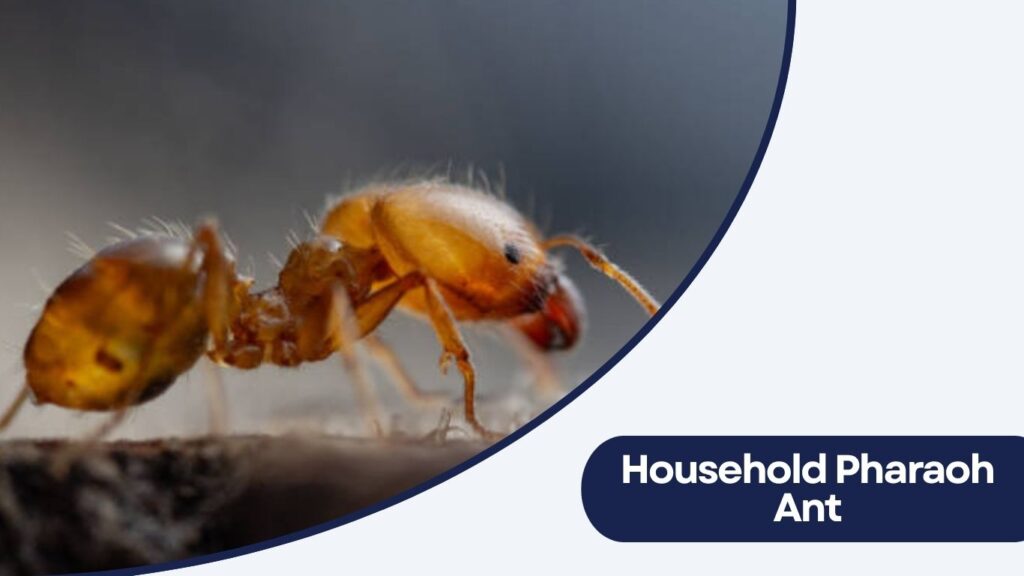
Household pharaoh ants are tiny indoor ants commonly found in kitchens, bathrooms, laundry rooms, and food storage areas. These ants are highly adaptable and can quickly establish large infestations inside homes and apartment buildings. Their small size allows them to hide inside cracks, wall voids, and hidden structural spaces.
Identification
- Tiny pale yellow body
- Slightly darker abdomen
- Around 1/16 inch long
- Smooth slender appearance
- Two-segmented waist
- Long elbowed antennae
- Fast-moving worker ants
Habitat and Distribution
Household pharaoh ants commonly nest inside walls, under floors, behind appliances, near plumbing, and within insulation. They are widespread in residential buildings, apartments, hotels, and heated indoor environments worldwide.
Behavior and Diet
These ants feed on sugary foods, grease, crumbs, dead insects, protein-rich foods, and pet food. Workers form visible trails and often move between kitchens, bathrooms, and hidden nesting areas while foraging.
Reproduction and Colony Structure
Household pharaoh ant colonies may contain multiple queens and thousands of worker ants. Colonies reproduce rapidly and frequently split into satellite nests, allowing infestations to spread quickly throughout buildings.
7. Pale Pharaoh Ant
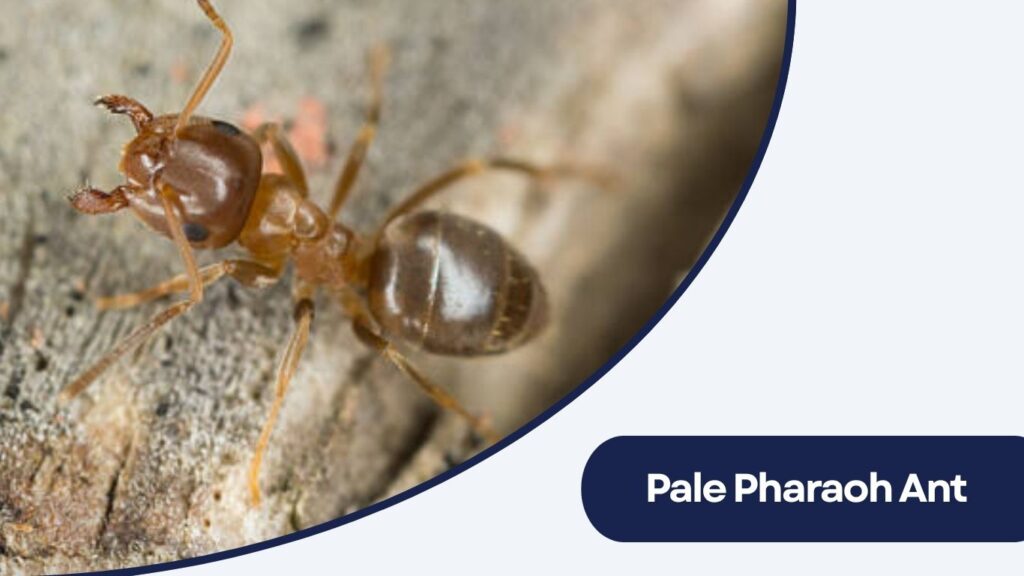
Pale pharaoh ants are tiny light-colored ants commonly found inside homes, hospitals, offices, and restaurants. Their pale body coloration makes them difficult to notice on light-colored walls and surfaces. Like other pharaoh ants, they reproduce quickly and can spread through buildings using hidden structural pathways.
Identification
- Pale yellow to cream-colored body
- Tiny slender appearance
- About 1/16 inch long
- Slightly darker abdomen tip
- Two-segmented waist
- Long elbowed antennae
- Fast-moving workers
Habitat and Distribution
Pale pharaoh ants commonly nest inside heated buildings near kitchens, bathrooms, wall voids, insulation, and plumbing systems. They are widespread in urban areas and indoor environments with stable warmth and moisture.
Behavior and Diet
These ants feed on sugary foods, grease, crumbs, dead insects, proteins, and pet food. Workers create narrow foraging trails and often travel through cabinets, counters, and electrical pathways while searching for food.
Reproduction and Colony Structure
Pale pharaoh ant colonies may contain several queens and large worker populations. Colonies reproduce rapidly and often divide into satellite nests, allowing infestations to spread throughout connected indoor spaces.
8. Golden Pharaoh Ant
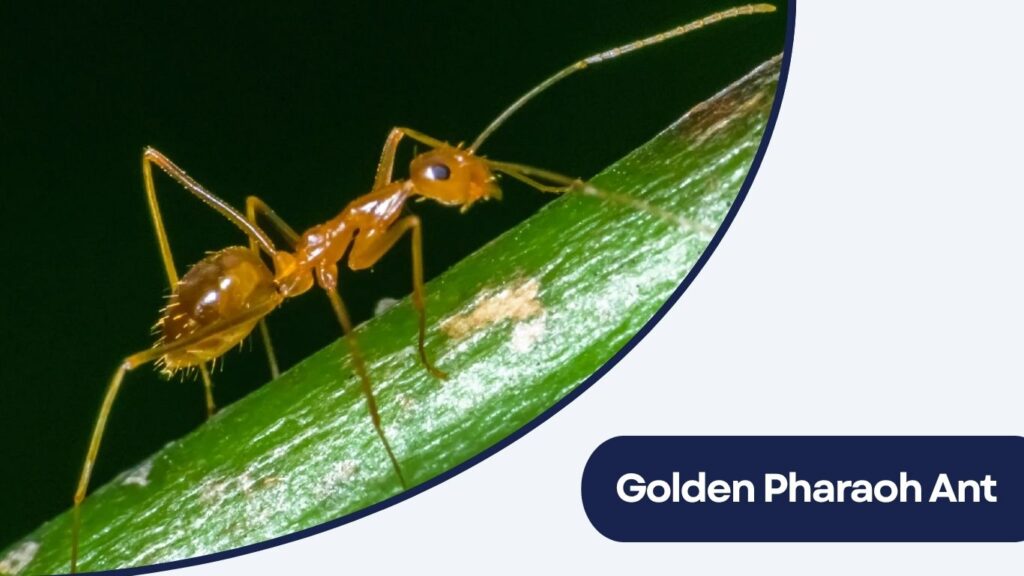
Golden pharaoh ants are tiny yellowish ants commonly found in warm indoor environments where food and moisture are easily available. Their golden body coloration makes them slightly lighter in appearance than some other pharaoh ant varieties. These ants are persistent indoor pests that can quickly spread through homes and commercial buildings.
Identification
- Golden yellow body color
- Tiny slender appearance
- Around 1/16 inch long
- Slightly darker abdomen
- Two-segmented waist
- Long elbowed antennae
- Fast-moving worker ants
Habitat and Distribution
Golden pharaoh ants commonly nest inside wall voids, insulation, cabinets, behind appliances, and near plumbing systems. They are frequently found in apartments, hospitals, restaurants, and heated residential buildings.
Behavior and Diet
These ants feed on sugary foods, grease, dead insects, crumbs, protein-rich foods, and pet food. Workers create organized trails and often travel through kitchens and bathrooms while searching for food and water.
Reproduction and Colony Structure
Golden pharaoh ant colonies often contain multiple queens and thousands of workers. Colonies reproduce rapidly and frequently split into smaller satellite nests that spread throughout indoor environments.
9. Urban Pharaoh Ant
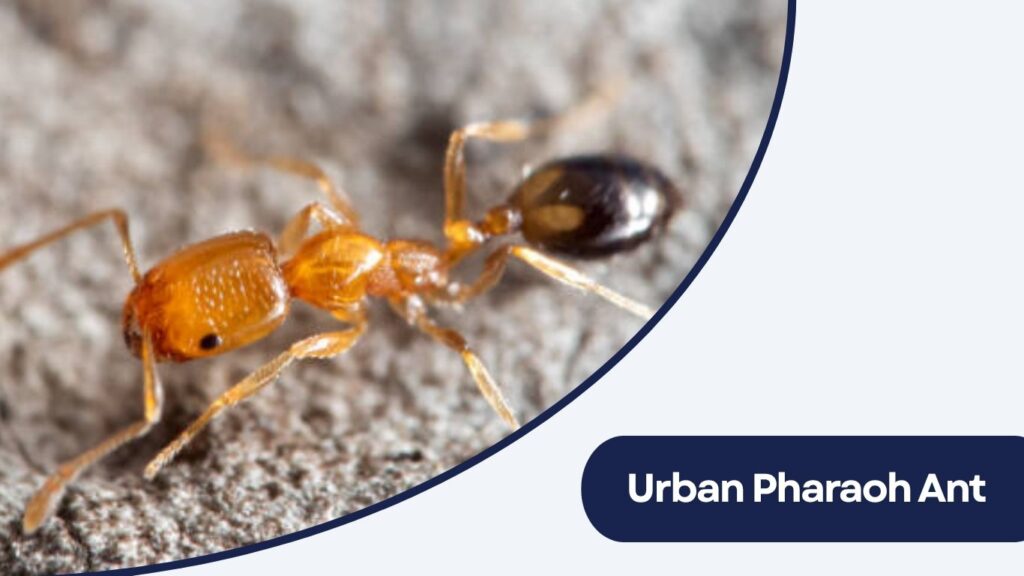
Urban pharaoh ants are highly adaptable indoor ants commonly found in cities, apartment complexes, offices, hospitals, and commercial buildings. These ants thrive in densely populated environments where warmth, food, and moisture are constantly available. Their rapid colony growth makes them one of the most persistent indoor ant pests.
Identification
- Tiny pale yellow to light brown body
- About 1/16 inch long
- Slightly darker abdomen tip
- Smooth slender appearance
- Two-segmented waist
- Long segmented antennae
- Fast-moving worker ants
Habitat and Distribution
Urban pharaoh ants commonly nest inside wall voids, ceilings, insulation, electrical systems, plumbing areas, and behind appliances. They are widespread in large buildings and urban residential environments worldwide.
Behavior and Diet
These ants feed on sugary foods, grease, proteins, crumbs, medicines, pet food, and dead insects. Workers form organized indoor trails and frequently move between kitchens, bathrooms, and hidden nesting spaces.
Reproduction and Colony Structure
Urban pharaoh ant colonies may contain several queens and thousands of workers. Colonies reproduce rapidly and often split into multiple satellite nests, allowing infestations to spread quickly through connected urban structures.
10. Coastal Pharaoh Ant
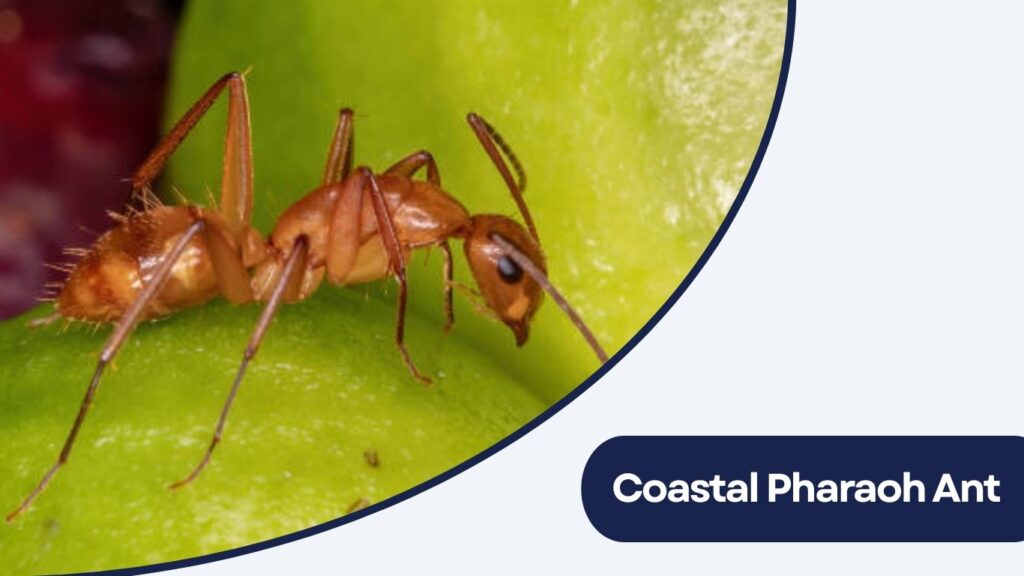
Coastal pharaoh ants are tiny indoor ants commonly found in humid coastal regions where warm temperatures support rapid colony growth. These ants frequently invade homes, hotels, restaurants, and commercial buildings while searching for food and moisture. Like other pharaoh ants, they spread easily through hidden indoor spaces.
Identification
- Tiny pale yellow body
- Slightly darker abdomen tip
- Around 1/16 inch long
- Smooth slender appearance
- Two-segmented waist
- Long elbowed antennae
- Fast-moving worker ants
Habitat and Distribution
Coastal pharaoh ants commonly nest inside wall voids, insulation, kitchens, bathrooms, and damp hidden spaces in coastal buildings. They are widespread in humid seaside environments and tropical residential areas.
Behavior and Diet
These ants feed on sugary foods, grease, crumbs, dead insects, proteins, and pet food. Workers form narrow foraging trails and often travel through plumbing lines, counters, and food storage areas.
Reproduction and Colony Structure
Coastal pharaoh ant colonies may contain multiple queens and thousands of workers. Colonies reproduce rapidly in humid environments and often create satellite nests throughout connected indoor spaces.
11. Dark Pharaoh Ant
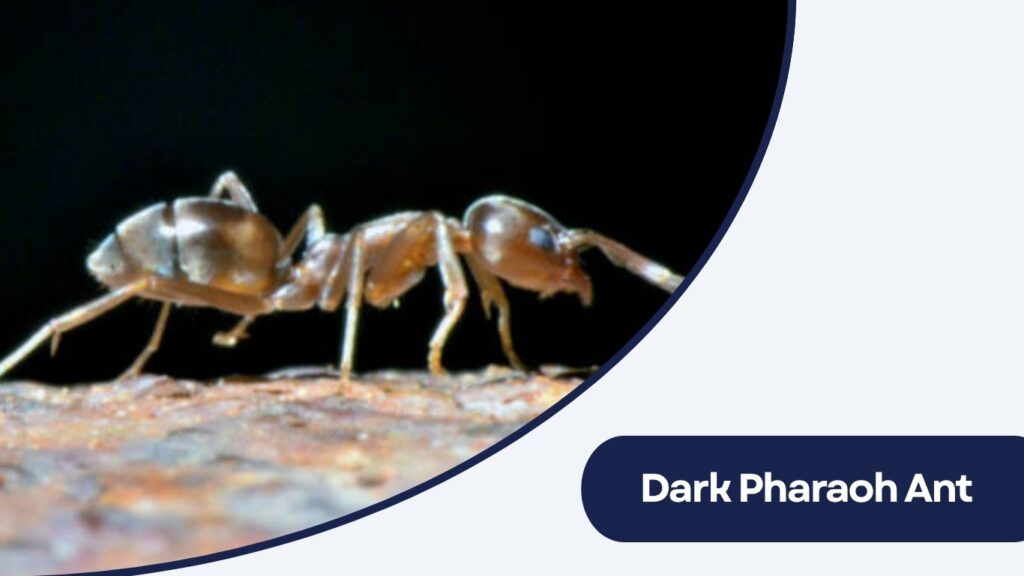
Dark pharaoh ants are small indoor ants recognized by their slightly darker body coloration compared to lighter pharaoh ant varieties. These ants commonly infest homes, hospitals, apartments, and commercial kitchens where warmth and food are constantly available. Their tiny size allows them to spread easily through hidden structural spaces.
Identification
- Dark yellow to light brown body
- Slightly darker abdomen
- About 1/16 inch long
- Smooth slender appearance
- Two-segmented waist
- Long segmented antennae
- Fast-moving worker ants
Habitat and Distribution
Dark pharaoh ants commonly nest inside walls, ceilings, insulation, plumbing spaces, and behind appliances. They are widespread in heated buildings and urban indoor environments around the world.
Behavior and Diet
These ants feed on sugary foods, grease, crumbs, dead insects, protein-rich materials, and pet food. Workers create organized trails and frequently invade kitchens, bathrooms, and storage areas while searching for food.
Reproduction and Colony Structure
Dark pharaoh ant colonies may contain several queens and large populations of workers. Colonies reproduce rapidly and often divide into multiple satellite nests that spread throughout buildings.
12. Common Pharaoh Ant
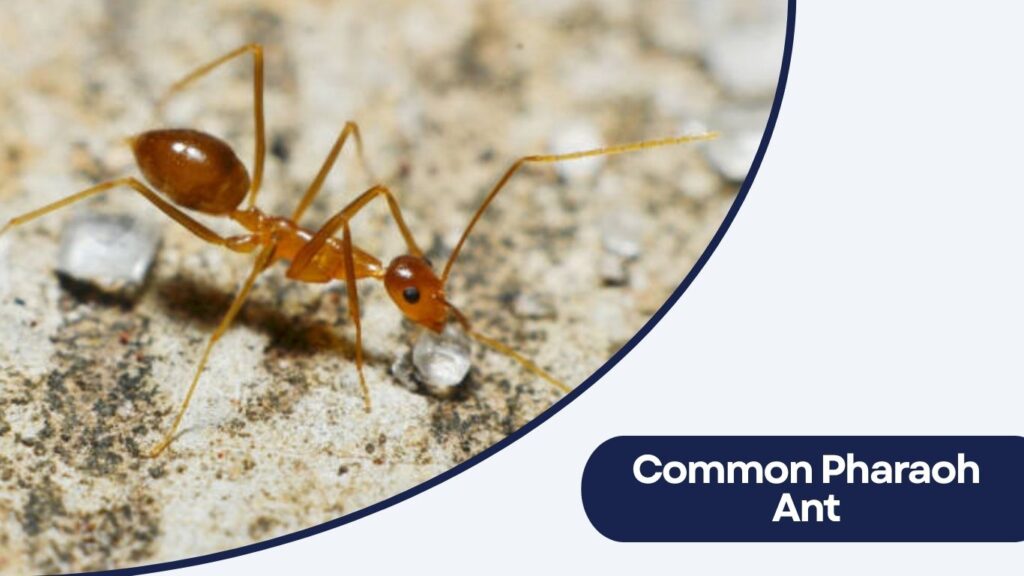
Common pharaoh ants are among the most widespread indoor pest ants found in homes, apartments, hospitals, restaurants, and office buildings. These ants are highly adaptable and can quickly spread through structures using tiny cracks and hidden spaces. Their rapid reproduction makes infestations difficult to control once established.
Identification
- Tiny pale yellow to light brown body
- Slightly darker abdomen tip
- Around 1/16 inch long
- Smooth slender appearance
- Two-segmented waist
- Long elbowed antennae
- Fast-moving worker ants
Habitat and Distribution
Common pharaoh ants commonly nest inside heated buildings near wall voids, insulation, plumbing systems, electrical outlets, and behind appliances. They are widespread in urban and residential indoor environments worldwide.
Behavior and Diet
These ants feed on sugary foods, grease, crumbs, proteins, pet food, and dead insects. Workers form organized foraging trails and often move through kitchens, bathrooms, and food storage areas while searching for resources.
Reproduction and Colony Structure
Common pharaoh ant colonies may contain multiple queens and thousands of workers. Colonies reproduce rapidly and frequently split into satellite nests, allowing infestations to spread throughout entire buildings.
13. Moisture-Loving Pharaoh Ant
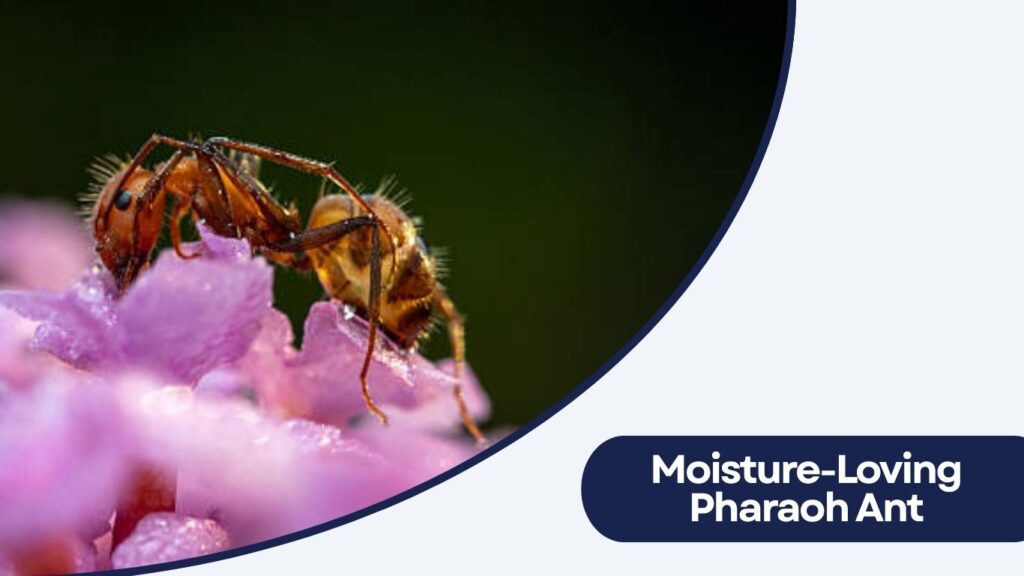
Moisture-loving pharaoh ants are tiny indoor ants commonly associated with damp environments where water and humidity are consistently available. These ants frequently invade bathrooms, kitchens, laundry rooms, and plumbing areas while searching for food and moisture. Their ability to hide inside walls and wet structural spaces makes infestations difficult to detect.
Identification
- Tiny pale yellow body
- Slightly darker abdomen tip
- Around 1/16 inch long
- Smooth slender appearance
- Two-segmented waist
- Long elbowed antennae
- Fast-moving worker ants
Habitat and Distribution
Moisture-loving pharaoh ants commonly nest near leaking pipes, damp insulation, wall voids, under sinks, and humid hidden spaces. They are widespread in heated buildings, apartments, hospitals, and commercial indoor environments.
Behavior and Diet
These ants feed on sugary foods, grease, crumbs, dead insects, proteins, and pet food. Workers frequently travel along plumbing lines and moist surfaces while foraging for water and food sources.
Reproduction and Colony Structure
Moisture-loving pharaoh ant colonies may contain several queens and thousands of worker ants. Colonies reproduce rapidly in humid environments and often spread through multiple satellite nests inside connected structures.
14. Warm Climate Pharaoh Ant
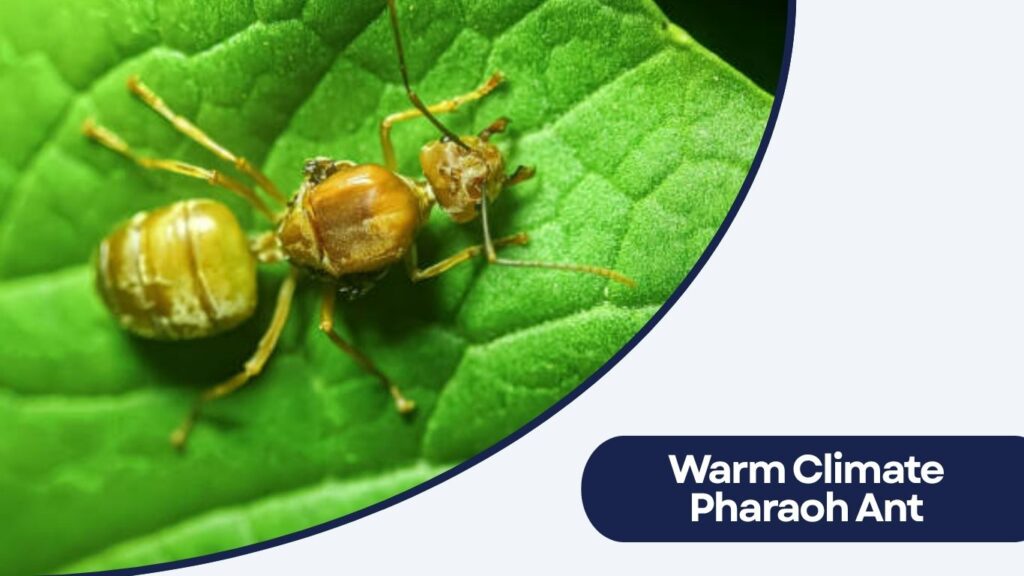
Warm climate pharaoh ants are tiny invasive ants that thrive in regions with consistently high temperatures and humidity. These ants commonly infest homes, hotels, hospitals, and restaurants where indoor warmth allows colonies to grow year-round. Their rapid reproduction and hidden nesting behavior make them difficult indoor pests to eliminate.
Identification
- Tiny pale yellow to light brown body
- Slightly darker abdomen
- About 1/16 inch long
- Smooth slender appearance
- Two-segmented waist
- Long segmented antennae
- Fast-moving worker ants
Habitat and Distribution
Warm climate pharaoh ants commonly nest inside heated buildings, wall voids, insulation, plumbing systems, and behind appliances. They are widespread in tropical, subtropical, and consistently warm urban environments.
Behavior and Diet
These ants feed on sugary foods, grease, protein-rich materials, crumbs, pet food, and dead insects. Workers form organized indoor trails and actively search kitchens, bathrooms, and storage areas for food and moisture.
Reproduction and Colony Structure
Warm climate pharaoh ant colonies often contain multiple queens and very large worker populations. Colonies reproduce rapidly in warm conditions and frequently divide into satellite nests that spread throughout buildings.
15. Apartment Pharaoh Ant
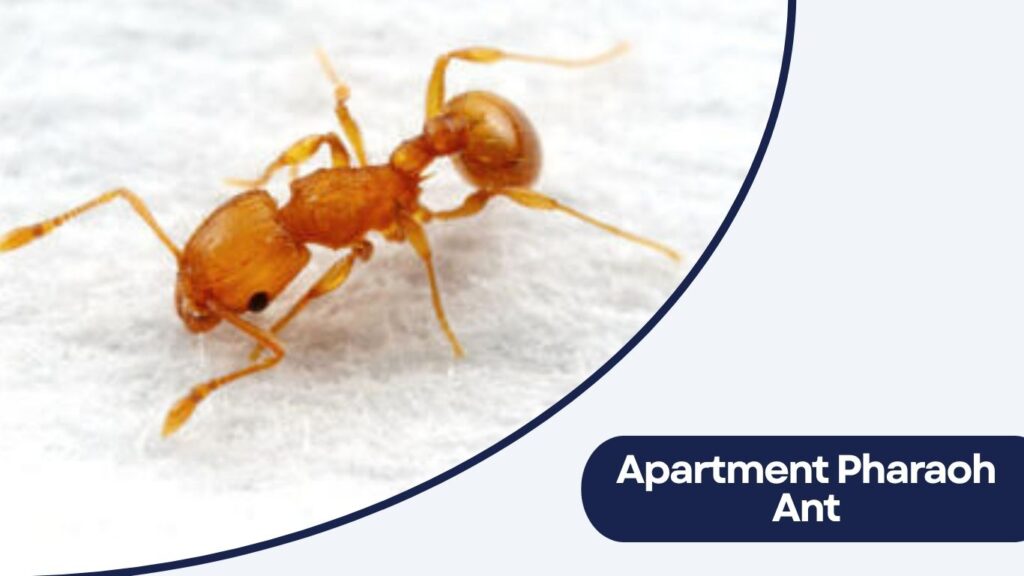
Apartment pharaoh ants are common indoor pests that spread rapidly through multi-unit residential buildings. Their tiny size allows them to move easily through wall voids, plumbing systems, and electrical pathways between apartments. These ants often become persistent problems in kitchens, bathrooms, and food storage areas.
Identification
- Tiny pale yellow body
- Slightly darker abdomen tip
- Around 1/16 inch long
- Smooth slender appearance
- Two-segmented waist
- Long elbowed antennae
- Fast-moving worker ants
Habitat and Distribution
Apartment pharaoh ants commonly nest inside wall voids, behind cabinets, near plumbing, beneath flooring, and inside insulation in apartment complexes and residential buildings. They are especially common in heated urban environments.
Behavior and Diet
These ants feed on sugary foods, grease, crumbs, proteins, pet food, and dead insects. Workers create organized trails and frequently travel through kitchens, bathrooms, laundry rooms, and utility spaces while searching for resources.
Reproduction and Colony Structure
Apartment pharaoh ant colonies may contain several queens and thousands of workers. Colonies reproduce quickly and often form multiple satellite nests that spread throughout connected apartment units and shared building spaces.
16. Kitchen Pharaoh Ant
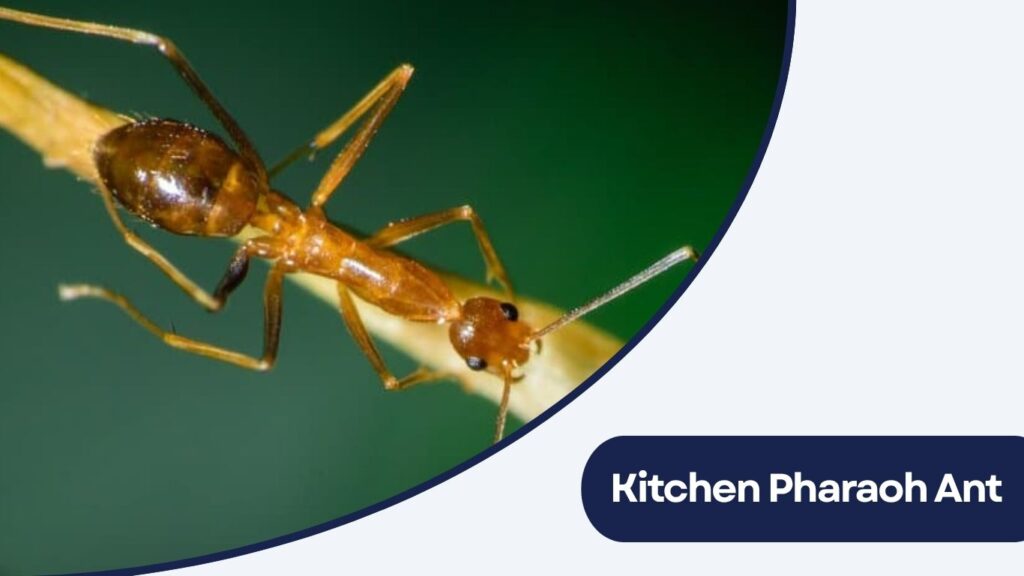
Kitchen pharaoh ants are tiny indoor ants commonly found around food preparation and storage areas where crumbs, grease, and moisture are easy to access. These ants are persistent household pests that quickly spread through kitchens, pantries, and nearby wall spaces while searching for food.
Identification
- Tiny pale yellow to light brown body
- Slightly darker abdomen tip
- About 1/16 inch long
- Smooth slender appearance
- Two-segmented waist
- Long segmented antennae
- Fast-moving worker ants
Habitat and Distribution
Kitchen pharaoh ants commonly nest behind cabinets, under sinks, inside wall voids, near appliances, and around plumbing systems. They are widespread in homes, restaurants, apartments, and commercial kitchens worldwide.
Behavior and Diet
These ants feed mainly on sugary foods, grease, crumbs, proteins, pet food, and spilled liquids. Workers form visible trails across countertops, cabinets, and floors while searching for food and water.
Reproduction and Colony Structure
Kitchen pharaoh ant colonies often contain multiple queens and large worker populations. Colonies reproduce rapidly and frequently create satellite nests that spread throughout kitchens and nearby indoor spaces.
17. Hospital Pharaoh Ant
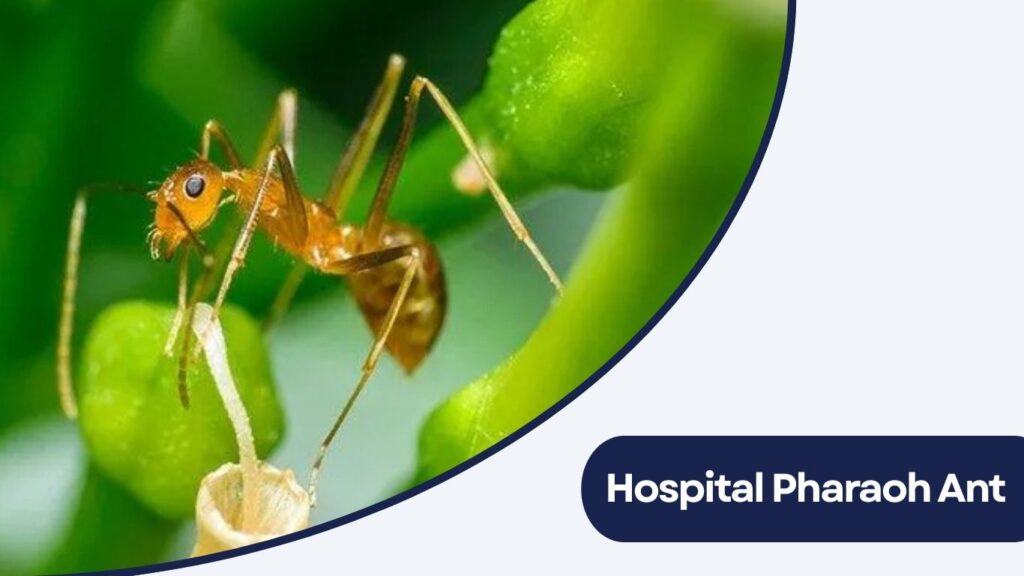
Hospital pharaoh ants are tiny indoor ants commonly associated with hospitals, nursing homes, laboratories, and healthcare facilities. These ants are considered serious nuisance pests because they can spread through sensitive medical environments while searching for food, moisture, and warm nesting spaces.
Identification
- Tiny pale yellow body
- Slightly darker abdomen tip
- Around 1/16 inch long
- Smooth slender appearance
- Two-segmented waist
- Long elbowed antennae
- Fast-moving worker ants
Habitat and Distribution
Hospital pharaoh ants commonly nest inside wall voids, insulation, electrical systems, medical equipment spaces, and plumbing areas within heated healthcare buildings. They are widespread in hospitals and large commercial indoor environments worldwide.
Behavior and Diet
These ants feed on sugary foods, grease, crumbs, proteins, medicines, dead insects, and organic materials. Workers create narrow foraging trails and often spread through patient rooms, kitchens, storage spaces, and utility areas.
Reproduction and Colony Structure
Hospital pharaoh ant colonies may contain multiple queens and thousands of workers. Colonies reproduce rapidly and frequently divide into satellite nests, allowing infestations to spread throughout entire healthcare facilities.
18. Southern Pharaoh Ant
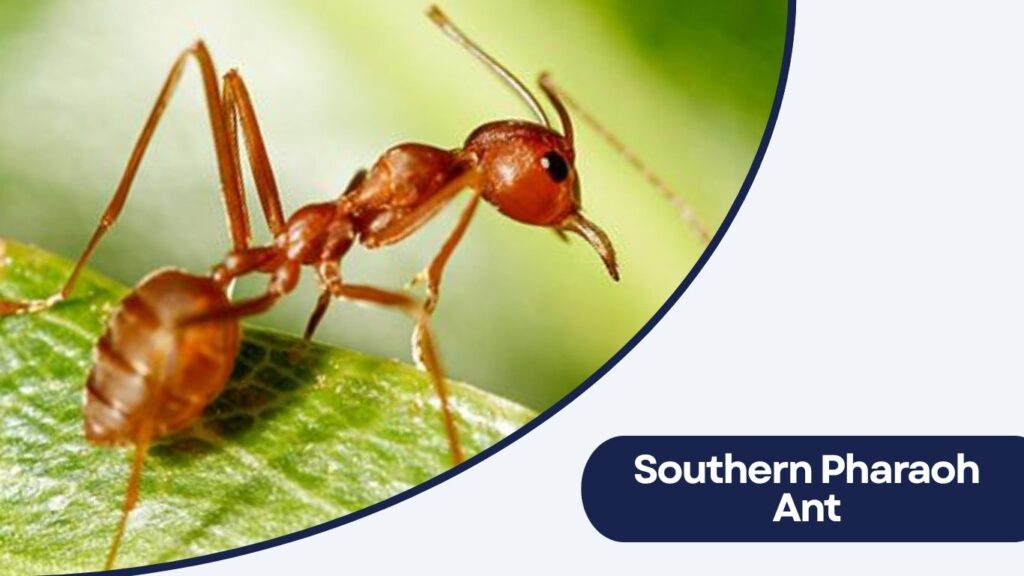
Southern pharaoh ants are tiny invasive ants commonly found in warm southern climates where heat and humidity support rapid colony growth. These ants frequently infest homes, restaurants, apartments, and commercial buildings while searching for food and moisture indoors.
Identification
- Tiny pale yellow to light brown body
- Slightly darker abdomen tip
- Around 1/16 inch long
- Smooth slender appearance
- Two-segmented waist
- Long segmented antennae
- Fast-moving worker ants
Habitat and Distribution
Southern pharaoh ants commonly nest inside wall voids, under flooring, behind appliances, near plumbing, and inside insulation. They are widespread in warm residential and urban environments with stable indoor temperatures.
Behavior and Diet
These ants feed on sugary foods, grease, crumbs, proteins, pet food, and dead insects. Workers create organized trails and frequently invade kitchens, bathrooms, and storage areas while searching for resources.
Reproduction and Colony Structure
Southern pharaoh ant colonies often contain multiple queens and very large worker populations. Colonies reproduce rapidly in warm climates and frequently split into several satellite nests throughout connected indoor spaces.
19. Northern Pharaoh Ant
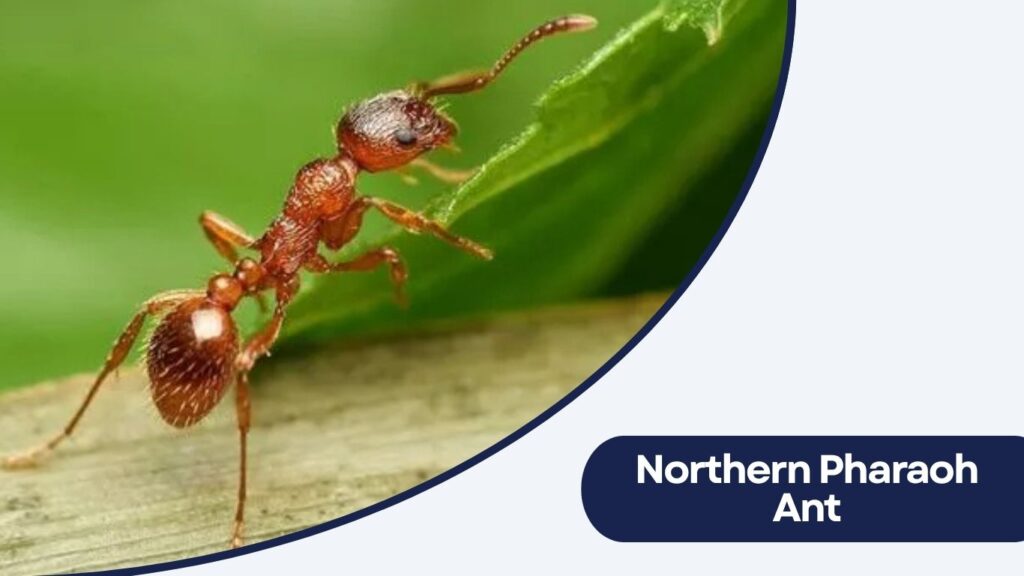
Northern pharaoh ants are tiny indoor ants adapted to cooler regions where they survive mainly inside heated buildings. These ants commonly infest apartments, offices, hospitals, and homes while searching for food, warmth, and moisture. Their hidden nesting habits make infestations difficult to detect early.
Identification
- Tiny pale yellow body
- Slightly darker abdomen tip
- Around 1/16 inch long
- Smooth slender appearance
- Two-segmented waist
- Long elbowed antennae
- Fast-moving worker ants
Habitat and Distribution
Northern pharaoh ants commonly nest inside heated wall voids, insulation, ceilings, plumbing systems, and behind appliances. They are widespread in cooler climates where indoor heating allows colonies to survive year-round.
Behavior and Diet
These ants feed on sugary foods, grease, crumbs, dead insects, proteins, and pet food. Workers form narrow indoor trails and frequently move through kitchens, bathrooms, and storage spaces while foraging.
Reproduction and Colony Structure
Northern pharaoh ant colonies may contain multiple queens and thousands of workers. Colonies reproduce rapidly indoors and often split into satellite nests that spread throughout connected heated structures.
20. Light Brown Pharaoh Ant
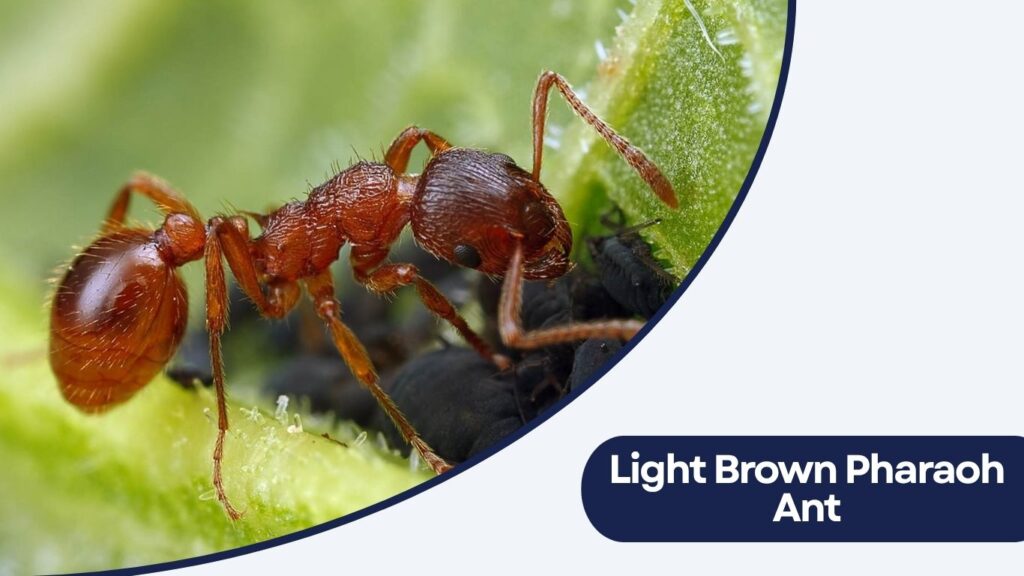
Light brown pharaoh ants are tiny indoor ants commonly found in homes, restaurants, hospitals, and commercial buildings. Their light brown coloration helps them blend into wooden surfaces, insulation, and wall spaces where they build hidden nests. These ants are highly adaptable and can spread rapidly indoors.
Identification
- Tiny light brown body
- Slightly darker abdomen tip
- Around 1/16 inch long
- Smooth slender appearance
- Two-segmented waist
- Long segmented antennae
- Fast-moving worker ants
Habitat and Distribution
Light brown pharaoh ants commonly nest inside wall voids, behind cabinets, under flooring, inside insulation, and near plumbing systems. They are widespread in heated indoor environments across urban and residential areas.
Behavior and Diet
These ants feed on sugary foods, grease, crumbs, proteins, pet food, and dead insects. Workers create organized foraging trails and often invade kitchens, bathrooms, and food storage areas while searching for resources.
Reproduction and Colony Structure
Light brown pharaoh ant colonies often contain multiple queens and large worker populations. Colonies reproduce rapidly and frequently divide into satellite nests, allowing infestations to spread throughout buildings quickly.
FAQs
What are pharaoh ants?
Pharaoh ants are tiny pale yellow to light brown ants commonly found inside homes, hospitals, apartments, and commercial buildings. They are invasive indoor pests known for forming large colonies and spreading rapidly through hidden structural spaces.
Why are pharaoh ants difficult to control?
Pharaoh ants are difficult to control because their colonies often contain multiple queens. When disturbed, colonies may split into smaller satellite nests, causing infestations to spread further throughout buildings instead of disappearing.
What do pharaoh ants eat?
Pharaoh ants feed on sugary foods, grease, crumbs, dead insects, proteins, pet food, and food spills. They commonly forage in kitchens, bathrooms, hospitals, restaurants, and food storage areas searching for resources.
Are pharaoh ants dangerous?
Pharaoh ants do not usually bite or sting humans, but they can contaminate food and surfaces. In hospitals and healthcare facilities, they may spread bacteria and become serious nuisance pests in sensitive environments.
Where do pharaoh ants nest indoors?
Pharaoh ants commonly nest inside wall voids, insulation, ceilings, behind appliances, under flooring, and near plumbing systems. Their tiny size allows them to hide in very small cracks and hidden structural spaces.