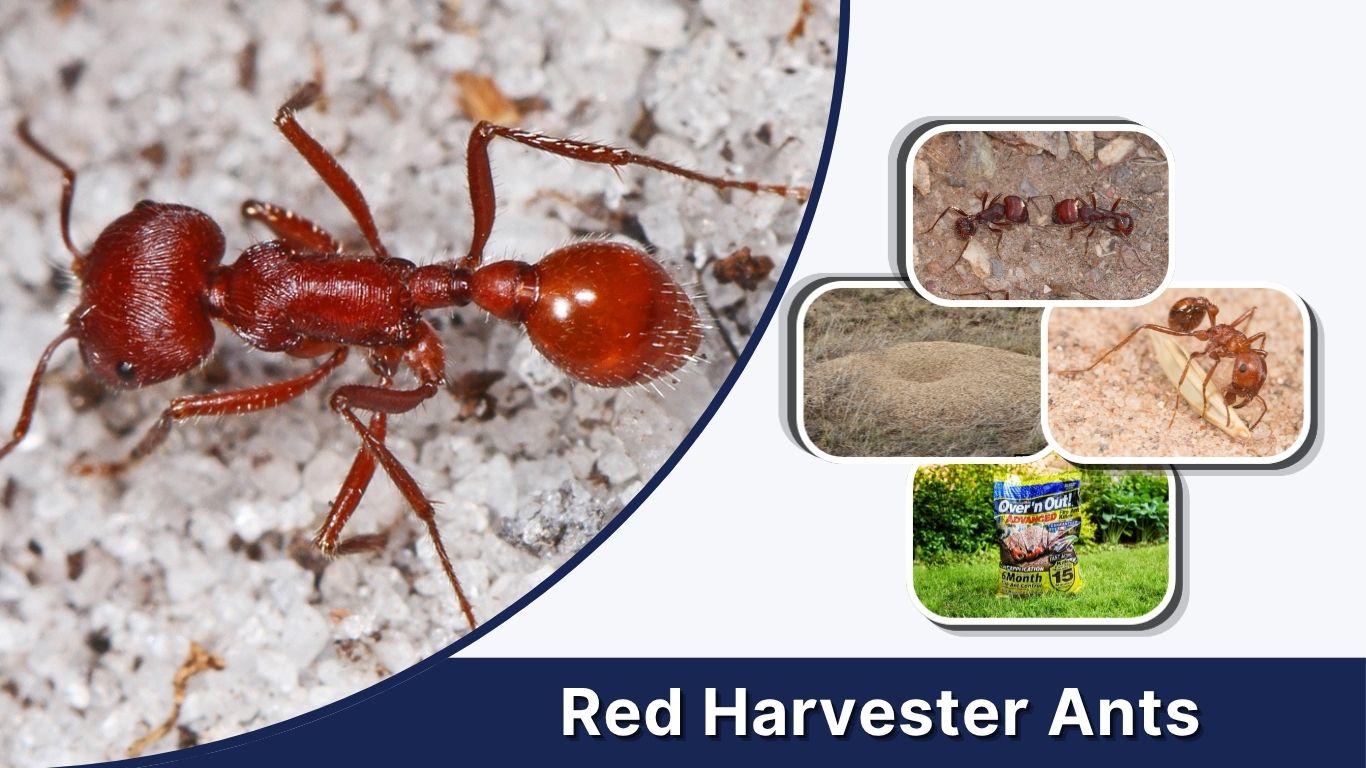
Red harvester ants are large, reddish ants known for collecting seeds, building bare-soil mounds, and defending their nests with painful stings. They are often confused with fire ants, but they are different insects with different habits. Understanding how they look, where they live, what they eat, and how their stings affect people can help you identify them safely and manage them when needed.
What Is a Red Harvester Ant?
Red harvester ants are ground-nesting ants in the genus Pogonomyrmex. The species most often called the red harvester ant is Pogonomyrmex barbatus, especially in Texas and parts of the southwestern United States. These ants are named for their habit of harvesting seeds and storing them inside underground nests.
Red Harvester Ant Scientific Name
The common red harvester ant is scientifically known as Pogonomyrmex barbatus. In everyday language, people may call them red ants, Texas red harvester ants, or simply harvester ants. However, not every red ant is a red harvester ant. Proper identification matters because fire ants, field ants, and other red-colored ants can look similar from a distance.
What Red Harvester Ants Look Like
Red harvester ants are usually medium to large compared with many household ants. Workers are typically reddish, rusty red, or reddish brown. They have a sturdy body, noticeable jaws, and a narrow waist with two nodes between the thorax and abdomen.
Common identification clues include:
- Reddish to reddish-brown body color
- Larger size than many common yard ants
- Ground nests in open, sunny soil
- Cleared circular areas around the mound
- Strong defensive behavior near the nest
They do not usually invade kitchens like sugar ants. Most encounters happen outdoors, especially in dry, open ground.
Where Do Red Harvester Ants Live?
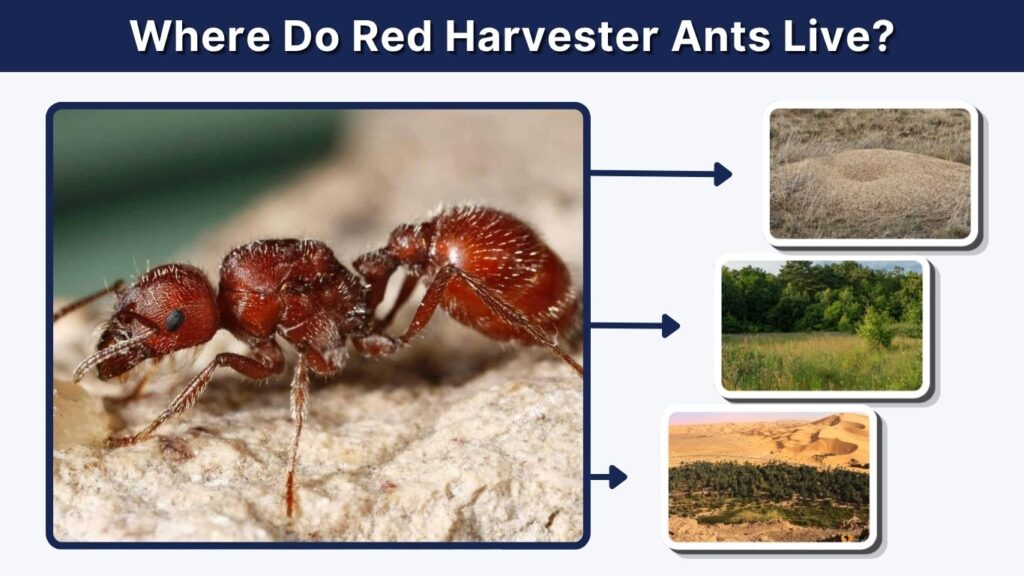
Red harvester ants prefer open, sunny habitats where they can build underground nests and forage for seeds. They are especially associated with dry grasslands, rangeland, desert edges, roadsides, pastures, and open yards with sparse vegetation.
Red Harvester Ant Range
The red harvester ant is found in parts of the south-central and southwestern United States, including Texas, Oklahoma, Kansas, New Mexico, and Arizona. It also occurs into northern Mexico. In Texas, people often search for “Texas red harvester ant” because the species is one of the more noticeable native ants in open areas.
Red Harvester Ants in Colorado, Arizona, and Other States
Harvester ants occur in several western states, but the exact species may vary by region. A red ant in Colorado, Arizona, Nevada, or California may be a harvester ant, but it is not always Pogonomyrmex barbatus. Identification should be based on body structure, mound type, behavior, and local species range rather than color alone.
Red Harvester Ant Mounds and Nests
Red harvester ant nests are usually built underground. The surface sign is often a mound or a cleared patch of bare soil. These ants remove vegetation around the nest entrance, creating a noticeable open area.
What a Red Harvester Ant Mound Looks Like
A red harvester ant mound often appears as a flat or slightly raised area of bare soil. Unlike some fire ant mounds, it may have a central entrance and a wide cleared zone around it. The cleared area helps the ants warm the nest, move efficiently, and keep vegetation from blocking their trails.
| Feature | Red Harvester Ant | Fire Ant |
| Body color | Reddish to reddish brown | Reddish brown to dark brown |
| Nest style | Bare cleared area, often with visible entrance | Dome-like mound, often no obvious entrance |
| Main food | Seeds and plant material, plus some insects | Sugars, proteins, oils, insects, and other foods |
| Behavior | Defensive near nest, active foragers | Highly aggressive when mound is disturbed |
| Sting risk | Painful sting, possible allergic reaction | Multiple painful stings, possible allergic reaction |
Red Harvester Ant Colony
A mature colony contains a queen, workers, brood, and sometimes winged reproductive ants. The queen’s main role is laying eggs. Workers forage, maintain the nest, defend the colony, and care for larvae. Colonies may persist for years when conditions are favorable.
What Do Red Harvester Ants Eat?
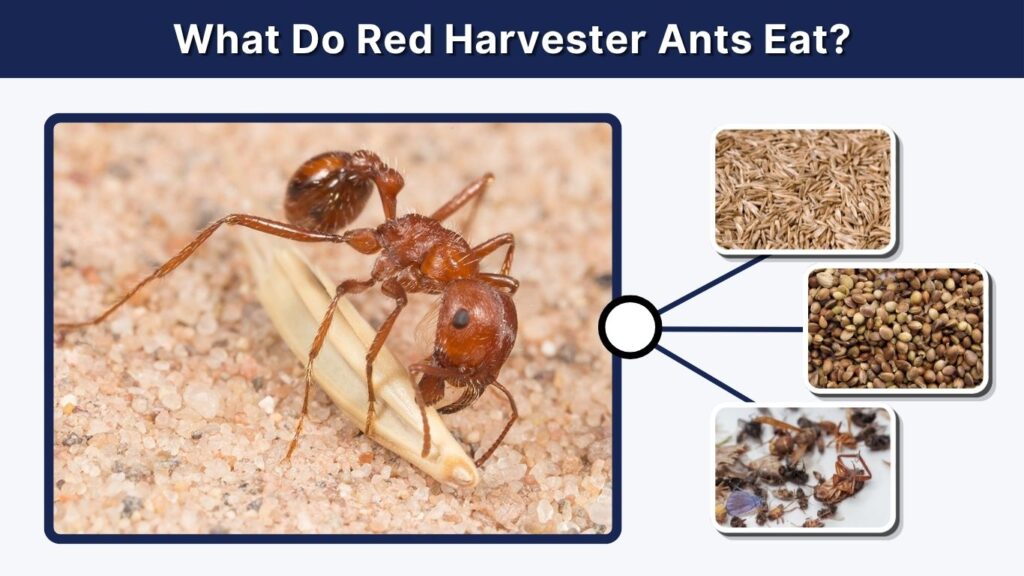
Red harvester ants are best known for eating seeds. Workers collect seeds from grasses and other plants, carry them back to the nest, and store them underground. They may also feed on dead insects or other protein sources, especially when raising larvae.
Red Harvester Ant Diet
Their diet can include:
- Grass seeds
- Weed seeds
- Small plant material
- Dead insects
- Occasional live insects
- Moisture from food sources
Because they collect seeds, red harvester ants can influence plant communities around their nests. They are also important prey for wildlife, including horned lizards in parts of their range.
What to Feed Red Harvester Ants in an Ant Farm
People who keep red harvester ants in ant farms usually feed them small seeds and occasional protein. However, live harvester ants can sting, so they are not ideal for unsupervised children. Any ant farm should be escape-proof, handled carefully, and purchased from a responsible supplier that follows local rules.
Do Red Harvester Ants Bite or Sting?
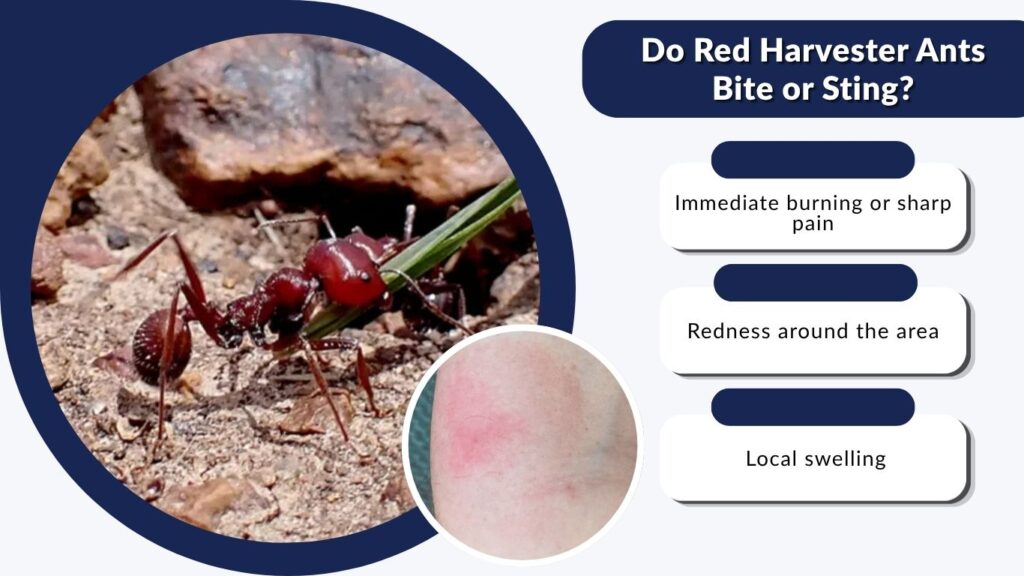
Many people search for “red harvester ant bite,” but the main concern is usually the sting. Red harvester ants can use their jaws to grip skin, then sting with venom. The sting can cause sharp pain, burning, redness, swelling, and itching.
Red Harvester Ant Bite Symptoms
A sting or bite may cause:
- Immediate burning or sharp pain
- Redness around the area
- Local swelling
- Itching or tenderness
- A small raised welt
- Pain that may last for hours
Most reactions stay local, but some people may have stronger swelling or allergic symptoms. Multiple stings can be more serious, especially for children, pets, or people with known insect-sting allergies.
Red Harvester Ant Sting Treatment
For a mild sting, move away from the mound first so you are not stung again. Then clean the area and reduce pain and swelling.
Basic first aid steps include:
- Wash the sting area with soap and water.
- Apply a cold pack wrapped in cloth.
- Avoid scratching the area.
- Use an over-the-counter antihistamine for itching if appropriate.
- Use a pain reliever as directed on the label if needed.
- Watch for worsening swelling, infection, or allergic symptoms.
Seek emergency help if the person has trouble breathing, dizziness, swelling of the lips or throat, widespread hives, vomiting, confusion, or signs of shock. These may be signs of a serious allergic reaction.
Are Red Harvester Ants Dangerous?
Red harvester ants can be dangerous when their nests are disturbed. They are not usually aggressive far away from the nest, but they defend the colony strongly. The biggest risk is stepping on or sitting near a mound without noticing it.
Risk to People
For most people, a sting is painful but not life-threatening. However, allergic reactions can happen. People with a history of severe reactions to insect stings should be especially cautious around harvester ant mounds.
Children may be at higher risk because they may play near nests or disturb ants out of curiosity. Teach kids not to touch ant mounds, poke nests, or collect ants by hand.
Risk to Dogs and Pets
Dogs may be stung if they sniff, dig, or lie near a mound. A dog stung by red harvester ants may lick the area, limp, whine, swell, or become restless. Vomiting, facial swelling, weakness, or breathing difficulty after stings should be treated as urgent veterinary concerns.
Red Harvester Ant vs Fire Ant
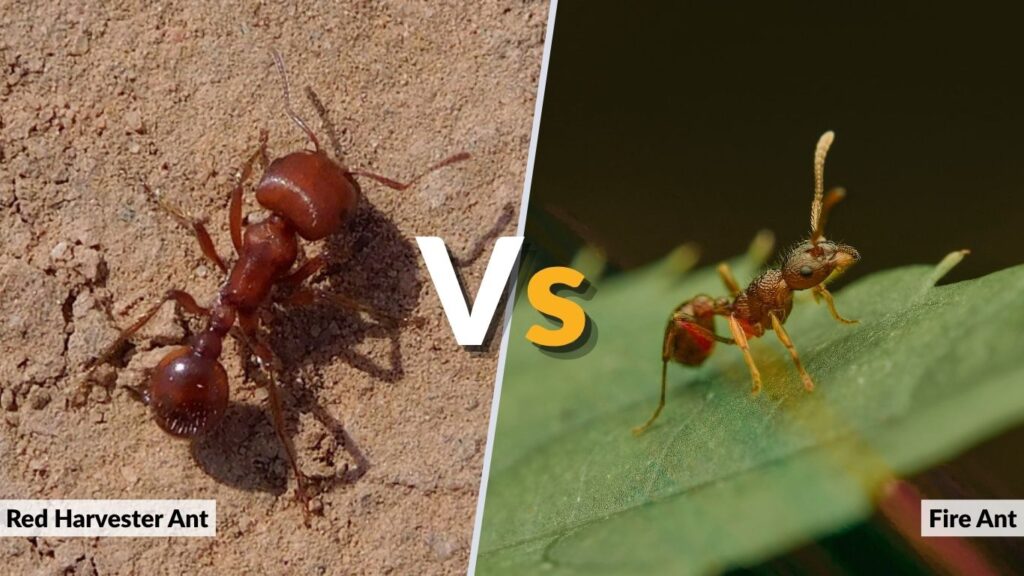
Red harvester ants and fire ants are often confused because both can be reddish and both can sting. However, they differ in diet, mound structure, behavior, and colony habits.
Key Differences
Red harvester ants mainly gather seeds and usually nest in open, dry soil with a cleared area around the entrance. Fire ants are more opportunistic feeders and often build dome-shaped mounds in lawns, fields, and disturbed soil.
Fire ants are also known for swarming quickly and stinging repeatedly when their mound is disturbed. Red harvester ants can also deliver painful stings, but their foraging behavior and mound appearance are different.
Are Red Harvester Ants Fire Ants?
No. Red harvester ants are not fire ants. They belong to a different group of ants. Calling every red ant a fire ant can lead to poor identification and the wrong control approach.
How to Get Rid of Red Harvester Ants
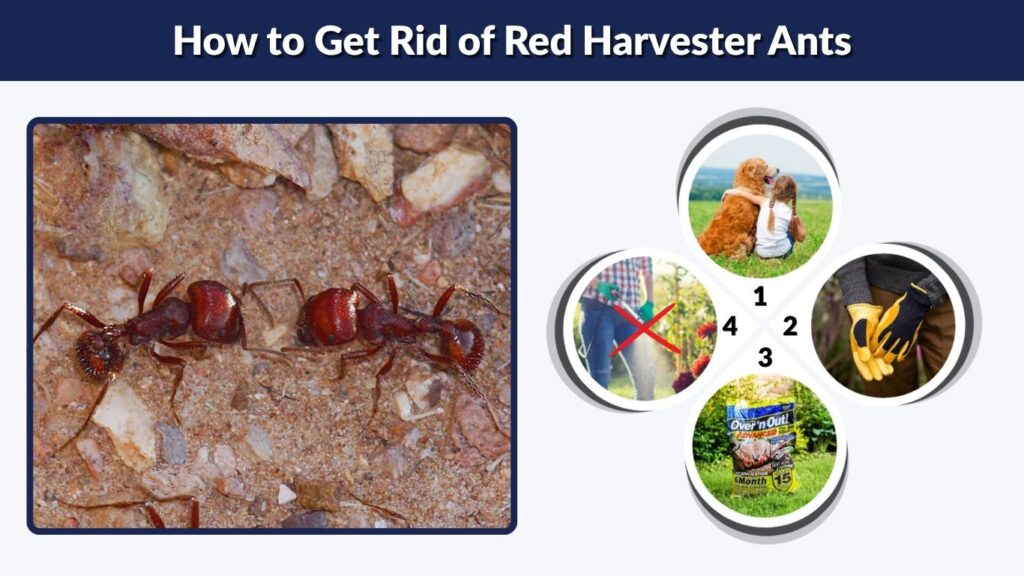
Red harvester ants are native and ecologically important, so control is not always necessary. If the mound is in a remote part of a yard, pasture, or natural area, leaving it alone may be the best option. Control may be needed when nests are close to homes, walkways, playgrounds, pet areas, or workspaces.
When Control Is Necessary
Consider control when:
- Mounds are near children’s play areas
- Ants are nesting beside patios or walkways
- Pets are repeatedly exposed to stings
- Outdoor workers cannot avoid the area
- The colony is in a high-traffic yard space
Avoid disturbing the mound without protection. Harvester ants can emerge quickly and sting exposed skin.
Red Harvester Ant Control Methods
The safest approach is usually targeted control rather than broad pesticide use. A licensed pest professional can identify the ant and choose the correct treatment. If using a labeled product yourself, always follow the label exactly.
Practical control tips include:
- Confirm the ant is a harvester ant before treatment.
- Treat only problem mounds, not the whole yard.
- Keep children and pets away from the mound.
- Wear closed shoes, socks, gloves, and long pants.
- Use products labeled for ants and outdoor mound treatment.
- Avoid applying insecticides near water, pollinator plants, or food gardens unless the label allows it.
Do not pour gasoline, bleach, or other household chemicals into nests. These methods are unsafe, can harm soil and water, and may not eliminate the colony.
Red Harvester Ant Queen and Life Cycle
A red harvester ant colony depends on its queen. The queen lays eggs that develop into larvae, pupae, and adult ants. Workers handle most colony tasks, while winged males and females are produced for reproduction.
Red Harvester Ant Queen
A queen red harvester ant is larger than workers and is responsible for egg production. After mating, a queen searches for a suitable nesting site and begins a new colony. A successful queen may live for years under favorable conditions.
Red Harvester Ants With Wings
Winged red harvester ants are reproductive males and females. They may appear during mating flights, often after environmental conditions are right. Seeing winged ants does not always mean an infestation indoors. With harvester ants, it usually points to outdoor colony reproduction.
Red Harvester Ant Predators and Ecological Role
Although their stings make them unpleasant to people, red harvester ants play an important role in the environment. They collect and redistribute seeds, aerate soil through nest building, and serve as food for wildlife.
Natural Predators
Predators may include:
- Horned lizards
- Birds
- Spiders
- Other insects
- Small mammals
The Texas horned lizard is especially associated with harvester ants as a food source. Because of this, unnecessary removal of native harvester ant colonies can affect local wildlife in some areas.
FAQs
Are red harvester ants dangerous?
Red harvester ants can be dangerous if their nest is disturbed because they can sting and inject venom. For most people, the result is pain, redness, itching, and swelling. However, people with insect-sting allergies may have a serious reaction and should seek urgent help if symptoms spread beyond the sting area.
Do red harvester ants bite?
Red harvester ants can bite with their jaws, but the more painful injury usually comes from their sting. They may grip the skin and then sting, causing burning pain and swelling. That is why many “red harvester ant bite” searches are actually about sting symptoms and treatment.
What do red harvester ants eat?
Red harvester ants mainly eat seeds, especially grass and weed seeds. Workers collect seeds and store them inside the nest. They may also eat dead insects or other protein sources, particularly when feeding developing larvae. Their seed-harvesting behavior is one reason they are important in dry grassland ecosystems.
How do you kill red harvester ants?
The safest method is targeted treatment of problem mounds with a product labeled for outdoor ant or mound control. Always follow the label and avoid unsafe home remedies like gasoline or bleach. Because red harvester ants are native and useful, control should be limited to nests that create a real sting risk.
Are red harvester ants the same as fire ants?
No. Red harvester ants and fire ants are different. Red harvester ants usually collect seeds and build nests with cleared bare soil around the entrance. Fire ants are more aggressive swarmers and often make dome-shaped mounds. Both can sting, so identification should be based on mound type, behavior, and body features.