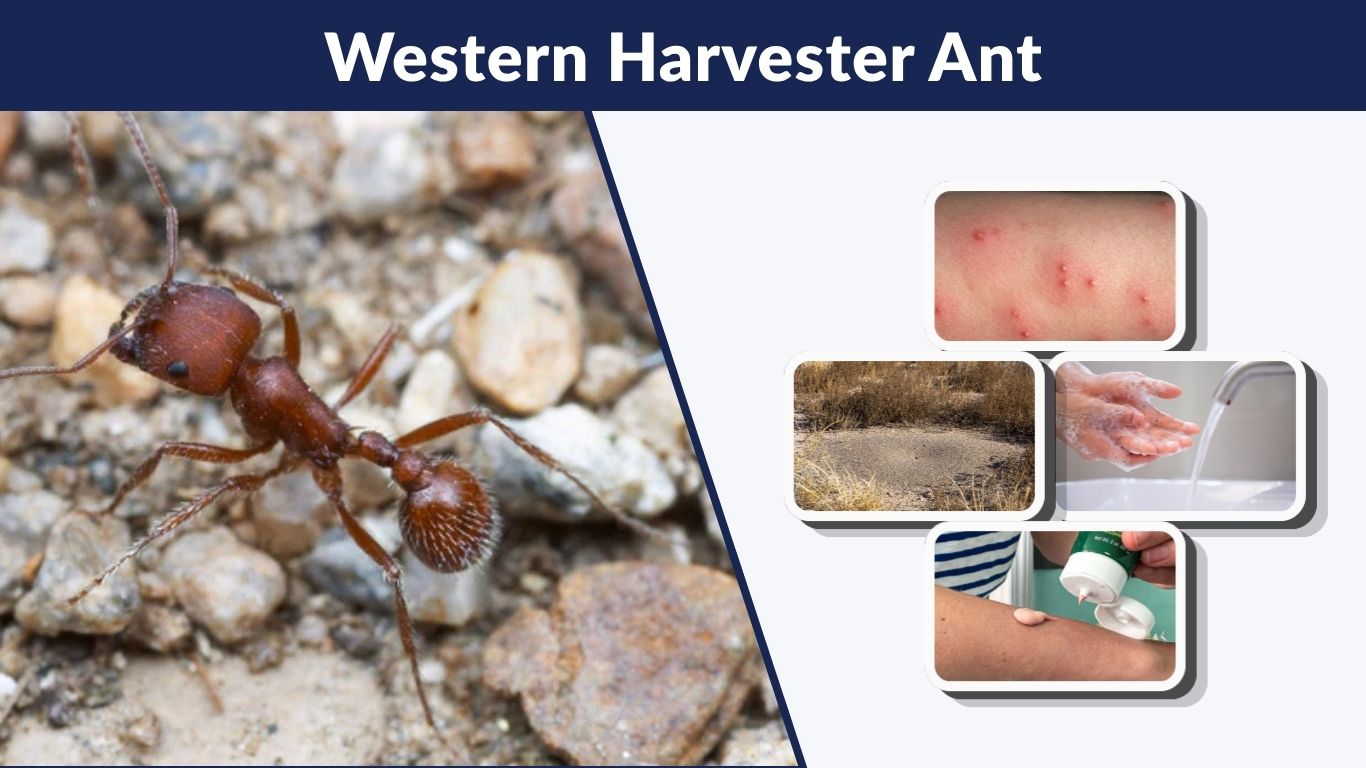
The western harvester ant is one of the most recognizable ants in the dry grasslands and open landscapes of the western United States. Known scientifically as Pogonomyrmex occidentalis, this ant builds noticeable pebble-covered mounds, gathers seeds, and defends its colony with a painful sting. Whether you found one in your yard, want basic western harvester ant information, or are curious about keeping them in an ant farm, this guide covers their behavior, diet, lifespan, queen, bite, and control.
What Is a Western Harvester Ant?
Western harvester ants are medium-sized seed-harvesting ants native to parts of western North America. Their scientific name is Pogonomyrmex occidentalis. The word “harvester” comes from their habit of collecting seeds and storing them inside their nests.
They are often noticed because of their large, open nest mounds. Unlike tiny household ants that hide in wall voids or kitchen cracks, western harvester ants usually live outdoors in soil. Their colonies are visible, active, and highly organized.
Basic Identification
Western harvester ants are usually reddish, reddish-brown, orange-red, or dark red. Workers are larger than many common house ants and have strong jaws for carrying food, moving soil, and defending the nest.
A helpful identification clue is the nest. Western harvester ant hills are often surrounded by a cleared area where plants have been clipped or removed. The mound may be covered with small pebbles, bits of plant material, or other debris. This gives the nest a rough, gravelly appearance.
Scientific Name
The western harvester ant is known as Pogonomyrmex occidentalis. It belongs to the ant family Formicidae and the genus Pogonomyrmex, a group that includes several well-known harvester ant species.
The species is sometimes casually called the western red harvester ant, although that name can cause confusion with other red harvester ants. For clear identification, Pogonomyrmex occidentalis is the best scientific name to use.
Where Do Western Harvester Ants Live?
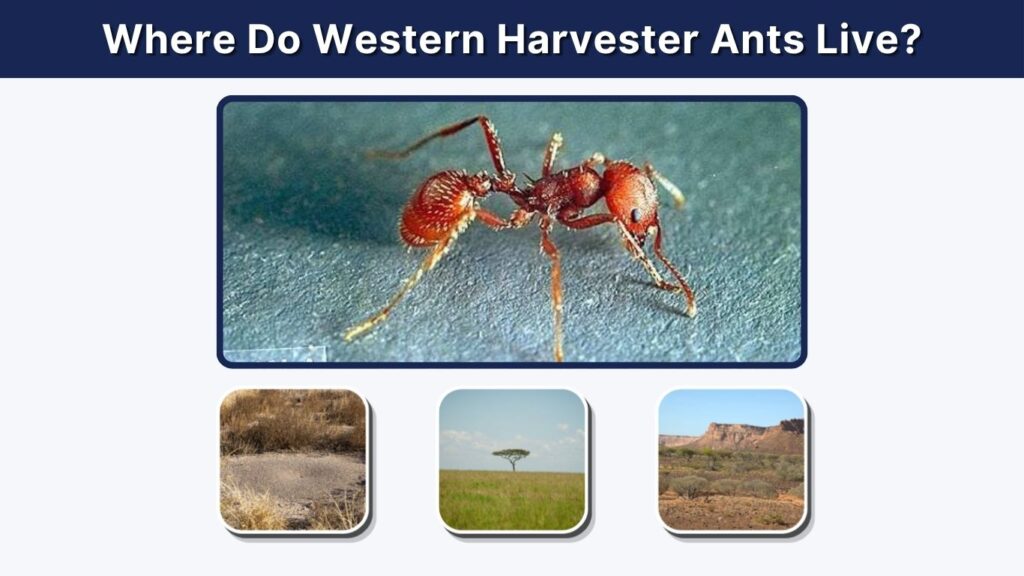
Western harvester ants are most often associated with the western United States. They are commonly found in dry grasslands, prairies, shrublands, rangelands, open fields, and semi-arid habitats. People may notice western harvester ants in states such as Colorado, Utah, Wyoming, Idaho, Montana, Nevada, California, and other parts of the West.
They usually prefer sunny, open ground rather than shaded, wet, or heavily forested environments. Their colonies are often found in areas with loose soil and enough seed-producing plants nearby.
Western Harvester Ant Range
The western harvester ant range is strongly tied to open western landscapes. They are especially common in dry regions where grasses and small plants produce seeds. Colonies may appear near trails, pastures, vacant lots, natural areas, and rural yards.
They can live near human spaces, but they are not typical indoor pests. If you see western harvester ants inside a home, they may have wandered in accidentally, or there may be an outdoor colony nearby.
Western Harvester Ants in Utah and Other Dry States
Searches for western harvester ants in Utah are common because these ants are well suited to dry, open terrain. In Utah and similar states, they may be seen around desert edges, grasslands, and open soil patches. Their mounds can be large enough to spot from a distance, especially when the surrounding vegetation is cleared.
Western Harvester Ant Hill and Colony Structure
A western harvester ant hill is one of the easiest ways to recognize this species. The nest entrance is often surrounded by a mound of soil, gravel, pebbles, and plant fragments. Around the mound, the ants may clear vegetation to create an open circle.
This cleared zone helps the colony in several ways. It can make the nest easier to defend, reduce plant cover near the entrance, and improve sun exposure. The pebble-covered mound may also help regulate nest temperature.
What the Nest Looks Like
A mature western harvester ant mound may appear as a raised, uneven pile on the ground. It can be several inches high and much wider than it first appears. Some mounds have obvious entrances, while others have smaller openings near the base.
The ants travel along foraging paths as they collect seeds and other food. In active colonies, you may see workers moving in and out of the nest during warm parts of the day.
Western Harvester Ant Colony
A western harvester ant colony contains a queen, workers, developing brood, and sometimes reproductive males and females during the breeding season. The queen lays eggs, while workers collect food, defend the nest, care for larvae, and maintain tunnels.
Colonies can become large and long-lived when conditions are favorable. A mature colony may include thousands of workers. Inside the nest, chambers are used for brood care, food storage, and seasonal movement as temperatures change.
Western Harvester Ant Queen
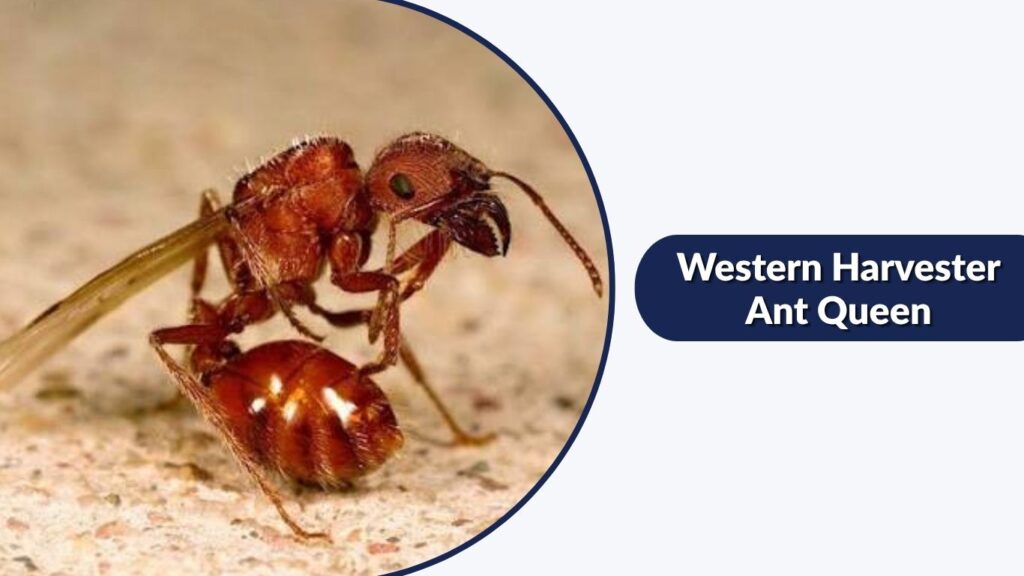
The western harvester ant queen is the reproductive center of the colony. After mating, a queen searches for a suitable location, digs a founding chamber, and begins laying eggs. If she survives the difficult founding stage, her first workers eventually take over food gathering and nest duties.
Queens are larger than workers and built for reproduction. During the early colony stage, the queen’s survival is critical. Without a healthy queen, a colony cannot continue producing workers over the long term.
Western Harvester Ant Queen for Sale
Some people search for a western harvester ant queen for sale because this species is popular among ant-keeping hobbyists. However, buying and transporting live ants can be regulated. Rules vary by location, and releasing nonlocal ants can harm local ecosystems.
Before buying western harvester ants or a queen, check legal requirements in your state or region. Purchase only from reputable sellers who follow shipping regulations and never release captive ants outdoors.
Western Harvester Ant Nuptial Flight
A nuptial flight is when winged reproductive ants leave mature colonies to mate. Western harvester ant nuptial flights usually happen under specific weather conditions, often after seasonal cues such as warmth or moisture.
After mating, males die, and queens search for nesting sites. A newly mated queen removes her wings and begins the risky process of founding a colony. Many queens do not survive this stage because of predators, weather, competition, or failure to raise the first workers.
What Do Western Harvester Ants Eat?
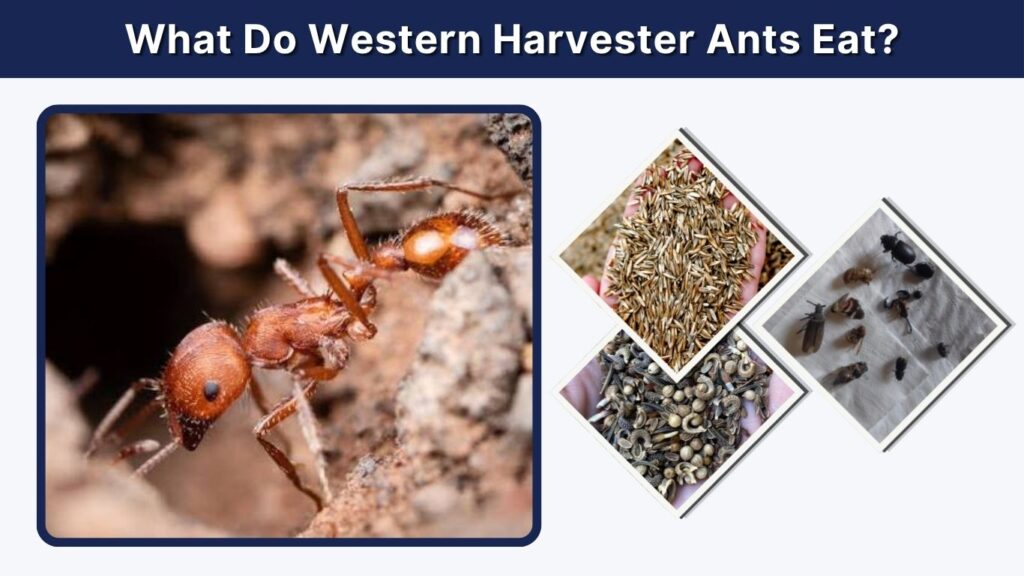
Western harvester ants mainly eat seeds, which is why they are called harvester ants. Workers collect seeds from grasses and other plants, carry them back to the nest, and store them underground. The colony may process seeds into a softer food source used by workers and larvae.
They may also eat dead insects or other protein sources when available. Protein is especially important for growing larvae and colony development.
| Food Source | Importance to the Colony |
|---|---|
| Grass seeds | Main food source for many colonies |
| Wild plant seeds | Stored underground for later use |
| Dead insects | Protein for larvae and colony growth |
| Small arthropods | Occasional protein source |
| Moisture-rich foods | Helpful in dry conditions, especially in captivity |
Western Harvester Ant Food in Nature
In nature, western harvester ants gather seeds from nearby plants. Their diet depends on what is available in the area. They may prefer certain seed sizes or types, but they often collect a variety.
Because they remove and store seeds, they can influence plant communities. In some environments, their foraging affects which plants grow near the colony. Their cleared nest zones can also change the look of the surrounding ground.
What to Feed Western Harvester Ants in Captivity
For captive care, western harvester ants need a steady supply of seeds and occasional protein. Hobbyists often provide small grass seeds, chia seeds, dandelion seeds, or other safe seed mixes. Protein may come from pre-killed insects, but uneaten food should be removed before it molds.
Clean water is also important. Ants can drown easily, so water should be offered through a safe setup such as a water tube with cotton.
Western Harvester Ant Lifespan
The western harvester ant lifespan depends on caste and conditions. Workers live much shorter lives than queens. A worker may live for months, while a successful queen can live for many years.
A colony can survive for a long time when the queen remains healthy and the environment provides enough food, warmth, and protection. Established colonies are much more stable than newly founded colonies.
How Long Do Western Harvester Ants Live?
Workers generally have short adult lives compared with the queen. They spend their time caring for brood, maintaining the nest, defending the colony, and foraging. Older workers are often more likely to take on dangerous outside tasks.
Queens can live much longer because their main role is reproduction. A strong queen may support colony growth for years, making her the most important individual in the nest.
Do Western Harvester Ants Bite or Sting?
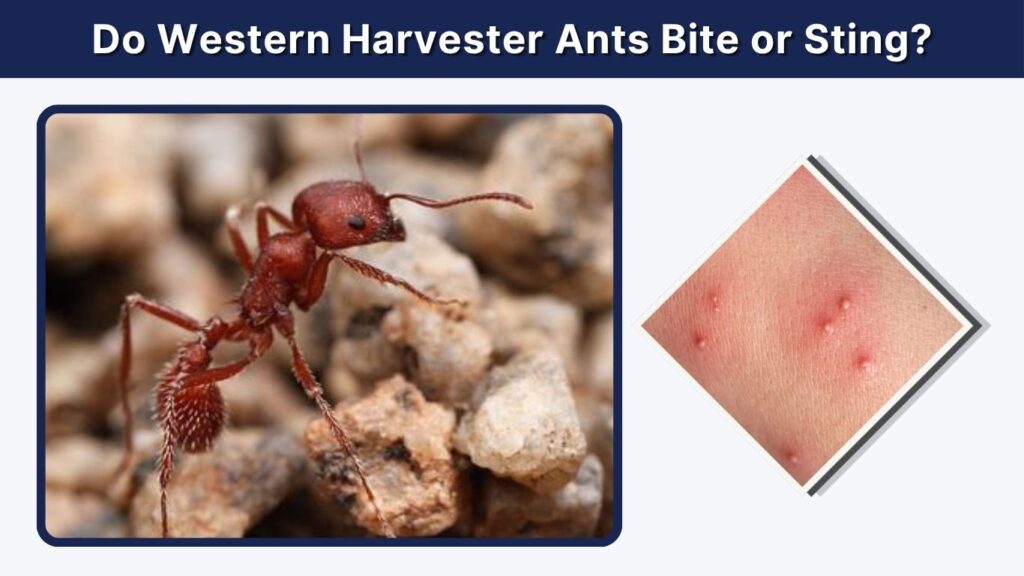
Yes, western harvester ants can bite, but the sting is usually the bigger concern. They may use their jaws to grip the skin and then sting. This is why people often search for “western harvester ant bite,” even though much of the pain comes from venom delivered by the stinger.
Their sting can be very painful. A single sting may cause burning pain, redness, swelling, and tenderness. Multiple stings can be more serious, especially for children, pets, or people with insect venom allergies.
Western Harvester Ant Bite Symptoms
Common symptoms include pain, redness, swelling, itching, and warmth around the sting site. The pain may begin quickly and feel sharp or burning. Mild symptoms often improve with basic first aid, but swelling and itching can last longer.
Some people develop stronger local reactions. The area may become more swollen, tender, or warm. This does not always mean infection, but worsening redness, pus, fever, or red streaking should be checked by a medical professional.
Are Western Harvester Ants Dangerous?
Western harvester ants can be dangerous if a person is allergic, receives many stings, or disturbs a large colony. For most people, one sting is painful but not life-threatening. However, severe allergic reactions require emergency care.
Warning signs include trouble breathing, swelling of the lips or throat, dizziness, fainting, widespread hives, chest tightness, or vomiting with weakness. These symptoms may indicate anaphylaxis and should be treated as a medical emergency.
Are Western Harvester Ants Poisonous or Deadly?
Western harvester ants are venomous, not poisonous in the usual sense. Venom is injected through a sting. Poison usually harms when swallowed, touched, or absorbed. Their venom can hurt and cause reactions, but a single sting is rarely deadly to a healthy adult.
They can be more dangerous to allergic individuals, small pets, or anyone who receives many stings. Avoid disturbing nests and teach children not to touch large outdoor ant colonies.
Western Harvester Ant Bite Remedies
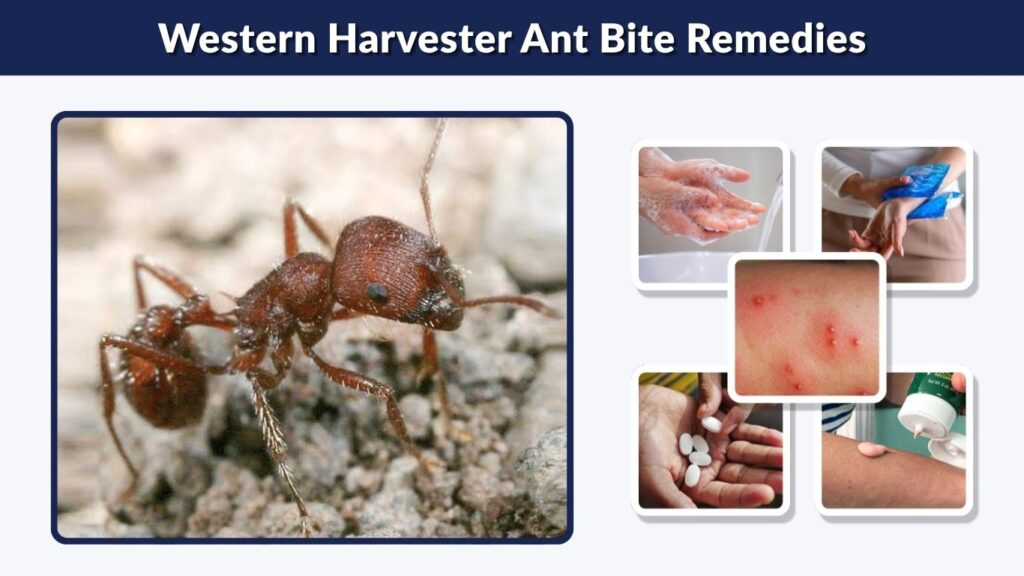
If you are stung by a western harvester ant, move away from the nest first. More ants may sting if you remain near the colony. Brush ants off your skin and clothing rather than crushing them against yourself.
Wash the area with soap and water. Apply a cold compress for 10 to 15 minutes at a time to reduce pain and swelling. Avoid scratching because broken skin can become infected.
Basic First Aid Steps
- Move away from the nest immediately.
- Brush off ants from skin, shoes, socks, and clothing.
- Wash the sting area with soap and water.
- Apply a cold compress for swelling and pain.
- Use over-the-counter pain relief if safe for you.
- Consider an antihistamine or anti-itch cream for itching.
- Seek medical care for severe symptoms or allergic reactions.
Do not cut the sting area, burn it, squeeze it, or apply harsh chemicals. These methods can irritate the skin and make the problem worse.
Western Harvester Ant vs Red Imported Fire Ant
Western harvester ants and red imported fire ants can both sting, but they are different ants. Red imported fire ants are highly aggressive mound-building ants known for mass stinging and pustule-like skin reactions. Western harvester ants are native seed harvesters of western open habitats and are known for painful stings and large cleared nest areas.
Both ants should be treated with caution. If you are not sure which ant stung you, focus on symptoms and safety. Move away, clean the area, reduce swelling, and watch for allergic signs.
Key Differences
- Western harvester ants are seed harvesters common in western open habitats.
- Red imported fire ants are invasive in many areas and often attack in large numbers.
- Western harvester ant nests often have cleared zones and pebbled mounds.
- Fire ant stings commonly form small pustules.
- Both can cause allergic reactions in sensitive people.
Correct identification matters for long-term control. Fire ant treatment and western harvester ant control may require different approaches depending on location and colony behavior.
Western Harvester Ant Care
Western harvester ant care is a popular topic among ant keepers because the species is active, visible, and seed-based. They are often considered easier to feed than ants that require constant live prey, but they still need proper housing, warmth, hydration, and safe handling.
Captive colonies should never be released outdoors. Even native species can spread disease, disrupt local genetics, or create ecological problems if released in the wrong area.
Housing a Western Harvester Ant Farm
A western harvester ant farm should include a secure nest area and a foraging area. Since these ants can sting, escape prevention is important. Use a well-fitted lid, proper barriers, and a setup designed for stinging ants.
They also need a dry nesting area with access to moisture. Too much moisture can cause mold or seed spoilage, while too little can harm brood and workers. Balance is important.
Care and Feeding of Western Harvester Ants
Feeding should focus on seeds, with occasional protein. A variety of small seeds is better than one type alone. Protein can be offered in small amounts, especially when larvae are present.
Remove uneaten insects, spoiled seeds, and moldy material quickly. Overfeeding can create waste and attract mites or mold.
What Happens If I Overfeed My Western Harvester Ants?
Overfeeding western harvester ants can cause food waste, mold, and unhealthy nest conditions. Seeds may sprout or spoil if humidity is high. Protein foods can rot quickly if left too long.
Offer small amounts and observe what the colony actually uses. Increase food gradually as the colony grows. A small colony needs far less food than a mature colony with many larvae and workers.
How to Get Rid of Western Harvester Ants
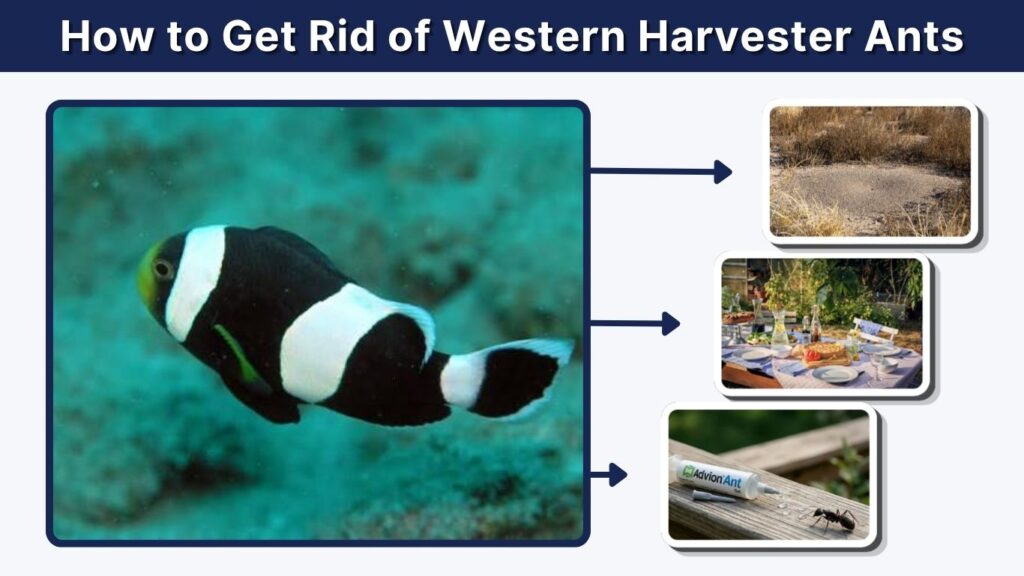
Western harvester ants are beneficial in natural ecosystems, but they can become a problem when nests appear near patios, playgrounds, walkways, pet areas, or places where people may step on them. Control should be careful and targeted.
Before trying to kill western harvester ants, decide whether control is truly needed. If the nest is far from people and pets, leaving it alone may be the best option. These ants help recycle nutrients, move soil, and interact with native plants.
Western Harvester Ant Control Options
- Avoid disturbing the mound.
- Keep children and pets away from active nests.
- Mark nest areas if they are near foot traffic.
- Remove food attractants around outdoor living spaces.
- Use targeted ant bait only if labeled for the species and location.
- Contact a pest control professional for large or risky colonies.
Do not pour gasoline, bleach, or random chemicals into ant nests. These methods are unsafe, can contaminate soil, and may not solve the problem.
Western Harvester Ant Amdro and Baits
Some people search for western harvester ant Amdro because ant baits are commonly used for outdoor ant control. Always read the product label carefully. The label is the law and tells you where the product can be used, which pests it targets, and how to apply it safely.
Bait success depends on whether the ants accept the bait as food. Harvester ants prefer seeds, so not every bait will be equally attractive. If you are unsure, ask a local extension office or licensed pest professional.
Western Harvester Ant Eggs and Brood
Western harvester ant eggs are tiny and usually hidden deep inside the nest. Workers care for the eggs, larvae, and pupae. Brood is moved within the nest to maintain suitable temperature and humidity.
In captivity, brood health is a good sign of colony success. Eggs and larvae may fail if the colony is too cold, too dry, too wet, stressed, or lacking protein.
Western Harvester Ant With Eggs
A western harvester ant queen with eggs is usually in the early founding stage or part of a young captive colony. During this stage, disturbance should be minimized. Too much vibration, light, or handling can stress the queen.
For ant keepers, patience is important. The first workers may take time to develop, and early colonies are fragile.
Western Harvester Ant Color Vision and Behavior
Western harvester ants are active foragers that use environmental cues to navigate. Like many ants, they rely on scent trails, landmarks, sunlight, and other signals. Some searches mention western harvester ant color vision or dichromatic vision because ant navigation and vision are common research topics.
For everyday identification, color vision is less important than behavior. These ants are most noticeable for seed harvesting, mound building, nest defense, and organized foraging trails.
Do Western Harvester Ants Sleep?
Western harvester ants rest, but not in the same way humans sleep. Ant colonies operate through cycles of activity and inactivity. Individual workers may take short rest periods, while the colony as a whole remains functional.
Activity also changes with temperature. In hot summer conditions, ants may forage during cooler parts of the day. In mild weather, they may be active for longer periods.
Facts About Western Harvester Ants
Western harvester ants are more than just painful stinging insects. They are important parts of western ecosystems and have fascinating colony behavior.
Interesting facts include:
- Their scientific name is Pogonomyrmex occidentalis.
- They collect and store seeds underground.
- Their nests often have cleared vegetation zones.
- Workers can sting when defending the colony.
- Colonies may become large and long-lived.
- Queens can live much longer than workers.
- Their mounds may be covered with pebbles and plant debris.
- They are commonly found in dry western habitats.
These ants can be a nuisance near people, but they also play ecological roles by moving soil, collecting seeds, and serving as prey for other animals.
Should You Buy Western Harvester Ants?
Western harvester ants for sale are popular among hobbyists, especially because their seed-based diet makes feeding more straightforward than some other ant species. However, they are not a toy. They can sting, escape, and create legal issues if shipped or released improperly.
Before buying western harvester ants, research local regulations, seller reputation, housing needs, heating needs, and escape prevention. Beginners should understand that even “easy” ant species require responsibility.
Can I Release Western Harvester Ants?
No, captive ants should not be released outdoors. Even if the species is native to your region, a captive colony may not belong to your exact local population. Releasing ants can spread pathogens, disrupt local ecosystems, or create pest problems.
If you can no longer keep a colony, contact the seller, an experienced ant keeper, or a local expert for responsible options.
FAQs
What do western harvester ants eat?
Western harvester ants mainly eat seeds from grasses and other plants. They also collect dead insects and other protein sources, especially when larvae are developing. In captivity, they need a variety of safe seeds, clean water, and occasional protein offered in small amounts.
Do western harvester ants bite?
Yes, western harvester ants can bite, but their sting usually causes the most pain. They may grip skin with their jaws and inject venom with a stinger. A sting can cause burning pain, redness, swelling, and itching.
How long do western harvester ants live?
Worker western harvester ants usually live much shorter lives than queens, often only months. A healthy queen can live for many years and support a colony long-term. Colony lifespan depends on food, climate, predation, disease, and queen survival.
Are western harvester ants dangerous?
Western harvester ants can be dangerous if someone is allergic or receives many stings. For most people, one sting is painful but not deadly. Emergency care is needed for breathing trouble, throat swelling, fainting, widespread hives, or other severe allergic symptoms.
How do you get rid of western harvester ants?
If a nest is far from people, leaving it alone may be best. For nests near walkways, play areas, or pets, use targeted control methods labeled for outdoor ants or contact a pest professional. Avoid unsafe methods like gasoline, bleach, or random chemicals.