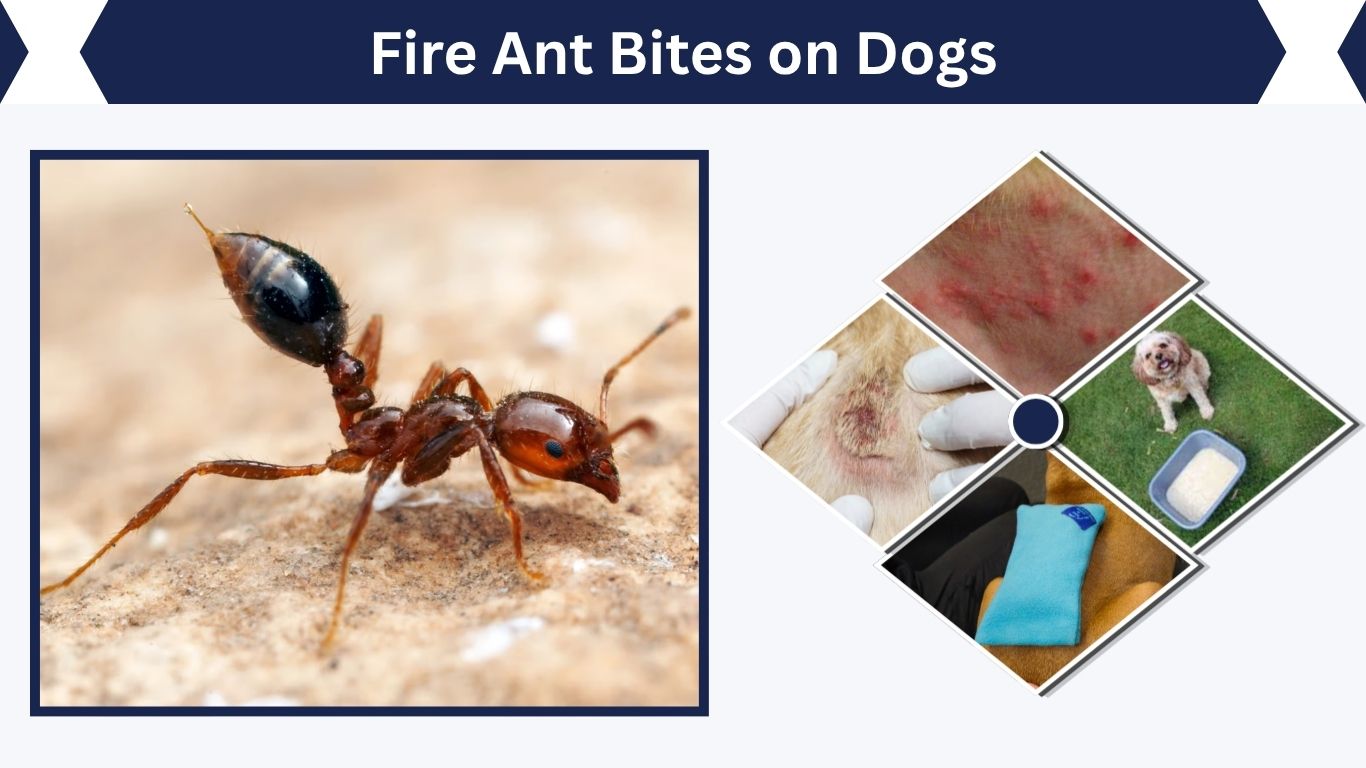
Fire ants are notorious for their painful bites and stings, which can cause distress to both humans and pets. Dogs, especially those with less fur, can easily become victims of fire ant bites, particularly when they step on or lie near an ant mound. These bites may lead to mild to severe reactions, depending on the dog’s sensitivity and the number of bites. While some dogs may simply experience local swelling and itching, others might face more serious health issues like an allergic reaction. In this article, we’ll cover everything you need to know about fire ant bites on dogs, including what they look like, common symptoms, treatment options, and when to seek veterinary care.
What Are Fire Ant Bites on Dogs?
Do Fire Ants Bite or Sting Dogs?
Fire ants have a unique way of biting and stinging their prey. First, they use their jaws to bite and grip the skin, and then they use their stinger to inject venom. This results in a sharp pain, followed by swelling, redness, and itching. Dogs that accidentally disturb a fire ant mound are often swarmed by these aggressive insects, leading to multiple bites. It’s important to note that fire ants tend to bite areas of the body with less fur, which is why the paws, belly, face, and ears are common spots for bites on dogs.
Where Dogs Usually Get Fire Ant Bites
The most common areas where dogs are likely to get fire ant bites include:
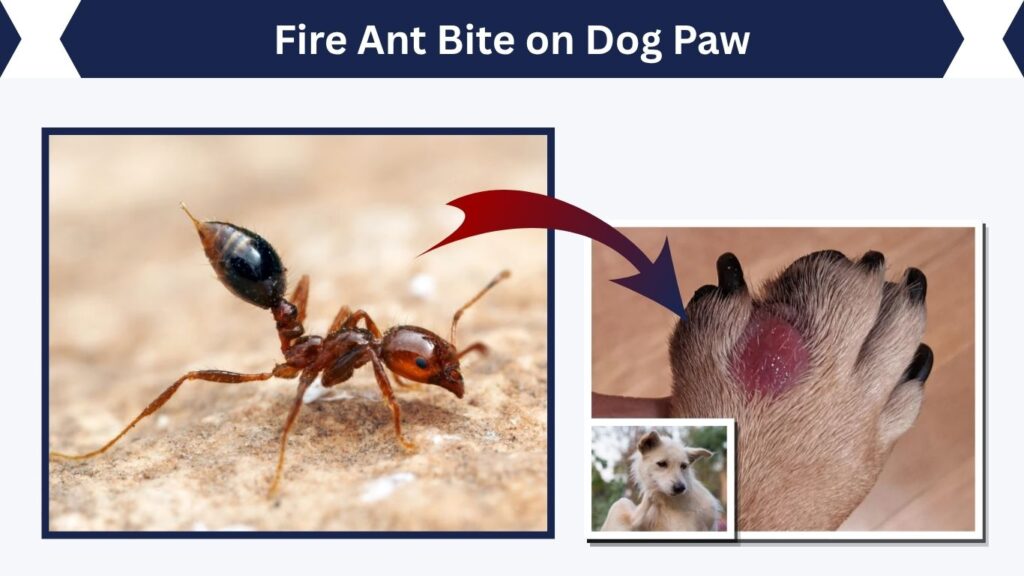
- Fire ant bite on dog paw: Since dogs often step on fire ant mounds while walking outside, their paws are one of the most frequent places for bites.
- Fire ant bites on dogs paws: The toes and paw pads are soft and sensitive, making them easy targets for fire ants.
- Fire ant bites on dog belly: The belly area, being soft and unprotected by fur, can also be prone to bites, especially if the dog lies down near an ant mound.
- Fire ant bites on dogs face: Dogs often come into contact with fire ants while sniffing around in grassy or wooded areas, which may lead to bites on the face or mouth.
- Fire ant bites on dogs nose and mouth: These areas are exposed, and the scent of the ants might attract the dog.
What Do Fire Ant Bites Look Like on Dogs?
Common Appearance
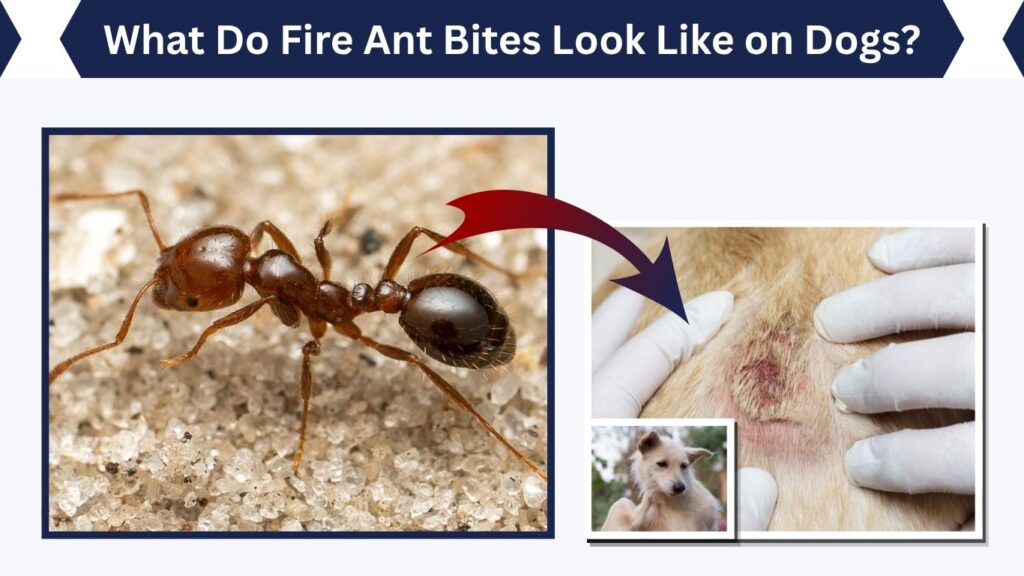
When fire ants bite a dog, the bite sites usually appear as small, red, irritated bumps. In some cases, a white pustule (a small, pus-filled blister) may form at the site of the bite. Here’s what to look for:
- Redness: The skin around the bite site may become red and inflamed.
- Swelling: The affected area may swell up, particularly if the dog has several bites.
- Itching: Dogs may start licking or chewing at the affected area to relieve the itching.
- Pustules: In more severe cases, white or yellowish pustules may form, which can be uncomfortable for the dog.
- Tenderness: Dogs may act sensitive or avoid walking if their paws are bitten.
Fire Ant Bites on Dog Pictures: What to Look For
To better understand the severity of fire ant bites, it’s helpful to know what they look like on dogs. Here are some typical signs:
- Fire ant bites on dog paw with swelling: The paw may appear red, and the dog may limp or avoid using the paw.
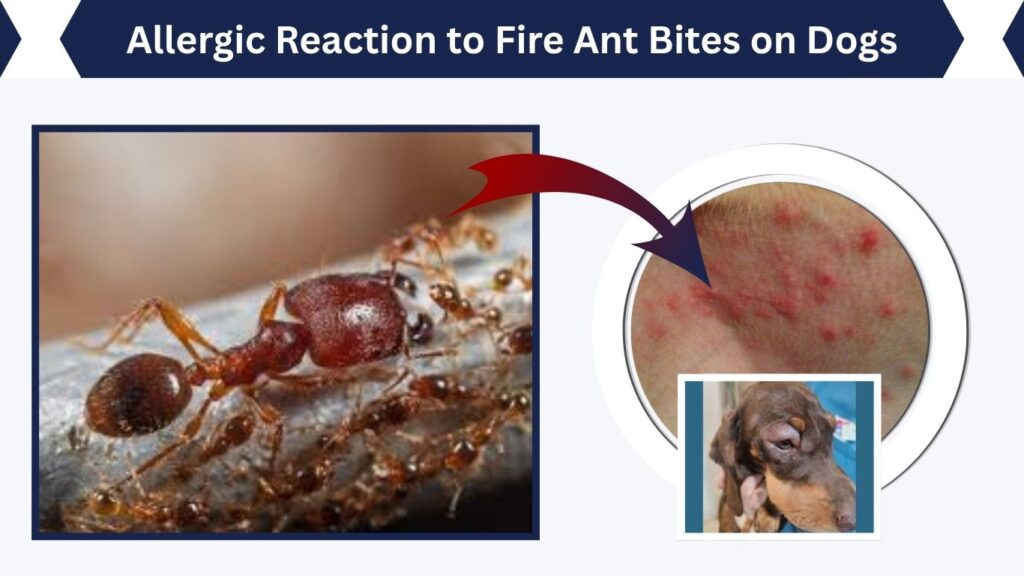
- Fire ant bites on dog belly showing red bumps: The belly may have several raised, red bumps or pustules that cause the dog to scratch or lick the area.
- What fire ant bites look like on dogs: Pictures often show inflamed spots on the skin, especially on exposed areas like the belly, paws, and face.
Image Alt Text Suggestions:
- “Fire ant bites on dog paw with swelling”
- “Fire ant bites on dogs belly showing red bumps”
- “What fire ant bites look like on dogs”
Symptoms of Fire Ant Bites on Dogs
Mild Symptoms
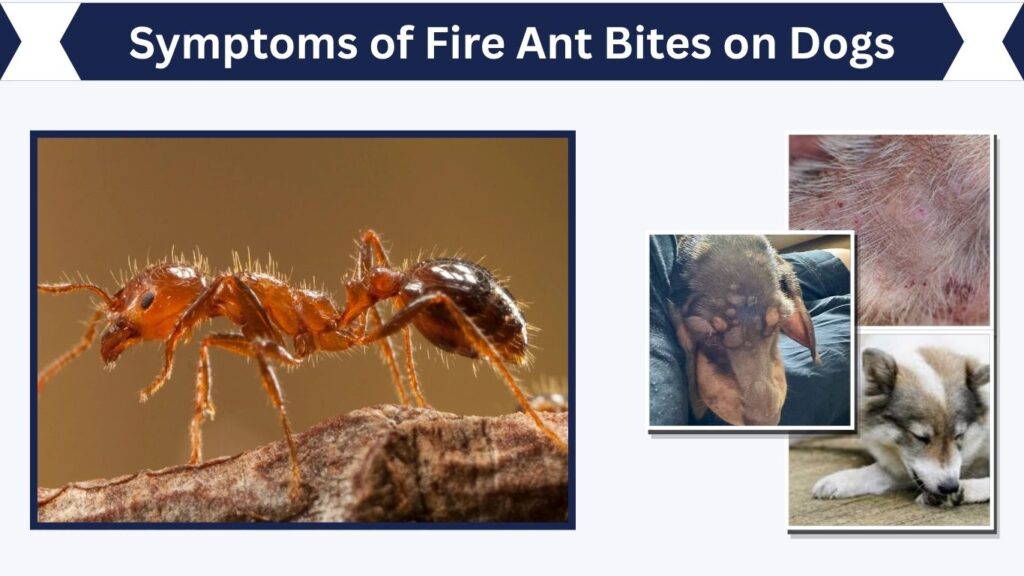
Most dogs will experience mild symptoms from fire ant bites, which include:
- Licking or chewing the paw: The dog might focus on licking or nibbling the affected area, especially if the bites are on the paws.
- Sudden yelping: A dog may yelp or cry out if a fire ant stings them unexpectedly.
- Redness: The bite area will become visibly red, which is a common reaction to the venom.
- Mild swelling: A slight swelling will occur around the bite area, but it should go down within a few hours.
Moderate Symptoms
For some dogs, the symptoms might be more severe, and you may notice:
- Multiple swollen bite spots: The dog might have several visible bumps or pustules at the site of the bites.
- Limping: If the paws are affected, your dog might limp or avoid putting pressure on the bitten area.
- Belly rash: In some cases, the bites on the belly can form a rash or appear more widespread.
- Facial swelling: Bites on the face can cause swelling around the eyes, mouth, or nose.
- Excessive scratching: Dogs may start scratching the affected areas persistently, which can lead to irritation or infection.
Severe Allergic Reaction Symptoms
In some cases, fire ant bites can trigger an allergic reaction in dogs. If your dog shows any of these signs, it’s important to seek veterinary care immediately:
- Vomiting
- Drooling
- Weakness
- Pale gums
- Collapse
- Trouble breathing
- Severe facial swelling
- Lethargy
These symptoms indicate a potentially life-threatening condition that requires immediate veterinary attention. If left untreated, an allergic reaction can progress to anaphylaxis, which is an emergency situation.
What to Do Immediately if Your Dog Gets Fire Ant Bites
Step 1: Move Your Dog Away from the Ants
If you notice that your dog is getting bitten, it’s crucial to move them away from the fire ant mound as quickly as possible to prevent further stings. Fire ants can continue to attack, so moving your dog to a safe, ant-free area is the first step in minimizing damage.
Step 2: Brush or Rinse Ants Off Safely
Fire ants tend to cling to the dog’s fur. Using a towel or gloves, quickly brush off any visible ants. If you’re able, rinse the affected area with water to wash away any ants that might still be attached. This will help reduce the pain and prevent more bites from happening.
Step 3: Check Paws, Belly, Mouth, Nose, and Eyes
Carefully examine the areas that are most likely to be affected by fire ants, including the paws, belly, mouth, nose, and eyes. Be sure to check between the toes and other soft areas where fire ants are more likely to bite.
Step 4: Watch Your Dog for Emergency Symptoms
Monitor your dog closely for the next few hours. If you notice any signs of severe symptoms such as vomiting, weakness, excessive swelling, or difficulty breathing, seek emergency veterinary care right away.
How to Treat Fire Ant Bites on Dogs at Home
Cold Compress for Swelling
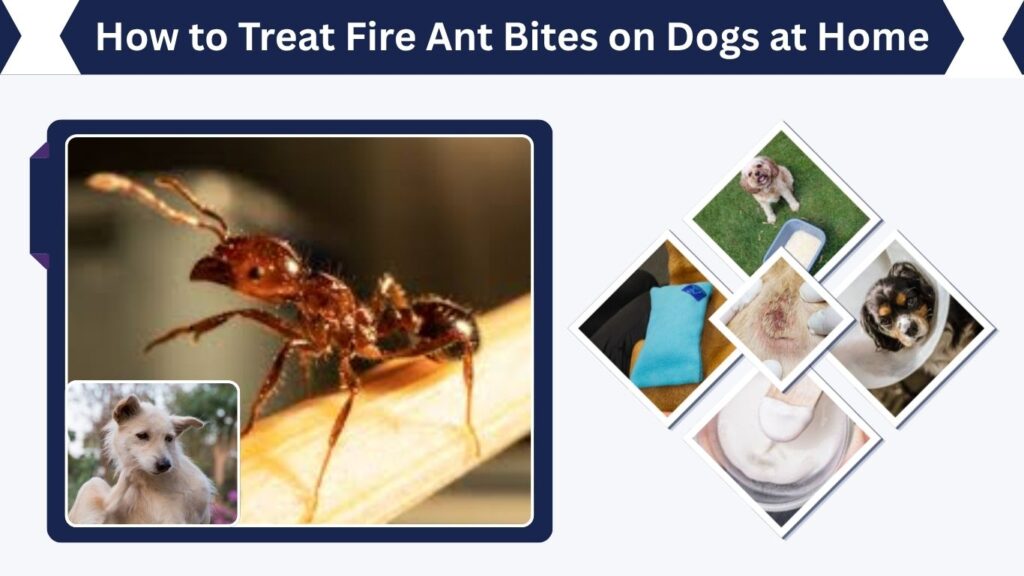
A cool compress is one of the simplest and most effective ways to alleviate swelling caused by fire ant bites. Applying a cold compress to the affected area for 10–15 minutes at a time can help reduce inflammation and soothe the discomfort. Be sure to wrap the ice pack in a cloth to prevent direct contact with the skin, which could cause further irritation.
Oatmeal Bath for Multiple Bites
An oatmeal bath can provide relief if your dog has multiple fire ant bites. Oatmeal has soothing properties that can help calm itchy and inflamed skin. To make an oatmeal bath, grind a cup of plain oatmeal into a fine powder and add it to warm bath water. Let your dog soak for 10–15 minutes, ensuring they don’t drink the bath water.
Baking Soda Paste for Small Irritated Spots
For localized irritation, a paste of baking soda and water can be applied to fire ant bites. Mix one part baking soda with a few drops of water to create a thick paste, and apply it to the bite areas. Let it sit for a few minutes before rinsing it off with warm water. Baking soda helps neutralize the acidity from the fire ant venom and can reduce itching and discomfort.
Prevent Licking and Scratching
If your dog is constantly licking or scratching the affected areas, it can lead to further irritation or even infection. To prevent this, consider using an e-collar (Elizabethan collar) to prevent your dog from reaching the bite spots. This is particularly important if your dog has bitten or scratched the pustules, as this can make the situation worse.
Keep the Area Clean
If the bites are located in an area that your dog can reach, it’s important to keep the area clean to prevent infection. Gently wash the bite sites with mild soap and water and pat them dry with a clean towel. If there are open wounds or broken skin, applying an antiseptic recommended by your vet can help reduce the risk of infection.
What Can I Put on My Dog’s Fire Ant Bites?
When treating fire ant bites on dogs, it’s important to use remedies that are safe and effective. Here are some safe options for at-home treatment:
- Cold compress: A simple and safe method to reduce swelling and pain.
- Oatmeal bath: An excellent way to soothe multiple bites.
- Baking soda paste: Perfect for targeted spots with minimal irritation.
- Anti-itch treatments: Over-the-counter products made specifically for dogs can help alleviate itching and swelling. However, it’s important to consult your vet before using these products.
- Vet-approved antihistamines: Only give antihistamines like Benadryl under the guidance of a veterinarian, as the correct dosage depends on your dog’s size and health.
Note: Do not use human medications, essential oils, or any topical creams not approved by your vet. Certain substances can cause further irritation or be harmful to your dog.
What Not to Put on Fire Ant Bites on Dogs
While it’s important to know what to put on your dog’s fire ant bites, it’s equally important to avoid using the wrong substances. Here’s what you should not apply to fire ant bites:
- Human pain creams: These can be toxic to dogs and may worsen the irritation.
- Essential oils: Many essential oils are unsafe for dogs and can cause respiratory issues, skin burns, or other adverse reactions.
- Alcohol or hydrogen peroxide: While commonly used in human first aid, these can irritate a dog’s sensitive skin and cause further damage.
- Bleach: Never use bleach on your dog’s skin. It is harsh and will cause chemical burns and intense discomfort.
- Unapproved home remedies: Home remedies like vinegar or ice directly on the skin should be avoided unless prescribed by your vet.
Fire Ant Bite on Dog Paw
Why Paws Are Commonly Affected
Paws are one of the most common areas for fire ant bites because they are in direct contact with the ground. Dogs often walk through areas where fire ants are present, and their paws are often the first to encounter the ants. Since dogs may step on fire ant mounds while walking or running, the paws are at higher risk for getting bitten.
Signs of Fire Ant Bites on the Paw
If your dog has been bitten on the paw, you may notice several signs:
- Limping: Your dog may limp or favor one paw due to the pain or swelling.
- Licking between toes: The dog may lick or chew at the affected paw, which could irritate the skin further.
- Redness: The skin between the toes or around the paw pad may become red and inflamed.
- Swollen paw pads: The affected paw may swell, causing discomfort or difficulty walking.
- Small pustules: In more severe cases, you may see pustules or blisters forming around the bite area.
How to Treat Fire Ant Bite on Dog Paw
To treat a fire ant bite on your dog’s paw:
- Rinse the paw with cool water to remove any remaining ants.
- Check between the toes and ensure no ants are still attached.
- Apply a cold compress to reduce swelling.
- Prevent licking: Use an e-collar if necessary to stop your dog from licking the bite sites, which could cause further irritation.
- Monitor the paw for any signs of infection, and if the limping persists or the swelling worsens, consult a vet.
Fire Ant Bites on Dog Belly, Face, Nose, Mouth, and Eyes
Fire Ant Bites on Dog Belly
The belly area is a soft and unprotected part of your dog’s body, making it vulnerable to fire ant bites. If your dog lies down near a fire ant mound, they may get several bites on the belly, leading to redness and swelling. You may notice your dog scratching or licking its belly in an attempt to relieve the discomfort.
Fire Ant Bites on Dogs Face or Nose
Bites on the face, especially around the eyes and nose, can cause significant swelling. Facial swelling is concerning, as it can interfere with your dog’s ability to see, eat, or breathe properly. If you notice swelling on your dog’s face or around the nose, it is important to monitor it closely and seek veterinary help if the swelling worsens.
Fire Ant Bites on Dogs Mouth or Lips
Bites around the mouth and lips can be particularly distressing for dogs because it can make eating or drinking difficult. Swelling in the mouth area may also make it hard for the dog to close its mouth properly. In some cases, fire ant bites on the lips may cause drooling or excessive panting.
Fire Ant Bite on Dog Eye
The eye is a very sensitive area, and bites around or near the eye require immediate attention. Eye stings can lead to swelling, redness, and even vision problems if not treated quickly. If your dog has a fire ant bite near its eye, contact your vet as soon as possible.
Allergic Reaction to Fire Ant Bites on Dogs
Mild Allergy vs Emergency Reaction
Not all dogs will have an allergic reaction to fire ant bites, but some dogs may experience mild to severe reactions. Symptoms of a mild allergic reaction include localized swelling, redness, and irritation. However, in rare cases, dogs can develop severe allergic reactions that require immediate veterinary care.
Small Dogs and Puppies Need Extra Caution
Puppies, small breed dogs, and elderly dogs may be more sensitive to fire ant stings. Their smaller size means that venom can have a greater effect on them, and multiple stings can be more harmful. Additionally, these dogs may have weaker immune systems, making them more prone to serious reactions.
When to Go to an Emergency Vet
If your dog shows signs of a severe allergic reaction, such as:
- Difficulty breathing
- Vomiting or diarrhea
- Swelling around the throat or face
- Collapsing or weakness
You should seek emergency veterinary care immediately.
Infected Fire Ant Bites on Dogs
Signs of Infection
If the fire ant bites are left untreated, they may become infected. Look for signs of infection, including:
- Increased redness around the bite
- Warmth or heat in the area
- Swelling that continues to get worse
- Pus or discharge from the bite site
- A foul odor emanating from the wound
- Your dog showing signs of pain or discomfort (e.g., crying or whimpering)
When Infected Bites Need Vet Treatment
Infections in bite sites require professional veterinary care. Your vet may prescribe antibiotics or recommend topical treatments to help your dog heal.