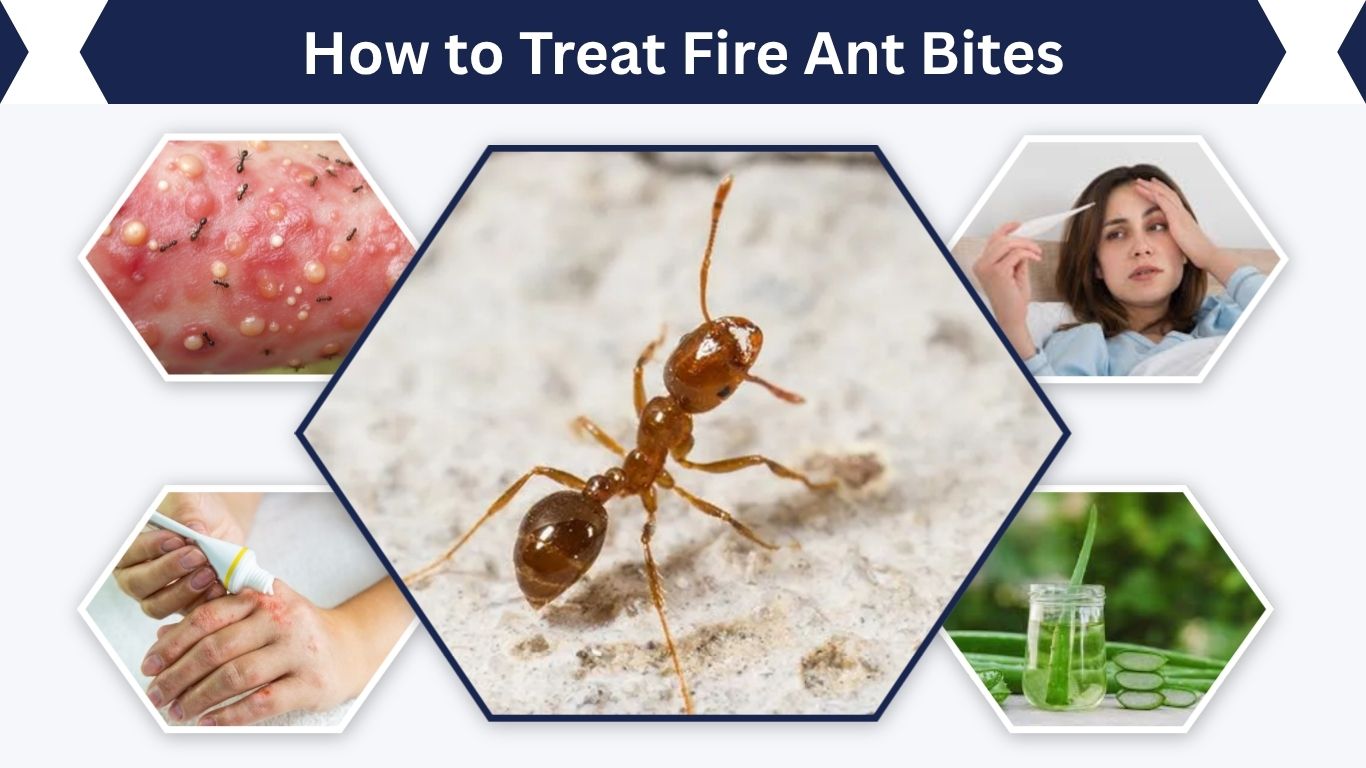
Fire ant bites are painful and can cause itching, swelling, blisters, and even allergic reactions. While many bites are minor, timely treatment is important to reduce discomfort and prevent infection. This guide covers effective first aid, home remedies, and natural treatments, as well as care for bites on humans, children, and pets. Understanding the different types of bites and how to respond ensures faster relief and minimizes complications from these aggressive ants.
Types of Fire Ant Bites
Fire ant bites vary depending on the species, number of bites, and the affected individual. Knowing the type of bite can help determine the best treatment approach. Bites can be mild, severe, single, or multiple, and they may appear on humans, children, or pets.
Red Fire Ant Bites
- Small to medium size, usually red and swollen
- Can develop pustules within hours
- Painful and itchy
Black Fire Ant Bites
- Similar to red fire ants but darker in color
- Less common in many regions
- May cause localized swelling and itching
Multiple Bites
- Often from disturbing a mound
- Can lead to extensive redness and discomfort
- May require more intensive care to prevent infection
Immediate First Aid for Fire Ant Bites
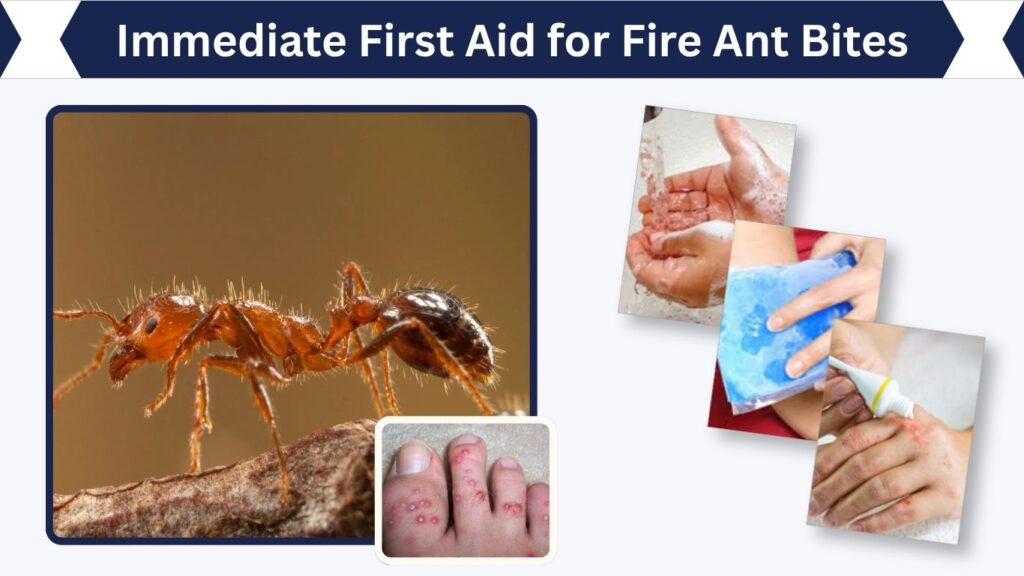
Quick treatment is critical to reduce pain, swelling, and risk of infection. Start by cleaning the bite area thoroughly, then take steps to alleviate discomfort. Cold compresses and topical treatments help manage immediate reactions.
Cleaning the Bite
- Wash the affected area with soap and water
- Remove any ant stingers or debris
- Pat dry with a clean towel
Cold Compress
- Apply an ice pack or cold cloth for 10–15 minutes
- Helps reduce swelling and numb pain
- Repeat as necessary during the first few hours
Topical Treatments
- Hydrocortisone cream to reduce itching
- Antihistamine cream for mild allergic reactions
- Avoid scratching to prevent secondary infection
Home Remedies and Natural Treatments
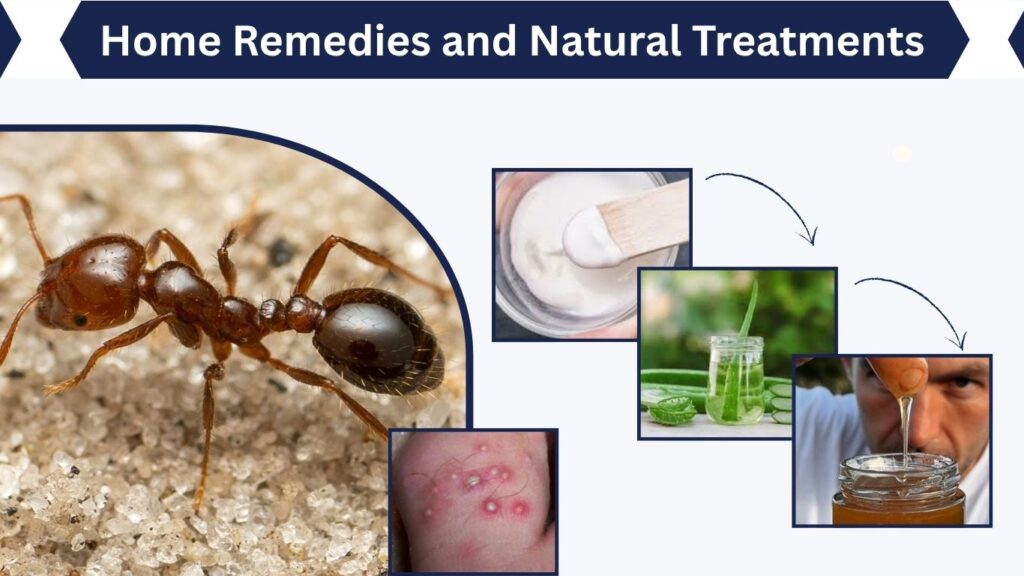
Many natural remedies can provide relief for fire ant bites. They are generally safe for minor bites and help soothe itching, swelling, and redness.
Baking Soda Paste
- Mix baking soda with water to form a paste
- Apply to the bite for 10–15 minutes
- Rinse off and repeat if necessary
Aloe Vera
- Use fresh aloe vera gel on the bite
- Reduces inflammation and promotes healing
- Can be applied multiple times per day
Honey
- Apply a thin layer of honey to the bite
- Acts as an antibacterial and soothing agent
- Helps prevent infection while reducing irritation
Essential Oils
- Tea tree or lavender oils may help
- Dilute with carrier oil before applying
- Provides anti-inflammatory and antiseptic effects
Treating Bites on Humans and Pets
Bites can affect different individuals differently. Children and pets are more sensitive and require careful monitoring. Understanding signs of infection or severe allergic reactions is crucial for safe treatment.
Humans
- Adults: Clean, apply topical creams, monitor for swelling
- Children and toddlers: Avoid harsh creams, use gentle remedies
- Bites on feet or upper lip may need additional care
Pets
- Dogs and puppies: Wash the bite area, apply pet-safe topical treatment
- Horses: Consult a vet for severe bites
- Monitor for signs of infection such as redness, pus, or lethargy
Treating Fire Ant Bite Reactions
Fire ant bites can cause a range of reactions from mild irritation to severe allergic responses. Understanding how to manage swelling, itching, blisters, and pustules is essential to prevent complications. Timely treatment minimizes discomfort and reduces the risk of secondary infections.
Swelling and Itching
- Apply cold compresses to reduce inflammation
- Use antihistamine or hydrocortisone cream for itching
- Avoid scratching to prevent infection
- Elevate affected limbs if swelling is significant
Blisters and Pustules
- Clean the area gently with soap and water
- Apply antiseptic or antibiotic cream to prevent infection
- Cover with a sterile bandage if necessary
- Monitor for signs of spreading redness or pus
Allergic Reactions
- Severe reactions may include difficulty breathing, dizziness, or widespread swelling
- Administer antihistamines for mild allergic symptoms
- Seek emergency medical care for anaphylaxis or severe swelling
- Keep epinephrine available for individuals with known allergies
Infection and Complications
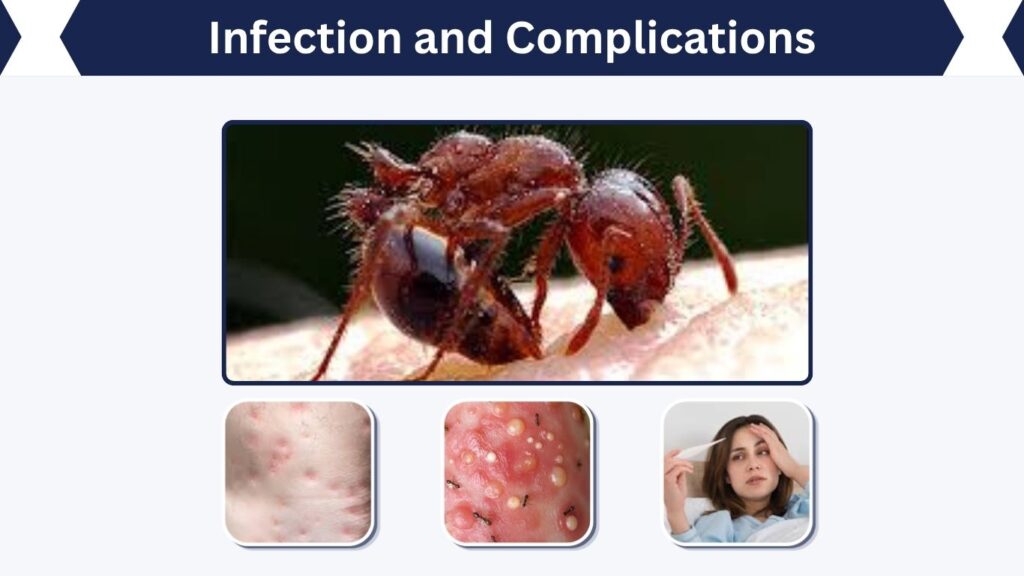
Some bites may become infected if not properly treated. Signs include increased redness, pus formation, warmth around the bite, and fever. Early recognition and treatment are crucial to prevent the infection from spreading.
Identifying Infected Bites
- Redness extending beyond the initial bite area
- Pus or fluid-filled lesions
- Pain that increases over time
- Fever or general malaise
Treating Infected Bites
- Clean the bite thoroughly and apply antibiotic ointment
- Cover with a sterile bandage and change regularly
- Consult a healthcare provider if symptoms worsen
- Oral antibiotics may be prescribed for severe infections
Prevention Tips
Preventing fire ant bites is the most effective way to avoid pain and complications. Awareness and protective measures can significantly reduce risk, especially in areas known for fire ant infestations.
Avoiding Fire Ant Mounds
- Learn to recognize mounds in yards, parks, or fields
- Maintain distance from active nests
- Educate children to avoid disturbing ant colonies
Protective Clothing
- Wear shoes and socks when walking in grassy or sandy areas
- Long sleeves and pants provide added protection
- Gloves when gardening or working in infested soil
Prompt Treatment
- Treat any bites immediately to minimize discomfort
- Apply natural or topical remedies as soon as possible
- Monitor for allergic reactions or signs of infection
FAQs
How fast do fire ant bites heal?
Most minor bites heal within a few days. Blisters or pustules may take up to a week, while multiple bites or infected bites may require longer care.
Can fire ant bites cause severe allergic reactions?
Yes. Some individuals experience anaphylaxis, characterized by difficulty breathing, swelling, and dizziness. Emergency medical attention is essential in such cases.
Are home remedies effective for multiple bites?
Natural remedies like aloe vera, baking soda, and honey can relieve mild irritation, even for multiple bites, but severe reactions may need medical treatment.
How to treat fire ant bites on pets?
Clean the area, apply pet-safe topical treatments, and monitor for swelling, redness, or pus. Severe reactions may require veterinary care.
What to do if bites become infected?
Clean thoroughly, apply antiseptic or antibiotic creams, cover with sterile bandages, and consult a healthcare provider if symptoms worsen. Oral antibiotics may be needed for serious infections.