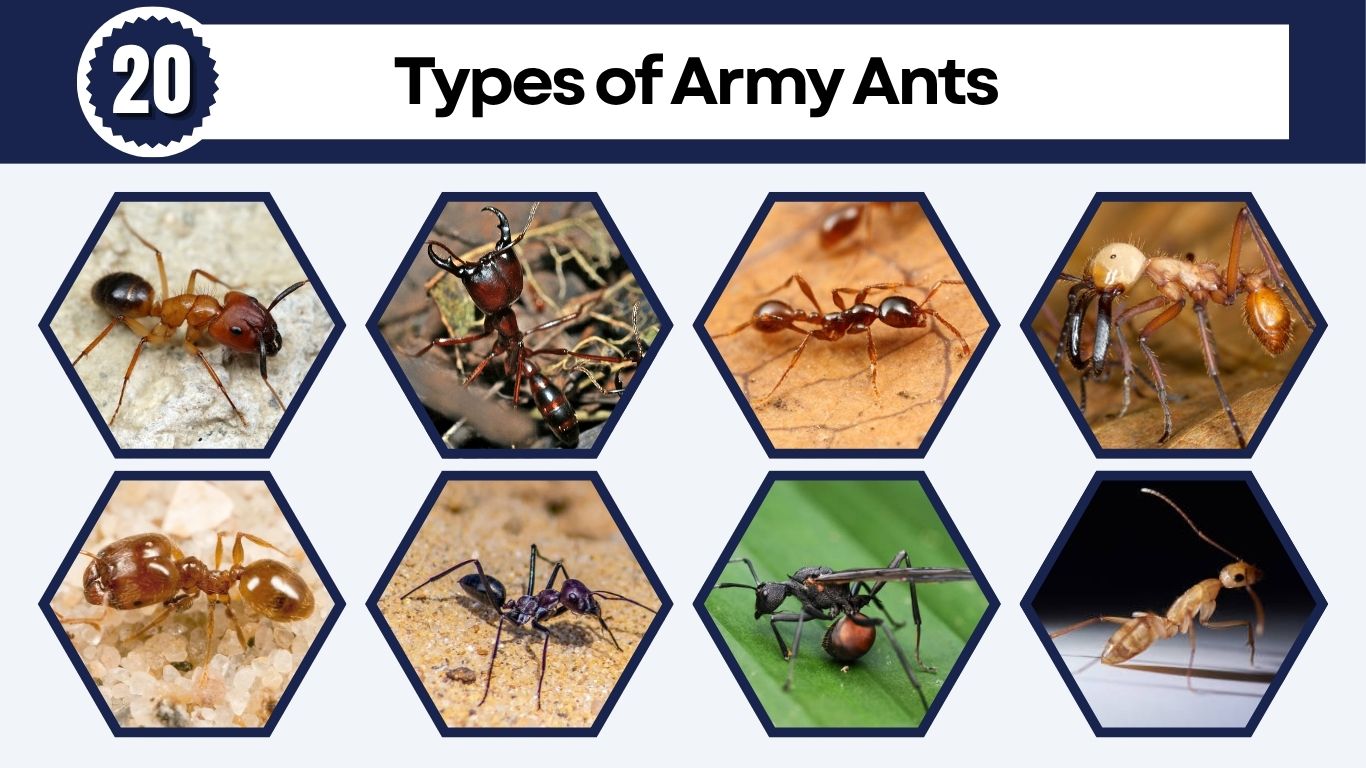
Army ants are some of the most fascinating and aggressive insects in the animal kingdom. Known for their massive swarm raids, nomadic lifestyle, and remarkable teamwork, these ants play an important role in tropical ecosystems. Different species can be found across Africa, Asia, and the Americas, each with unique behaviors and adaptations.
In this guide, you will discover 20 types of army ants, including their identification features, habitats, hunting behavior, and life cycles. From the powerful driver ant to the organized Matabele ant, these species showcase the incredible diversity of army ants worldwide.
1. Eciton Army Ant
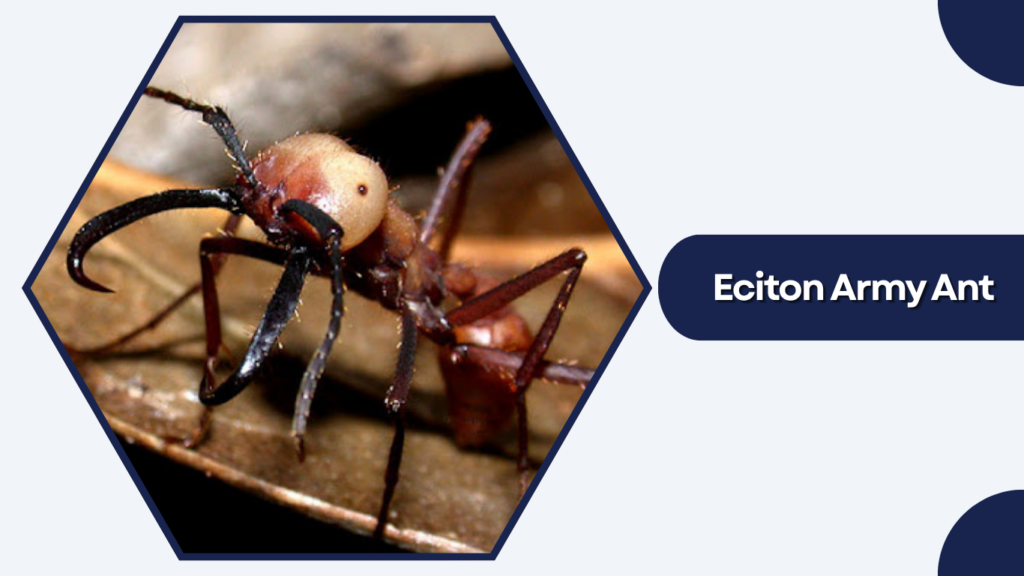
Eciton army ants are among the most well-known army ants in the Americas. These ants are famous for their aggressive group hunting behavior, massive swarm raids, and temporary living nests called bivouacs. They travel in large colonies and can quickly overwhelm insects and small animals in tropical forests.
Identification
- Medium to large reddish-brown body
- Strong mandibles for hunting prey
- Blind or poorly developed eyes
- Long legs adapted for constant movement
- Workers vary greatly in size within the same colony
- Soldiers have larger heads and stronger jaws
- Forms massive moving columns during raids
Habitat and Distribution
Eciton army ants mainly live in tropical rainforests of Central and South America. They prefer warm, humid environments with dense vegetation and abundant insect prey. These ants do not build permanent underground nests. Instead, they move frequently and create temporary bivouacs using the bodies of worker ants linked together.
They are commonly found in forest floors, leaf litter, and low vegetation where they can organize large hunting raids efficiently.
Behavior and Diet
Eciton army ants are highly social predators that hunt cooperatively. Thousands of workers move together in organized swarms, attacking insects, spiders, and other small animals. Their raids can force many forest creatures to flee, and some bird species even follow the ants to catch escaping prey.
These ants communicate using chemical signals and work together with remarkable coordination. Their nomadic lifestyle allows them to constantly search for fresh food sources throughout the forest.
Life Cycle
The life cycle of Eciton army ants begins with eggs laid by a single queen. The queen can produce huge numbers of eggs during reproductive periods. After hatching, larvae are fed and protected by worker ants until they develop into pupae and later emerge as adults.
The colony alternates between a stationary phase, when larvae are developing, and a nomadic phase, when the colony travels frequently in search of food. This cycle helps maintain the survival and growth of the entire colony.
2. Driver Ant
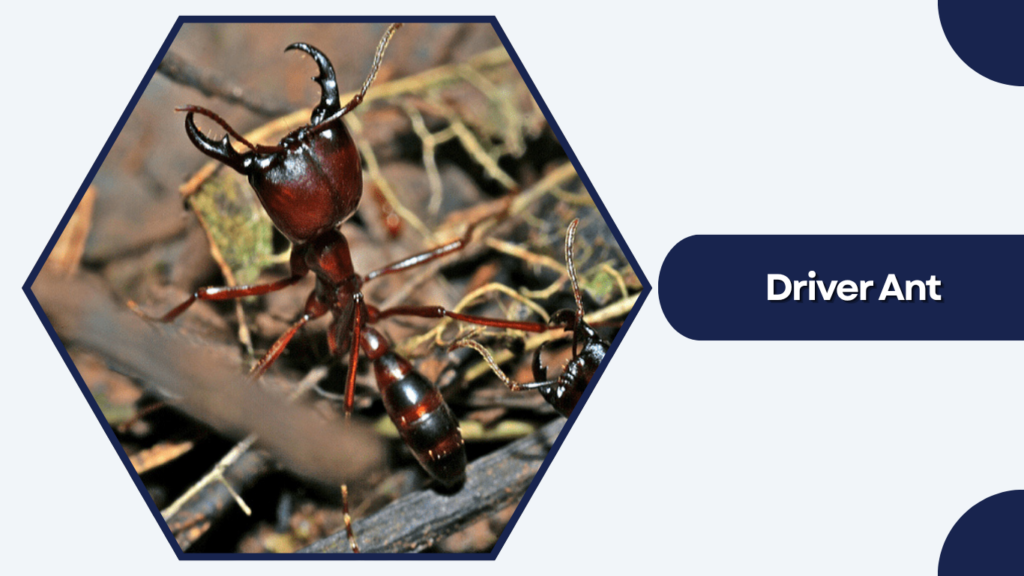
Driver ants are powerful Old World army ants known for their enormous colonies and aggressive swarm attacks. These ants are especially famous in Africa, where their marching columns can contain millions of individuals. They are highly organized predators that travel long distances while searching for food.
Identification
- Dark brown to black body color
- Large colonies with different worker sizes
- Massive soldier ants with oversized mandibles
- Blind or poorly sighted workers
- Long segmented antennae
- Strong legs designed for constant movement
- Forms dense marching trails on the ground
Habitat and Distribution
Driver ants are mostly found in tropical regions of Africa, although some related species occur in Asia. They thrive in rainforests, savannas, woodlands, and moist grasslands where prey is plentiful. Unlike many ant species, they rarely create permanent nests.
Their temporary nesting sites are usually underground chambers or bivouacs formed by clustering worker ants together. Colonies frequently relocate to follow food availability and suitable environmental conditions.
Behavior and Diet
Driver ants are among the most feared insect predators in their habitats. They travel in massive swarms that attack insects, spiders, worms, reptiles, and even small mammals unable to escape. Their powerful jaws allow them to tear apart prey quickly and efficiently.
Despite their aggressive hunting behavior, driver ants play an important ecological role by controlling populations of other insects and cleaning up dead animals. Their organized movement and teamwork make them one of the most successful social insects in the world.
Life Cycle
The colony revolves around a highly fertile queen capable of producing millions of eggs during her lifetime. Eggs hatch into larvae, which are cared for by workers inside temporary nesting areas. After developing into pupae, new adult ants join the colony workforce.
Driver ant colonies alternate between active nomadic periods and more stationary reproductive phases. This cycle supports colony expansion while ensuring the survival of developing young ants.
3. Matabele Ant
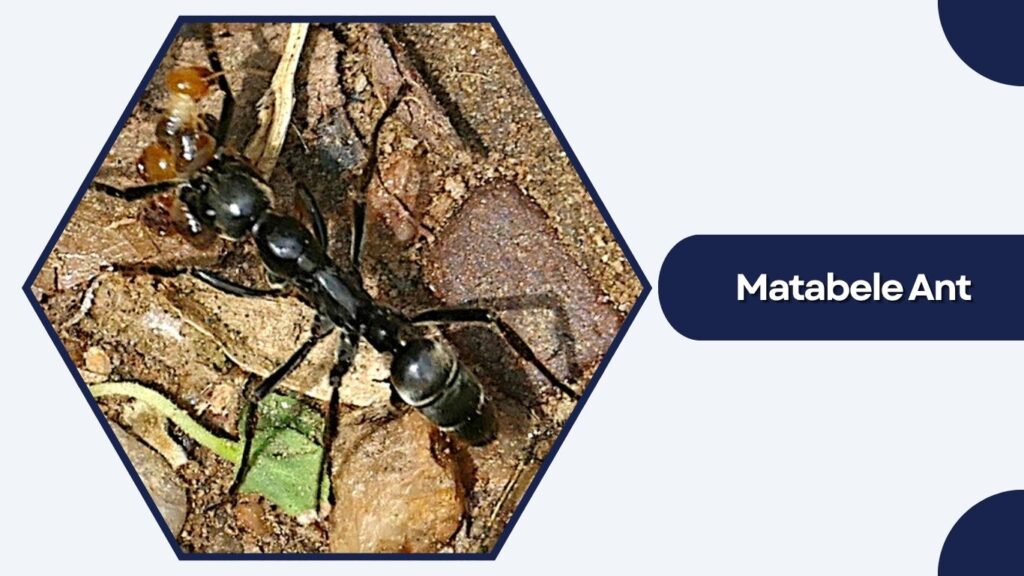
Matabele ants are specialized African army ants famous for hunting termites. They are named after the fierce Matabele warriors of southern Africa because of their organized raiding behavior. Unlike some larger army ants, these ants conduct targeted attacks with impressive coordination and strategy.
Identification
- Dark brown to black body coloration
- Medium-sized workers with slender bodies
- Long legs adapted for fast movement
- Powerful curved mandibles
- Distinct segmented antennae
- Soldiers slightly larger than worker ants
- Narrow waist typical of ant species
Habitat and Distribution
Matabele ants are mainly found across sub-Saharan Africa in savannas, grasslands, and open woodlands. They prefer dry or semi-dry habitats where termite colonies are abundant. These ants usually nest underground in protected chambers near reliable food sources.
Their colonies are smaller than those of many other army ants, but they are highly efficient hunters. They often travel along established routes while searching for termite nests to attack.
Behavior and Diet
Matabele ants are expert termite predators. Scout ants locate termite colonies and then recruit raiding groups to launch organized attacks. During these raids, workers invade termite tunnels, kill defenders, and carry captured termites back to the nest.
One of the most fascinating behaviors of Matabele ants is their ability to rescue injured nestmates. Ants wounded during raids are carried back to the colony, where other workers clean and treat their injuries. This unusual behavior improves survival rates within the colony.
Life Cycle
The colony is centered around a queen that lays eggs throughout the year. Eggs develop into larvae, which are carefully fed and protected by worker ants. After pupation, adult ants emerge and take on different colony duties such as foraging, nest maintenance, or defense.
As the colony grows, it may establish new nests through colony division. Environmental conditions and food availability strongly influence the growth and survival of Matabele ant colonies.
4. Legionary Ant
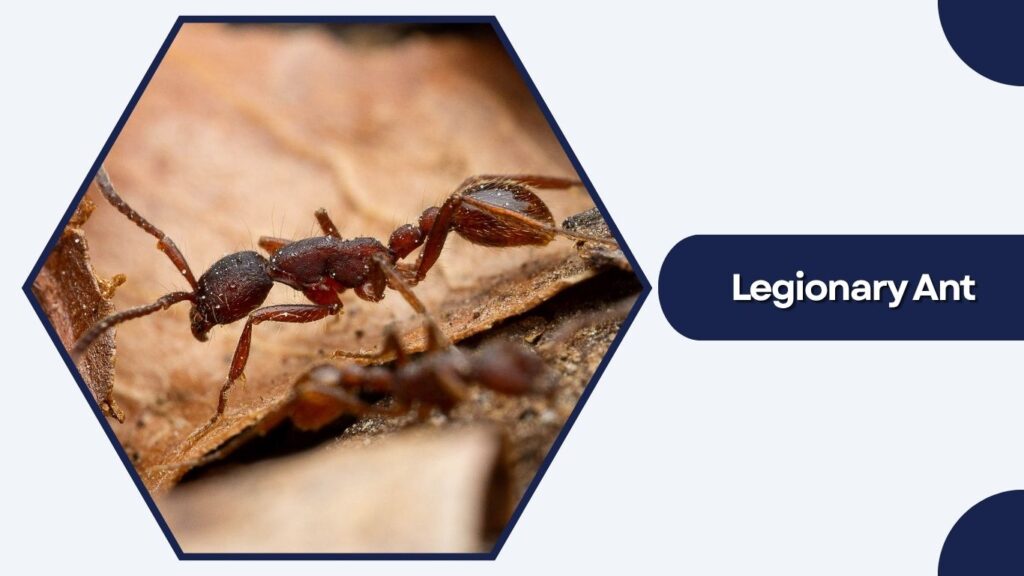
Legionary ants are highly mobile army ants known for their coordinated mass raids and nomadic lifestyle. These ants move in large groups across forest floors, overwhelming prey with sheer numbers and teamwork. Their aggressive hunting behavior has made them one of the most recognizable army ant groups in tropical ecosystems.
Identification
- Reddish-brown to dark brown body
- Strong curved mandibles
- Workers vary greatly in size
- Long legs for rapid movement
- Reduced or absent eyesight
- Large-headed soldier ants for defense
- Forms wide marching columns during raids
Habitat and Distribution
Legionary ants are commonly found in tropical forests of Central and South America. They prefer warm, humid regions with dense vegetation and abundant insect populations. Instead of building permanent nests, they create temporary bivouacs from living worker ants clustered together.
These ants are highly adaptable and can travel through leaf litter, fallen logs, and low vegetation while searching for prey. Their constant movement helps them exploit different food sources across large forest areas.
Behavior and Diet
Legionary ants are cooperative predators that attack insects, spiders, and other small invertebrates. Thousands of workers move together in organized raiding parties that can rapidly strip an area of prey. Their swarms often disturb hidden forest animals, attracting birds that feed on escaping insects.
Communication within the colony depends heavily on chemical trails and physical contact. Each ant performs specific tasks during raids, including scouting, carrying prey, and defending the colony from threats.
Life Cycle
The life cycle begins with eggs laid by a fertile queen inside the colony’s temporary nesting site. Worker ants care for the developing larvae by feeding and protecting them until they pupate. After emerging as adults, young ants join the colony workforce.
Legionary ant colonies alternate between stationary and nomadic phases. During the stationary phase, larvae develop safely, while the nomadic phase involves constant travel and hunting to support the growing colony.
5. Amazon Army Ant
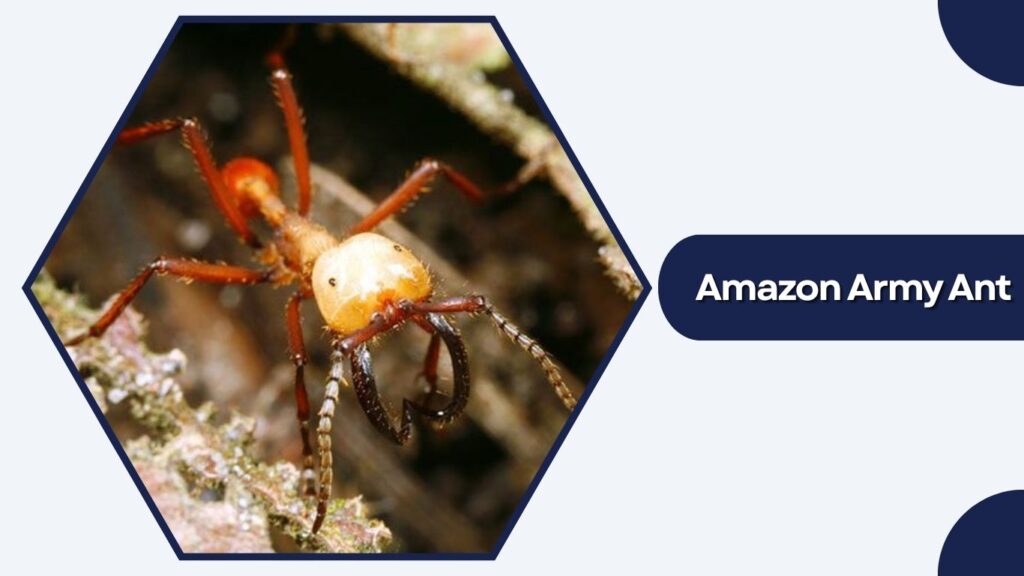
Amazon army ants are fierce tropical predators known for their fast-moving raids and highly organized colony behavior. These ants travel in massive swarms through rainforest environments, attacking insects and other small animals. Their cooperative hunting style makes them highly effective predators in the ecosystems they inhabit.
Identification
- Dark reddish-brown body color
- Large curved mandibles for capturing prey
- Long legs suited for constant movement
- Workers vary in size within the colony
- Soldier ants have enlarged heads
- Small or poorly developed eyes
- Forms organized columns during migration
Habitat and Distribution
Amazon army ants are mainly found in the tropical rainforests of South America, especially within the Amazon Basin. They prefer humid forests with thick leaf litter and dense vegetation where prey is abundant. These ants rarely stay in one place for long periods.
Instead of building permanent nests, colonies create temporary living shelters called bivouacs. These structures are made by worker ants linking their bodies together to protect the queen and young ants.
Behavior and Diet
Amazon army ants are aggressive hunters that work together to overwhelm prey. Their raids target insects, spiders, larvae, and other small forest creatures. Thousands of ants can sweep across the forest floor at once, capturing nearly anything unable to escape.
The colony relies on chemical communication to coordinate movement and hunting. Specialized workers perform different duties such as scouting, defense, prey transport, and caring for larvae. Their raids also influence rainforest ecosystems by controlling insect populations.
Life Cycle
The colony is centered around a queen that lays large numbers of eggs. After hatching, larvae are fed and protected by worker ants until they become pupae. Newly emerged adults then begin helping with colony activities.
Amazon army ants follow a repeating cycle of stationary and nomadic phases. During the stationary stage, the colony remains in one area while larvae develop. Once the young mature, the colony begins migrating again in search of food and new hunting grounds.
6. Nomadic Army Ant
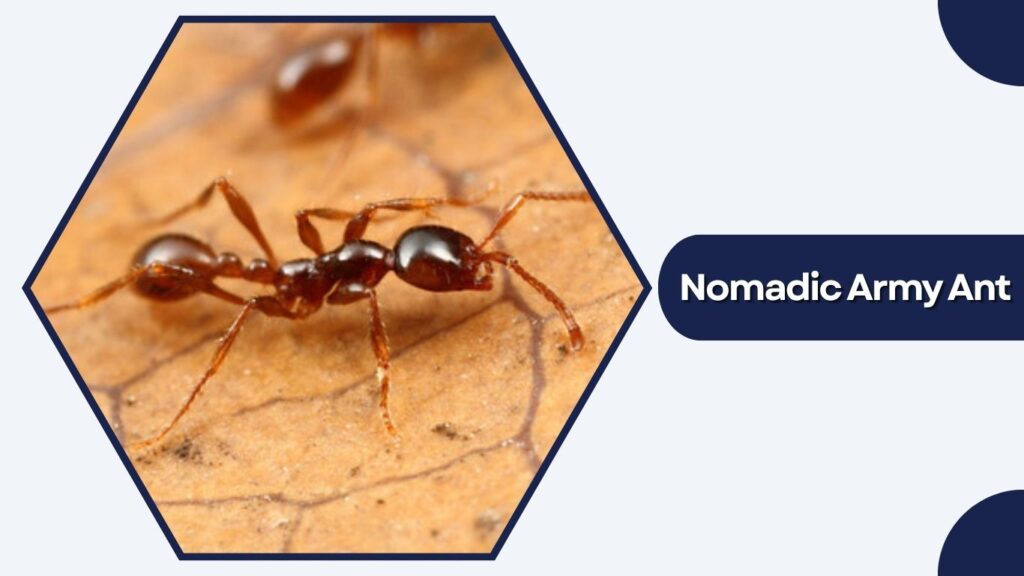
Nomadic army ants are famous for their nonstop movement and temporary living structures. Unlike many ant species that remain in permanent nests, these ants constantly travel in search of food. Their large colonies and coordinated raids make them powerful predators in tropical ecosystems.
Identification
- Dark brown or reddish body coloration
- Long legs built for continuous travel
- Sharp mandibles for attacking prey
- Workers differ greatly in size
- Soldier ants have enlarged heads and jaws
- Poor eyesight or completely blind
- Forms long marching trails across the ground
Habitat and Distribution
Nomadic army ants are found in tropical and subtropical regions around the world, especially in Africa, Asia, and the Americas. They thrive in rainforests, woodlands, and humid environments where insect prey is abundant.
These ants do not construct permanent nests. Instead, they create temporary bivouacs using their own bodies to shelter the queen, larvae, and pupae. Colonies frequently relocate to maintain access to fresh food sources.
Behavior and Diet
Nomadic army ants are cooperative hunters that attack insects, spiders, worms, and other small animals. They move in organized swarms capable of overwhelming prey with speed and numbers. Some raids can stretch for several meters and involve millions of ants.
Communication is maintained through chemical trails and physical contact between workers. Their nomadic behavior allows them to exploit changing food supplies while avoiding overhunting a single area.
Life Cycle
The queen lays large numbers of eggs during reproductive periods. Worker ants care for the larvae by feeding and protecting them inside the colony’s temporary shelter. After pupation, adult ants emerge and take on colony tasks such as foraging or defense.
The colony alternates between nomadic and stationary phases. During the stationary stage, larvae develop safely while the colony remains in one location. Once the young mature, the ants begin traveling again in search of food and better hunting grounds.
7. Swarm Raider Ant
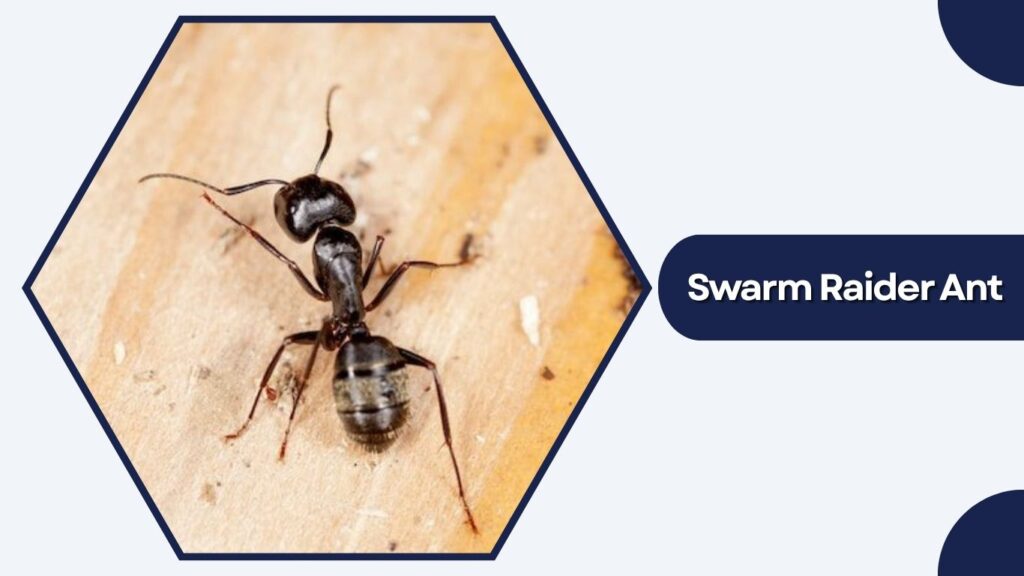
Swarm raider ants are small but highly organized army ants known for their coordinated group hunting behavior. Despite their smaller colony size compared to some larger army ants, they are efficient predators that work together to capture prey and defend their colony.
Identification
- Small reddish-brown to yellowish body
- Slender body shape with narrow waist
- Sharp mandibles for hunting prey
- Long antennae used for communication
- Workers are mostly similar in size
- Fast-moving foraging behavior
- Forms compact raiding groups during hunts
Habitat and Distribution
Swarm raider ants are commonly found in tropical and subtropical regions, especially in forests and areas with loose soil or leaf litter. They prefer warm environments where insects and larvae are plentiful.
These ants usually nest underground, beneath rocks, or inside decaying wood. Their colonies are smaller than those of giant army ants, but they remain highly mobile and capable of relocating when food becomes scarce.
Behavior and Diet
Swarm raider ants hunt cooperatively using organized raiding parties. They attack small insects, larvae, and other invertebrates, carrying captured prey back to the colony. Chemical trails help workers coordinate movement and maintain contact during raids.
These ants are known for efficient teamwork and quick responses to food sources. Workers communicate constantly while foraging, allowing the colony to react rapidly to environmental changes and potential threats.
Life Cycle
The colony is led by a queen that produces eggs throughout the year. Worker ants care for the eggs and larvae inside protected nesting chambers. As the larvae mature, they pupate before emerging as adult ants ready to assist the colony.
Swarm raider ant colonies grow gradually and may divide when populations become too large. Environmental conditions such as temperature, humidity, and food supply strongly influence colony success and survival.
8. New World Army Ant
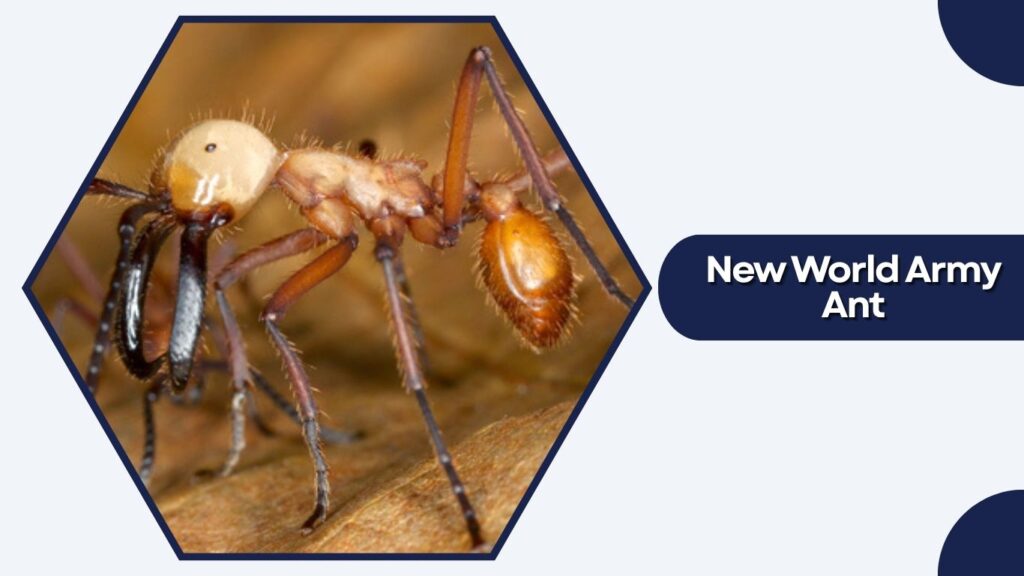
New World army ants are a group of highly social ants found mainly in the Americas. They are famous for their massive swarm raids, nomadic lifestyle, and cooperative hunting behavior. These ants play an important role in tropical ecosystems by controlling populations of insects and other small animals.
Identification
- Reddish-brown to dark brown coloration
- Strong mandibles for capturing prey
- Long legs adapted for fast movement
- Workers vary greatly in size
- Soldier ants possess enlarged heads
- Reduced or absent eyesight
- Forms organized swarming columns during raids
Habitat and Distribution
New World army ants are distributed throughout Central and South America, especially in tropical rainforests. They thrive in warm, humid habitats with thick vegetation and abundant prey populations.
These ants usually travel along the forest floor through leaf litter and fallen branches. Rather than building permanent nests, they form temporary bivouacs using the bodies of worker ants to shelter the queen and developing young.
Behavior and Diet
New World army ants are aggressive group hunters that attack insects, spiders, and small vertebrates. Their swarms move rapidly and can overwhelm prey using sheer numbers and coordinated attacks. Some bird species closely follow their raids to feed on insects escaping from the advancing ants.
Communication within the colony relies heavily on pheromone trails and teamwork. Different workers specialize in tasks such as scouting, defense, prey transport, and caring for larvae.
Life Cycle
The queen lays large numbers of eggs during reproductive cycles. Worker ants protect and feed the larvae until they develop into pupae and later emerge as adults. Young ants then join colony activities based on their role and size.
The colony alternates between stationary and nomadic phases. During stationary periods, larvae develop safely, while nomadic periods involve constant migration and hunting to support the colony’s nutritional needs.
9. Old World Army Ant
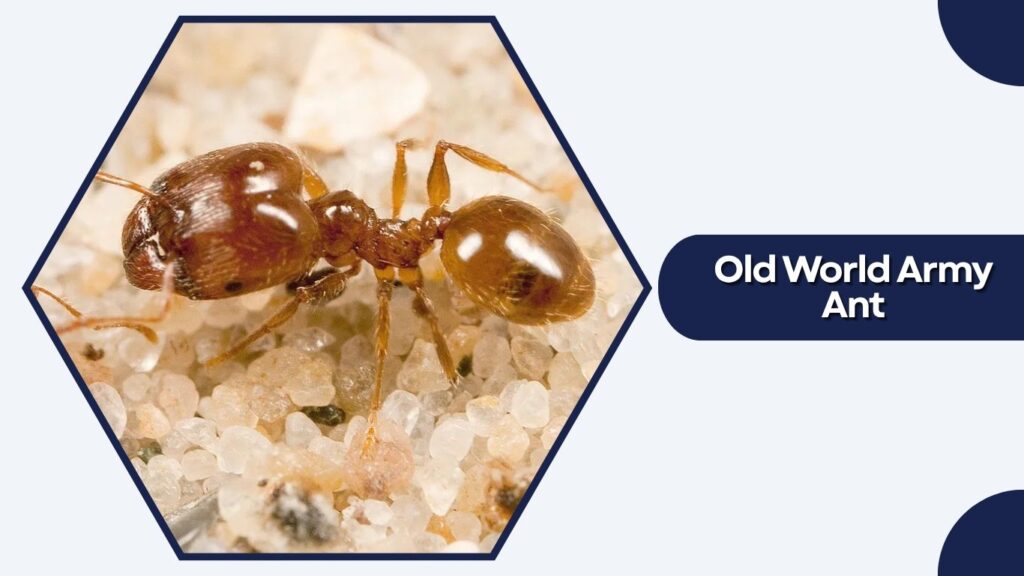
Old World army ants are aggressive social ants native to Africa, Asia, and parts of Australia. They are known for their coordinated hunting behavior, massive swarms, and nomadic colonies. These ants are among the most effective insect predators in tropical ecosystems and can dominate large areas during raids.
Identification
- Dark brown to black body coloration
- Powerful curved mandibles
- Long legs adapted for rapid movement
- Workers vary greatly in size
- Large soldier ants with oversized heads
- Small or absent eyes
- Forms dense marching columns while hunting
Habitat and Distribution
Old World army ants mainly inhabit tropical forests, savannas, and grasslands across Africa and Asia. They prefer warm environments with abundant prey and suitable shelter for temporary nesting.
These ants often create underground nests or temporary bivouacs made from living workers. Colonies frequently relocate in response to food availability and environmental conditions, maintaining their nomadic lifestyle.
Behavior and Diet
Old World army ants are cooperative predators that hunt in large swarms. Their raids target insects, spiders, worms, reptiles, and other small animals unable to escape quickly. The colony works together with impressive coordination, using pheromone trails to direct movement and attacks.
Some species are capable of stripping entire areas of prey within a short time. Their aggressive foraging behavior helps regulate insect populations and contributes to ecosystem balance in tropical habitats.
Life Cycle
The queen is responsible for producing large numbers of eggs that sustain the colony. Worker ants protect the eggs and care for larvae until they mature into pupae and eventually adult ants.
The colony alternates between reproductive and migratory phases. During stationary periods, larvae develop inside protected shelters. Once development is complete, the colony resumes migration to search for new food sources and suitable nesting locations.
10. Dorylus Army Ant
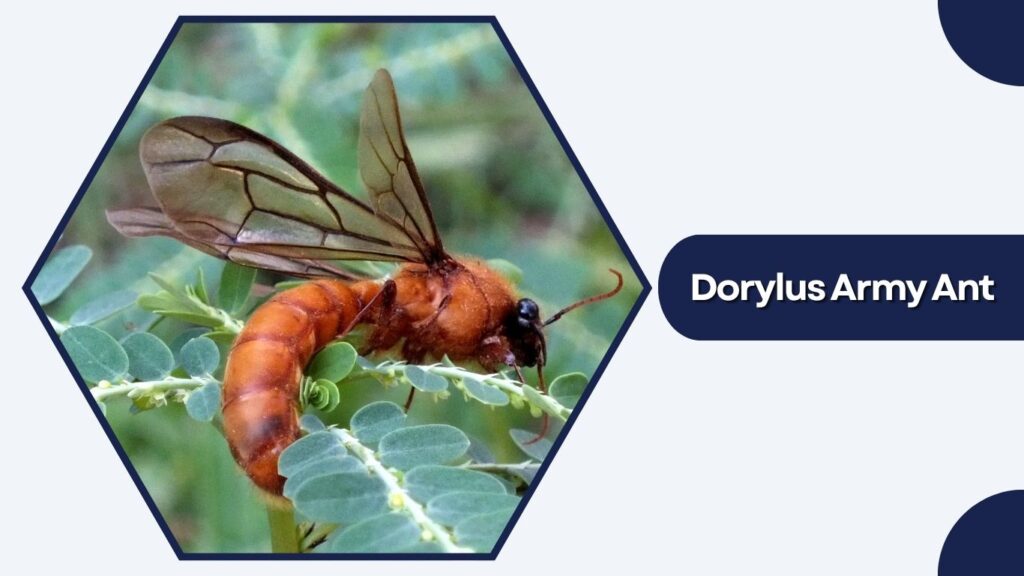
Dorylus army ants are among the largest and most powerful army ants in the world. Commonly found in Africa, these ants are famous for their enormous colonies and aggressive swarm raids. Some species are called driver ants because of their ability to force animals and humans to move away from their marching paths.
Identification
- Dark reddish-brown to black body
- Large soldier ants with massive mandibles
- Workers vary greatly in size
- Long segmented antennae
- Strong legs for continuous movement
- Small or absent eyes
- Dense marching columns during raids
Habitat and Distribution
Dorylus army ants are widely distributed across sub-Saharan Africa and parts of tropical Asia. They inhabit rainforests, savannas, grasslands, and woodland environments where prey is abundant.
These ants often build temporary underground nests or living bivouacs. Colonies may move frequently depending on food supply and environmental conditions, maintaining their highly mobile lifestyle.
Behavior and Diet
Dorylus army ants are aggressive predators and scavengers. Their massive swarms attack insects, spiders, worms, reptiles, and even small vertebrates. During raids, millions of ants can move together in highly organized formations that overwhelm prey rapidly.
Workers communicate through pheromone trails and coordinated movement. Soldier ants defend the colony and protect workers during raids using their powerful jaws. Their hunting behavior makes them one of the dominant predators in many African ecosystems.
Life Cycle
The colony is led by a highly fertile queen capable of producing enormous numbers of eggs. Worker ants care for eggs and larvae inside protected nesting areas. After pupation, young adults emerge and begin performing colony tasks.
Dorylus colonies cycle between stationary reproductive periods and active migratory phases. This pattern allows larvae to develop safely while ensuring the colony continuously finds fresh food sources for survival and growth.
11. Bivouac Army Ant
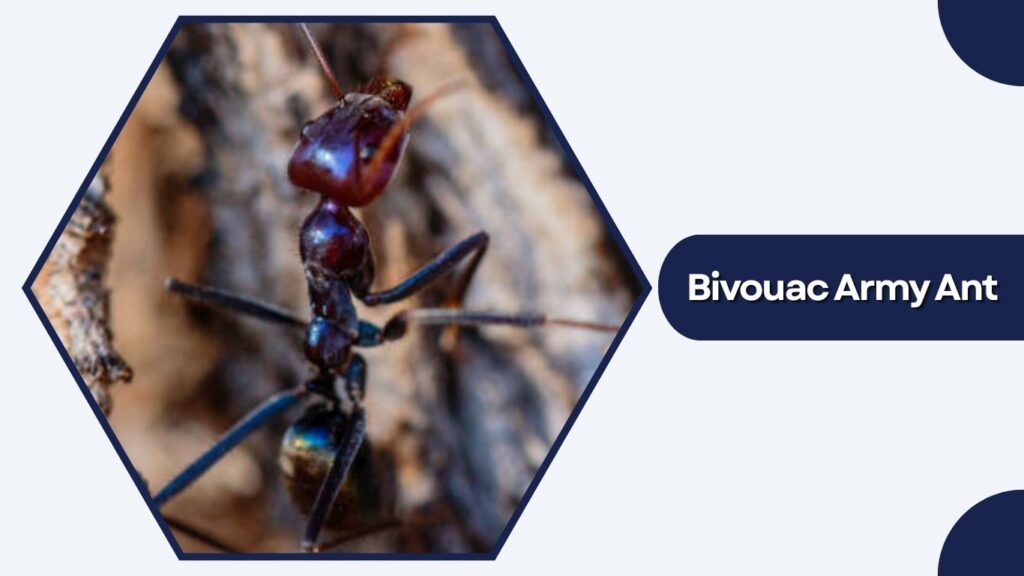
Bivouac army ants are famous for building temporary living nests known as bivouacs. Instead of constructing permanent nests from soil or wood, these ants link their bodies together to create protective shelters for the queen and young ants. Their remarkable teamwork and nomadic behavior make them unique among social insects.
Identification
- Reddish-brown to dark brown body
- Long legs designed for constant travel
- Strong mandibles for hunting prey
- Workers vary in size within the colony
- Soldier ants have enlarged heads
- Small or absent eyes
- Forms clustered living nests from worker bodies
Habitat and Distribution
Bivouac army ants are commonly found in tropical rainforests of Central and South America, as well as parts of Africa and Asia. They thrive in warm, humid environments rich in insect prey and dense vegetation.
These ants usually travel along forest floors and through leaf litter while searching for food. Their bivouacs are often formed in sheltered areas such as beneath logs, inside tree roots, or among thick vegetation.
Behavior and Diet
Bivouac army ants are highly organized predators that hunt cooperatively in large swarms. They feed on insects, spiders, larvae, and other small invertebrates captured during raids. Their coordinated movement allows them to overwhelm prey quickly and efficiently.
The bivouac structure changes constantly as ants move in and out of the colony. Workers maintain the living nest while also protecting the queen, caring for larvae, and participating in hunting raids.
Life Cycle
The queen lays large numbers of eggs during reproductive phases. Worker ants care for the eggs and larvae within the bivouac until they develop into pupae and later emerge as adults.
The colony alternates between stationary and nomadic phases. During stationary periods, larvae grow inside the bivouac. Once the young mature, the colony resumes migration, carrying the developing ants to new feeding grounds.
12. Forest Army Ant
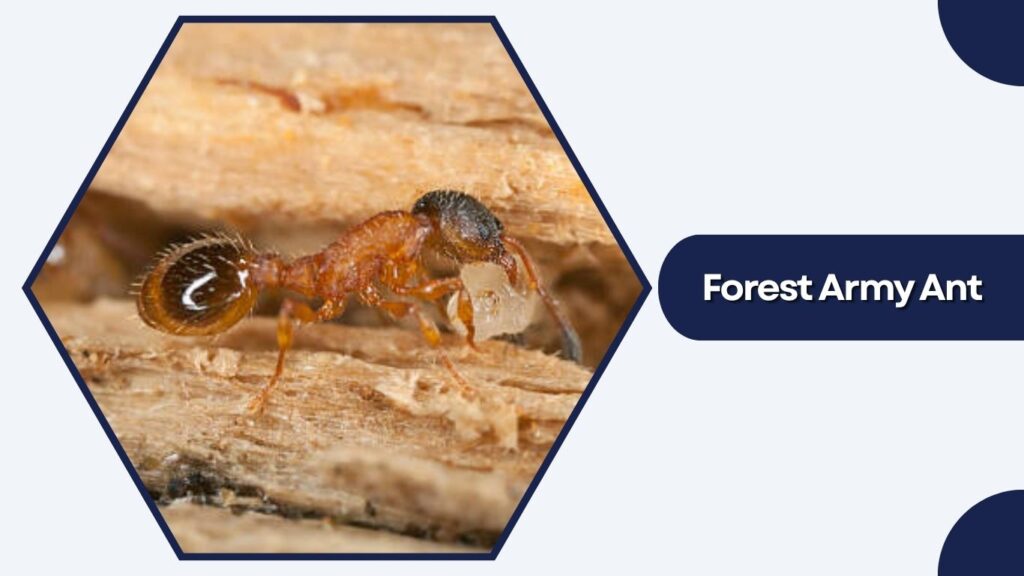
Forest army ants are highly active social ants that thrive in dense woodland and rainforest environments. These ants are known for their coordinated hunting raids, nomadic colonies, and ability to dominate the forest floor while searching for prey. Their swarming behavior makes them important predators in tropical ecosystems.
Identification
- Dark brown to reddish-black body
- Strong mandibles for attacking prey
- Long legs adapted for rapid movement
- Workers differ greatly in size
- Large-headed soldier ants for defense
- Reduced eyesight or completely blind
- Travels in organized columns during raids
Habitat and Distribution
Forest army ants are found mainly in tropical and subtropical forests across Africa, Asia, and the Americas. They prefer humid habitats with thick vegetation, leaf litter, and abundant insect populations.
These ants often establish temporary nests beneath logs, inside soil cavities, or as living bivouacs formed from worker ants. Their colonies relocate frequently to maintain access to fresh hunting areas.
Behavior and Diet
Forest army ants are aggressive cooperative hunters that feed on insects, spiders, worms, and other small forest animals. Their raids can involve thousands or even millions of workers moving together in search of food.
The ants communicate using chemical signals that guide the colony during movement and hunting. Their swarms often disturb hidden insects, attracting birds and other animals that take advantage of fleeing prey.
Life Cycle
The colony is led by a fertile queen that lays large numbers of eggs. Worker ants protect the eggs and feed the developing larvae until they pupate and emerge as adult ants.
Forest army ant colonies alternate between stationary and nomadic phases. During stationary periods, larvae develop safely inside the nest. Once the young mature, the colony begins migrating again to search for food and suitable shelter.
13. Giant African Army Ant
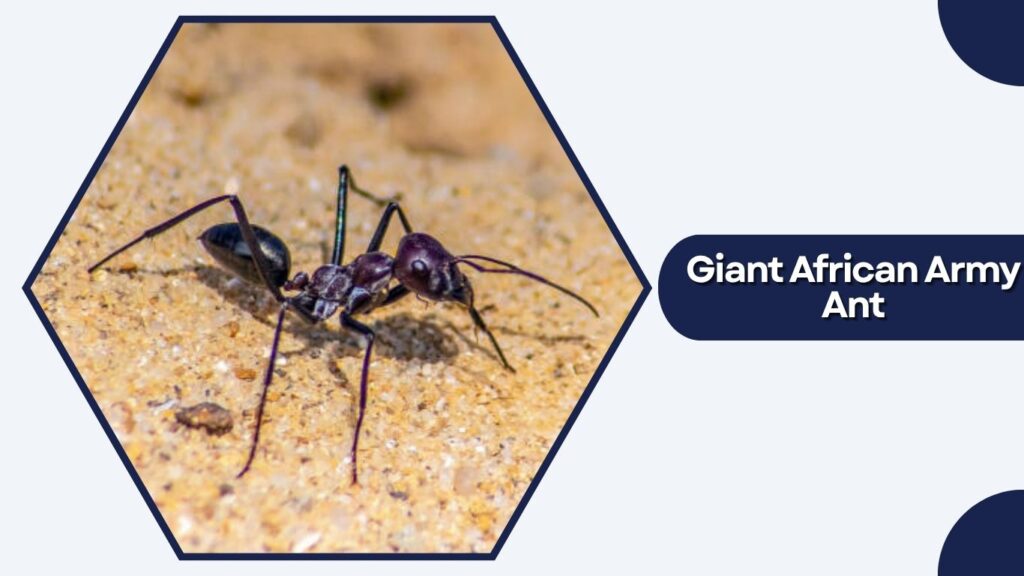
Giant African army ants are among the largest and most intimidating army ants in Africa. These ants are famous for their massive swarm raids, powerful soldier ants, and highly organized colony behavior. Their aggressive hunting tactics allow them to dominate many tropical ecosystems.
Identification
- Dark brown to black body coloration
- Very large soldier ants with huge mandibles
- Workers vary greatly in size
- Long legs adapted for constant marching
- Small or absent eyes
- Thick segmented antennae
- Massive swarming columns during raids
Habitat and Distribution
Giant African army ants are widely distributed across tropical regions of sub-Saharan Africa. They inhabit rainforests, woodlands, grasslands, and moist savannas where prey is abundant.
These ants usually create temporary underground nests or bivouacs formed by clustering worker ants together. Colonies relocate frequently in response to food availability and environmental conditions.
Behavior and Diet
Giant African army ants are aggressive predators that hunt in enormous swarms. Their raids target insects, spiders, worms, reptiles, and even small mammals unable to escape. Millions of ants may participate in a single foraging expedition.
Soldier ants defend the colony with their massive jaws, while smaller workers capture and transport prey. Their cooperative hunting behavior allows them to overpower animals much larger than individual ants.
Life Cycle
The colony revolves around a fertile queen capable of laying huge numbers of eggs. Worker ants protect the eggs and care for larvae until they mature into pupae and later emerge as adults.
The colony alternates between stationary reproductive periods and active migratory phases. This cycle supports larval development while ensuring the colony continuously finds new food sources for survival and expansion.
14. Neotropical Army Ant
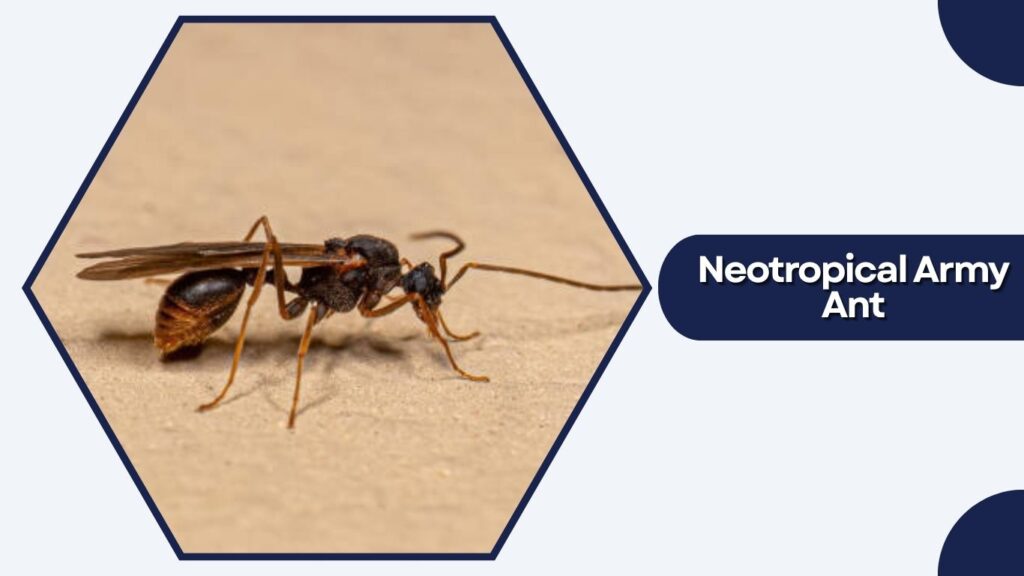
Neotropical army ants are highly social predators found throughout the tropical regions of the Americas. These ants are known for their massive swarms, nomadic colonies, and cooperative hunting behavior. They play a major ecological role by controlling insect populations in rainforest ecosystems.
Identification
- Reddish-brown to dark brown body
- Strong mandibles for capturing prey
- Long legs built for fast movement
- Workers vary greatly in size
- Soldier ants have enlarged heads and jaws
- Reduced eyesight or blindness
- Moves in organized swarming trails
Habitat and Distribution
Neotropical army ants are distributed across Central and South America, especially in tropical rainforests. They thrive in humid environments with dense vegetation, rich leaf litter, and abundant insect prey.
These ants do not build permanent nests. Instead, they form temporary bivouacs using linked worker ants to protect the queen, larvae, and pupae while the colony rests between migrations.
Behavior and Diet
Neotropical army ants are aggressive group hunters that attack insects, spiders, larvae, and small vertebrates. Their raids involve thousands of workers moving together in coordinated swarms that overwhelm prey rapidly.
Many rainforest birds follow these ant swarms to feed on insects escaping from the advancing colony. Chemical communication and teamwork allow the ants to organize hunting routes, transport prey, and defend the colony effectively.
Life Cycle
The queen lays large numbers of eggs during reproductive cycles. Worker ants feed and protect the larvae until they pupate and later emerge as adults. Newly developed ants quickly begin contributing to colony activities.
The colony alternates between nomadic and stationary phases. During stationary periods, larvae develop safely within the bivouac. Once development is complete, the colony resumes migration in search of fresh food sources.
15. Blind Army Ant
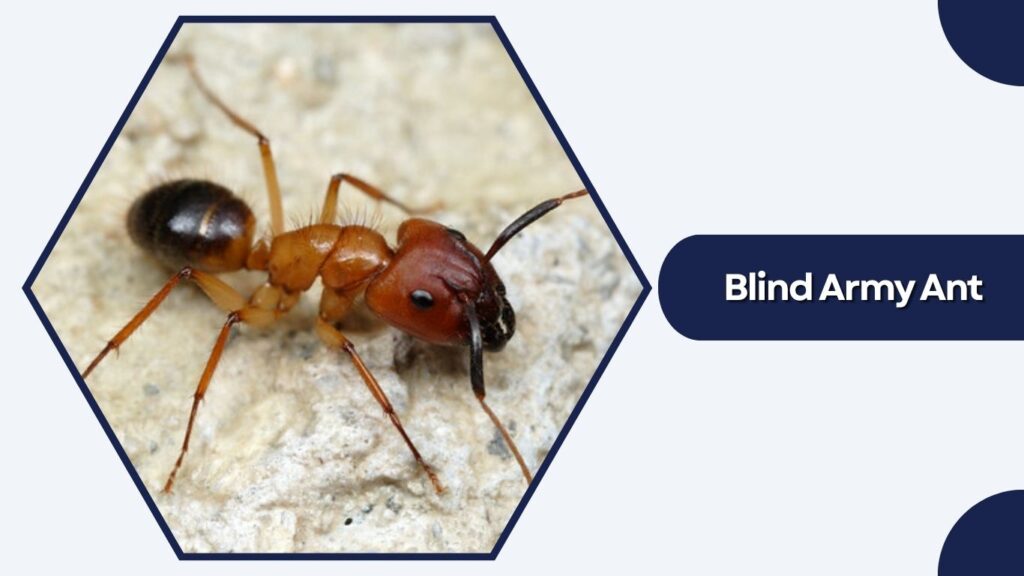
Blind army ants are specialized social ants known for their reduced eyesight and underground hunting behavior. These ants rely heavily on chemical communication and touch rather than vision. Their coordinated swarms and nomadic lifestyle make them highly effective predators in tropical ecosystems.
Identification
- Dark brown to black body color
- Very small or completely absent eyes
- Strong curved mandibles
- Long antennae for sensing surroundings
- Workers vary slightly in size
- Smooth segmented body structure
- Travels in organized underground or surface trails
Habitat and Distribution
Blind army ants are found in tropical and subtropical regions across Africa, Asia, and the Americas. They prefer humid forests, underground tunnels, leaf litter, and loose soil where prey is abundant and sunlight exposure is limited.
These ants often create temporary underground nests or bivouacs hidden beneath logs, rocks, or soil layers. Their colonies frequently relocate as they search for new feeding grounds.
Behavior and Diet
Blind army ants are cooperative predators that hunt insects, larvae, worms, and other small invertebrates. Since they have poor vision, they depend heavily on pheromone trails and antennae to navigate and coordinate raids.
Their swarms move efficiently through dark environments, overwhelming prey with speed and numbers. Workers communicate constantly while foraging, ensuring the colony remains organized even in complete darkness.
Life Cycle
The colony is led by a fertile queen that lays large numbers of eggs. Worker ants care for the eggs and larvae by feeding and protecting them until they mature into pupae and later emerge as adults.
Blind army ant colonies alternate between stationary reproductive periods and nomadic hunting phases. This cycle helps support larval development while allowing the colony to continuously locate fresh food sources.
16. Burrowing Army Ant
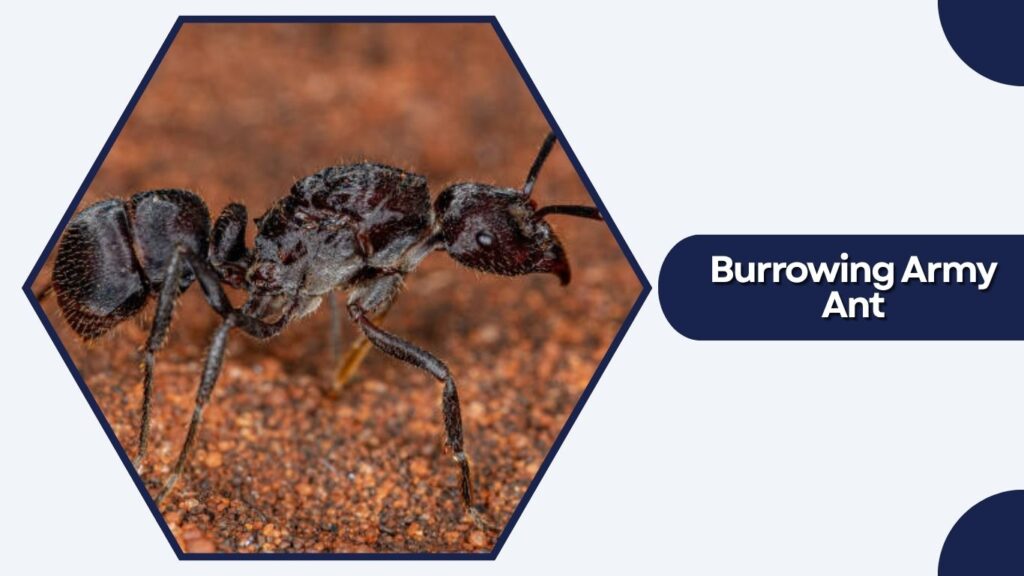
Burrowing army ants are underground-dwelling predators that spend much of their lives tunneling through soil and leaf litter. These ants are highly adapted to life below the surface, where they hunt small invertebrates and move in coordinated colonies. Their hidden lifestyle makes them less visible than many surface-raiding army ants.
Identification
- Dark reddish-brown to black body
- Small or poorly developed eyes
- Strong digging legs and claws
- Curved mandibles for capturing prey
- Elongated body suited for tunnels
- Long antennae for sensing underground paths
- Moves in narrow underground columns
Habitat and Distribution
Burrowing army ants are commonly found in tropical forests, grasslands, and moist soil habitats across Africa, Asia, and the Americas. They prefer loose, humid soil that allows easy tunneling and supports abundant underground prey.
These ants create temporary underground nests beneath rocks, fallen logs, or deep within soil layers. Colonies often relocate to maintain access to food and suitable environmental conditions.
Behavior and Diet
Burrowing army ants are cooperative hunters that prey on insects, larvae, worms, and other soil-dwelling invertebrates. Their raids mainly occur underground, though some species occasionally emerge to forage on the surface.
The ants communicate through pheromone trails and physical contact while navigating tunnels. Their teamwork allows them to overwhelm prey efficiently even in confined underground spaces.
Life Cycle
The queen lays large numbers of eggs within protected underground chambers. Worker ants care for the eggs and larvae by feeding and cleaning them until they develop into pupae and eventually adult ants.
The colony alternates between stationary nesting periods and migratory phases. As food supplies decline, the ants relocate to new underground areas where prey is more abundant.
17. Tropical Army Ant
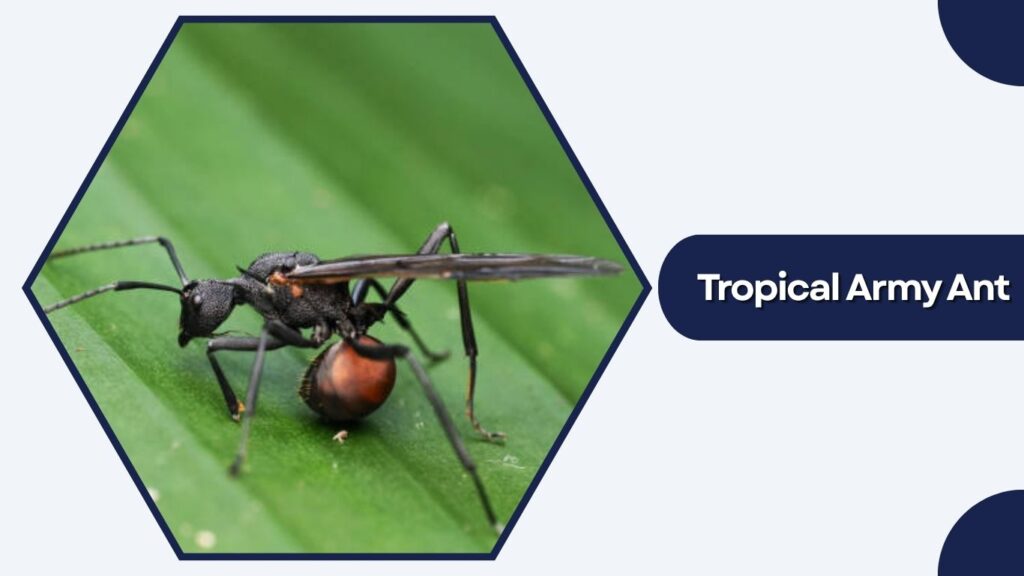
Tropical army ants are aggressive social predators that thrive in warm, humid environments around the world. They are known for their massive swarm raids, nomadic lifestyle, and highly organized colonies. These ants play an important role in tropical ecosystems by controlling populations of insects and other small animals.
Identification
- Reddish-brown to dark black body
- Powerful mandibles for hunting prey
- Long legs adapted for rapid movement
- Workers vary greatly in size
- Large-headed soldier ants for defense
- Reduced eyesight or blindness
- Forms long swarming trails during raids
Habitat and Distribution
Tropical army ants are found in rainforests, jungles, and humid woodlands across Africa, Asia, and the Americas. They prefer warm climates with dense vegetation, rich leaf litter, and abundant prey populations.
These ants usually create temporary nests underground or living bivouacs formed by linked worker ants. Colonies move frequently to maintain access to fresh hunting areas.
Behavior and Diet
Tropical army ants are cooperative predators that hunt insects, spiders, larvae, worms, and small vertebrates. Their swarms can contain thousands or millions of workers moving together in coordinated raids.
Chemical communication helps guide colony movement and organize hunting behavior. Their aggressive foraging activity often forces hidden prey out of cover, benefiting birds and other animals that follow the swarms.
Life Cycle
The colony is centered around a queen capable of laying huge numbers of eggs. Worker ants protect and feed the developing larvae until they pupate and later emerge as adult ants.
Tropical army ant colonies alternate between stationary reproductive periods and nomadic migratory phases. This cycle supports larval development while allowing the colony to continuously search for new food sources.
18. Foraging Army Ant
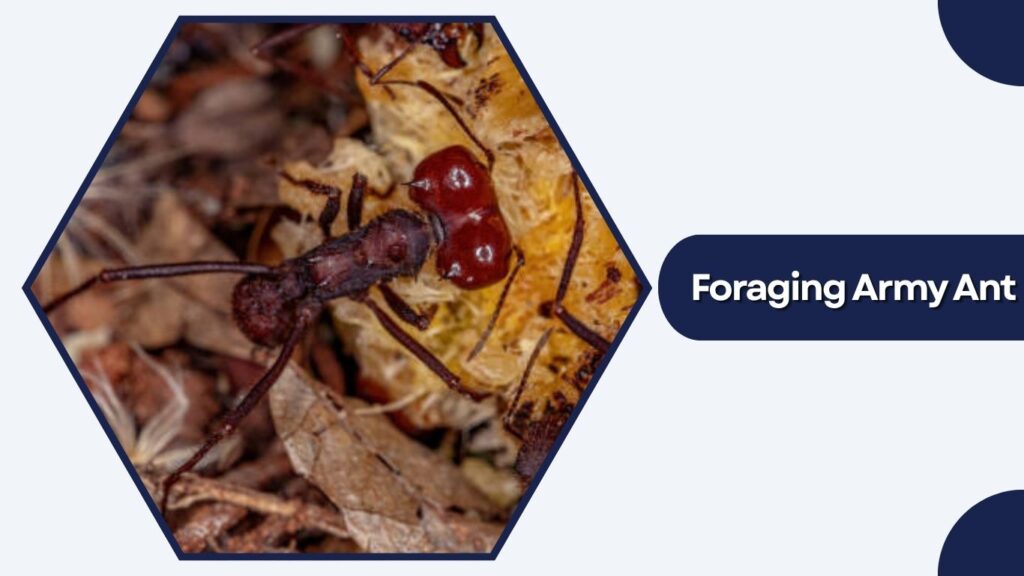
Foraging army ants are highly active predators known for their constant search for food and organized swarm raids. These ants move in coordinated groups across forest floors and grasslands, overwhelming prey with speed and teamwork. Their strong hunting instincts make them important predators in many ecosystems.
Identification
- Dark brown to reddish-black body
- Sharp mandibles for capturing prey
- Long legs designed for rapid movement
- Workers differ in size within the colony
- Soldier ants have larger heads and jaws
- Small or poorly developed eyes
- Travels in organized foraging columns
Habitat and Distribution
Foraging army ants are found in tropical and subtropical regions across Africa, Asia, and the Americas. They prefer forests, woodlands, and humid environments where insect prey is abundant.
These ants usually create temporary underground nests or bivouacs formed from worker ants. Colonies frequently relocate while searching for better feeding grounds and suitable shelter.
Behavior and Diet
Foraging army ants are aggressive hunters that feed on insects, larvae, spiders, worms, and other small invertebrates. Their swarms move quickly through vegetation and leaf litter, capturing prey that cannot escape.
Workers communicate using pheromone trails that help organize movement and direct raids. Each member of the colony performs specific tasks such as scouting, prey transport, defense, or caring for larvae.
Life Cycle
The queen produces large numbers of eggs that are protected by worker ants inside temporary nesting areas. Larvae are fed and cared for until they develop into pupae and eventually emerge as adult ants.
The colony alternates between active foraging periods and more stationary reproductive phases. This cycle ensures both successful larval development and continuous access to food resources.
19. Raiding Army Ant
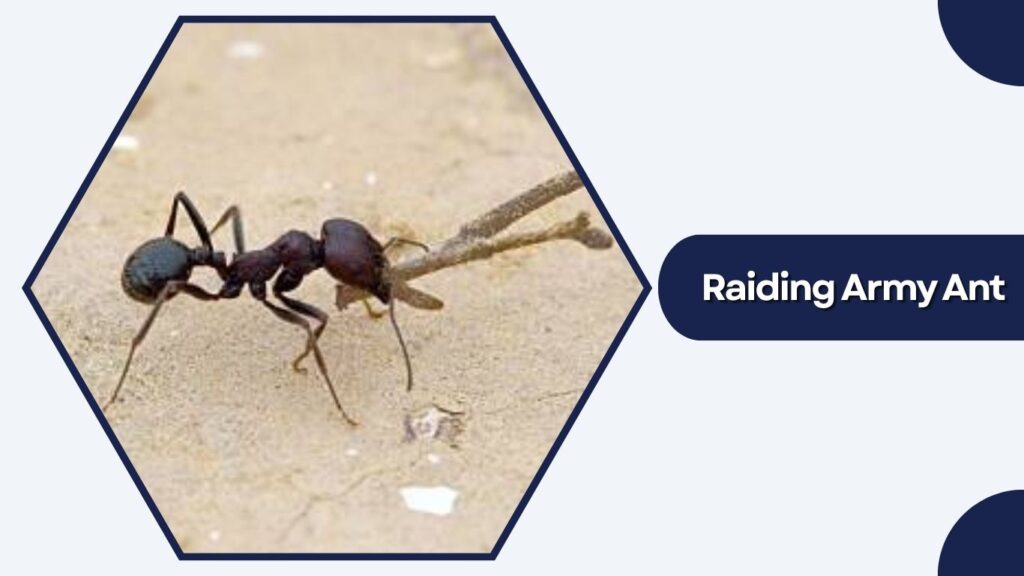
Raiding army ants are highly organized social ants famous for their aggressive hunting swarms and coordinated attacks. These ants travel in massive groups that raid surrounding areas for food, overwhelming prey with speed, numbers, and teamwork. Their behavior makes them some of the most effective predators in tropical ecosystems.
Identification
- Dark reddish-brown to black body
- Strong curved mandibles for attacking prey
- Long legs adapted for fast movement
- Workers vary greatly in size
- Large soldier ants with oversized heads
- Reduced eyesight or blindness
- Forms dense raiding columns during hunts
Habitat and Distribution
Raiding army ants are commonly found in tropical forests, woodlands, and humid grasslands across Africa, Asia, and the Americas. They prefer warm climates with abundant insect populations and suitable shelter for temporary nesting.
These ants usually form underground nests or living bivouacs made from linked worker ants. Colonies relocate regularly to maintain access to fresh food supplies.
Behavior and Diet
Raiding army ants are cooperative predators that hunt insects, spiders, larvae, worms, and small vertebrates. During raids, thousands of workers move together in highly organized formations capable of stripping an area of prey rapidly.
Communication relies heavily on pheromone trails that guide the swarm and coordinate colony tasks. Soldiers defend the colony while smaller workers capture prey and transport food back to the nest.
Life Cycle
The colony is centered around a queen that lays large numbers of eggs during reproductive periods. Worker ants care for the eggs and larvae until they pupate and later emerge as adults.
Raiding army ant colonies alternate between stationary and migratory phases. During stationary periods, larvae develop safely inside temporary nests. Once development is complete, the colony resumes its nomadic hunting lifestyle.
20. Night Marching Army Ant
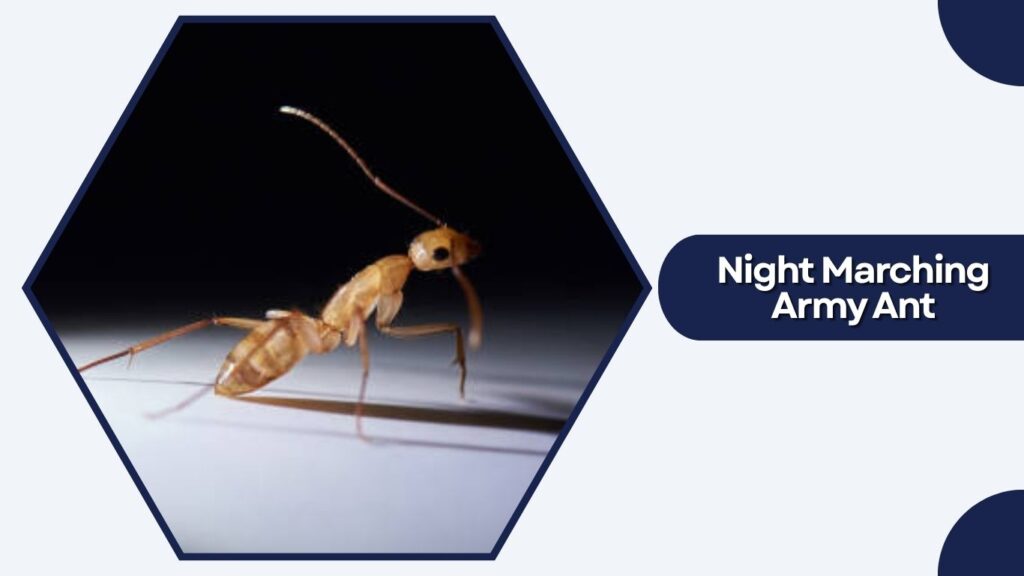
Night marching army ants are nocturnal predators known for their large nighttime raids and coordinated colony movement. These ants avoid daytime heat by becoming most active after sunset, when they travel in organized swarms searching for prey. Their nighttime activity helps them hunt efficiently while reducing exposure to predators and harsh temperatures.
Identification
- Dark brown to black body coloration
- Strong mandibles for capturing prey
- Long legs suited for constant movement
- Workers vary in size within the colony
- Soldier ants have enlarged heads and jaws
- Small or poorly developed eyes
- Forms long marching trails at night
Habitat and Distribution
Night marching army ants are found in tropical and subtropical forests across Africa, Asia, and the Americas. They prefer warm, humid environments with dense vegetation and abundant nocturnal prey.
These ants usually establish temporary underground nests or bivouacs hidden beneath logs, rocks, or thick leaf litter. Colonies move frequently while searching for food and suitable shelter.
Behavior and Diet
Night marching army ants are aggressive cooperative hunters that feed on insects, spiders, larvae, worms, and other small animals active after dark. Their swarms move rapidly through forests and grasslands, overwhelming prey with coordinated attacks.
The ants communicate through pheromone trails that help guide the colony during nighttime raids. Their nocturnal behavior allows them to avoid extreme daytime temperatures while increasing hunting success.
Life Cycle
The colony revolves around a fertile queen that produces large numbers of eggs. Worker ants protect and feed the larvae until they develop into pupae and later emerge as adults.
Night marching army ant colonies alternate between reproductive and migratory phases. During stationary periods, larvae develop safely within temporary nests. Once the young mature, the colony resumes its nighttime migrations in search of new food sources.
FAQs
What are army ants known for?
Army ants are best known for their aggressive swarm raids and cooperative hunting behavior. They travel in large groups, attacking insects and small animals together. Many species are also nomadic and frequently move their colonies to new locations.
Do army ants build permanent nests?
Most army ants do not build permanent nests. Instead, they create temporary shelters called bivouacs using their own bodies or use underground chambers while migrating in search of food.
Are army ants dangerous to humans?
Army ants can bite painfully if disturbed, especially larger soldier ants with strong mandibles. However, they usually avoid humans and focus on hunting insects and other small prey in their natural habitats.
Where are army ants commonly found?
Army ants are mainly found in tropical and subtropical regions of Africa, Asia, Central America, and South America. They thrive in warm environments with dense vegetation and abundant prey.
What do army ants eat?
Army ants are carnivorous predators that feed on insects, spiders, larvae, worms, and sometimes small vertebrates. They hunt cooperatively in swarms, allowing them to overpower prey much larger than individual ants.