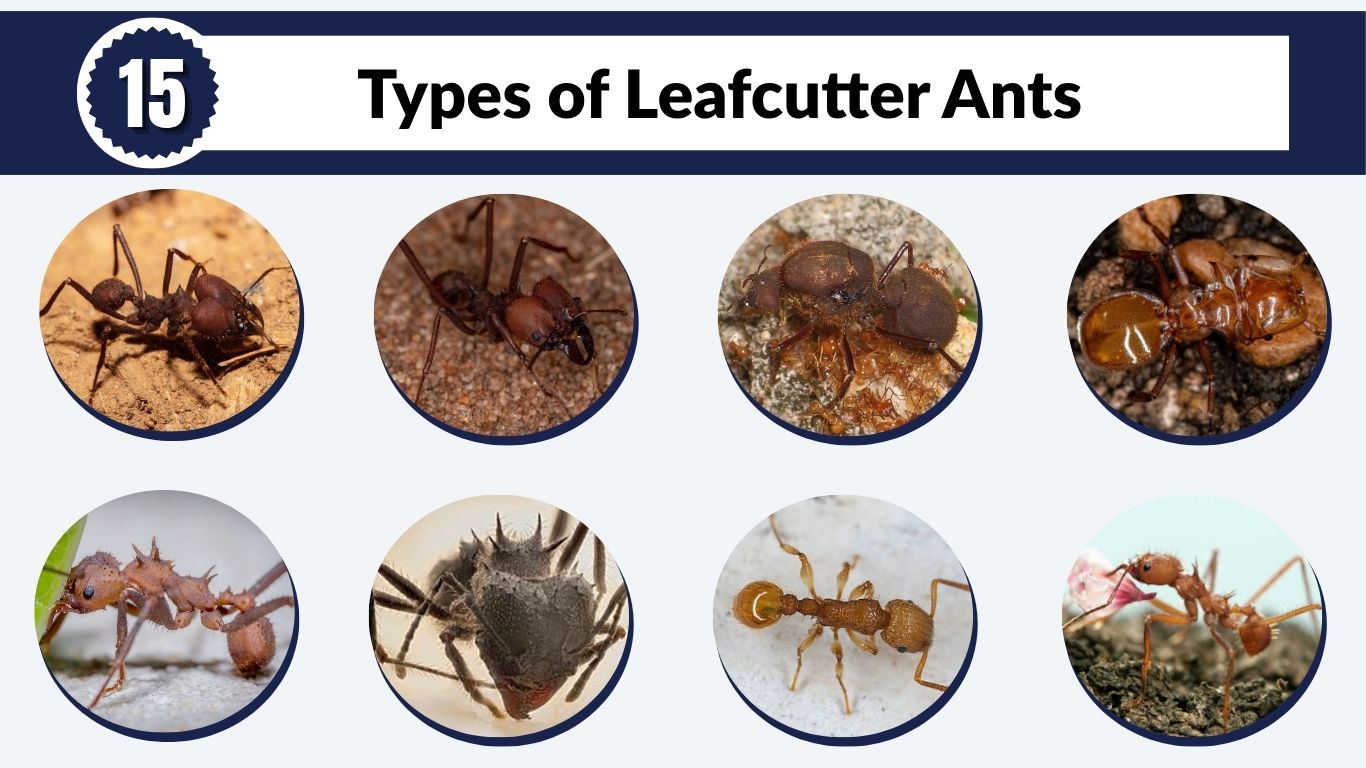
Leafcutter ants are fascinating insects known for their remarkable ability to harvest leaves and cultivate fungus gardens as their primary food source. Found across Central and South America, these ants live in highly organized colonies with distinct roles for workers, soldiers, and reproductive individuals. Their ecological impact is significant, improving soil fertility and aiding nutrient cycling, yet some species can become agricultural pests. This article explores 15 notable leafcutter ant species, highlighting their identification, behavior, habitat, and lifecycle to provide a comprehensive understanding of these industrious
1. Atta cephalotes
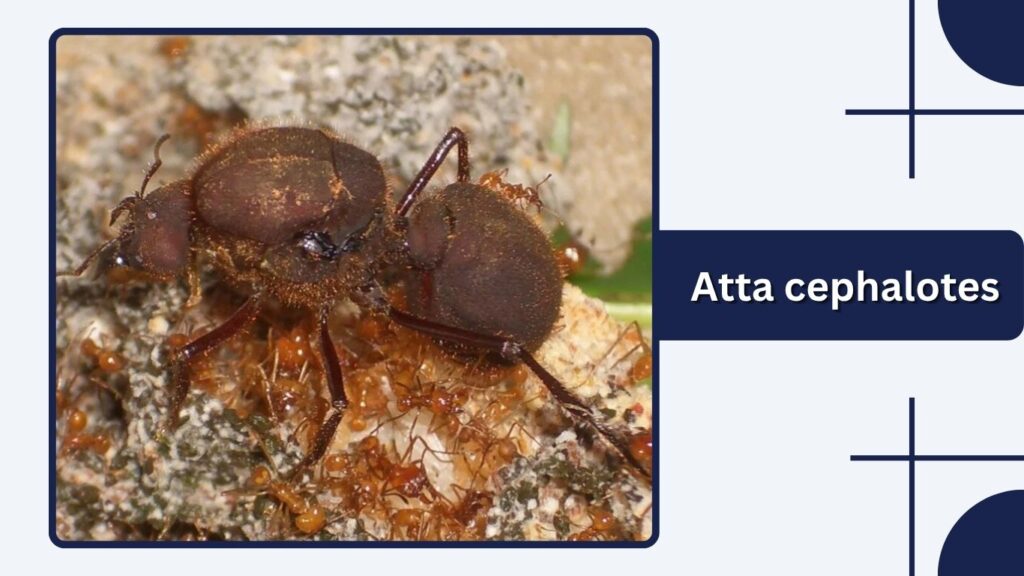
Atta cephalotes, commonly known as the leafcutter ant, is one of the most recognized species in the Atta genus. These ants are known for their remarkable ability to cut and carry large pieces of leaves back to their nests. Native to Central and South America, they play a crucial role in their ecosystems by aiding decomposition and soil aeration. Colonies can be enormous, sometimes containing millions of ants, and they have a complex caste system to manage their activities efficiently.
Identification
- Medium to large ants with reddish-brown bodies
- Strong mandibles for cutting leaves
- Distinctive large head in soldier caste
- Wings present in reproductive males and queens
Habitat and Distribution
Atta cephalotes primarily inhabit tropical rainforests, plantations, and secondary forests. They are widespread across countries like Costa Rica, Panama, Colombia, and Brazil, often nesting underground with extensive tunnel systems.
Behavior and Diet
These ants are herbivorous, collecting fresh leaves not for direct consumption but to cultivate a fungus, which serves as their primary food source. Their foraging behavior is highly organized, with workers cutting leaves along well-defined trails.
Lifecycle
The colony lifecycle starts with a queen establishing a nest and cultivating fungus gardens. Workers emerge in successive generations, and the colony grows over several years, eventually producing reproductive males and new queens to start satellite colonies.
2. Atta sexdens
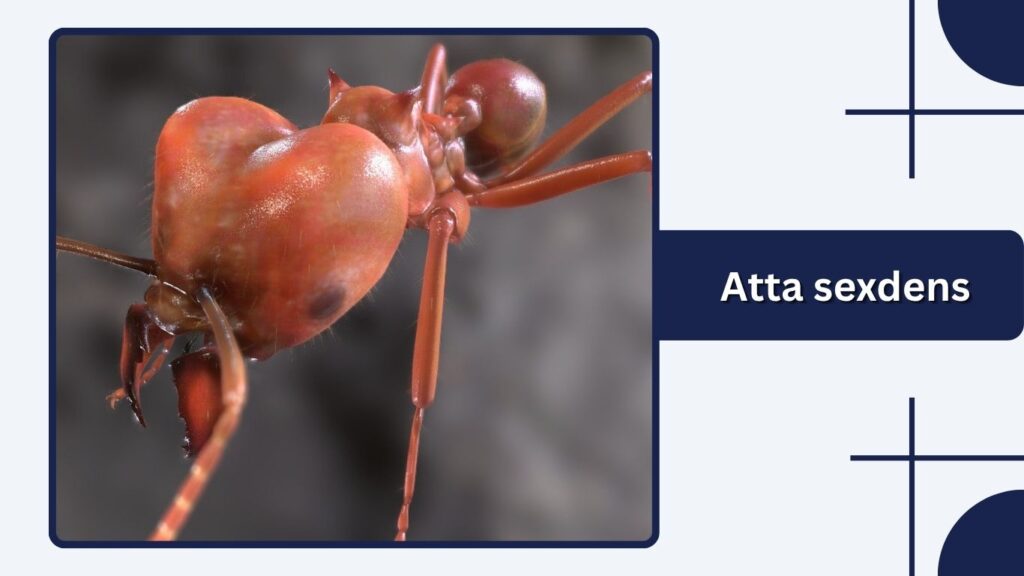
Atta sexdens is a large and highly organized leafcutter ant species native to South America, especially Brazil, Argentina, and Paraguay. Famous for their massive colonies, these ants are efficient farmers, cutting leaves to cultivate a symbiotic fungus for food. They are considered one of the most ecologically important ants, as they help recycle nutrients and aerate the soil, but they can also be agricultural pests when they target crops.
Identification
- Large reddish-brown to dark brown ants
- Soldiers have broad heads with strong mandibles
- Workers vary in size depending on their role (small, medium, and large)
- Winged males and queens during nuptial flights
Habitat and Distribution
Atta sexdens prefers tropical and subtropical forests, plantations, and sometimes urban gardens. Their nests are underground, often with large mounds and extensive tunnel systems reaching several meters deep.
Behavior and Diet
They are primarily leaf-cutters, harvesting fresh vegetation to feed their cultivated fungus. Foraging is highly cooperative, with ants forming long trails and communicating via pheromones to coordinate leaf collection efficiently.
Lifecycle
Colonies begin when a fertilized queen starts a nest and grows a fungus garden. The colony expands over years with multiple worker generations. Mature colonies produce winged reproductive ants that leave to establish new nests, continuing the cycle.
3. Atta laevigata
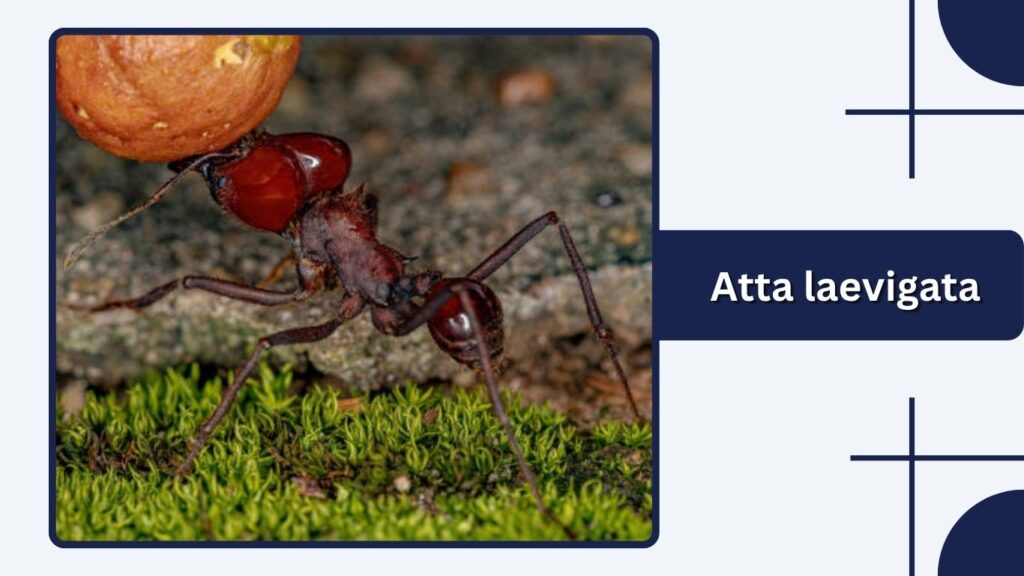
Atta laevigata is a prominent leafcutter ant species found primarily in South America, including Brazil, Paraguay, and Bolivia. Known for their enormous colonies and impressive leaf-cutting abilities, these ants are crucial for ecosystem functioning, as they aid in soil turnover and nutrient recycling. They are highly social insects with a complex caste system, including specialized soldiers and foragers that efficiently maintain their fungus gardens.
Identification
- Medium to large ants with reddish-brown bodies
- Distinctive soldier caste with large heads and strong mandibles
- Workers differ in size based on roles
- Winged males and queens present during nuptial flights
Habitat and Distribution
This species thrives in tropical and subtropical forests, savannas, and agricultural lands. Their nests are underground, often with wide mounds and intricate tunnel networks, sometimes extending several meters in depth.
Behavior and Diet
Atta laevigata harvests fresh leaves to cultivate a specific fungus, which is their primary food source. Foraging trails are highly organized, and ants communicate using pheromones to coordinate the cutting and transport of leaf fragments efficiently.
Lifecycle
The colony starts with a fertilized queen establishing a nest and cultivating a fungus garden. Successive generations of workers expand the colony, and mature colonies produce winged reproductive males and queens that leave to form new colonies.
4. Atta colombica
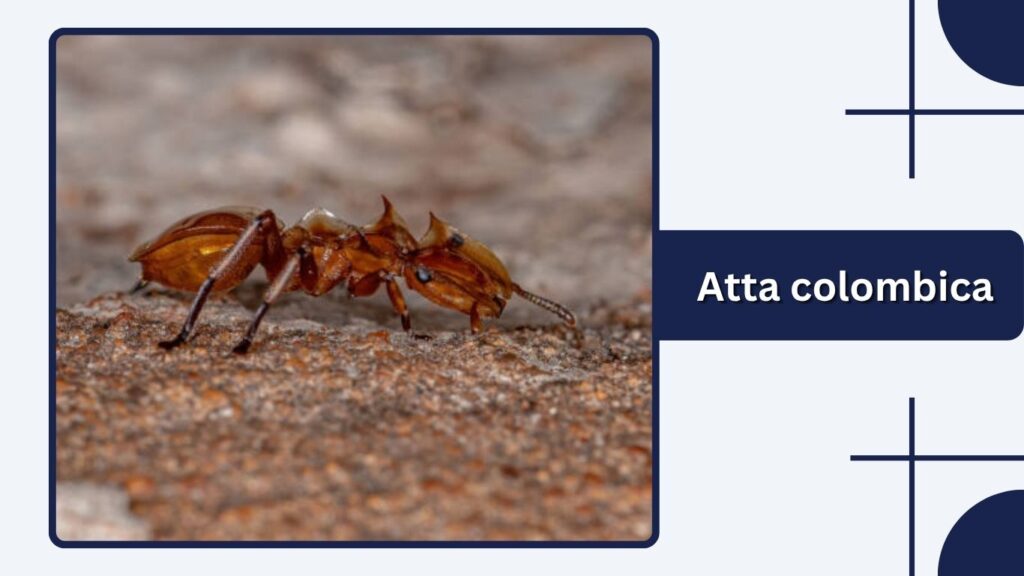
Atta colombica is a widely studied leafcutter ant species native to Central and South America, including Panama, Costa Rica, and Colombia. Renowned for its large colonies and sophisticated social structure, this species actively harvests leaves to cultivate fungus gardens that serve as their primary food source. They are key ecosystem engineers, enhancing soil fertility and promoting plant diversity, although they can become agricultural pests when foraging on crops.
Identification
- Medium to large reddish-brown ants
- Soldier caste has noticeably large heads and powerful mandibles
- Workers vary in size depending on task (small, medium, large)
- Winged males and queens appear during mating flights
Habitat and Distribution
Atta colombica inhabits tropical rainforests, secondary forests, and plantations. Their nests are underground with large mounds and intricate tunnels, often reaching several meters in depth to accommodate vast colonies.
Behavior and Diet
This species primarily cuts leaves, which are not eaten directly but used to cultivate a symbiotic fungus. Foraging ants organize into long, structured trails and use pheromone signals to maintain efficient leaf collection and transport back to the nest.
Lifecycle
The colony lifecycle begins with a fertilized queen founding a nest and starting a fungus garden. Worker ants emerge in successive generations, expanding the nest. Mature colonies produce winged reproductive males and queens for nuptial flights, enabling new colonies to form.
5. Atta texana
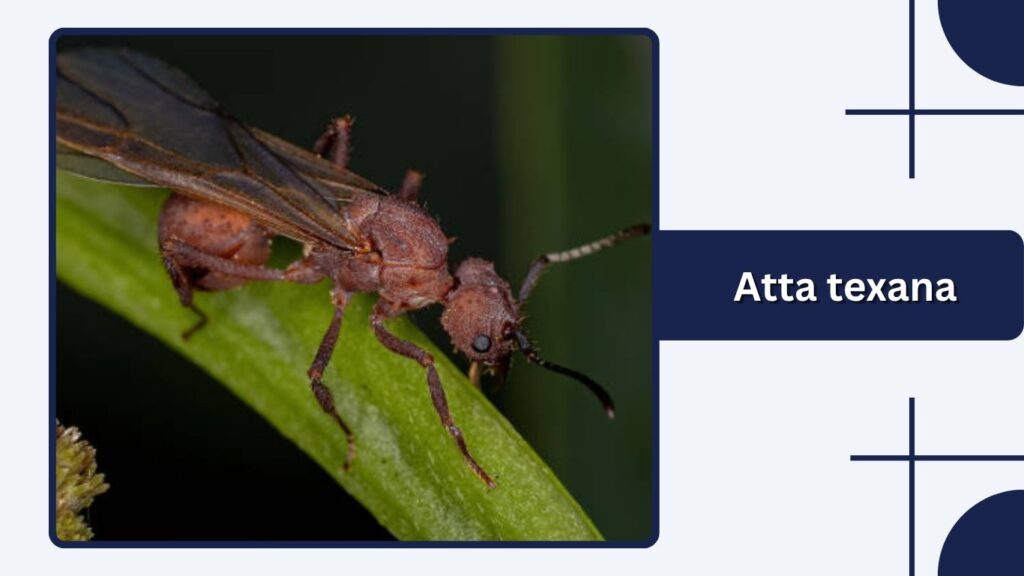
Atta texana, commonly known as the Texas leafcutter ant, is native to the southern United States, particularly Texas and Louisiana. It is the northernmost species of the Atta genus. Like other leafcutter ants, Atta texana cultivates fungus gardens using harvested vegetation, which is their main food source. These ants are ecologically important for soil aeration and nutrient cycling but can be significant pests in agricultural areas.
Identification
- Medium to large ants with reddish-brown bodies
- Soldiers have broad heads and strong mandibles for defense and leaf cutting
- Workers vary in size based on role
- Winged reproductive ants appear during mating flights
Habitat and Distribution
Atta texana inhabits pine forests, grasslands, and agricultural areas in the southern U.S. Their nests are large underground structures with extensive tunnels and mounds, which can cover several square meters.
Behavior and Diet
This species harvests leaves and other plant material, transporting them to cultivate a symbiotic fungus. Foraging is highly organized, with workers following established trails marked by pheromones to efficiently bring resources back to the nest.
Lifecycle
Colonies start when a fertilized queen establishes a nest and cultivates the fungus garden. Over years, worker generations expand the colony, and mature nests produce winged males and queens that leave to establish new colonies, continuing the lifecycle.
6. Atta insularis
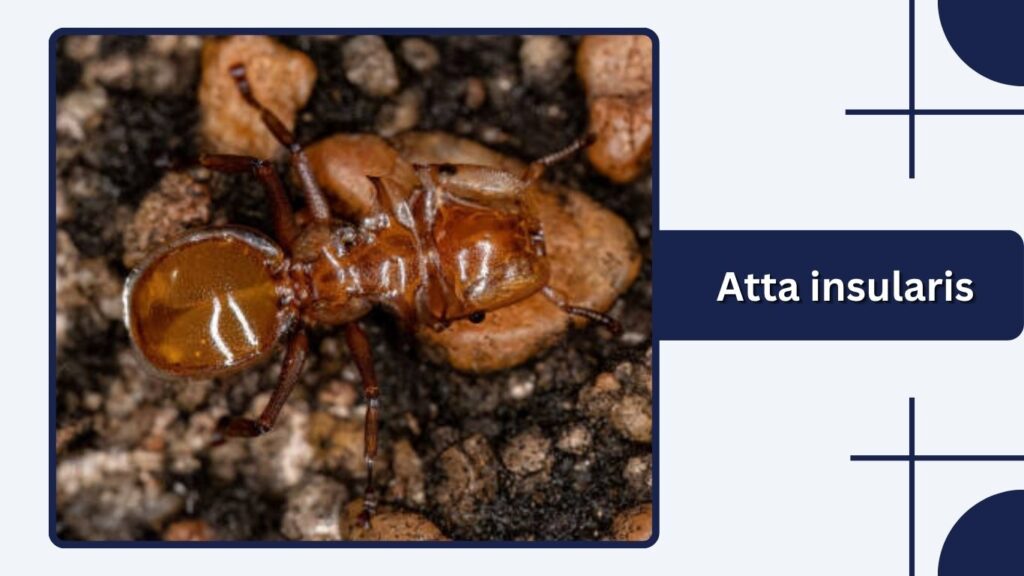
Atta insularis is a leafcutter ant species endemic to Cuba and surrounding Caribbean islands. Known for their large colonies and impressive leaf-cutting abilities, these ants cultivate fungus gardens that serve as their primary food source. They are important ecosystem engineers, aiding in soil aeration and nutrient recycling, but they can also impact agriculture when foraging on crops and plantations.
Identification
- Medium to large reddish-brown ants
- Soldier caste with broad heads and powerful mandibles
- Workers differ in size depending on their tasks
- Winged males and queens appear during reproductive flights
Habitat and Distribution
Atta insularis inhabits tropical forests, grasslands, and agricultural areas in Cuba. Their nests are underground, often with extensive tunnels and large mounds that can spread over several meters.
Behavior and Diet
This species harvests fresh leaves, which are not eaten directly but used to cultivate a symbiotic fungus. Workers forage in organized trails and communicate via pheromones to maintain efficient leaf collection and transport.
Lifecycle
Colonies begin when a fertilized queen establishes a nest and starts a fungus garden. Worker generations expand the colony over time, and mature colonies produce winged reproductive males and queens that leave to establish new nests, perpetuating the species.
7. Atta vollenweideri
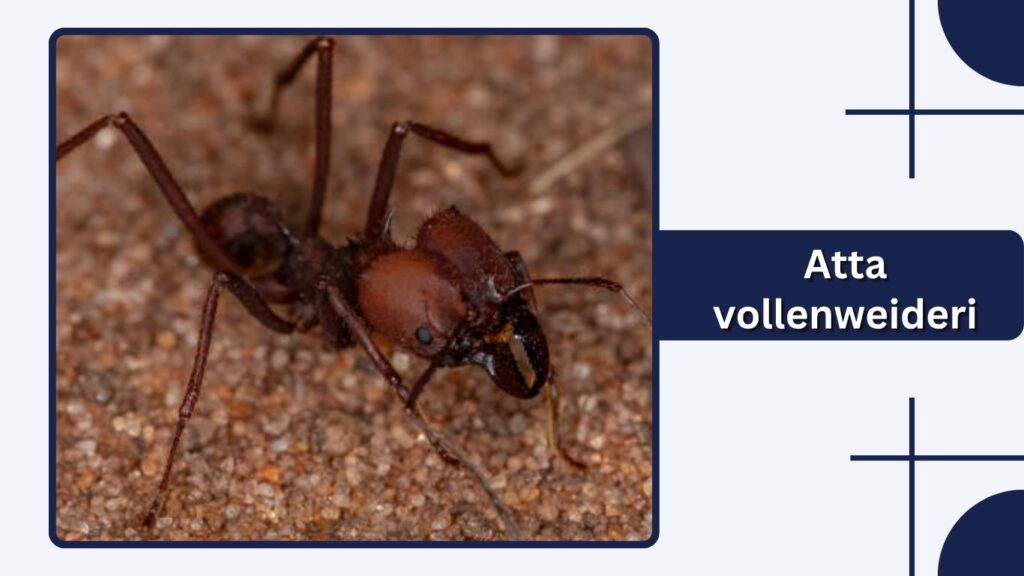
Atta vollenweideri is a South American leafcutter ant species primarily found in the Gran Chaco region of Argentina, Paraguay, and Bolivia. This species is known for building large, highly organized underground nests and cultivating fungus gardens from harvested plant material. Atta vollenweideri plays an important role in soil aeration and nutrient cycling, although it can occasionally become a pest in agricultural areas.
Identification
- Medium to large reddish-brown ants
- Soldiers have broad heads and strong mandibles
- Workers vary in size according to their roles in the colony
- Winged males and queens appear during nuptial flights
Habitat and Distribution
Atta vollenweideri inhabits dry forests, savannas, and agricultural fields. Their nests are extensive underground structures with large mounds, sometimes covering hundreds of square meters.
Behavior and Diet
These ants cut leaves and other plant material to cultivate a symbiotic fungus, which serves as their primary food source. Foraging trails are highly organized, with ants communicating via pheromones to coordinate efficient collection and transport of leaves.
Lifecycle
The colony lifecycle begins with a fertilized queen founding a nest and starting a fungus garden. Worker generations gradually expand the colony, and mature nests produce winged reproductive ants that leave to establish new colonies.
8. Acromyrmex octospinosus
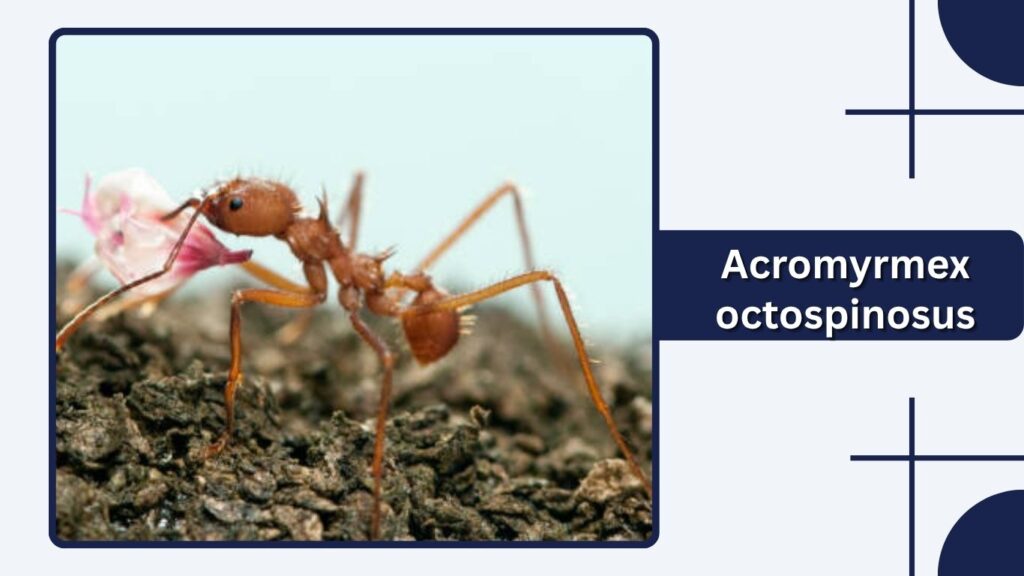
Acromyrmex octospinosus is a Central and South American leafcutter ant species, commonly found in tropical forests and plantations. Unlike Atta species, Acromyrmex ants generally form smaller colonies but are still highly organized and efficient farmers. They harvest leaves to cultivate a symbiotic fungus, which serves as their primary food source. These ants are important for ecosystem functions like soil aeration and nutrient cycling.
Identification
- Medium-sized ants with reddish-brown to dark brown bodies
- Soldiers have spiny heads and strong mandibles
- Workers show size variation according to role
- Winged reproductive males and queens appear during nuptial flights
Habitat and Distribution
This species inhabits tropical forests, savannas, and disturbed areas from Central America to northern South America. Nests are underground with multiple chambers and smaller mounds compared to Atta species.
Behavior and Diet
Acromyrmex octospinosus harvests leaves and plant material to cultivate fungus gardens. They follow organized foraging trails, using pheromones for communication to maintain efficient leaf collection and transport.
Lifecycle
Colonies start with a fertilized queen founding a nest and establishing a fungus garden. Successive worker generations expand the colony, and mature colonies produce winged males and queens for dispersal and establishment of new nests.
9. Acromyrmex echinatior
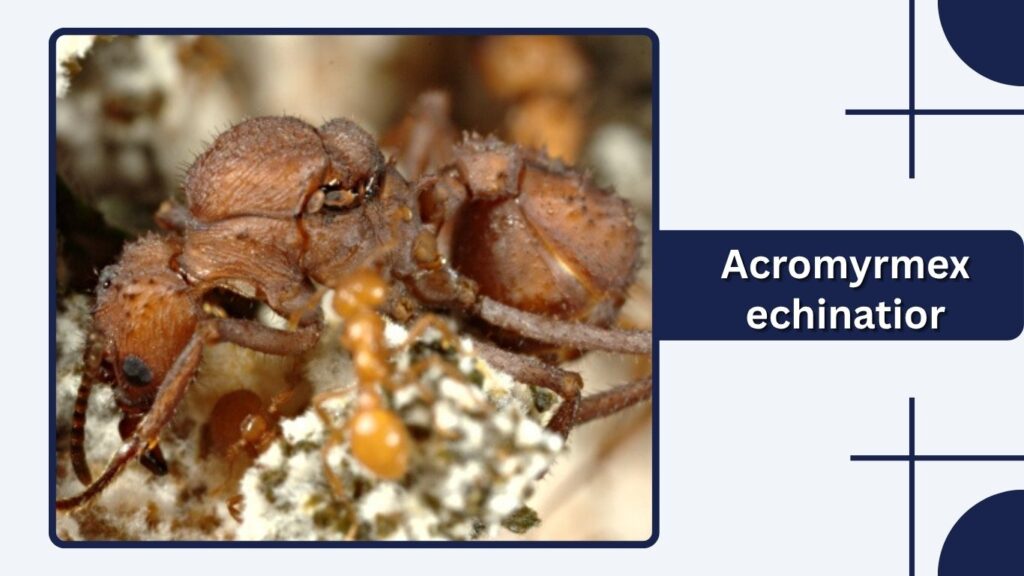
Acromyrmex echinatior is a leafcutter ant species native to Central and South America, especially Costa Rica and Panama. It is smaller than Atta species but equally remarkable for its fungus-farming behavior. Colonies are highly organized, with a clear division of labor among workers, soldiers, and reproductive ants. This species plays an important ecological role by aiding in soil turnover and nutrient recycling.
Identification
- Medium-sized ants with reddish-brown to dark brown bodies
- Soldier caste has spiny heads and strong mandibles
- Worker ants vary in size according to their roles
- Winged males and queens appear during nuptial flights
Habitat and Distribution
Acromyrmex echinatior inhabits tropical forests, plantations, and secondary growth areas. Nests are underground with smaller mounds than Atta species, but they still have complex tunnel systems for fungus cultivation.
Behavior and Diet
This species harvests fresh leaves to cultivate fungus, which serves as their primary food. Foraging is organized, with workers following pheromone-marked trails to maintain efficient leaf collection and transport.
Lifecycle
Colonies begin when a fertilized queen establishes a nest and starts a fungus garden. Worker generations expand the colony, and mature nests produce winged reproductive males and queens that leave to establish new colonies.
10. Acromyrmex subterraneus
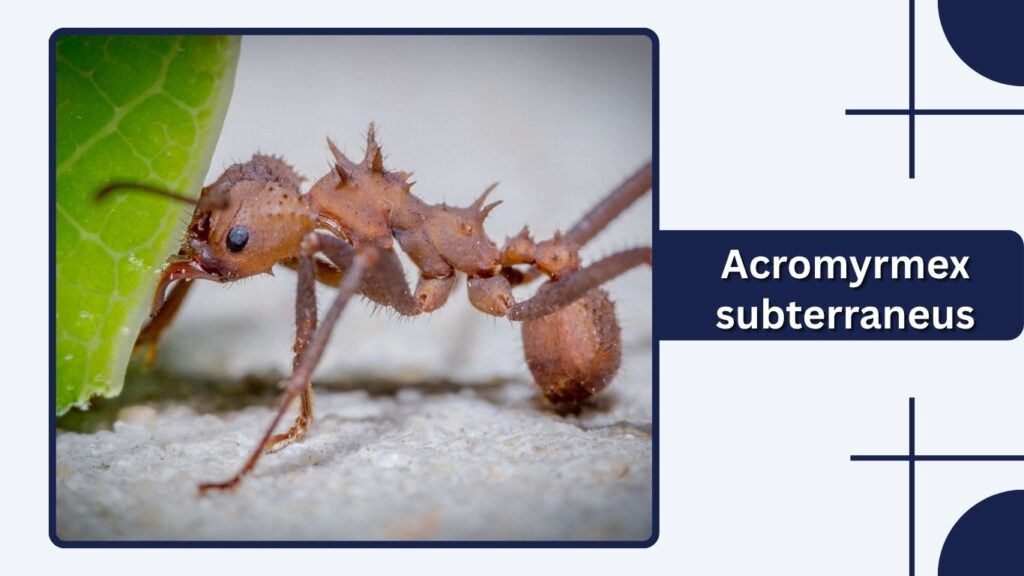
Acromyrmex subterraneus is a South American leafcutter ant species, commonly found in Brazil and surrounding regions. Known for its efficient fungus-farming behavior, this species forms moderately sized colonies compared to Atta ants. They are important ecosystem engineers, helping with soil aeration and nutrient cycling, while sometimes impacting agriculture when foraging on crops.
Identification
- Medium-sized ants with dark brown to reddish-brown bodies
- Soldiers have spiny heads and robust mandibles
- Worker sizes vary according to their tasks within the colony
- Winged reproductive males and queens appear during mating flights
Habitat and Distribution
This species inhabits tropical and subtropical forests, savannas, and agricultural areas. Nests are underground with multiple chambers, and small mounds appear above the soil surface.
Behavior and Diet
Acromyrmex subterraneus collects leaves and other plant material to cultivate fungus gardens, which are their primary food source. Foraging is highly organized, with ants using pheromone trails to coordinate leaf cutting and transport efficiently.
Lifecycle
Colonies begin when a fertilized queen establishes a nest and cultivates a fungus garden. Worker generations expand the colony, and mature nests produce winged reproductive ants for dispersal and establishment of new colonies.
11. Acromyrmex lundi
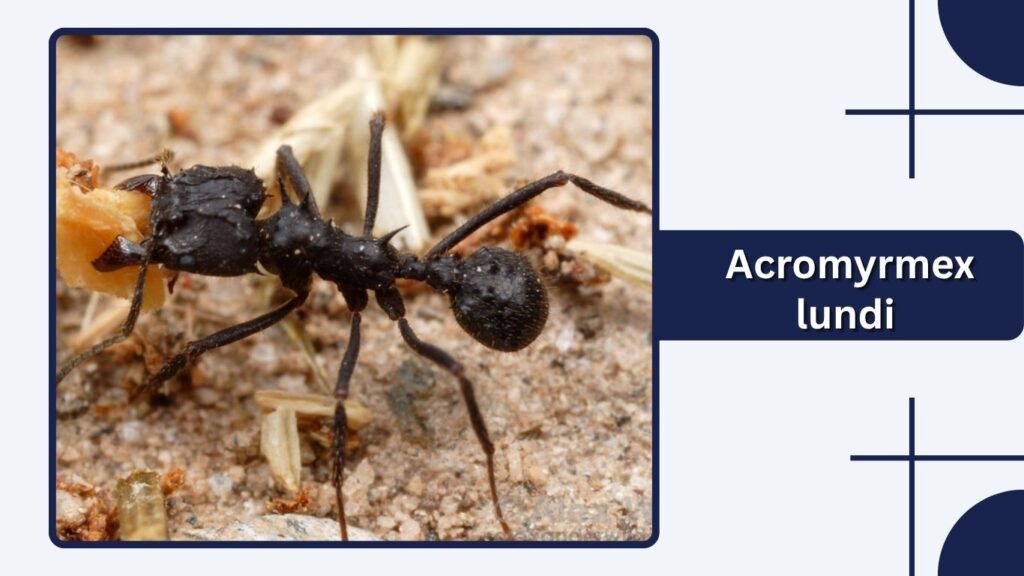
Acromyrmex lundi is a Central and South American leafcutter ant species, found mainly in Panama, Colombia, and surrounding areas. Smaller than most Atta species, it still exhibits highly organized social behavior and advanced fungus-farming techniques. Colonies contribute to ecosystem health by improving soil quality and promoting nutrient cycling, though they can sometimes affect crops when foraging.
Identification
- Medium-sized ants with reddish-brown bodies
- Soldiers have spiny heads and strong mandibles
- Workers vary in size depending on their role in the colony
- Winged reproductive males and queens appear during nuptial flights
Habitat and Distribution
This species prefers tropical forests, plantations, and secondary growth areas. Nests are underground with smaller mounds than Atta species, but they maintain complex tunnel networks to house fungus gardens.
Behavior and Diet
Acromyrmex lundi harvests leaves to cultivate fungus, which serves as their primary food source. Foraging trails are structured, and pheromones help coordinate the efficient collection and transport of leaves.
Lifecycle
The colony begins with a fertilized queen establishing a nest and starting a fungus garden. Successive worker generations expand the colony, and mature colonies produce winged males and queens that leave to establish new colonies.
12. Acromyrmex hispidus
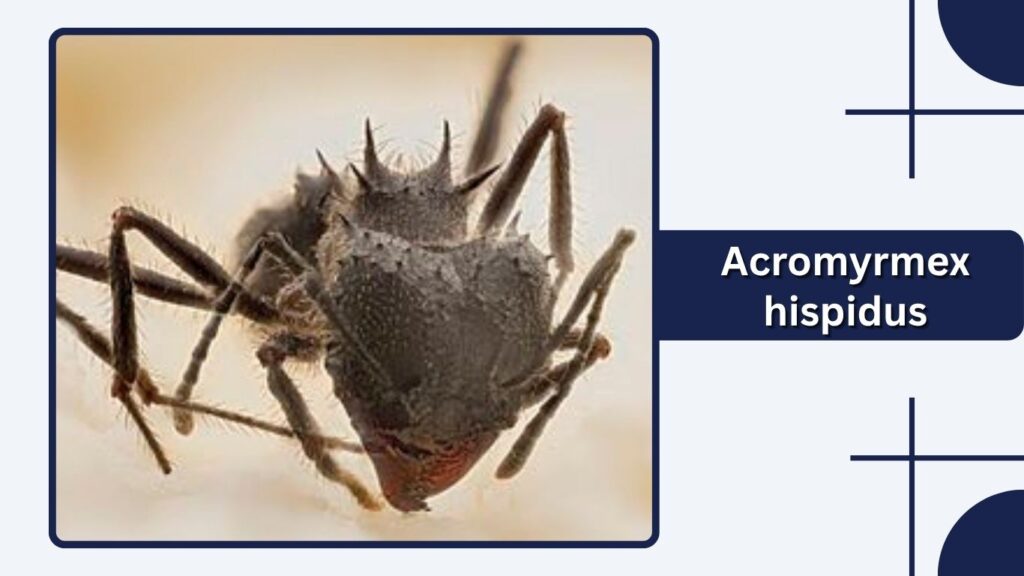
Acromyrmex hispidus is a leafcutter ant species native to tropical regions of Central and South America. Like other Acromyrmex species, it cultivates fungus gardens using harvested plant material as its primary food source. Colonies are smaller than Atta species but exhibit a sophisticated social structure with specialized workers and soldiers, contributing to soil aeration and nutrient recycling in their habitats.
Identification
- Medium-sized ants with reddish-brown bodies
- Soldier caste has spiny heads and powerful mandibles
- Workers vary in size depending on their colony role
- Winged reproductive males and queens present during nuptial flights
Habitat and Distribution
Acromyrmex hispidus inhabits tropical forests, savannas, and plantations. Nests are underground, featuring smaller mounds and chambers compared to Atta species, yet still complex enough to support fungus cultivation.
Behavior and Diet
This species collects fresh leaves to cultivate a symbiotic fungus, which is their primary food source. Foraging is organized along pheromone-marked trails, allowing efficient leaf cutting and transport back to the nest.
Lifecycle
Colonies begin with a fertilized queen establishing a nest and starting a fungus garden. Worker generations expand the colony over time, and mature colonies produce winged reproductive males and queens that disperse to start new colonies.
13. Acromyrmex rugosus
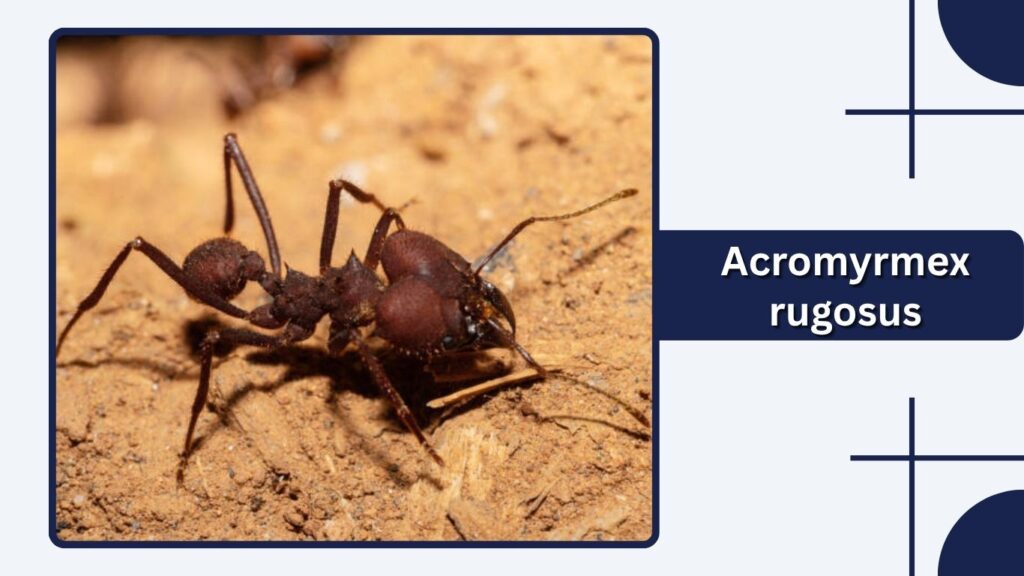
Acromyrmex rugosus is a leafcutter ant species found in Central and northern South America. This species is smaller than most Atta ants but exhibits complex social behavior and efficient fungus-farming practices. Colonies contribute to ecosystem health by enhancing soil structure and nutrient cycling, though they can occasionally damage crops when foraging.
Identification
- Medium-sized ants with reddish-brown bodies
- Soldier caste has spiny heads and strong mandibles
- Worker ants vary in size depending on their roles
- Winged reproductive males and queens appear during nuptial flights
Habitat and Distribution
Acromyrmex rugosus inhabits tropical forests, plantations, and secondary growth areas. Nests are underground with smaller mounds and interconnected chambers to accommodate the fungus gardens.
Behavior and Diet
This species collects leaves and other plant material to cultivate fungus, which serves as their primary food source. Foraging is structured along pheromone-marked trails, enabling efficient leaf collection and transport back to the nest.
Lifecycle
The colony begins with a fertilized queen establishing a nest and cultivating a fungus garden. Worker generations expand the colony, and mature nests produce winged reproductive males and queens to form new colonies.
14. Acromyrmex ambiguus
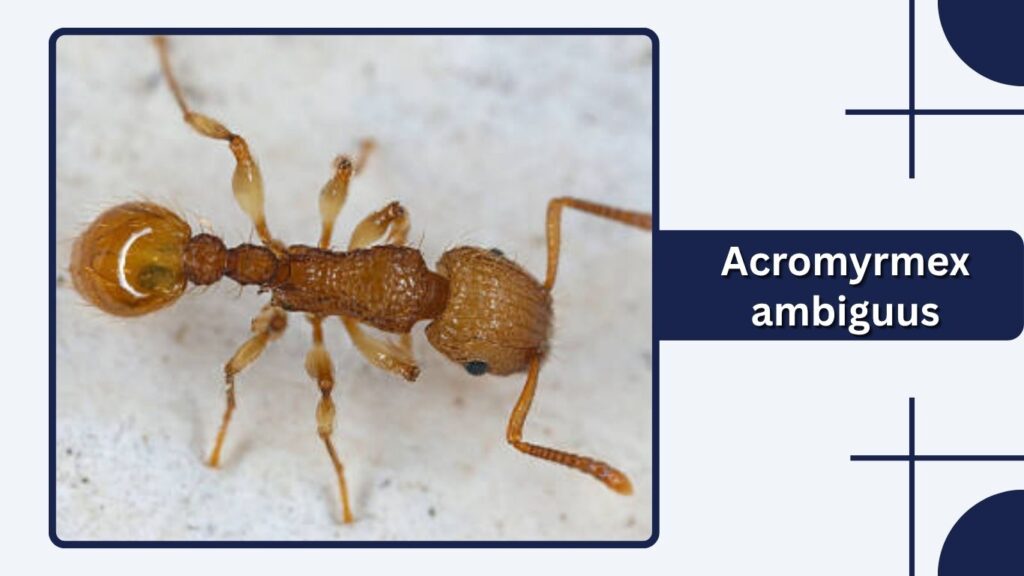
Acromyrmex ambiguus is a Central and South American leafcutter ant species, commonly found in Brazil, Argentina, and Paraguay. Like other Acromyrmex species, it cultivates fungus gardens using freshly harvested leaves as its primary food source. Colonies are smaller than Atta species but display advanced social organization and division of labor, making them efficient foragers and important contributors to soil aeration and nutrient cycling.
Identification
- Medium-sized ants with reddish-brown bodies
- Soldiers have spiny heads and strong mandibles
- Workers vary in size depending on their tasks
- Winged reproductive males and queens appear during mating flights
Habitat and Distribution
Acromyrmex ambiguus inhabits tropical and subtropical forests, savannas, and agricultural areas. Nests are underground with smaller mounds than Atta species, featuring multiple chambers to support the fungus gardens.
Behavior and Diet
This species harvests leaves to cultivate a symbiotic fungus, which serves as their primary food source. Foraging trails are highly organized, and ants communicate via pheromones to coordinate leaf cutting and transport efficiently.
Lifecycle
Colonies start with a fertilized queen founding a nest and establishing a fungus garden. Worker generations expand the colony over time, and mature colonies produce winged reproductive males and queens that disperse to form new colonies.
15. Acromyrmex coronatus
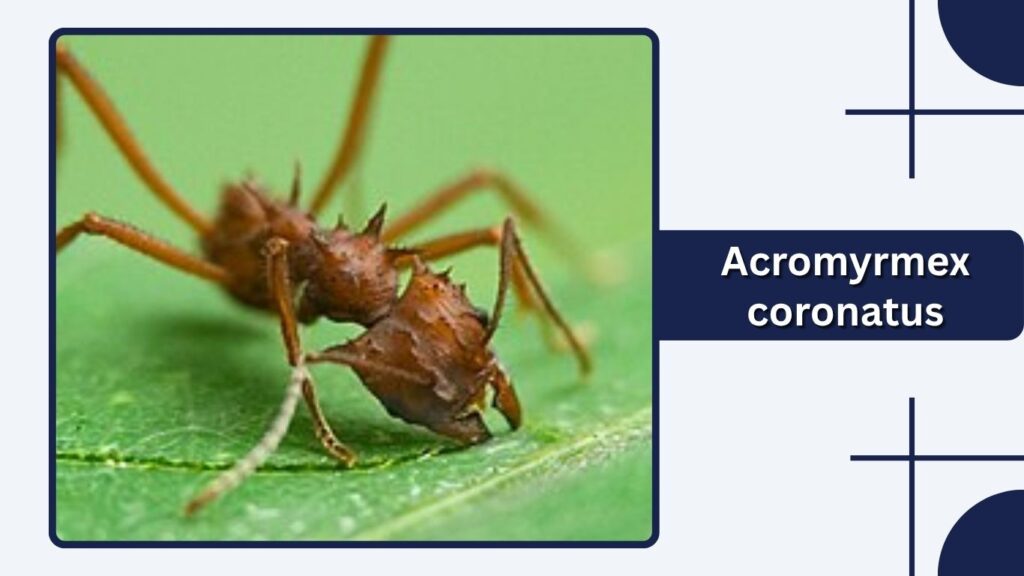
Acromyrmex coronatus is a leafcutter ant species found in Central and South America, particularly in Brazil and neighboring countries. This species is known for its efficient fungus-farming behavior, where collected leaves are used to cultivate a symbiotic fungus that serves as their main food. Colonies are smaller than Atta species but maintain a highly organized social structure with specialized worker and soldier castes.
Identification
- Medium-sized ants with reddish-brown to dark brown bodies
- Soldiers have spiny heads and strong mandibles
- Worker ants vary in size according to their roles
- Winged reproductive males and queens appear during nuptial flights
Habitat and Distribution
Acromyrmex coronatus inhabits tropical forests, savannas, and disturbed areas. Nests are underground with smaller mounds compared to Atta species but contain multiple chambers for fungus cultivation.
Behavior and Diet
This species harvests leaves to cultivate fungus gardens, which serve as their primary food source. Foraging is organized along pheromone-marked trails, allowing efficient cutting and transport of leaf fragments back to the nest.
Lifecycle
Colonies begin with a fertilized queen establishing a nest and starting a fungus garden. Worker generations expand the colony, and mature colonies produce winged reproductive males and queens that leave to establish new colonies.
FAQs
What do leafcutter ants eat?
Leafcutter ants primarily harvest fresh leaves, which they do not eat directly. Instead, they use the leaves to cultivate a special fungus inside their nests, which serves as their main food source. This symbiotic relationship is essential for their survival.
How large can leafcutter ant colonies get?
Colonies of Atta species can reach millions of individuals, making them some of the largest insect societies in the world. Acromyrmex colonies are smaller but still highly organized and efficient.
Are leafcutter ants harmful to humans or crops?
Leafcutter ants are not directly harmful to humans as they rarely bite unless provoked. However, they can damage crops, orchards, and gardens by cutting large amounts of leaves for their fungus gardens.
How do leafcutter ants organize their work?
Leafcutter ants have a complex caste system with workers, soldiers, and reproductive ants. Workers specialize in foraging, cutting leaves, tending fungus gardens, and caring for the brood, while soldiers protect the colony.
Where are leafcutter ants found?
Leafcutter ants are native to Central and South America, including countries like Brazil, Colombia, Costa Rica, Panama, and Cuba. Some species, like Atta texana, extend into the southern United States. They inhabit forests, savannas, plantations, and even agricultural lands.