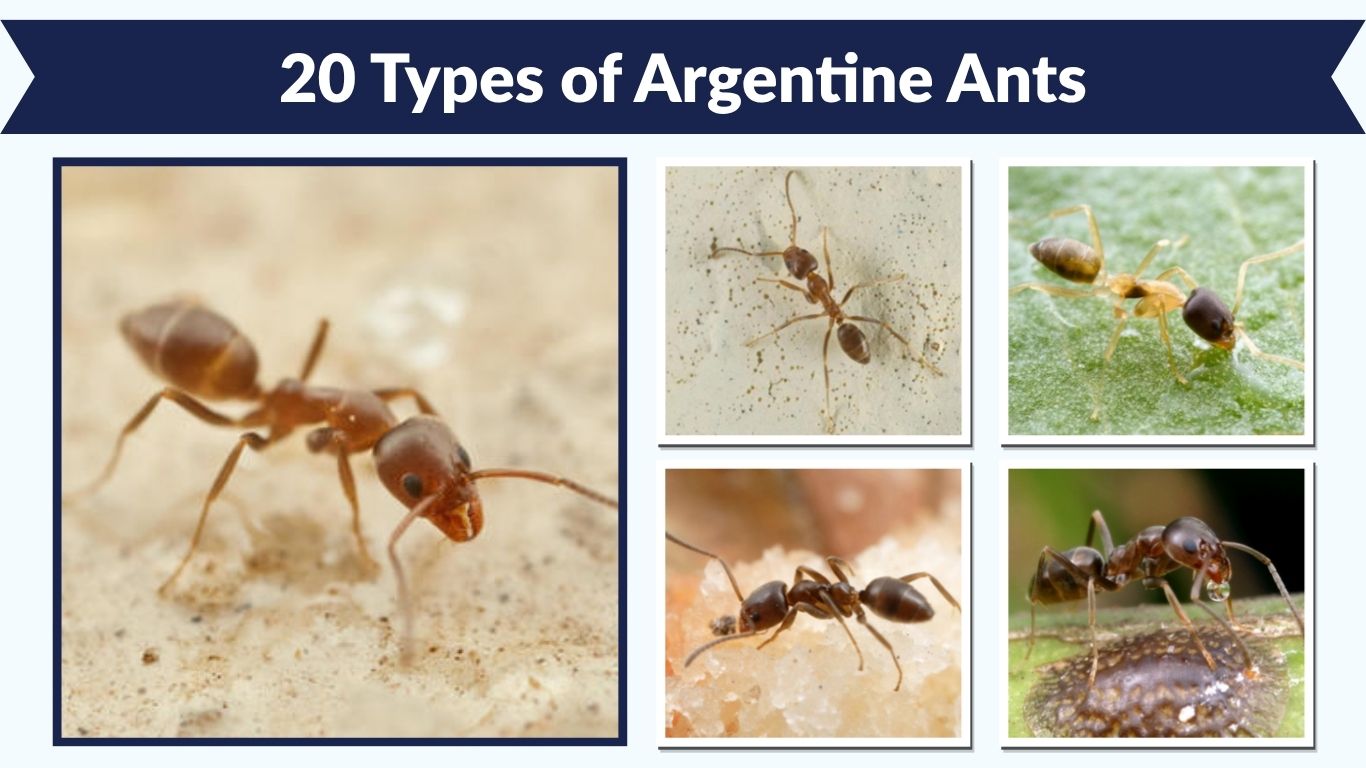
Ants of the Linepithema genus, including the infamous Argentine ant (Linepithema humile), represent a diverse group of small South American species. While some, like L. humile, have become highly invasive worldwide, most remain localized, inhabiting forests, grasslands, and savannas. These ants are light brown, slender, and exhibit subtle differences in mandible structure, size, and behavior that help distinguish species. Understanding their identification, habitats, diets, and reproductive patterns provides insight into their ecological roles, species interactions, and the factors influencing their spread in native and introduced environments.
1. Linepithema anathema
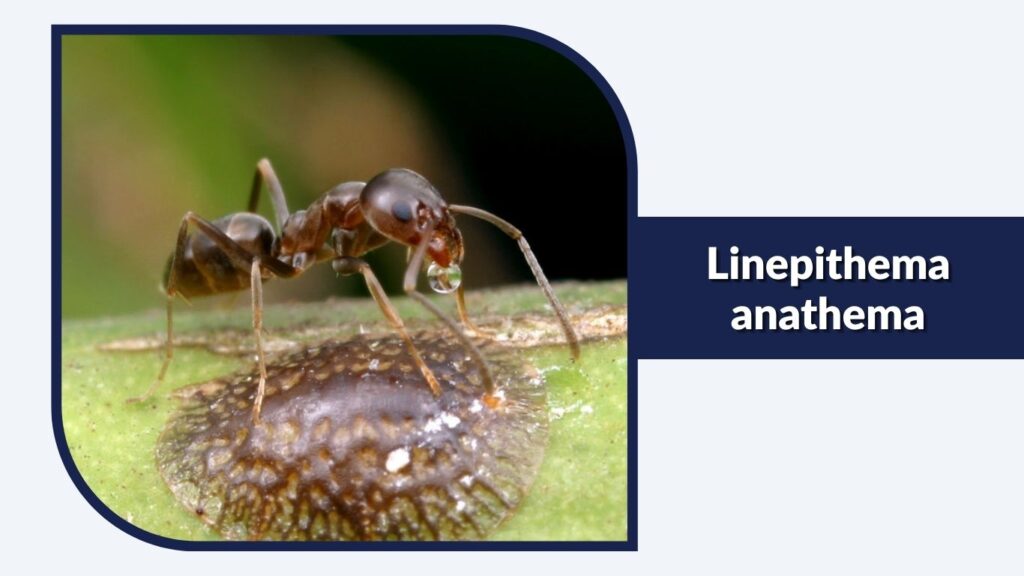
Linepithema anathema is a small ant species native to South America, closely related to the Argentine ant. It is mostly non-invasive and prefers forested habitats. The species displays light brown coloration, smooth exoskeleton, and subtle mandible shapes. Studying it helps understand ant diversity and ecological roles in its native regions.
Identification
- Size: 2–3 mm
- Color: Light brown
- Smooth, shiny exoskeleton
- Antennae: 12 segments, no club
- Mandibles: Distinct dentition
Habitat and Distribution
Linepithema anathema primarily inhabits forests in South America, nesting in soil or leaf litter. Unlike invasive relatives, it rarely enters urban areas. Its distribution is localized, favoring humid, shaded environments with abundant organic matter for nesting and foraging.
Behavior and Diet
This species is relatively timid and non-aggressive. It forages for small insects, nectar, and honeydew from sap-sucking insects. Activity peaks during early morning and late afternoon. Workers cooperate in small groups to gather resources and maintain the nest, showing subtle social organization.
Reproduction
Colonies are small, usually with a single queen. Reproductive activity is seasonal, often synchronized with rainfall, ensuring brood survival. New queens and males are produced to establish additional colonies, although dispersal is limited, keeping populations relatively localized.
2. Linepithema angulatum
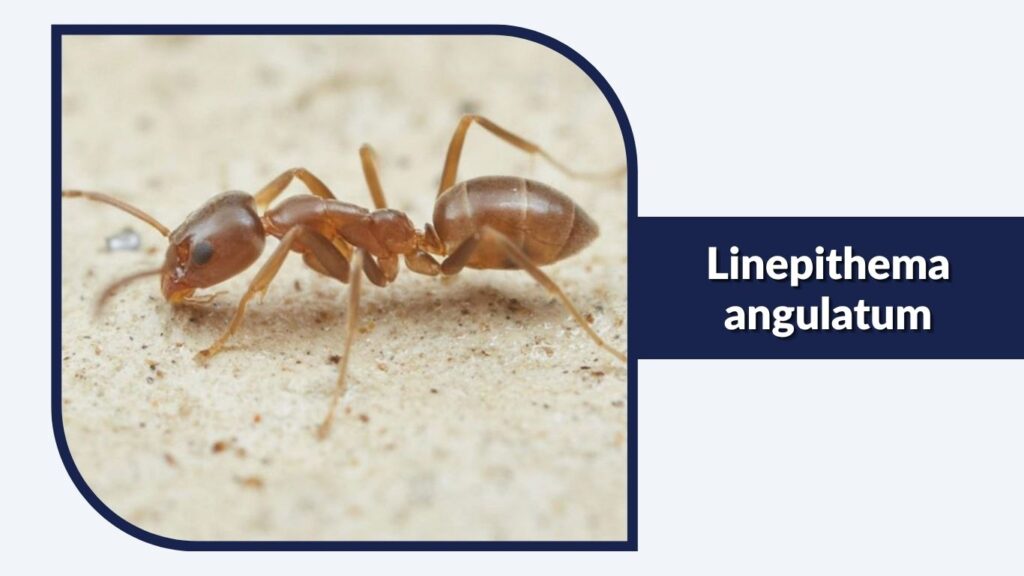
Linepithema angulatum is a South American ant species in the Linepithema genus, related to the Argentine ant. It inhabits forested and grassland areas, showing light brown coloration and slender bodies. This species is non-invasive and displays specific morphological traits that help differentiate it from other Linepithema ants in the region.
Identification
- Size: 2–3.5 mm
- Color: Light to medium brown
- Smooth, slightly shiny exoskeleton
- 12-segmented antennae, no club
- Mandibles narrow with small teeth
Habitat and Distribution
Found across South American forests and grasslands, L. angulatum nests in soil, under stones, or in leaf litter. It avoids urban environments and prefers areas with moderate moisture and shade, maintaining localized populations rather than spreading aggressively like its invasive relatives.
Behavior and Diet
This species is mostly timid, foraging in small worker groups. Diet includes small insects, nectar, and honeydew. Activity is higher in cooler parts of the day. Workers cooperate to collect food and maintain nest hygiene, showing organized but low-intensity social behavior.
Reproduction
Colonies are small, typically with a single queen. Reproduction follows seasonal patterns, often aligned with rainfall to ensure brood survival. New queens and males are produced for limited dispersal, sustaining localized colony expansion.
3. Linepithema aztecoides
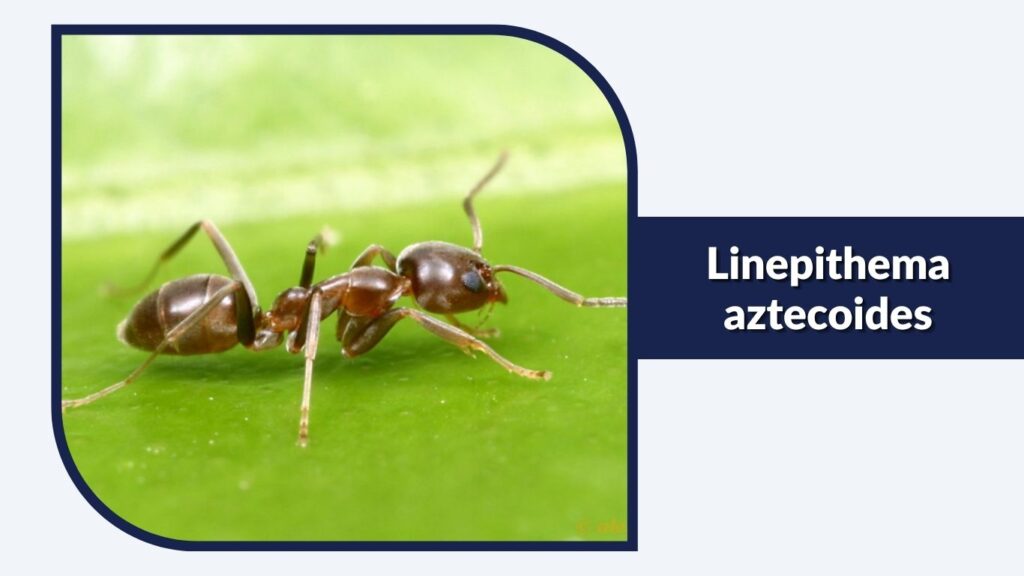
Linepithema aztecoides is a small ant species in the Linepithema genus, native to South America. It resembles the Argentine ant but remains non-invasive. The species has light brown coloring, slender bodies, and subtle mandible features. Its behavior and nesting preferences make it an important part of forest and grassland ecosystems.
Identification
- Size: 2–3 mm
- Color: Light brown
- Smooth, slightly shiny exoskeleton
- Antennae: 12 segments, no club
- Mandibles: Narrow with fine teeth
Habitat and Distribution
L. aztecoides is found in forested and semi-open grassland regions of South America. It nests in soil, under stones, or leaf litter, preferring humid, shaded environments. Urban areas are rarely colonized, keeping populations localized and stable within native habitats.
Behavior and Diet
This species is non-aggressive, foraging in small groups for nectar, honeydew, and tiny insects. Activity peaks during cooler hours. Workers cooperate moderately, maintaining nests and collecting food efficiently without forming large, aggressive supercolonies.
Reproduction
Colonies are small, usually with a single queen. Reproduction aligns with rainy seasons, producing new queens and males for limited dispersal. Colony expansion is slow, ensuring stability within the native range.
4. Linepithema cerradense
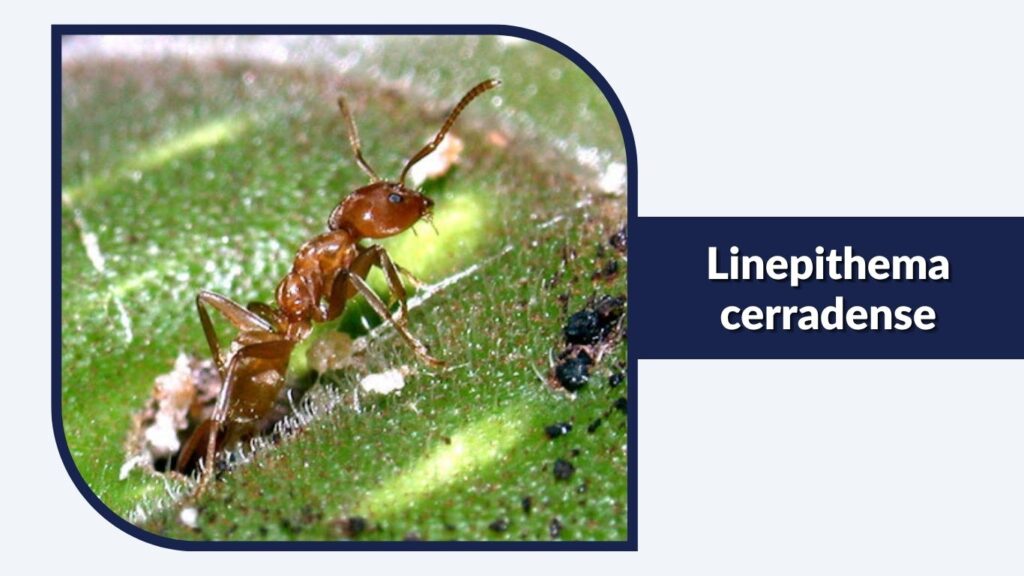
Linepithema cerradense is a South American ant species in the Linepithema genus, primarily found in the Cerrado region. It is closely related to the Argentine ant but remains non-invasive. This species has light brown coloration, slender bodies, and subtle mandible structures, contributing to its identification and ecological role in native habitats.
Identification
- Size: 2–3 mm
- Color: Light brown
- Smooth, slightly shiny exoskeleton
- Antennae: 12 segments, no club
- Mandibles: Narrow with fine teeth
Habitat and Distribution
L. cerradense inhabits the Cerrado savannas and nearby forested areas in South America. Nests are built in soil, under stones, or leaf litter. This species avoids urban environments, thriving in shaded, humid locations with abundant organic material.
Behavior and Diet
The species is timid and non-aggressive, foraging for small insects, nectar, and honeydew. Workers are active mainly during early morning and late afternoon, cooperating in small groups to maintain the nest and gather resources.
Reproduction
Colonies are small with typically one queen. Reproductive activity coincides with rainy periods to enhance brood survival. New queens and males are produced for localized colony establishment, keeping population expansion limited.
5. Linepithema cryptobioticum
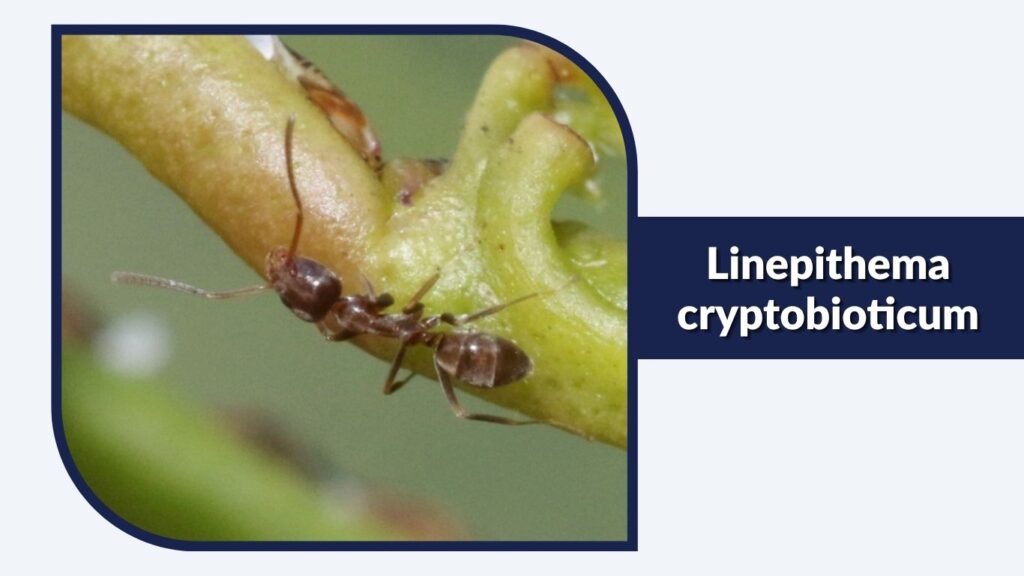
Linepithema cryptobioticum is a South American ant species of the Linepithema genus. It is closely related to the Argentine ant but remains largely non-invasive. This species has a light brown color, slender body, and distinct mandible structure, making it identifiable within native forest and grassland ecosystems.
Identification
- Size: 2–3 mm
- Color: Light brown
- Smooth, slightly shiny exoskeleton
- Antennae: 12 segments, no club
- Mandibles: Narrow with fine teeth
Habitat and Distribution
L. cryptobioticum inhabits forests and grasslands in South America. Nests are found in soil, under stones, or leaf litter. It avoids urban areas, preferring humid and shaded habitats with sufficient organic matter for nesting and foraging.
Behavior and Diet
This species is non-aggressive and forages in small groups. Diet includes small insects, nectar, and honeydew. Activity is highest during cooler parts of the day. Workers maintain nest hygiene and gather food efficiently, showing organized social behavior.
Reproduction
Colonies are small, usually with one queen. Reproduction aligns with seasonal rainfall, ensuring brood survival. New queens and males are produced for limited dispersal, keeping colony expansion localized.
6. Linepithema dispertitum
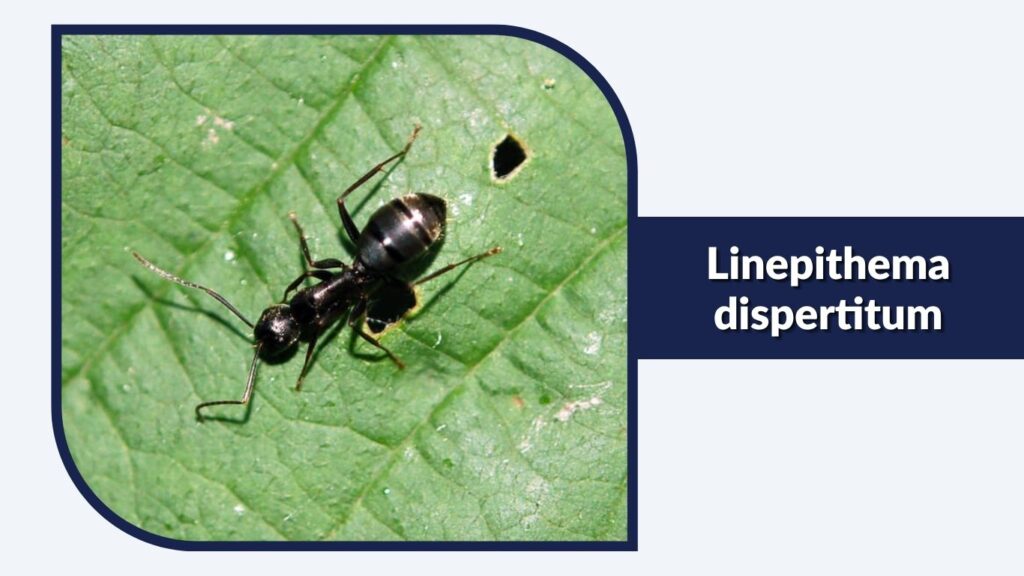
Linepithema dispertitum is a South American ant species in the Linepithema genus. Closely related to the Argentine ant, it is non-invasive and primarily occupies forest and grassland habitats. The species exhibits light brown coloration, slender body structure, and characteristic mandibles, distinguishing it from other members of the genus.
Identification
- Size: 2–3.5 mm
- Color: Light brown
- Smooth, slightly shiny exoskeleton
- Antennae: 12 segments, no club
- Mandibles: Narrow with small teeth
Habitat and Distribution
L. dispertitum is found in forests and open grasslands across South America. Nests are built in soil, under stones, or leaf litter. It avoids urban areas, preferring humid, shaded environments with abundant organic matter.
Behavior and Diet
This species is timid and non-aggressive, foraging in small groups. Diet consists of small insects, nectar, and honeydew. Activity peaks during cooler hours, with workers cooperating to maintain nests and collect food efficiently.
Reproduction
Colonies are small, typically with a single queen. Reproduction occurs during rainy seasons, producing new queens and males for localized dispersal, maintaining stable populations in native habitats.
7. Linepithema flavescens
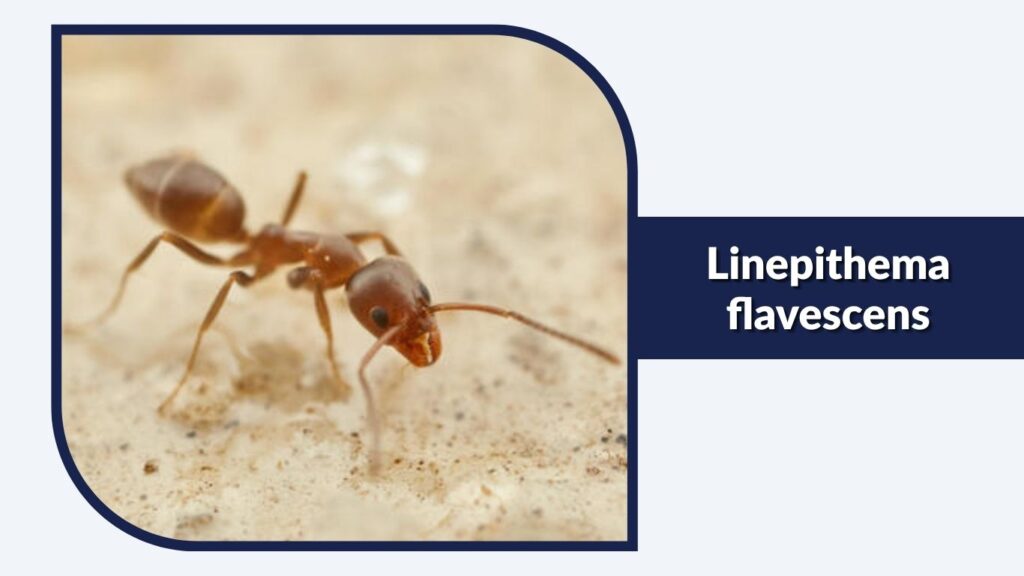
Linepithema flavescens is a small South American ant species in the Linepithema genus. Related to the Argentine ant, it is non-invasive and mainly inhabits forested and savanna regions. The species is light brown, slender, and has distinct mandible shapes, which aid in species identification and ecological studies.
Identification
- Size: 2–3 mm
- Color: Light brown
- Smooth, slightly shiny exoskeleton
- Antennae: 12 segments, no club
- Mandibles: Narrow with fine teeth
Habitat and Distribution
L. flavescens nests in soil, under stones, or leaf litter within forests and savannas of South America. It avoids urban environments and favors shaded, humid areas with sufficient organic material for nesting and foraging.
Behavior and Diet
The species is non-aggressive and forages in small worker groups. Its diet includes small insects, nectar, and honeydew. Workers maintain nest hygiene and gather food efficiently, with peak activity during cooler parts of the day.
Reproduction
Colonies are small, generally with a single queen. Reproduction coincides with rainy seasons, producing new queens and males for limited dispersal, ensuring stable and localized colony growth.
8. Linepithema fuscum
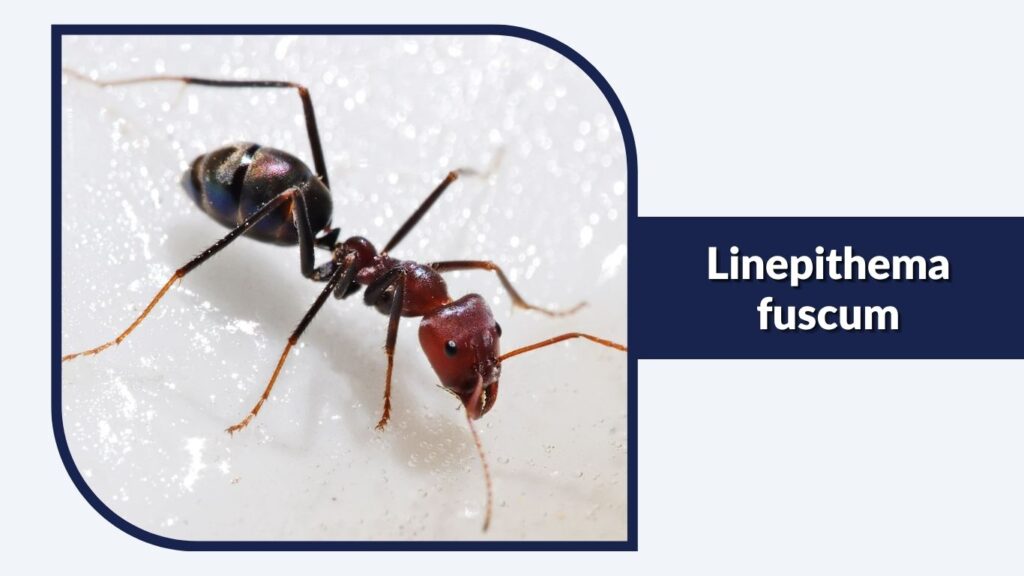
Linepithema fuscum is a South American ant species within the Linepithema genus, closely related to the Argentine ant. It is non-invasive and occupies forested and grassland habitats. The species is light brown, slender, and has distinctive mandibles, making it identifiable among other members of its genus.
Identification
- Size: 2–3 mm
- Color: Light brown
- Smooth, slightly shiny exoskeleton
- Antennae: 12 segments, no club
- Mandibles: Narrow with fine teeth
Habitat and Distribution
L. fuscum is found in forests and open grasslands of South America. Nests are built in soil, under stones, or leaf litter. The species avoids urban areas, preferring humid, shaded environments with abundant organic material.
Behavior and Diet
This species is timid and non-aggressive. It forages for small insects, nectar, and honeydew, mainly during cooler parts of the day. Workers cooperate to maintain nests and collect food efficiently.
Reproduction
Colonies are small, usually with one queen. Reproduction occurs during rainy seasons, producing new queens and males for limited dispersal, maintaining localized populations.
9. Linepithema gallardoi
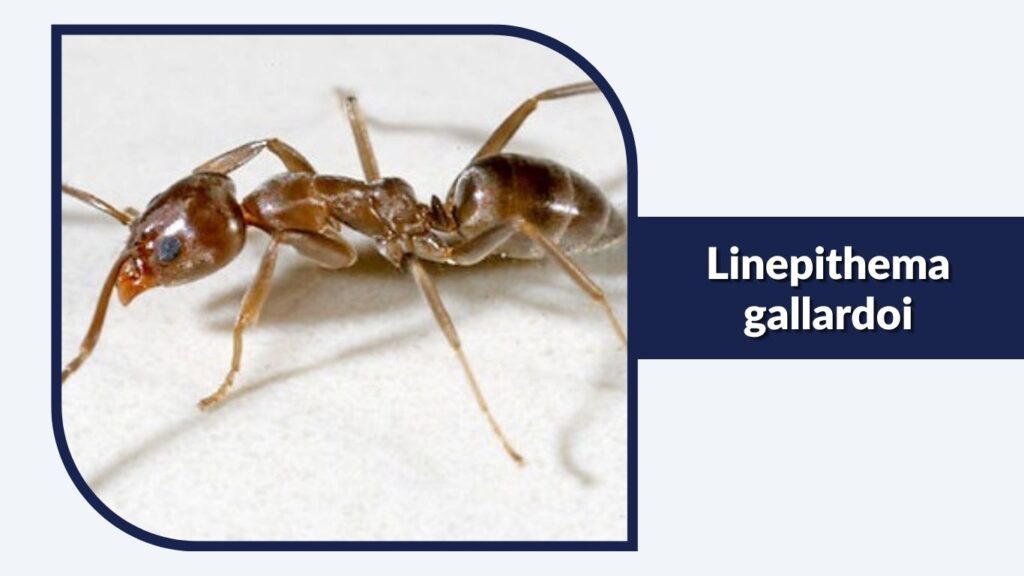
Linepithema gallardoi is a South American ant species in the Linepithema genus. It is closely related to the Argentine ant but non-invasive. This species has a light brown body, slender build, and distinct mandible structures, making it recognizable in its native forest and grassland habitats.
Identification
- Size: 2–3 mm
- Color: Light brown
- Smooth, slightly shiny exoskeleton
- Antennae: 12 segments, no club
- Mandibles: Narrow with fine teeth
Habitat and Distribution
L. gallardoi inhabits forests and grasslands of South America. Nests are built in soil, under stones, or leaf litter. It avoids urban areas, favoring shaded, humid locations with adequate organic material for nesting.
Behavior and Diet
The species is timid and non-aggressive, foraging in small groups for insects, nectar, and honeydew. Activity is higher during cooler periods. Workers maintain nests efficiently and cooperate in food collection.
Reproduction
Colonies are small with usually one queen. Reproduction aligns with rainy seasons, producing new queens and males for localized dispersal, sustaining stable colony populations.
10. Linepithema hirsutum
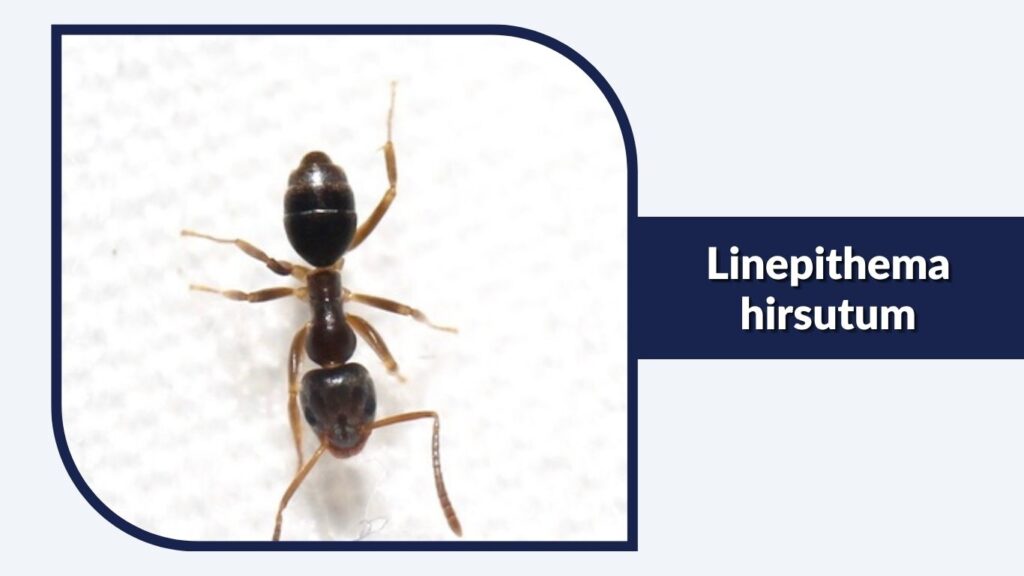
Linepithema hirsutum is a South American ant species in the Linepithema genus, related to the Argentine ant. Non-invasive and small, it inhabits forests and grasslands. The species is light brown with a slender body and slightly hairy exoskeleton, and it has characteristic mandibles that aid in species identification.
Identification
- Size: 2–3 mm
- Color: Light brown
- Smooth, slightly shiny, slightly hairy exoskeleton
- Antennae: 12 segments, no club
- Mandibles: Narrow with fine teeth
Habitat and Distribution
L. hirsutum nests in soil, under stones, or leaf litter in South American forests and grasslands. It avoids urban areas, preferring shaded, humid environments with abundant organic material.
Behavior and Diet
This species is timid and non-aggressive. It forages for small insects, nectar, and honeydew. Workers cooperate in small groups, maintaining nest hygiene and collecting food efficiently, with activity peaking during cooler parts of the day.
Reproduction
Colonies are small, typically with a single queen. Reproduction occurs during rainy seasons, producing new queens and males for limited dispersal, keeping colonies localized and stable.
11. Linepithema humile
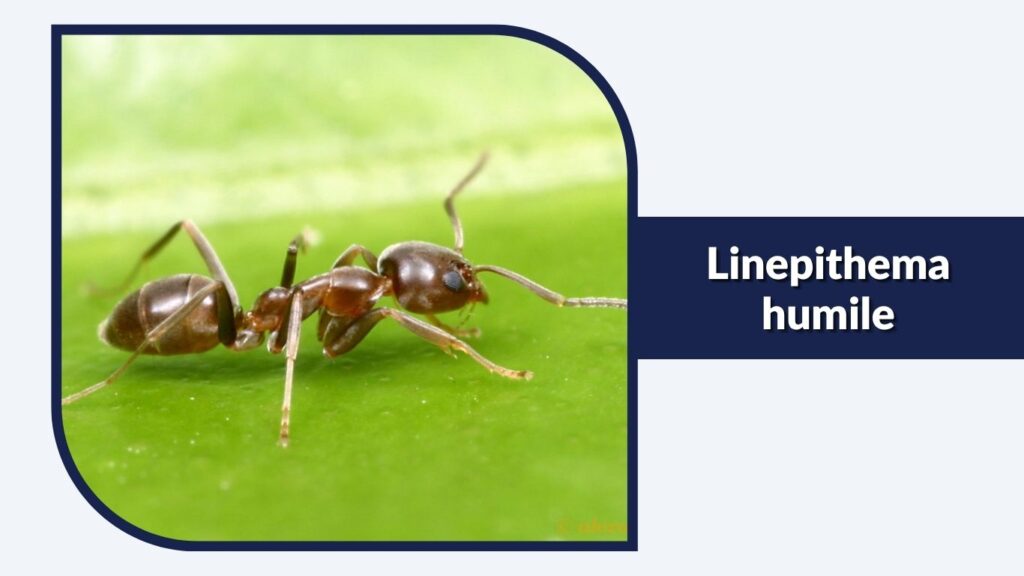
Linepithema humile, commonly known as the Argentine ant, is a South American species that has become highly invasive worldwide. It is small, light brown, and forms large, aggressive supercolonies. This species is well-known for displacing native ants and impacting local ecosystems, making it a major focus of ecological and pest studies.
Identification
- Size: 2–3 mm
- Color: Light brown
- Smooth, shiny exoskeleton
- Antennae: 12 segments, no club
- Mandibles: Narrow with fine teeth
Habitat and Distribution
Native to South America, L. humile thrives in forests, grasslands, and urban areas. Its invasive populations now exist worldwide, forming massive interconnected colonies in disturbed and natural habitats.
Behavior and Diet
Highly aggressive, this species forages continuously in large groups. It consumes insects, nectar, honeydew, and human food sources. Worker ants cooperate extensively, outcompeting native species and dominating food resources.
Reproduction
Colonies are large, often polygynous with multiple queens. Reproduction is continuous in suitable climates, supporting rapid colony growth and the formation of supercolonies across vast areas.
12. Linepithema inacatum
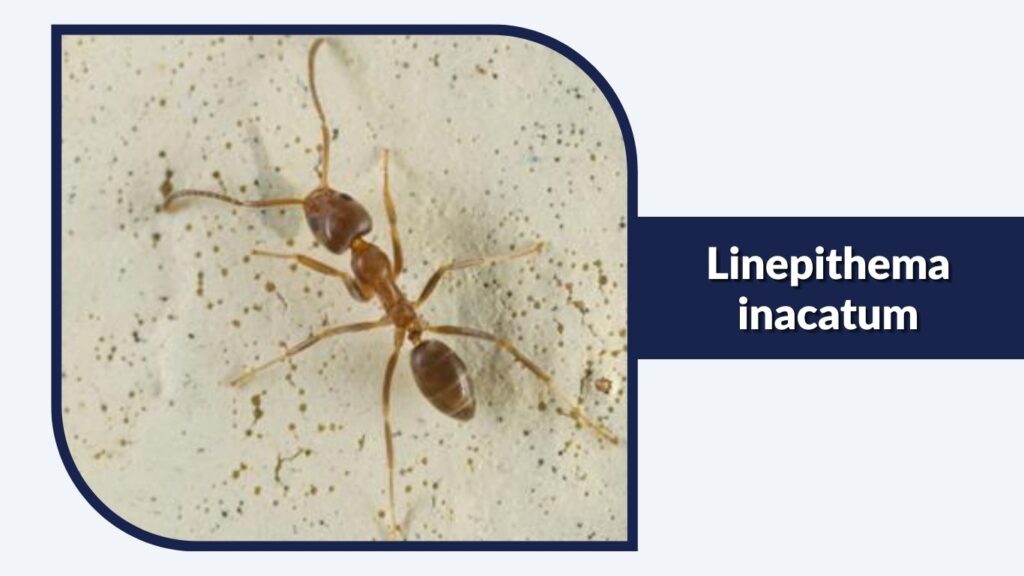
Linepithema inacatum is a South American ant species in the Linepithema genus. It is small, non-invasive, and closely related to the Argentine ant. The species has light brown coloration, a slender body, and distinct mandibles, making it identifiable within forest and grassland ecosystems.
Identification
- Size: 2–3 mm
- Color: Light brown
- Smooth, slightly shiny exoskeleton
- Antennae: 12 segments, no club
- Mandibles: Narrow with fine teeth
Habitat and Distribution
L. inacatum is found in forests and grasslands of South America. Nests are built in soil, under stones, or leaf litter. It avoids urban areas, preferring humid, shaded locations with abundant organic material for nesting and foraging.
Behavior and Diet
This species is non-aggressive and timid. It forages for small insects, nectar, and honeydew. Workers cooperate in small groups, maintaining nests and gathering food efficiently, with activity peaking during cooler parts of the day.
Reproduction
Colonies are small, typically with a single queen. Reproduction occurs seasonally, producing new queens and males for limited dispersal, ensuring localized colony stability.
13. Linepithema iniquum
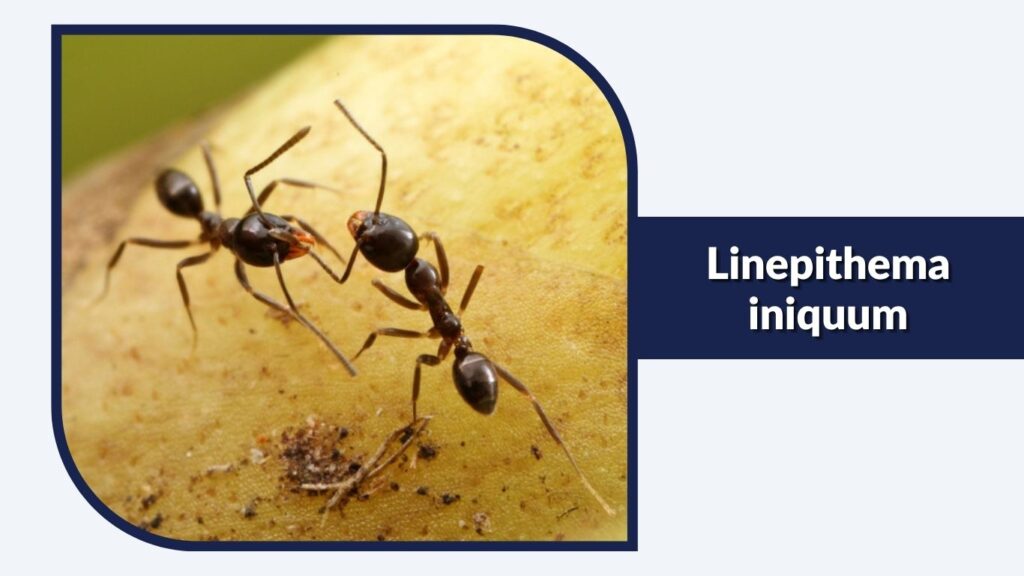
Linepithema iniquum is a South American ant species in the Linepithema genus, related to the Argentine ant. It is small, non-invasive, and inhabits forests and grasslands. The species has light brown coloration, slender body, and distinctive mandibles, aiding in identification and ecological studies.
Identification
- Size: 2–3 mm
- Color: Light brown
- Smooth, slightly shiny exoskeleton
- Antennae: 12 segments, no club
- Mandibles: Narrow with fine teeth
Habitat and Distribution
L. iniquum nests in soil, under stones, or leaf litter within forests and grasslands of South America. It avoids urban environments, preferring shaded, humid areas with abundant organic material for nesting.
Behavior and Diet
This species is timid and non-aggressive. It forages for small insects, nectar, and honeydew, mainly during cooler hours. Workers maintain nests and collect food efficiently in small cooperative groups.
Reproduction
Colonies are small, usually with a single queen. Reproduction follows seasonal patterns, producing new queens and males for limited dispersal, keeping colonies localized.
14. Linepithema keiteli
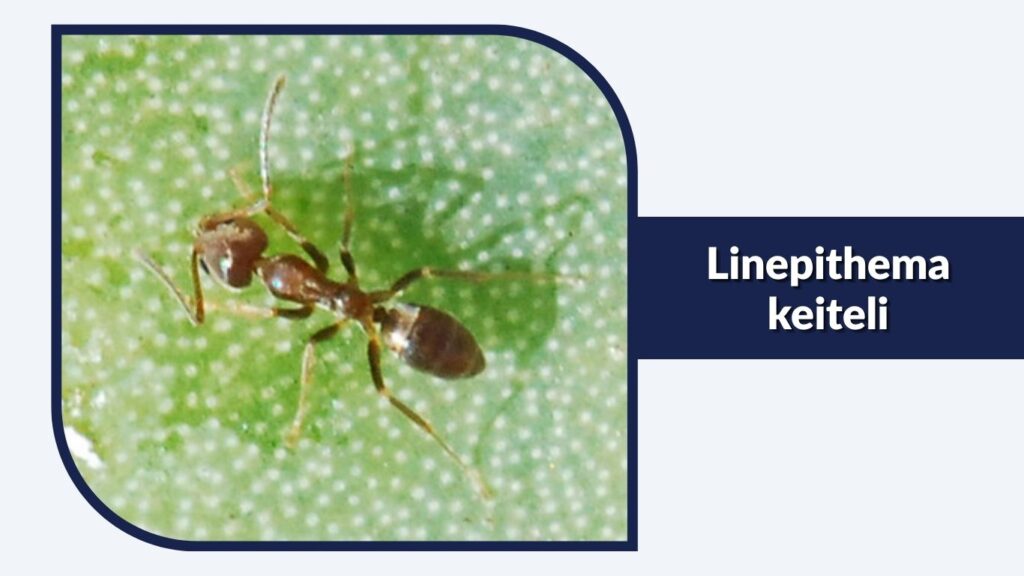
Linepithema keiteli is a South American ant species in the Linepithema genus. It is small, non-invasive, and closely related to the Argentine ant. The species is light brown, slender, and has distinct mandibles, making it recognizable in native forests and grasslands.
Identification
- Size: 2–3 mm
- Color: Light brown
- Smooth, slightly shiny exoskeleton
- Antennae: 12 segments, no club
- Mandibles: Narrow with fine teeth
Habitat and Distribution
L. keiteli inhabits forests and grasslands in South America. Nests are in soil, under stones, or leaf litter. It avoids urban areas, favoring shaded, humid environments with abundant organic material.
Behavior and Diet
This species is timid and non-aggressive. Forages for small insects, nectar, and honeydew in small worker groups. Activity peaks during cooler hours, with workers maintaining nests and gathering food efficiently.
Reproduction
Colonies are small, usually with a single queen. Reproduction aligns with rainy seasons, producing new queens and males for localized dispersal.
15. Linepithema leucomelas
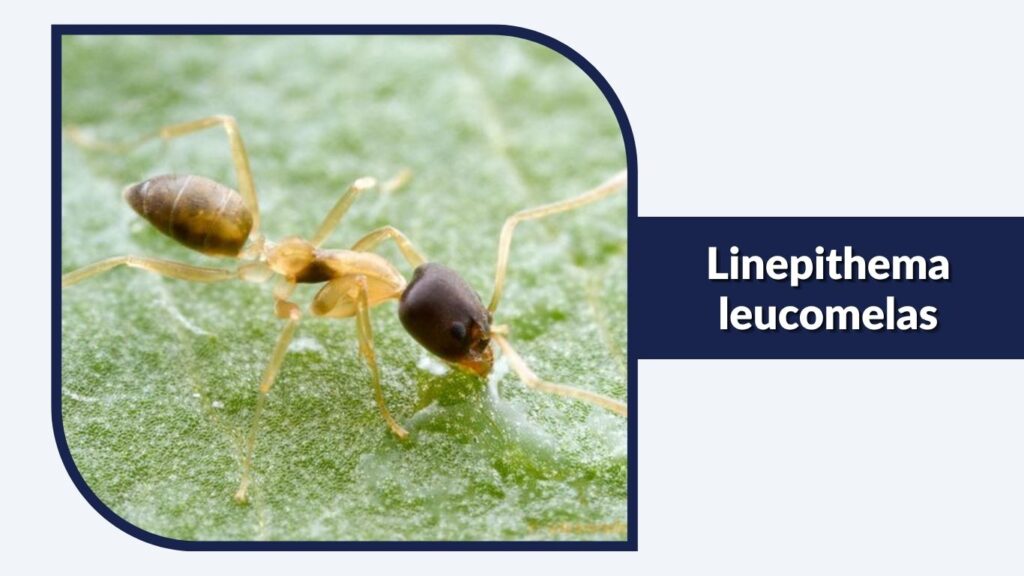
Linepithema leucomelas is a South American ant species in the Linepithema genus, related to the Argentine ant. It is small, non-invasive, and inhabits forests and grasslands. The species has light brown coloration, slender body, and distinctive mandibles, aiding in identification and ecological studies.
Identification
- Size: 2–3 mm
- Color: Light brown
- Smooth, slightly shiny exoskeleton
- Antennae: 12 segments, no club
- Mandibles: Narrow with fine teeth
Habitat and Distribution
L. leucomelas nests in soil, under stones, or leaf litter in South American forests and grasslands. It avoids urban environments, preferring shaded, humid areas with abundant organic material for nesting.
Behavior and Diet
This species is timid and non-aggressive. It forages in small groups for insects, nectar, and honeydew. Workers maintain nests and collect food efficiently, with activity peaking during cooler parts of the day.
Reproduction
Colonies are small, usually with a single queen. Reproduction is seasonal, producing new queens and males for limited dispersal, ensuring localized colony stability.
16. Linepithema micans
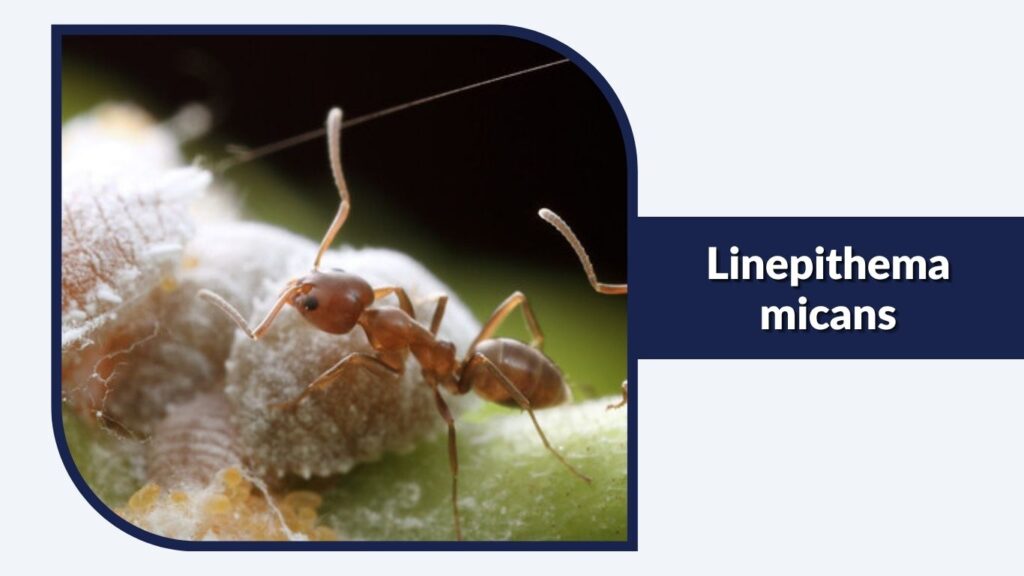
Linepithema micans is a South American ant species in the Linepithema genus. It is closely related to the Argentine ant but non-invasive. This species is small, light brown, with a slender body and distinct mandibles, making it identifiable in forests and grasslands of its native range.
Identification
- Size: 2–3 mm
- Color: Light brown
- Smooth, slightly shiny exoskeleton
- Antennae: 12 segments, no club
- Mandibles: Narrow with fine teeth
Habitat and Distribution
L. micans inhabits South American forests and grasslands. Nests are built in soil, under stones, or in leaf litter. Urban areas are avoided, with preference for shaded, humid habitats with ample organic material.
Behavior and Diet
This species is non-aggressive and timid. Forages in small groups for insects, nectar, and honeydew. Activity peaks in cooler hours, with workers cooperating to maintain nests and gather food efficiently.
Reproduction
Colonies are small, typically with one queen. Reproduction is seasonal, producing new queens and males for localized dispersal and maintaining stable populations.
17. Linepithema neotropicum
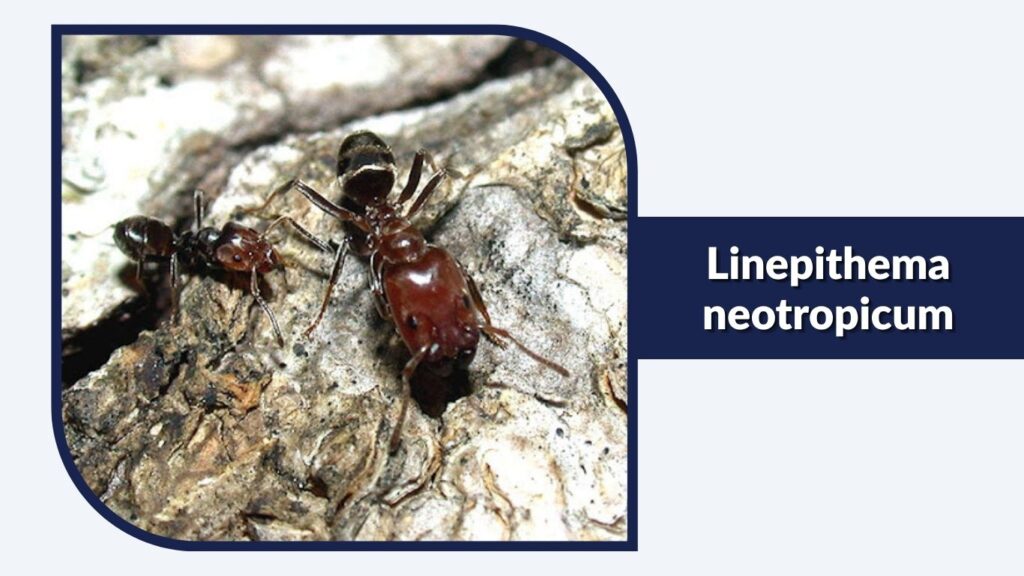
Linepithema neotropicum is a South American ant species in the Linepithema genus. It is small, non-invasive, and related to the Argentine ant. The species exhibits light brown coloration, a slender body, and distinct mandibles, making it easily identifiable in native forests and grassland ecosystems.
Identification
- Size: 2–3 mm
- Color: Light brown
- Smooth, slightly shiny exoskeleton
- Antennae: 12 segments, no club
- Mandibles: Narrow with fine teeth
Habitat and Distribution
L. neotropicum nests in soil, under stones, or leaf litter in South American forests and grasslands. It avoids urban areas, preferring shaded, humid locations with abundant organic material for nesting and foraging.
Behavior and Diet
The species is timid and non-aggressive. It forages for small insects, nectar, and honeydew, mainly during cooler hours. Workers cooperate in small groups, maintaining nests and gathering food efficiently.
Reproduction
Colonies are small, usually with a single queen. Reproduction occurs seasonally, producing new queens and males for localized dispersal, ensuring colony stability.
18. Linepithema oblongum
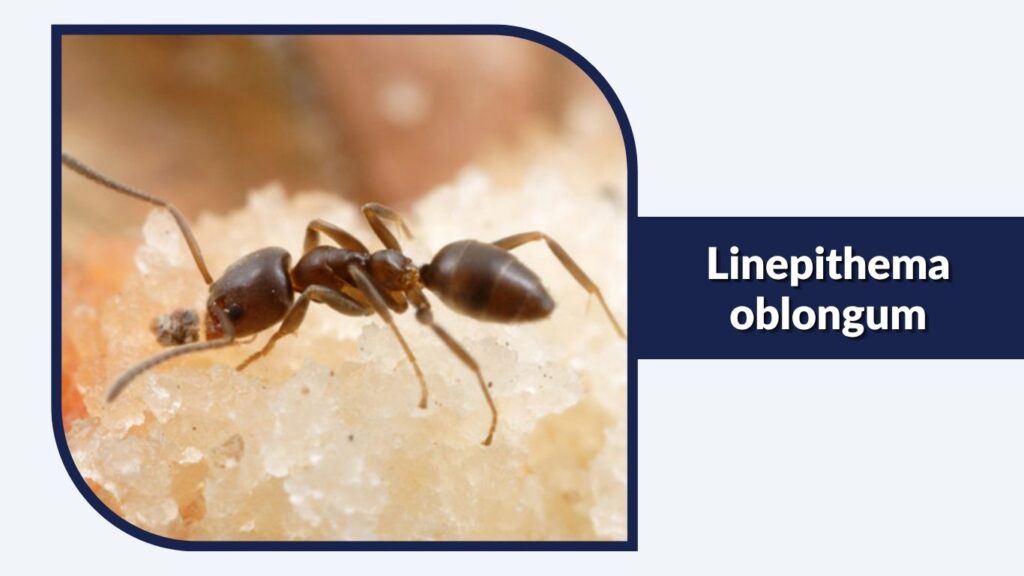
Linepithema oblongum is a South American ant species in the Linepithema genus. It is small, non-invasive, and closely related to the Argentine ant. The species has light brown coloration, a slender body, and distinctive mandibles, which aid in identification within forest and grassland habitats.
Identification
- Size: 2–3 mm
- Color: Light brown
- Smooth, slightly shiny exoskeleton
- Antennae: 12 segments, no club
- Mandibles: Narrow with fine teeth
Habitat and Distribution
L. oblongum inhabits forests and grasslands of South America. Nests are built in soil, under stones, or leaf litter. Urban areas are generally avoided, with preference for shaded, humid habitats with abundant organic material.
Behavior and Diet
This species is timid and non-aggressive. It forages in small groups for insects, nectar, and honeydew. Workers maintain nest hygiene and efficiently collect food, with activity peaking during cooler parts of the day.
Reproduction
Colonies are small, usually with one queen. Reproduction is seasonal, producing new queens and males for limited dispersal, keeping colony populations localized and stable.
19. Linepithema paulistana
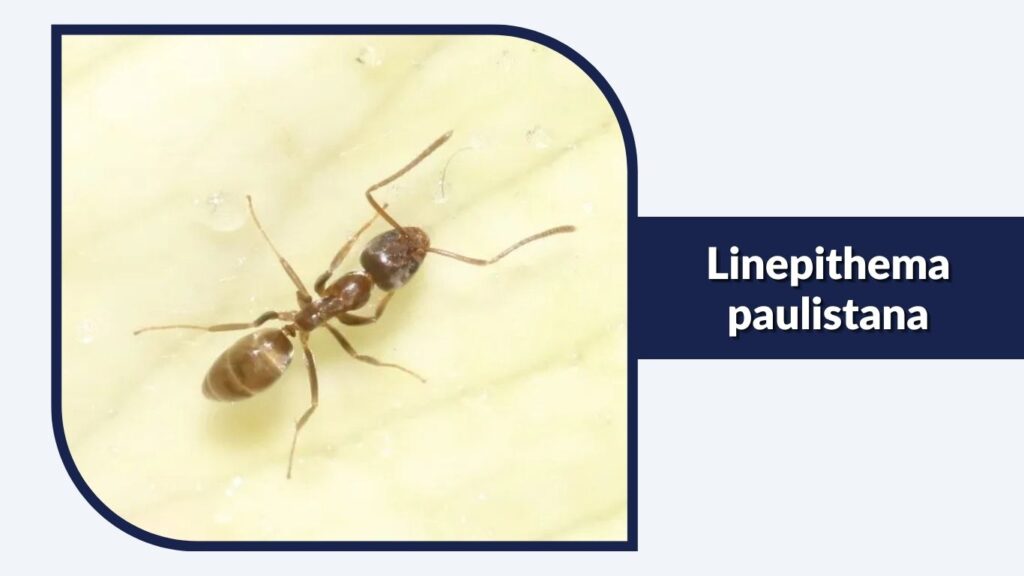
Linepithema paulistana is a South American ant species in the Linepithema genus. It is small, non-invasive, and related to the Argentine ant. The species has light brown coloration, a slender body, and distinctive mandibles, which help in identification in forest and grassland ecosystems.
Identification
- Size: 2–3 mm
- Color: Light brown
- Smooth, slightly shiny exoskeleton
- Antennae: 12 segments, no club
- Mandibles: Narrow with fine teeth
Habitat and Distribution
L. paulistana nests in soil, under stones, or leaf litter within South American forests and grasslands. It avoids urban areas, preferring shaded, humid habitats with abundant organic matter for nesting.
Behavior and Diet
This species is timid and non-aggressive. It forages in small groups for insects, nectar, and honeydew. Workers cooperate to maintain nests and gather food efficiently, with peak activity during cooler periods.
Reproduction
Colonies are small, typically with a single queen. Reproduction occurs seasonally, producing new queens and males for limited dispersal, ensuring localized colony stability.
20. Linepithema piliferum
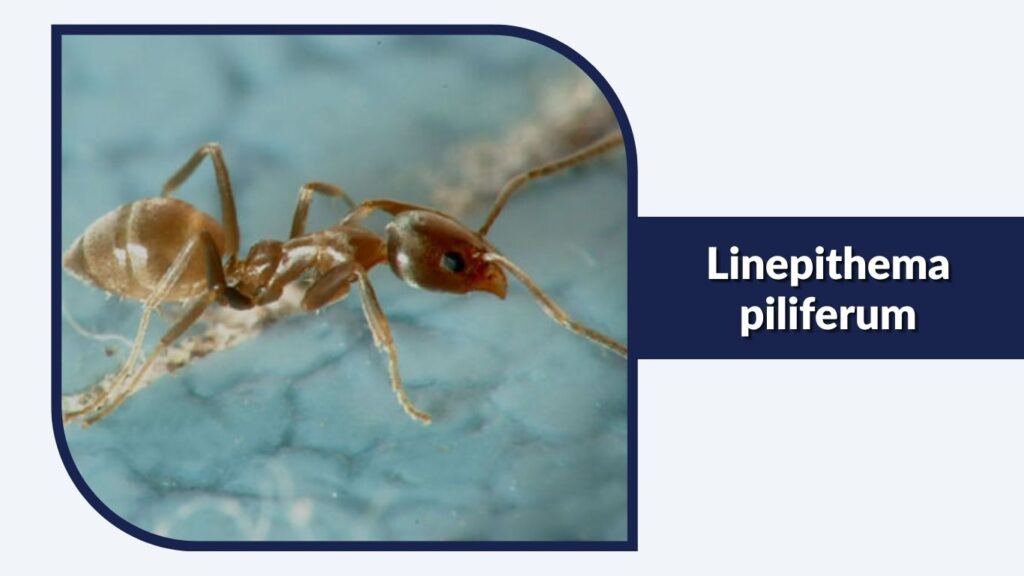
Linepithema piliferum is a South American ant species in the Linepithema genus. It is small, non-invasive, and closely related to the Argentine ant. The species has light brown coloration, a slender body, and distinctive mandibles, making it identifiable in forests and grassland habitats.
Identification
- Size: 2–3 mm
- Color: Light brown
- Smooth, slightly shiny exoskeleton
- Antennae: 12 segments, no club
- Mandibles: Narrow with fine teeth
Habitat and Distribution
L. piliferum inhabits forests and grasslands in South America. Nests are built in soil, under stones, or leaf litter. Urban areas are generally avoided, with preference for shaded, humid habitats with abundant organic material.
Behavior and Diet
This species is timid and non-aggressive. It forages for small insects, nectar, and honeydew. Workers cooperate to maintain nests and collect food efficiently, with activity peaking during cooler hours.
Reproduction
Colonies are small, usually with a single queen. Reproduction is seasonal, producing new queens and males for limited dispersal, maintaining stable, localized populations.
FAQs
What is the average size of Linepithema ants?
Most Linepithema species, including the Argentine ant and its relatives, are small, typically measuring 2–3 mm in length. Their tiny size allows them to nest in soil, leaf litter, or under stones, and contributes to their success in both natural and urban environments.
Are all Linepithema ants invasive?
No. While Linepithema humile (Argentine ant) is highly invasive worldwide, most other species in the genus, like L. anathema or L. piliferum, are non-invasive and remain localized in their native South American habitats.
What do Linepithema ants eat?
These ants are omnivorous. Their diet typically includes small insects, nectar, and honeydew produced by sap-sucking insects. Foraging activity is usually higher during cooler hours of the day, with workers cooperating in small groups to gather food.
How do Linepithema ants reproduce?
Colonies are generally small and often contain a single queen. Reproduction is seasonal, usually aligned with rainfall to ensure brood survival. New queens and males are produced for limited dispersal, maintaining localized populations.
Where are Linepithema ants commonly found?
Most species are native to South America, inhabiting forests, savannas, and grasslands. They build nests in soil, under stones, or leaf litter. Urban areas are rarely colonized, except for L. humile, which has spread globally as an invasive species.