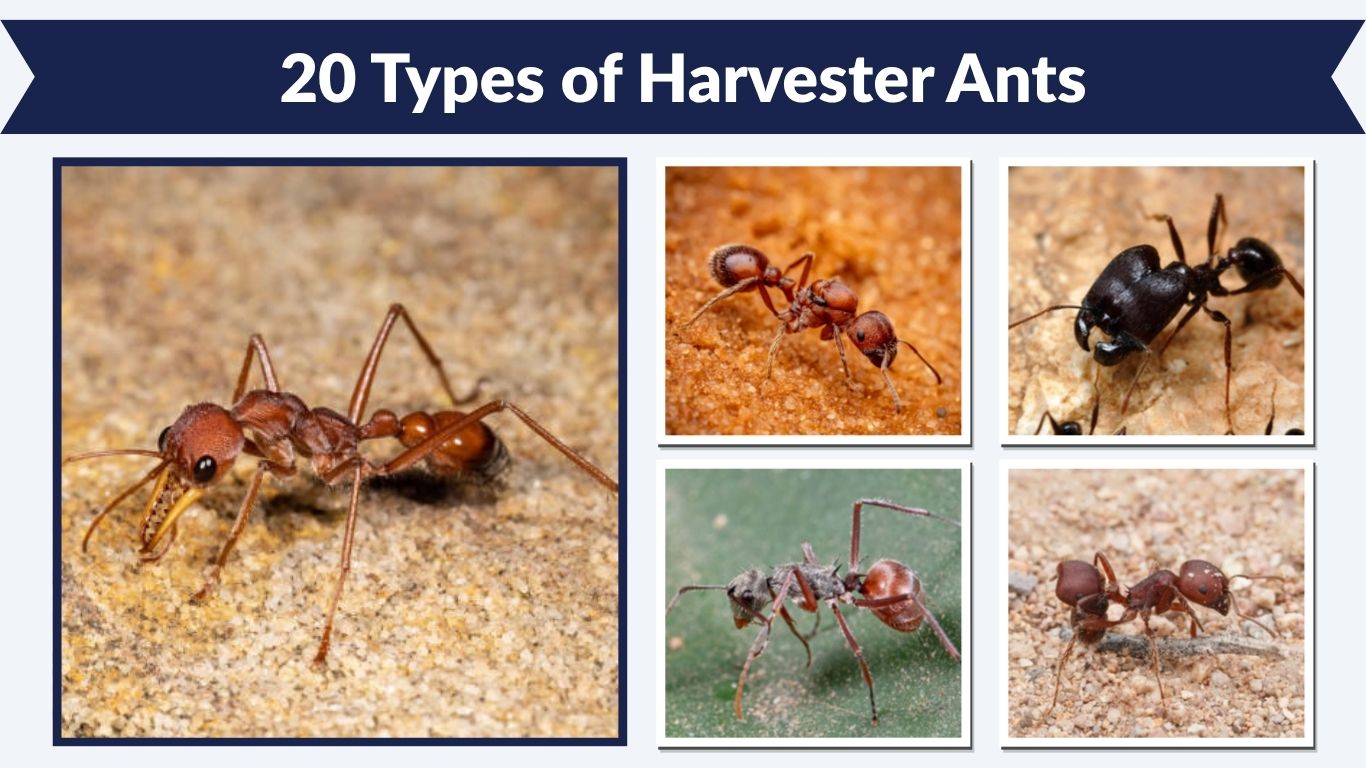
Harvester ants are fascinating insects known for collecting seeds, building large underground nests, and surviving in some of the harshest environments on Earth. These hardworking ants are commonly found in deserts, grasslands, and dry open habitats where they play an important role in spreading seeds and improving soil quality.
In this guide, you will discover 20 types of harvester ants, including their identification features, habitats, behavior, and life cycles. From the powerful Maricopa harvester ant to the desert-adapted Arizona harvester ant, each species has unique traits that help it thrive in challenging environments.
1. Red Harvester Ant
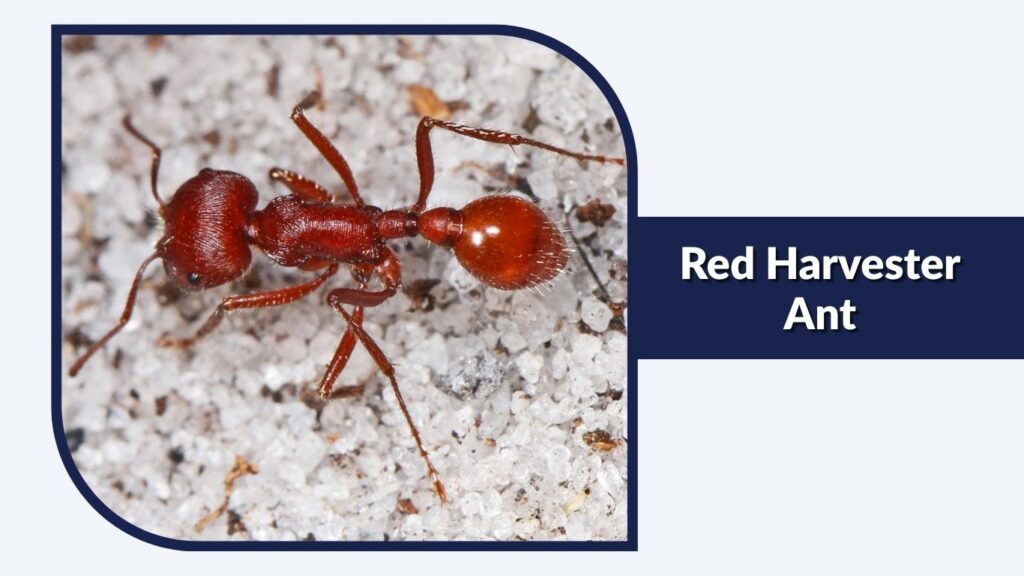
Red harvester ants are well-known seed-collecting ants commonly found in dry grasslands and desert regions. These ants are famous for building large underground colonies and gathering seeds to store as food. Although they are important for soil health and seed distribution, they are also known for their painful sting.
Identification
- Reddish-orange to dark red body color
- Medium to large-sized ant species
- Large head with powerful mandibles
- Long legs adapted for ground movement
- Hairy body appearance under close view
- Strong stinger used for defense
- Workers usually measure between 6–10 mm long
Habitat and Distribution
Red harvester ants are commonly found in dry regions of the southwestern United States and parts of Mexico. They prefer deserts, open grasslands, prairies, and sandy soils where seeds are abundant.
These ants build large underground nests marked by wide circular clearings around the entrance. The surrounding area is often free of vegetation because workers remove plants and debris near the colony.
Behavior and Diet
Red harvester ants are active foragers that mainly collect seeds from grasses and other plants. Workers travel long distances from the nest while gathering food and carrying it back underground for storage.
Although seeds make up most of their diet, they may also feed on insects and dead animals when available. These ants are highly defensive and will sting aggressively if their nest is disturbed.
Life Cycle
The colony begins with a queen that starts a nest after mating flights. She lays eggs that hatch into larvae cared for by worker ants. As the colony grows, more workers take over tasks such as foraging, nest maintenance, and defense.
Red harvester ant colonies can survive for many years under favorable conditions. Mature colonies may contain thousands of worker ants supporting the queen and developing young.
2. Western Harvester Ant
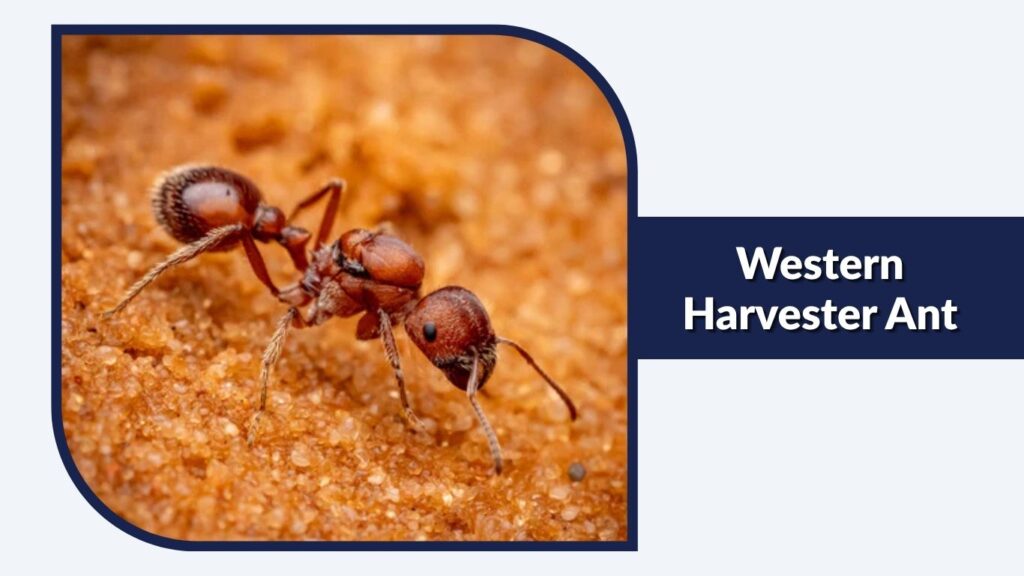
Western harvester ants are common seed-collecting ants found throughout dry regions of western North America. These ants are known for their large underground colonies, organized foraging behavior, and important role in spreading seeds and improving soil conditions in their habitats.
Identification
- Reddish-brown to dark brown body
- Medium-sized workers with sturdy bodies
- Large square-shaped head
- Strong mandibles for carrying seeds
- Long legs suited for outdoor foraging
- Hairy thorax and abdomen
- Painful stinger used for colony defense
Habitat and Distribution
Western harvester ants are widely distributed across the western United States and northern Mexico. They prefer deserts, grasslands, scrublands, and sandy open areas with plenty of sunlight and loose soil.
Their nests are usually marked by large circular clearings surrounding the entrance. These cleared zones help reduce plant growth near the colony and provide safer movement for worker ants.
Behavior and Diet
Western harvester ants mainly feed on seeds collected from grasses and wild plants. Workers forage during warm daylight hours and carry seeds back to underground storage chambers inside the nest.
These ants also consume insects and other organic matter when available. Colonies are highly territorial, and workers defend their nest aggressively against predators and competing ant species.
Life Cycle
The life cycle begins after mating flights when a fertilized queen establishes a new underground nest. She lays eggs that develop into larvae and later pupae before emerging as adult workers.
As the colony matures, worker ants assume responsibilities such as foraging, caring for larvae, and nest maintenance. Established colonies may survive for many years and contain thousands of individuals.
3. Maricopa Harvester Ant
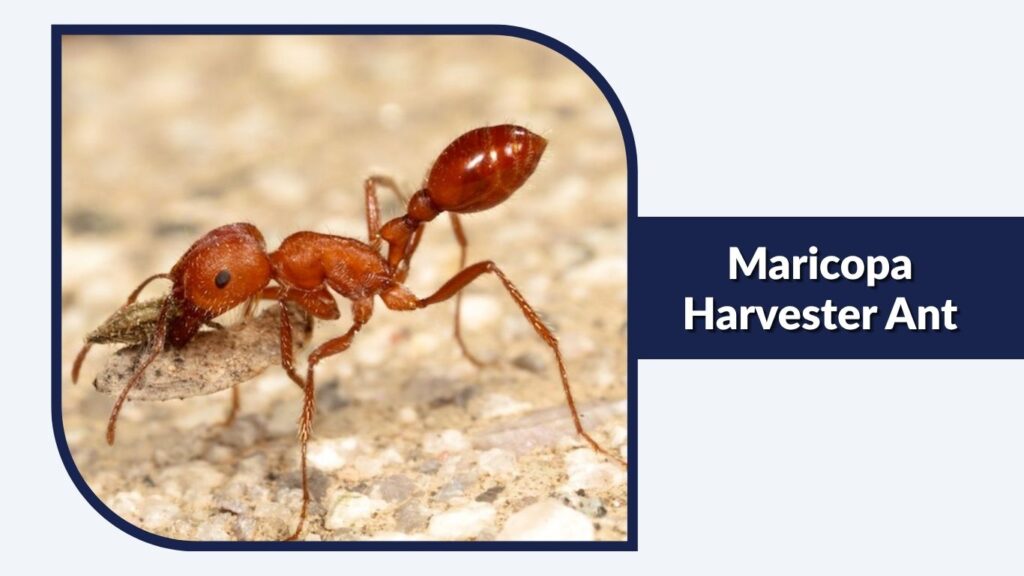
Maricopa harvester ants are large and highly defensive ants native to desert regions of the southwestern United States. They are especially famous for having one of the most painful insect stings in the world. These ants are important seed collectors that help shape desert ecosystems.
Identification
- Reddish-orange to dark red body
- Large worker ants with robust bodies
- Powerful mandibles for carrying seeds
- Long legs adapted for desert movement
- Hairy appearance on the thorax and abdomen
- Strong venomous stinger
- Workers usually measure about 8–10 mm long
Habitat and Distribution
Maricopa harvester ants are commonly found in deserts and arid grasslands of Arizona, New Mexico, Texas, and northern Mexico. They prefer dry, sandy, or rocky soils with sparse vegetation and abundant seed sources.
Their nests are large underground systems often surrounded by cleared circular areas free of plants. Nest entrances may include small gravel or soil mounds created during excavation.
Behavior and Diet
Maricopa harvester ants mainly collect seeds from desert plants and grasses. Workers forage during warm parts of the day and transport food back to underground chambers for storage.
These ants are extremely territorial and will aggressively defend their colony if disturbed. Their painful sting is used as protection against predators and threats. In addition to seeds, they may also feed on insects and dead animals when available.
Life Cycle
The colony starts with a queen that establishes a nest after mating flights. She lays eggs that hatch into larvae cared for by worker ants inside the colony. The larvae later develop into pupae and emerge as adult ants.
As the colony grows, workers divide tasks such as foraging, nest maintenance, and defense. Mature colonies can survive for many years in harsh desert conditions.
4. Texas Harvester Ant
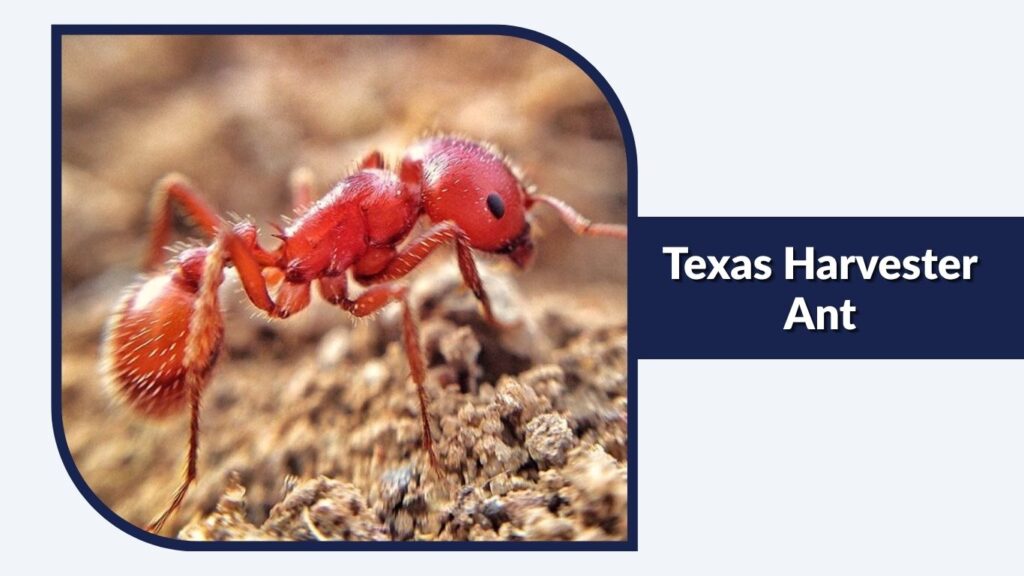
Texas harvester ants are large seed-collecting ants commonly found in the southern United States. These ants are known for their organized colonies, underground nests, and important role in dispersing seeds across dry grassland habitats. They are also recognized for their painful defensive sting.
Identification
- Reddish-brown to rusty red body
- Medium to large worker ants
- Broad head with strong mandibles
- Long legs adapted for ground foraging
- Hairy body with rough texture
- Powerful stinger for protection
- Large underground nest entrances surrounded by cleared soil
Habitat and Distribution
Texas harvester ants are mainly found in Texas and nearby regions of the southern United States and northern Mexico. They thrive in prairies, grasslands, deserts, and open dry woodlands with loose soil and abundant vegetation seeds.
Their nests are usually built underground with visible clearings around the entrance. These open spaces reduce nearby plant growth and help workers move efficiently while foraging.
Behavior and Diet
Texas harvester ants primarily collect and store seeds from grasses and wild plants. Workers travel long distances from the colony while searching for food and carry collected seeds back to underground chambers.
Although seeds form the majority of their diet, they may also consume insects and dead organic matter. These ants are highly defensive and use their sting aggressively when the colony is threatened.
Life Cycle
The colony begins with a fertilized queen that establishes a small underground chamber after mating flights. She lays eggs that hatch into larvae cared for by the first generation of worker ants.
As the colony expands, workers take over duties such as foraging, nest maintenance, and brood care. Mature colonies can contain thousands of ants and survive for many years in favorable environments.
5. California Harvester Ant
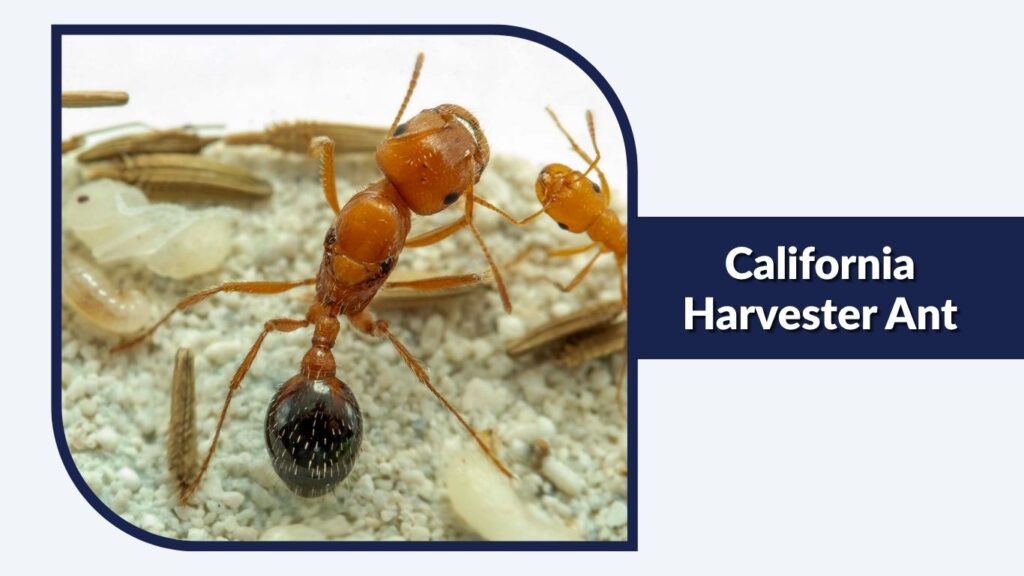
California harvester ants are hardworking seed-collecting ants commonly found in dry habitats throughout the western United States. These ants play an important ecological role by spreading seeds and improving soil structure through their underground nesting activities. They are also known for their organized colonies and defensive behavior.
Identification
- Reddish-brown to dark brown body color
- Medium-sized workers with sturdy bodies
- Large head equipped with strong mandibles
- Long legs adapted for outdoor foraging
- Hairy thorax and abdomen
- Strong stinger used for defense
- Visible nest entrances surrounded by cleared ground
Habitat and Distribution
California harvester ants are mainly distributed across California and nearby western states. They prefer dry grasslands, deserts, chaparral habitats, and open woodland areas with sandy or loose soil.
Their colonies are usually built underground and may include large tunnel systems. The area around the nest entrance is often cleared of vegetation, creating a bare circular patch on the ground.
Behavior and Diet
California harvester ants mainly feed on seeds collected from grasses, weeds, and native plants. Worker ants leave the colony in organized foraging groups and transport seeds back to storage chambers underground.
These ants are active during warm weather and can become aggressive when disturbed. Besides seeds, they occasionally consume insects and dead organic material to supplement their diet.
Life Cycle
The colony begins when a queen establishes a new nest after mating flights. She lays eggs that develop into larvae, pupae, and eventually adult workers cared for by the colony.
As the colony matures, worker ants handle tasks such as food collection, nest maintenance, and brood care. Established colonies may survive for many years under suitable environmental conditions.
6. Florida Harvester Ant
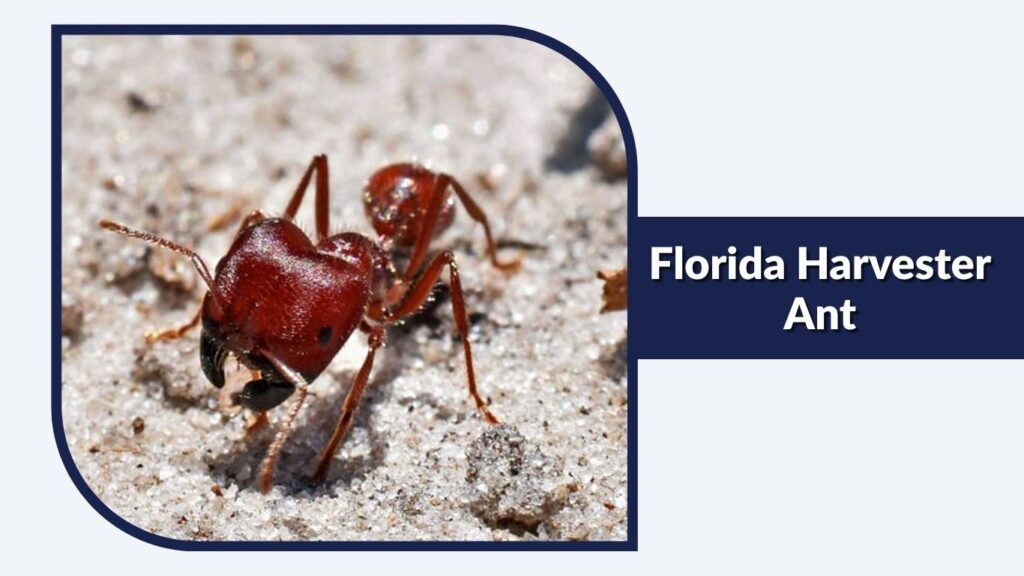
Florida harvester ants are seed-gathering ants native to sandy habitats in the southeastern United States. These ants are important for soil aeration and seed distribution in their ecosystems. They are known for their organized underground colonies and active daytime foraging behavior.
Identification
- Reddish-brown body coloration
- Medium-sized worker ants
- Large head with powerful jaws
- Long legs adapted for sandy terrain
- Hairy body with rough texture
- Strong stinger for colony defense
- Circular nest entrances surrounded by bare sand
Habitat and Distribution
Florida harvester ants are mainly found in Florida and nearby southeastern coastal regions. They prefer sandy soils in open habitats such as pine flatwoods, grasslands, coastal dunes, and scrub environments.
Their nests are built underground and often feature wide clearings around the entrance. These clear zones help protect the colony and improve movement for worker ants gathering food.
Behavior and Diet
Florida harvester ants primarily collect seeds from grasses and native plants. Workers forage during warm daylight hours and transport seeds back to storage chambers within the nest.
In addition to seeds, these ants may feed on small insects and dead organic material. Colonies are territorial and workers will defend the nest aggressively if threatened.
Life Cycle
The life cycle begins after mating flights when a fertilized queen starts a new underground colony. She lays eggs that hatch into larvae cared for by the first generation of workers.
As the colony grows, workers take over responsibilities such as foraging, nest maintenance, and brood care. Mature colonies can contain thousands of ants and survive for many years in stable habitats.
7. Desert Harvester Ant
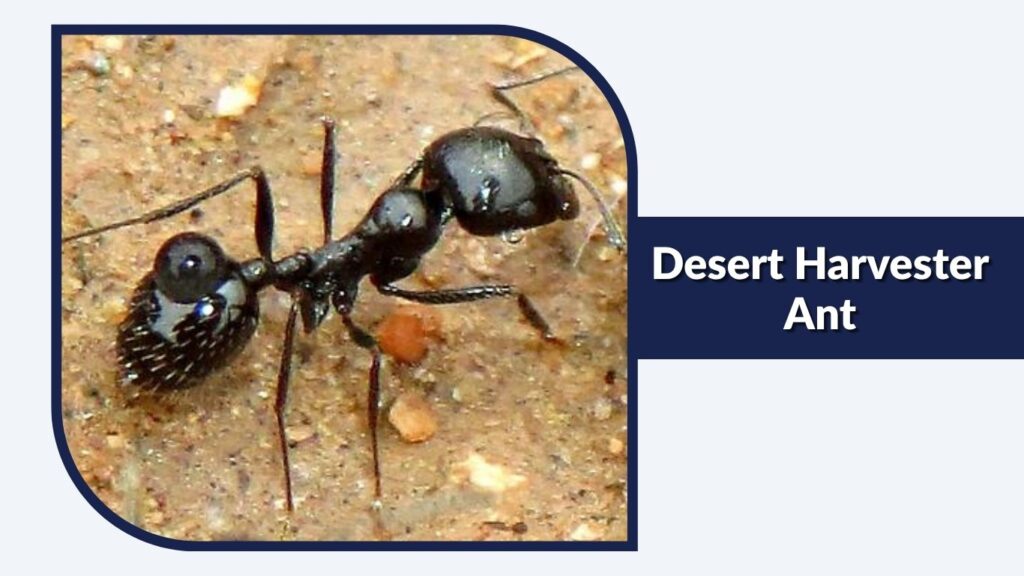
Desert harvester ants are hardy seed-collecting ants specially adapted to survive in hot, dry desert environments. These ants are important members of desert ecosystems because they help spread seeds and improve soil conditions through their digging activities.
Identification
- Reddish-brown to dark red body
- Medium to large worker ants
- Strong mandibles for carrying seeds
- Long legs adapted for hot ground surfaces
- Hairy body that helps protect against heat
- Painful stinger for defense
- Large nest entrances surrounded by cleared soil
Habitat and Distribution
Desert harvester ants are commonly found in arid regions of the southwestern United States and northern Mexico. They prefer deserts, scrublands, and dry grasslands with sandy or rocky soils.
Their underground nests are often easy to recognize because of the bare circular areas surrounding the entrance. These clearings reduce vegetation and create safer pathways for worker ants.
Behavior and Diet
Desert harvester ants mainly collect seeds from grasses, shrubs, and desert plants. Workers forage during cooler parts of the day to avoid extreme heat while gathering food for the colony.
These ants are highly territorial and aggressive when defending their nest. In addition to seeds, they may also consume insects and dead organic matter when available.
Life Cycle
The colony begins when a queen establishes a new nest after mating flights. She lays eggs that hatch into larvae cared for by worker ants inside the underground chambers.
As the colony matures, workers handle foraging, nest expansion, and brood care. Established colonies can survive for many years despite harsh desert conditions.
8. Rough Harvester Ant
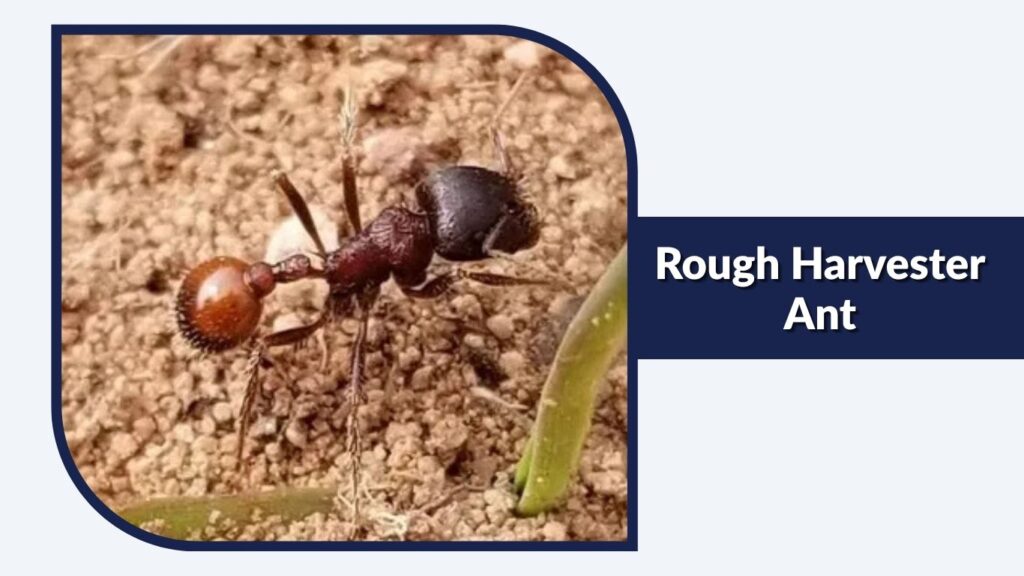
Rough harvester ants are sturdy seed-collecting ants known for their coarse body texture and strong underground colonies. These ants are commonly found in dry open habitats where they gather seeds and help improve soil quality through constant digging and nest building.
Identification
- Dark reddish-brown to black body
- Rough and hairy body texture
- Large head with strong mandibles
- Medium-sized worker ants
- Long legs adapted for ground foraging
- Strong stinger used for defense
- Underground nests surrounded by bare soil areas
Habitat and Distribution
Rough harvester ants are mainly found in dry grasslands, deserts, and scrub habitats across parts of North America. They prefer loose sandy or rocky soil where underground nests can be built easily.
Their colonies are usually located in sunny open areas with little vegetation around the entrance. Workers actively maintain clear spaces near the nest for easier movement and defense.
Behavior and Diet
Rough harvester ants mainly feed on seeds collected from nearby grasses and wild plants. Workers leave the colony in search of food and return carrying seeds to underground storage chambers.
These ants are defensive and may sting when disturbed. Besides seeds, they sometimes consume insects and dead organic material to provide extra nutrients for the colony.
Life Cycle
The colony starts with a fertilized queen that creates a small underground nest after mating flights. She lays eggs that hatch into larvae, which are cared for by worker ants until adulthood.
As the colony grows, workers expand the nest system and divide responsibilities such as foraging, brood care, and nest protection. Mature colonies may survive for many years in favorable conditions.
9. Black Harvester Ant
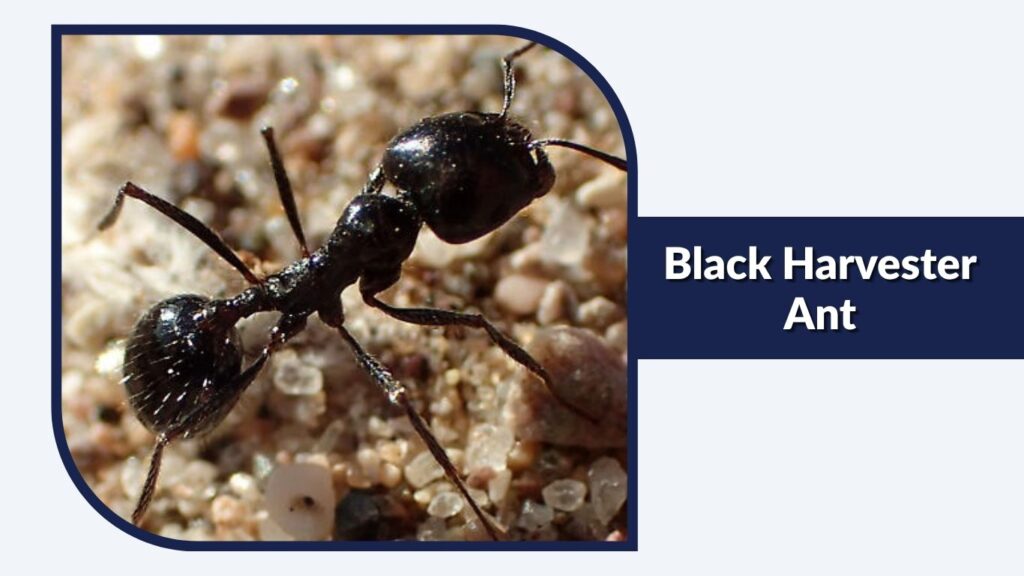
Black harvester ants are dark-colored seed-gathering ants commonly found in dry and open habitats. These ants are important for ecosystem balance because they collect and distribute seeds while also improving soil through their underground nesting activities.
Identification
- Dark brown to black body color
- Medium-sized workers with sturdy bodies
- Large head with strong mandibles
- Long legs designed for ground movement
- Slightly hairy thorax and abdomen
- Strong defensive stinger
- Large underground nests with cleared entrances
Habitat and Distribution
Black harvester ants are found in grasslands, deserts, prairies, and scrublands across parts of North America. They prefer warm, dry areas with loose soil and abundant seed-producing plants.
Their nests are typically built underground and marked by bare circular patches surrounding the entrance. These clearings help reduce obstacles for foraging workers.
Behavior and Diet
Black harvester ants mainly collect seeds from grasses and wild plants. Workers forage during warm daylight hours and transport seeds back to underground chambers for storage.
These ants are territorial and can become aggressive if their nest is disturbed. They may also consume insects and dead organic matter when additional food sources are available.
Life Cycle
The colony begins when a queen establishes a new nest after mating flights. She lays eggs that develop into larvae, pupae, and eventually adult worker ants.
As the colony matures, workers handle duties such as food collection, nest maintenance, brood care, and defense. Mature colonies can contain thousands of ants and survive for many years in suitable habitats.
10. Seed Harvester Ant
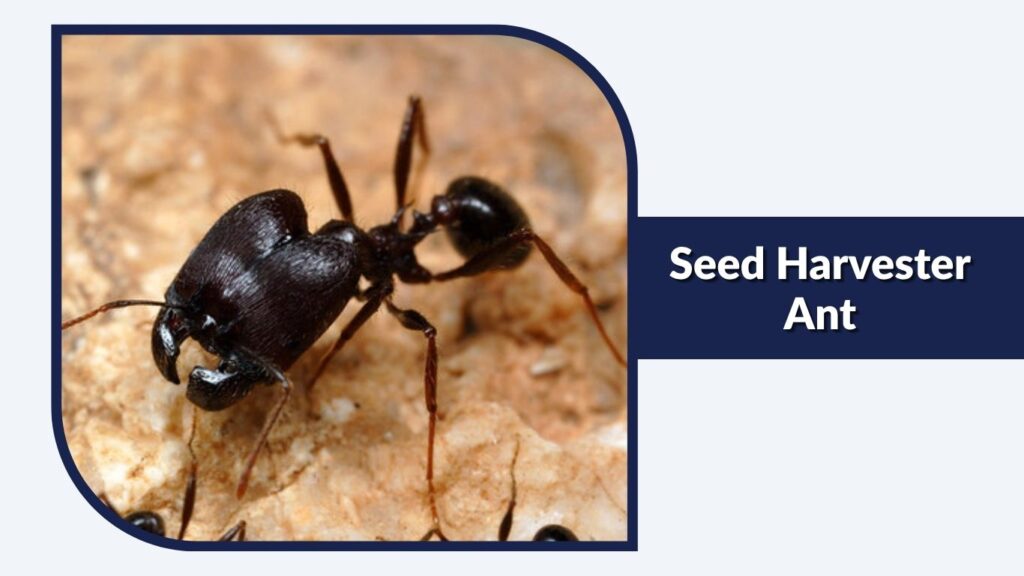
Seed harvester ants are specialized ants known for collecting and storing seeds as their primary food source. These ants play a major role in seed dispersal and soil improvement, making them important contributors to many grassland and desert ecosystems.
Identification
- Reddish-brown to dark brown body
- Large head with powerful mandibles
- Medium-sized worker ants
- Long legs adapted for long-distance foraging
- Hairy body appearance
- Strong stinger for colony defense
- Underground nests with visible cleared areas nearby
Habitat and Distribution
Seed harvester ants are commonly found in deserts, grasslands, prairies, and dry open habitats across North and Central America. They prefer sandy or loose soil where underground tunnels can be constructed easily.
Their nests are usually surrounded by bare circular patches cleared of vegetation. These open areas allow workers to move efficiently while transporting seeds to the colony.
Behavior and Diet
Seed harvester ants primarily gather seeds from grasses, flowers, and shrubs. Workers forage individually or in small groups and carry seeds back to underground storage chambers for future use.
These ants may also consume insects and organic debris when available. Colonies are highly defensive and workers will sting if they feel threatened near the nest entrance.
Life Cycle
The colony begins with a fertilized queen establishing a small underground chamber after mating flights. She lays eggs that hatch into larvae cared for by worker ants.
As the colony grows, workers expand the nest and divide responsibilities such as foraging, brood care, and colony defense. Mature colonies may survive for many years under favorable environmental conditions.
11. Southern Harvester Ant
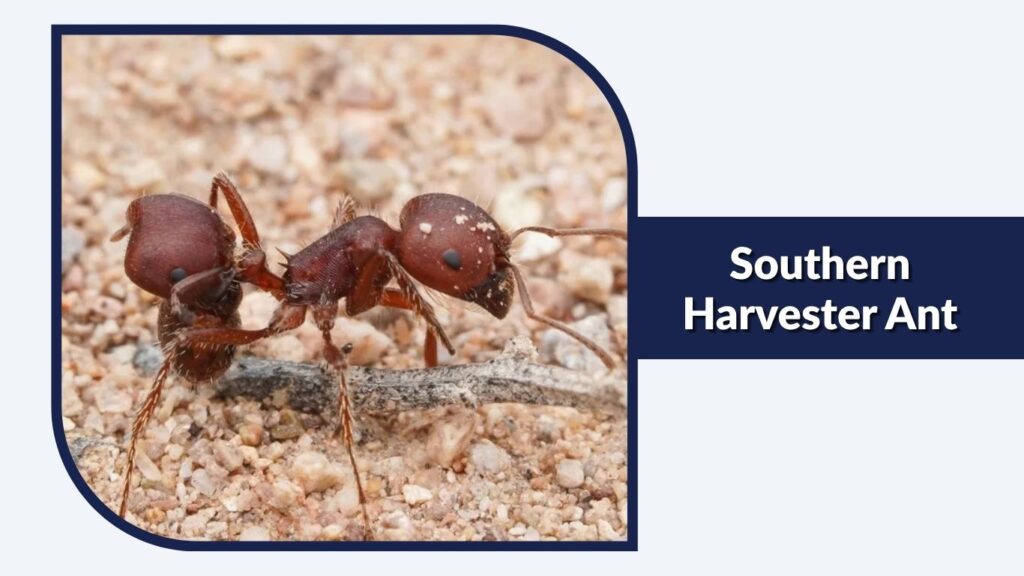
Southern harvester ants are active seed-collecting ants commonly found in warm southern regions of North America. These ants are known for their organized underground colonies, hardworking foraging behavior, and important role in spreading seeds across grassland and scrub habitats.
Identification
- Reddish-brown to rusty brown body
- Medium to large worker ants
- Broad head with strong jaws
- Long legs adapted for outdoor movement
- Hairy thorax and abdomen
- Strong defensive stinger
- Large nest entrances surrounded by cleared ground
Habitat and Distribution
Southern harvester ants are mainly distributed across the southern United States and northern Mexico. They thrive in dry grasslands, prairies, deserts, and open woodland habitats with sandy or loose soil.
Their underground nests are often marked by bare circular areas cleared of vegetation. These clearings help workers forage efficiently and reduce obstacles near the colony entrance.
Behavior and Diet
Southern harvester ants primarily feed on seeds gathered from grasses and flowering plants. Workers travel long distances while foraging and transport seeds back to underground storage chambers.
These ants may also eat insects and dead organic matter when available. Colonies are defensive, and workers use their sting to protect the nest from predators and disturbances.
Life Cycle
The life cycle begins after mating flights when a fertilized queen establishes a new nest. She lays eggs that hatch into larvae cared for by worker ants until they develop into adults.
As the colony matures, workers take over responsibilities such as food collection, nest expansion, brood care, and defense. Mature colonies can survive for many years in stable environments.
12. Northern Harvester Ant
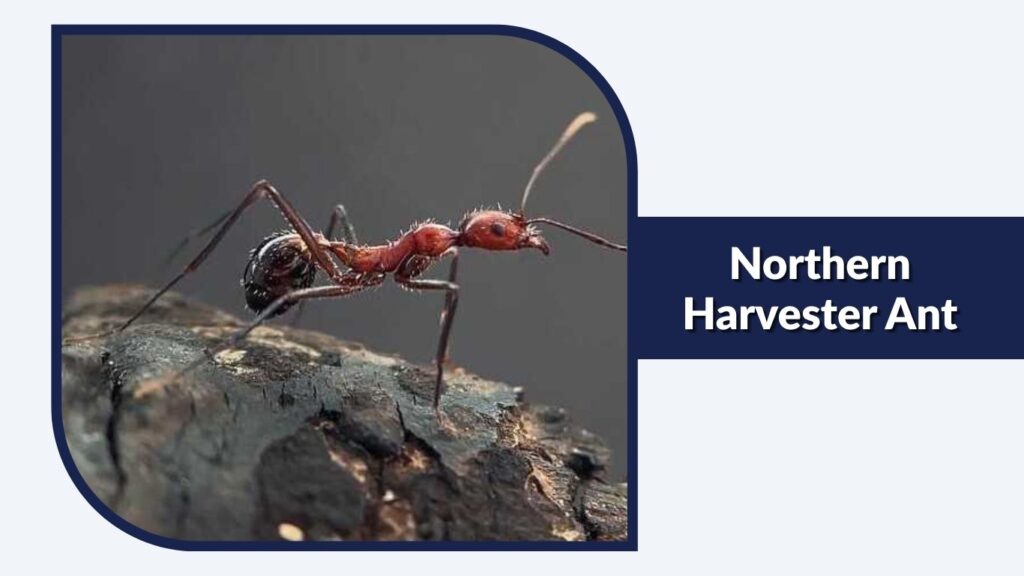
Northern harvester ants are seed-gathering ants adapted to cooler and drier regions compared to many other harvester ant species. These ants are important for maintaining healthy ecosystems by spreading seeds and improving soil structure through their underground nesting activities.
Identification
- Dark reddish-brown to black body
- Medium-sized workers with sturdy bodies
- Large head with strong mandibles
- Long legs adapted for ground foraging
- Slightly hairy body texture
- Strong stinger for colony defense
- Circular nest entrances surrounded by bare soil
Habitat and Distribution
Northern harvester ants are commonly found in northern grasslands, prairies, and dry open woodlands across parts of North America. They prefer sandy or loose soil with access to grasses and seed-producing plants.
Their nests are built underground and often surrounded by vegetation-free areas. These open spaces help improve movement around the colony and reduce competition from nearby plants.
Behavior and Diet
Northern harvester ants mainly feed on seeds collected from grasses and wild plants. Workers forage during warm daylight hours and transport food back to underground storage chambers.
These ants are highly organized and territorial. In addition to seeds, they may occasionally feed on insects and dead organic matter to supplement their nutrition.
Life Cycle
The colony starts when a fertilized queen establishes a new underground nest after mating flights. She lays eggs that develop into larvae, pupae, and eventually adult worker ants.
As the colony grows, worker ants divide tasks such as foraging, brood care, nest maintenance, and colony defense. Mature colonies can survive for many years in suitable habitats.
13. Prairie Harvester Ant
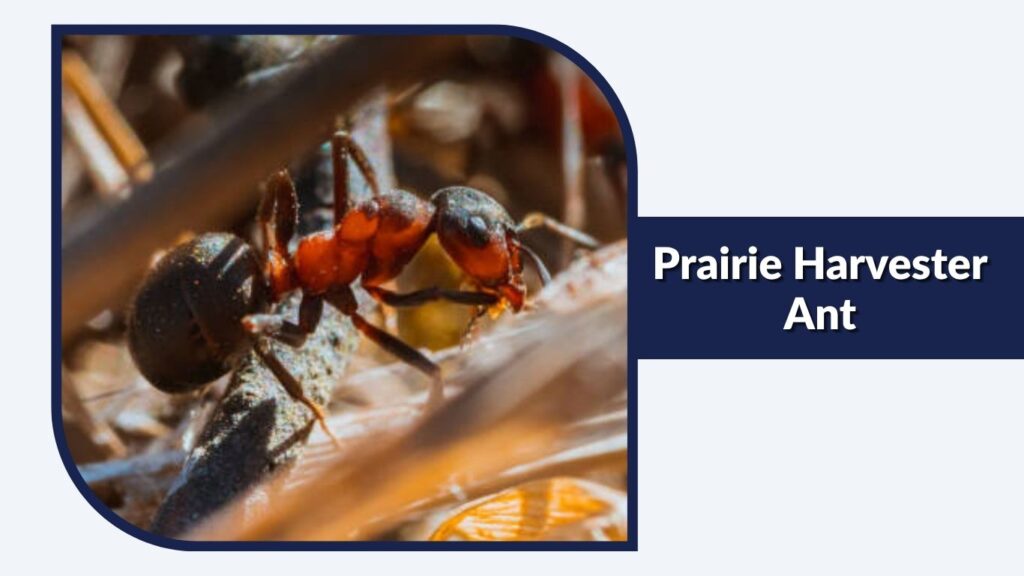
Prairie harvester ants are hardworking seed-collecting ants commonly found in open grassland ecosystems. These ants are important for prairie environments because they help distribute seeds, recycle organic matter, and improve soil through their underground tunnel systems.
Identification
- Reddish-brown to dark brown body
- Medium-sized worker ants
- Large head with strong mandibles
- Long legs adapted for grassland movement
- Hairy thorax and abdomen
- Strong stinger for protection
- Bare circular areas around nest entrances
Habitat and Distribution
Prairie harvester ants are mainly found in prairies, grasslands, and dry open habitats across central and western North America. They prefer loose sandy or clay-rich soils with plenty of grasses and seed-producing plants.
Their underground nests are usually easy to identify because workers clear vegetation around the entrance. These open areas help maintain access to the colony and improve nest defense.
Behavior and Diet
Prairie harvester ants primarily collect seeds from grasses, weeds, and flowering plants. Workers forage during warm parts of the day and store seeds in underground chambers for later use.
These ants may also feed on insects and dead organic material when available. Colonies are territorial and workers will defend the nest aggressively if disturbed.
Life Cycle
The life cycle begins after mating flights when a fertilized queen establishes a new nest underground. She lays eggs that hatch into larvae cared for by worker ants.
As the colony matures, workers expand the nest system and divide tasks such as foraging, brood care, and defense. Established colonies can survive for many years in stable prairie environments.
14. Giant Harvester Ant
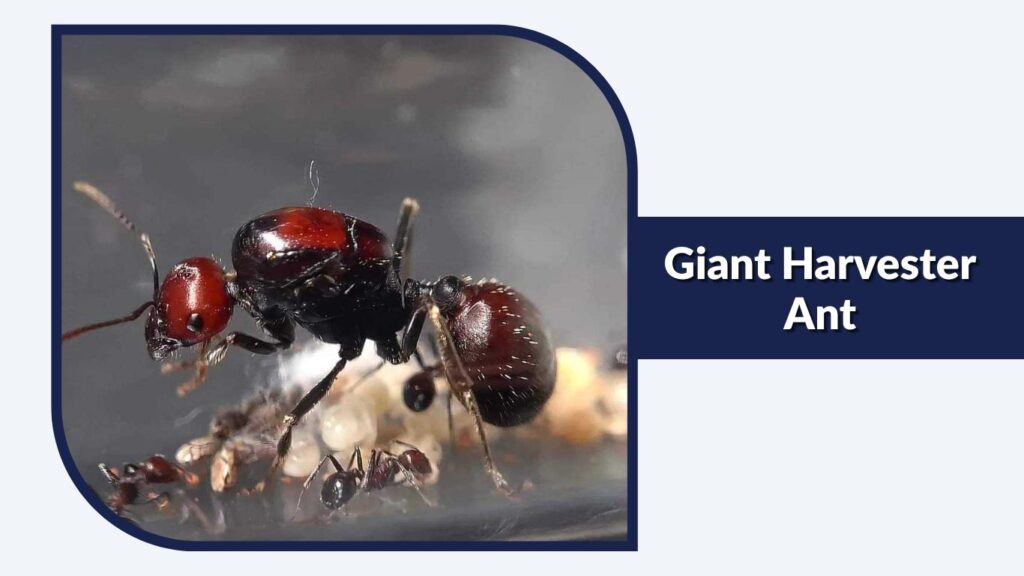
Giant harvester ants are large and powerful seed-collecting ants known for their impressive size and strong underground colonies. These ants are highly adapted to dry environments and play an important role in spreading seeds and improving soil quality within their habitats.
Identification
- Large reddish-brown to dark red body
- Bigger workers compared to many other harvester ants
- Broad head with massive mandibles
- Long legs adapted for desert and grassland travel
- Hairy thorax and abdomen
- Strong painful stinger
- Large underground nest entrances with wide clearings
Habitat and Distribution
Giant harvester ants are mainly found in dry grasslands, deserts, and scrub habitats across parts of the southwestern United States and northern Mexico. They prefer warm climates with loose sandy or rocky soils.
Their nests are extensive underground tunnel systems often marked by large vegetation-free circles surrounding the entrance. These clear areas help workers move safely and efficiently.
Behavior and Diet
Giant harvester ants primarily gather seeds from grasses, shrubs, and desert plants. Workers forage over large areas and transport collected food back to underground storage chambers.
These ants are highly defensive and will sting aggressively if their colony is threatened. In addition to seeds, they may occasionally feed on insects and dead organic matter.
Life Cycle
The colony begins with a queen establishing a small underground nest after mating flights. She lays eggs that develop into larvae cared for by worker ants until adulthood.
As the colony grows, workers take over duties such as food collection, brood care, nest expansion, and defense. Mature colonies can survive for many years in favorable environmental conditions.
15. Sandy Harvester Ant
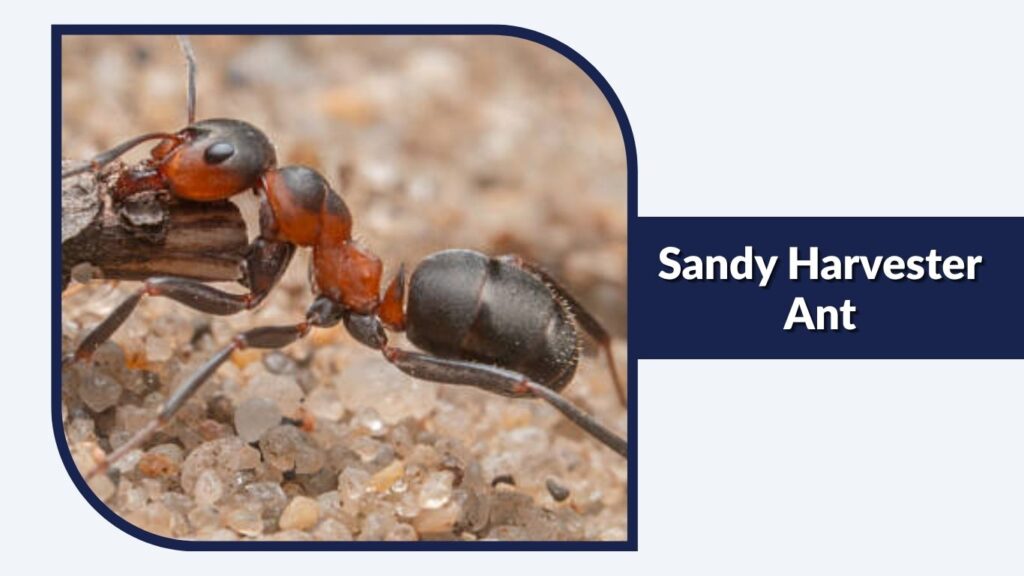
Sandy harvester ants are desert-adapted seed collectors commonly found in loose, sandy habitats. These ants are known for their efficient foraging behavior and underground nesting systems that help improve soil aeration and nutrient movement within dry ecosystems.
Identification
- Light reddish-brown to sandy-colored body
- Medium-sized worker ants
- Large head with strong jaws
- Long legs adapted for sandy terrain
- Hairy body that helps protect against heat
- Strong defensive stinger
- Nest entrances surrounded by cleared sandy areas
Habitat and Distribution
Sandy harvester ants are commonly found in deserts, sandy grasslands, and coastal dry habitats across parts of North America. They prefer loose sandy soil where tunnels and underground chambers can be built easily.
Their colonies are usually located in open sunny areas with little vegetation near the nest entrance. Workers maintain bare circular clearings around the colony for easier movement and protection.
Behavior and Diet
Sandy harvester ants mainly feed on seeds collected from grasses, weeds, and desert plants. Workers forage during cooler periods of the day to avoid extreme heat while gathering food for the colony.
These ants are territorial and will defend their nests aggressively when disturbed. They may also consume insects and organic debris as additional food sources.
Life Cycle
The colony begins after mating flights when a fertilized queen establishes a new underground nest. She lays eggs that hatch into larvae cared for by worker ants inside protected chambers.
As the colony grows, workers divide responsibilities such as foraging, brood care, nest expansion, and defense. Mature colonies can survive for many years in stable sandy environments.
16. Mexican Harvester Ant
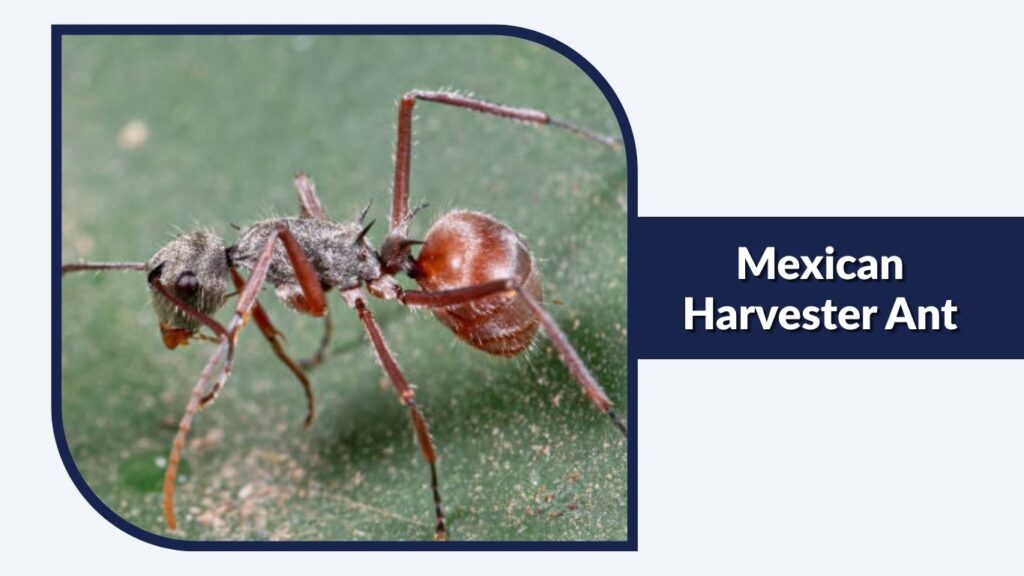
Mexican harvester ants are active seed-collecting ants commonly found in warm and dry regions of Mexico and nearby areas. These ants are known for their strong underground colonies, organized foraging behavior, and important role in spreading seeds across arid landscapes.
Identification
- Reddish-brown to dark red body
- Medium to large worker ants
- Large head with powerful mandibles
- Long legs adapted for dry terrain
- Hairy body texture
- Strong stinger used for defense
- Underground nests with wide cleared entrances
Habitat and Distribution
Mexican harvester ants are mainly distributed throughout Mexico and parts of the southwestern United States. They thrive in deserts, scrublands, grasslands, and semi-arid regions with sandy or rocky soil.
Their nests are built underground and often surrounded by circular vegetation-free areas. These clear spaces help workers move efficiently and reduce obstacles around the colony.
Behavior and Diet
Mexican harvester ants primarily collect seeds from grasses, shrubs, and wild plants. Workers travel long distances while foraging and carry food back to underground storage chambers.
In addition to seeds, these ants may also feed on insects and dead organic material. Colonies are highly defensive, and workers use their sting aggressively to protect the nest from threats.
Life Cycle
The colony begins with a queen establishing a new underground chamber after mating flights. She lays eggs that hatch into larvae cared for by worker ants until adulthood.
As the colony grows, workers assume tasks such as foraging, nest maintenance, brood care, and defense. Mature colonies may contain thousands of ants and survive for many years in suitable environments.
17. Arizona Harvester Ant
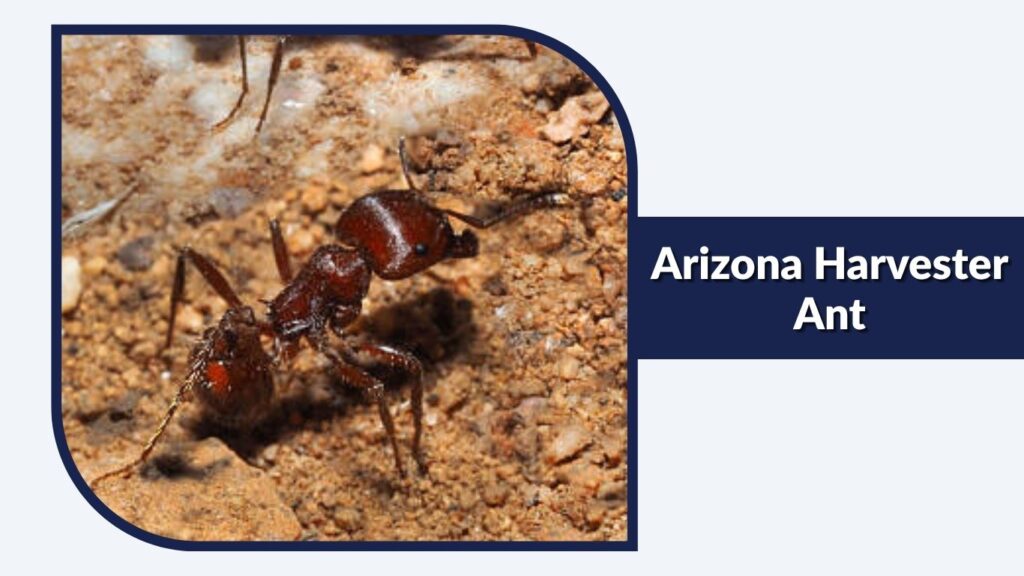
Arizona harvester ants are desert-dwelling seed collectors commonly found in the arid regions of the southwestern United States. These ants are well adapted to hot climates and are known for their organized colonies, underground nests, and strong defensive behavior.
Identification
- Reddish-orange to dark brown body
- Medium to large worker ants
- Large square-shaped head
- Powerful mandibles for carrying seeds
- Long legs adapted for desert travel
- Hairy body with rough texture
- Strong stinger used for protection
Habitat and Distribution
Arizona harvester ants are mainly found in Arizona and nearby desert regions of the southwestern United States and northern Mexico. They prefer dry grasslands, deserts, scrublands, and sandy open habitats.
Their underground nests are often marked by wide bare circles surrounding the entrance. These clearings reduce nearby vegetation and help workers move efficiently while foraging.
Behavior and Diet
Arizona harvester ants primarily feed on seeds gathered from grasses, shrubs, and desert plants. Workers leave the nest during warm daylight hours and carry collected food back to underground storage chambers.
These ants are territorial and aggressive when defending the colony. In addition to seeds, they may consume insects and dead organic material when available.
Life Cycle
The colony begins when a fertilized queen establishes a nest after mating flights. She lays eggs that hatch into larvae, which are fed and protected by worker ants until adulthood.
As the colony matures, workers divide responsibilities such as food collection, nest expansion, brood care, and defense. Mature colonies can survive for many years in harsh desert environments.
18. Red Black Harvester Ant
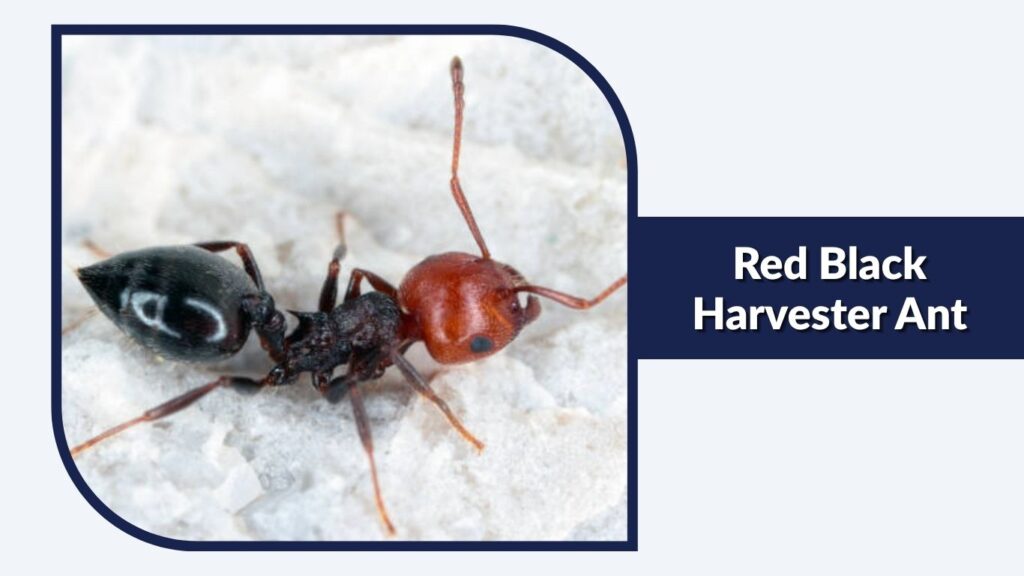
Red black harvester ants are distinctive seed-collecting ants recognized for their contrasting body coloration. These ants are important members of dry ecosystems where they help distribute seeds and improve soil quality through extensive underground nesting activities.
Identification
- Red and black body coloration
- Medium-sized worker ants
- Large head with strong mandibles
- Long legs adapted for ground foraging
- Hairy thorax and abdomen
- Strong stinger for colony defense
- Underground nests surrounded by bare soil patches
Habitat and Distribution
Red black harvester ants are commonly found in dry grasslands, deserts, and scrub habitats across parts of North America. They prefer loose sandy or rocky soil with abundant seed-producing vegetation.
Their nests are usually built underground and marked by cleared circular areas near the entrance. These open spaces help workers forage efficiently and maintain colony security.
Behavior and Diet
Red black harvester ants mainly feed on seeds collected from grasses, weeds, and shrubs. Workers forage actively during warm weather and transport food back to storage chambers underground.
These ants are territorial and defensive when the colony is threatened. Besides seeds, they may also consume insects and dead organic matter to supplement their diet.
Life Cycle
The colony begins after mating flights when a fertilized queen establishes a small underground nest. She lays eggs that hatch into larvae cared for by worker ants.
As the colony grows, workers take over tasks such as foraging, brood care, nest maintenance, and colony defense. Mature colonies can survive for many years in stable environments.
19. Pogonomyrmex Harvester Ant
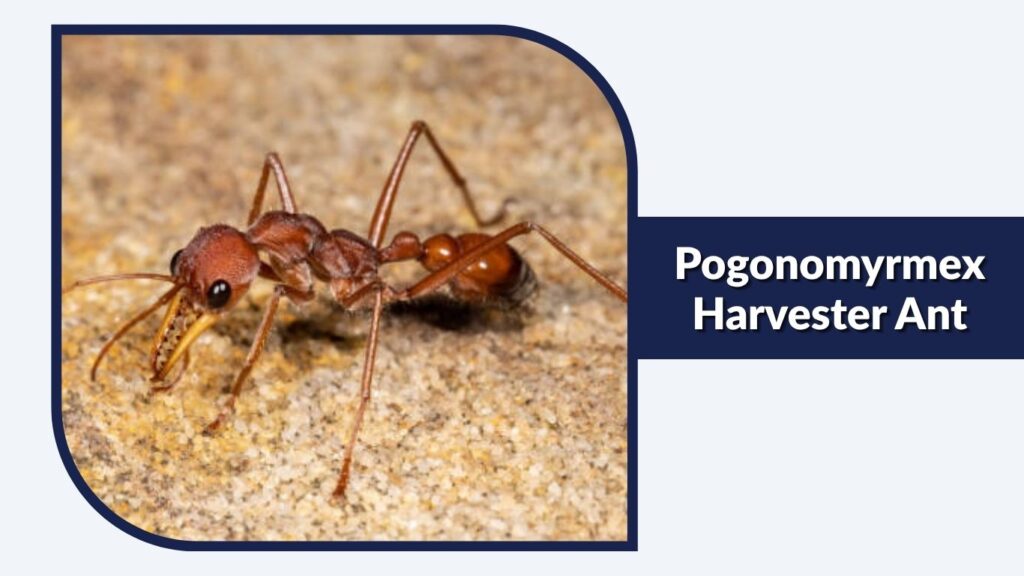
Pogonomyrmex harvester ants are a well-known group of seed-collecting ants famous for their strong sting and hardworking colonies. The name “Pogonomyrmex” refers to a large genus of harvester ants commonly found in dry habitats throughout the Americas.
Identification
- Reddish-brown to dark red body
- Medium to large worker ants
- Large head with powerful mandibles
- Long legs suited for long-distance foraging
- Hairy body appearance
- Strong venomous stinger
- Underground nests surrounded by cleared ground
Habitat and Distribution
Pogonomyrmex harvester ants are widely distributed across deserts, grasslands, and scrub habitats in North, Central, and South America. They prefer warm climates with sandy or loose soil suitable for underground tunnel systems.
Their nests are usually easy to recognize because of the bare circular areas around the entrance where vegetation has been removed by workers.
Behavior and Diet
Pogonomyrmex harvester ants mainly collect and store seeds from grasses and wild plants. Workers travel long distances while foraging and transport food back to underground chambers.
These ants are highly defensive and possess a painful sting used to protect the colony. In addition to seeds, they may also feed on insects and dead organic matter when available.
Life Cycle
The colony begins with a fertilized queen establishing a new underground nest after mating flights. She lays eggs that develop into larvae, pupae, and eventually adult worker ants.
As the colony matures, workers perform tasks such as food collection, brood care, nest expansion, and defense. Established colonies can survive for many years under favorable environmental conditions.
20. Coastal Harvester Ant
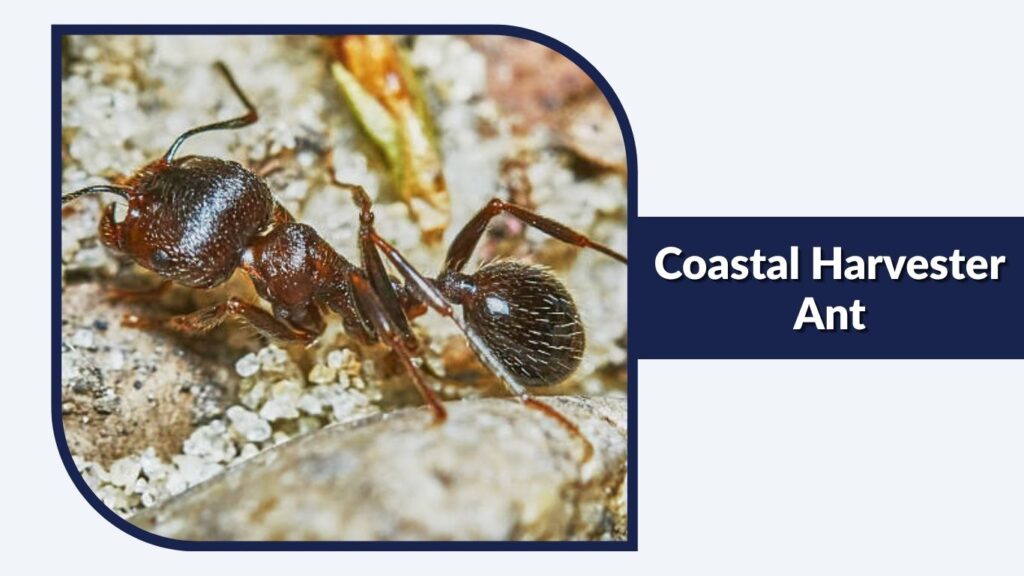
Coastal harvester ants are seed-collecting ants adapted to sandy coastal habitats and nearby dry environments. These ants are important for maintaining healthy ecosystems because they help disperse seeds and improve soil through their extensive underground nesting systems.
Identification
- Light reddish-brown to dark brown body
- Medium-sized worker ants
- Large head with strong jaws
- Long legs adapted for sandy movement
- Hairy thorax and abdomen
- Strong stinger for defense
- Underground nests surrounded by bare sandy clearings
Habitat and Distribution
Coastal harvester ants are commonly found in coastal dunes, sandy grasslands, and dry scrub habitats near shorelines. They occur in warm coastal regions where loose soil and seed-producing vegetation are abundant.
Their nests are built underground and usually marked by clear circular patches around the entrance. These open spaces improve worker movement and help protect the colony.
Behavior and Diet
Coastal harvester ants mainly gather seeds from grasses, shrubs, and coastal plants. Workers forage actively during warm weather and carry collected food back to underground storage chambers.
These ants are territorial and defensive when their nest is disturbed. In addition to seeds, they may also feed on insects and organic debris found near the colony.
Life Cycle
The colony begins after mating flights when a fertilized queen establishes a small underground chamber. She lays eggs that hatch into larvae cared for by worker ants until they develop into adults.
As the colony grows, workers expand the nest and divide responsibilities such as foraging, brood care, nest maintenance, and colony defense. Mature colonies can survive for many years in stable coastal habitats.
FAQs
What do harvester ants eat?
Harvester ants mainly feed on seeds collected from grasses, weeds, and other plants. Some species also eat insects, dead organic matter, and small arthropods to gain extra nutrients for the colony.
Are harvester ants dangerous?
Harvester ants can be dangerous if disturbed because many species have a painful sting. Some, like the Maricopa harvester ant, are known for having one of the most painful insect stings in the world.
Where do harvester ants live?
Harvester ants are commonly found in deserts, grasslands, prairies, and dry open habitats. They usually prefer sandy or loose soil where they can build large underground nests.
Why are harvester ants important to ecosystems?
Harvester ants help ecosystems by spreading seeds, improving soil aeration, and recycling organic material. Their digging activities also help water and nutrients move through the soil more effectively.
How long do harvester ant colonies survive?
Harvester ant colonies can survive for many years under favorable conditions. A mature colony may contain thousands of worker ants supporting the queen and raising new generations of ants.