
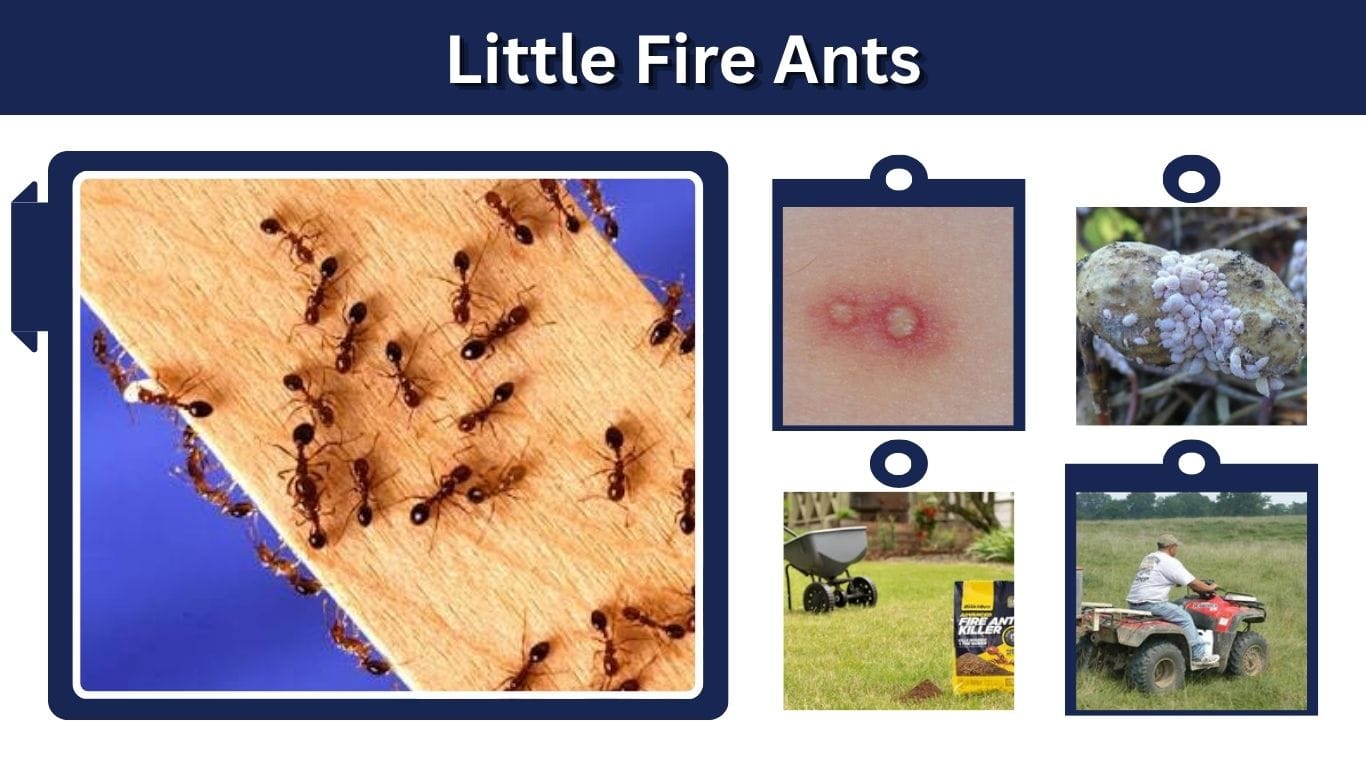
Little Fire Ants: Identification, Bites, Diet, and Control
Little fire ants are tiny invasive insects with a sting far more noticeable than their size suggests. Also called electric ants, they can inhabit gardens, … Read More
Little fire ants are tiny invasive insects with a sting far more noticeable than their size suggests. Also called electric ants, they can inhabit gardens, … Read More
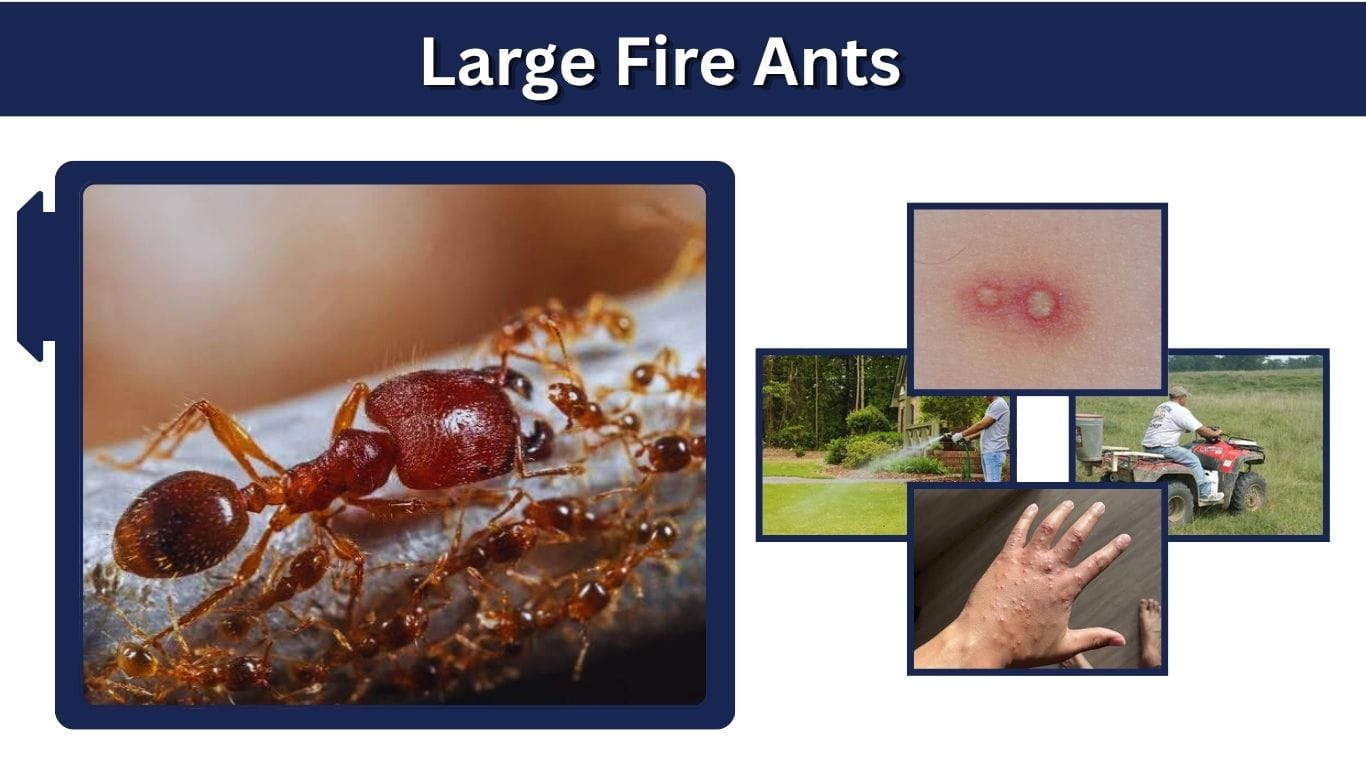
Large fire ants are usually not a separate species. The phrase often describes the biggest workers in an imported fire ant colony, winged reproductive ants, … Read More
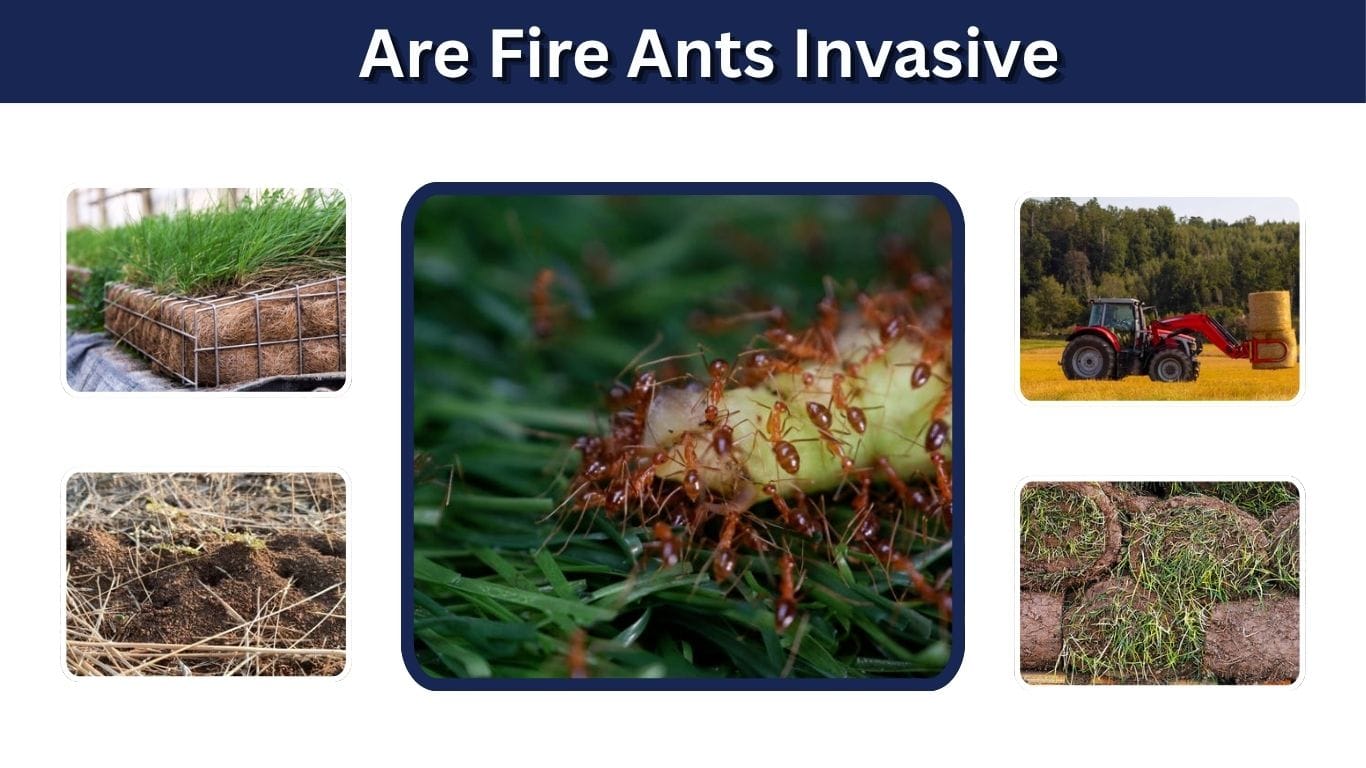
Some fire ants are invasive, but not every fire ant species is. In the United States, the red imported fire ant, Solenopsis invicta, the black … Read More

Fire ants do not come from one single region because the name refers to several related ants in the genus Solenopsis. The two invasive species … Read More
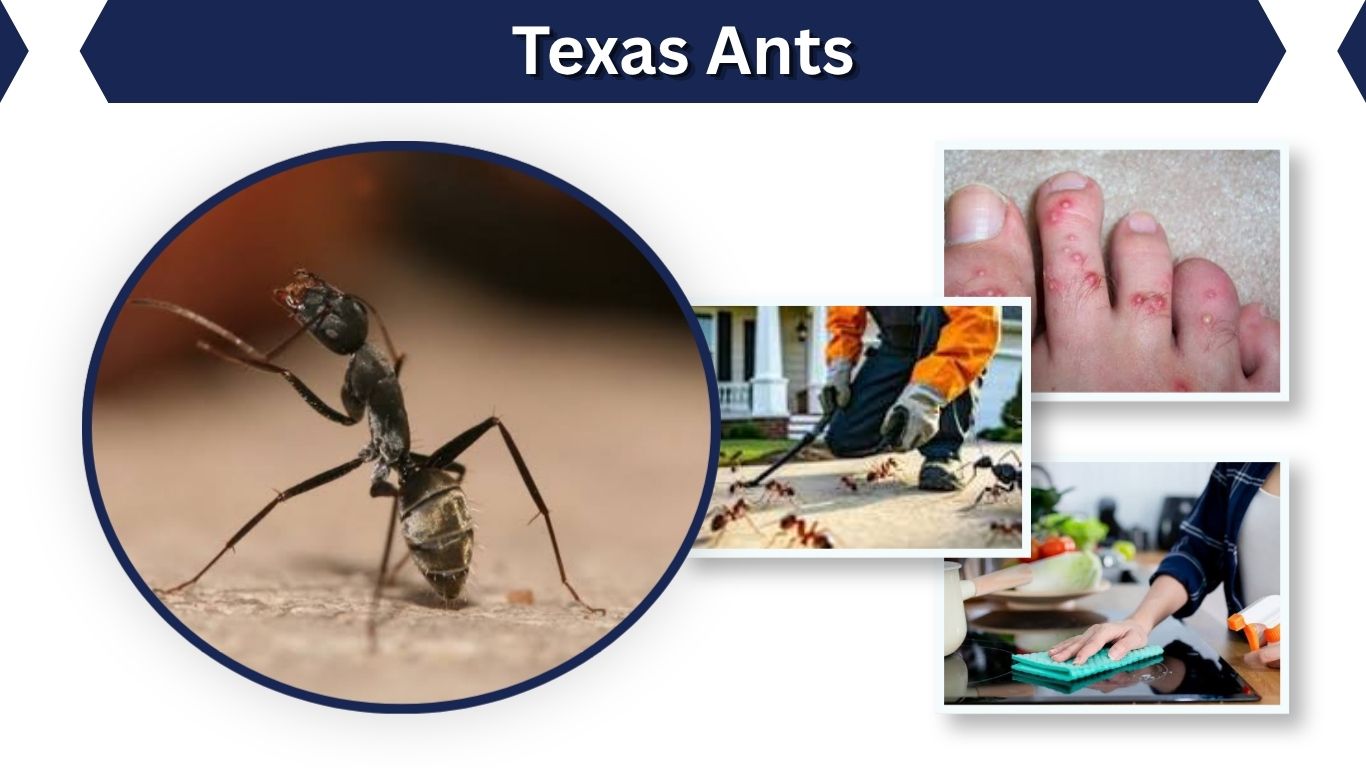
Texas is home to many ant species, ranging from harmless household visitors to aggressive ants capable of delivering painful stings. Common Texas ants include red … Read More
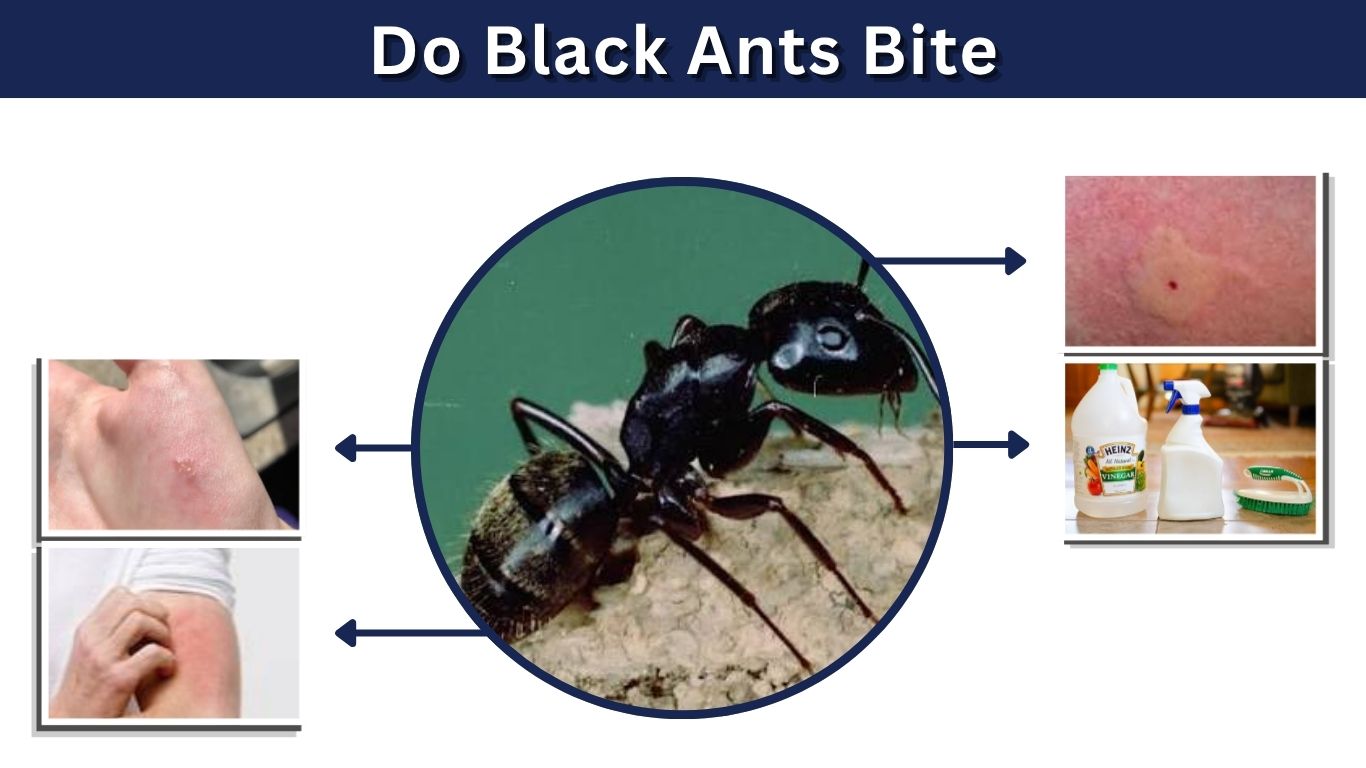
Yes, black ants can bite humans, but the likelihood and severity depend on the species. Most small black ants found in kitchens, gardens, and bathrooms … Read More
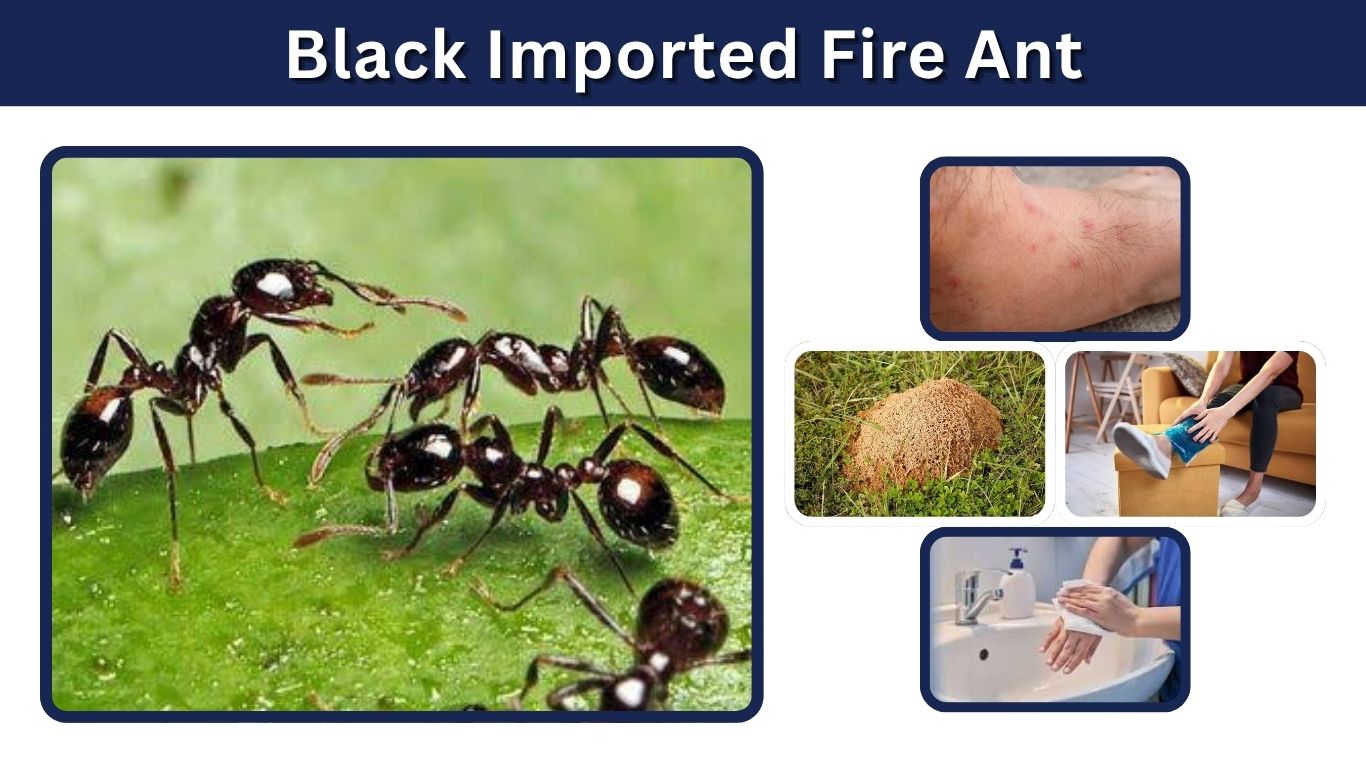
The black imported fire ant is an invasive, mound-building ant known for aggressively defending its nest. Scientifically named Solenopsis richteri, it is closely related to … Read More
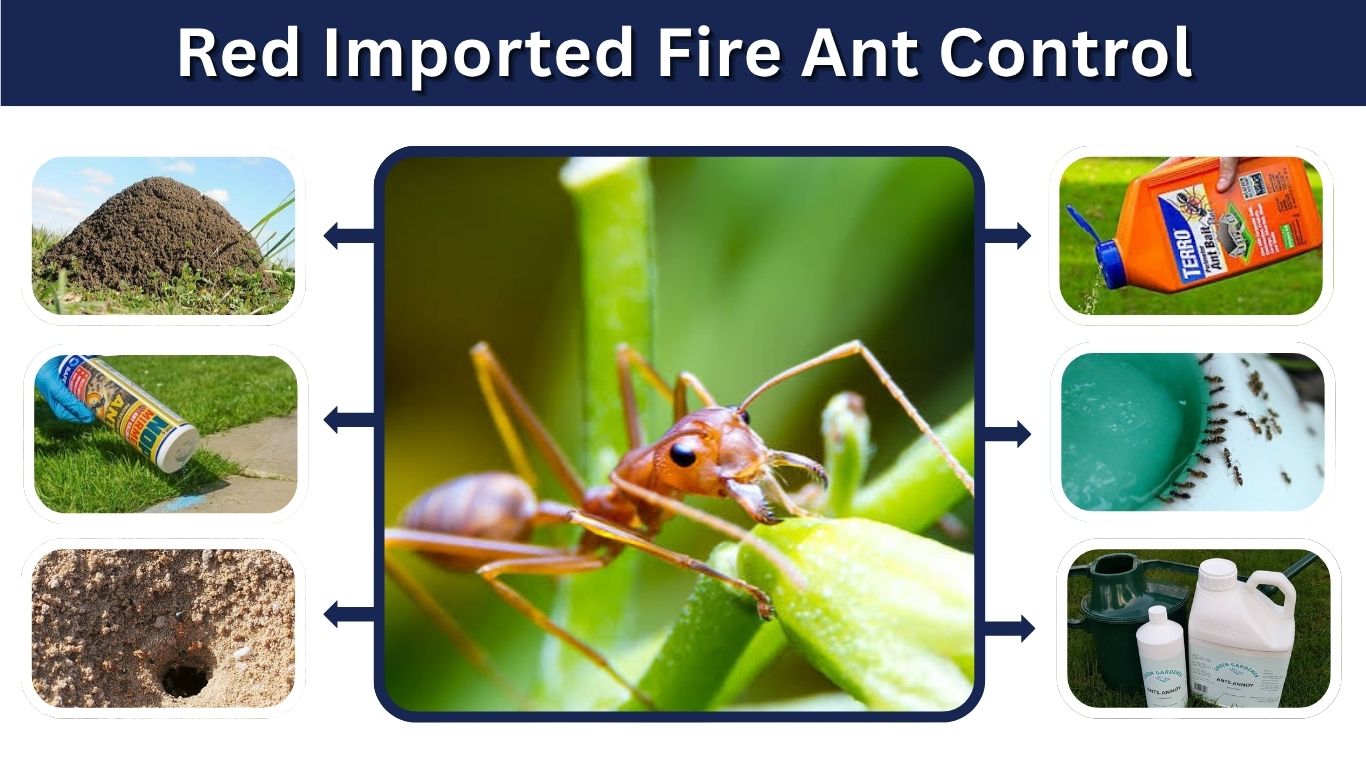
Red imported fire ants can quickly establish multiple colonies across lawns, pastures, parks, and agricultural land. Their painful stings make active mounds especially hazardous around … Read More
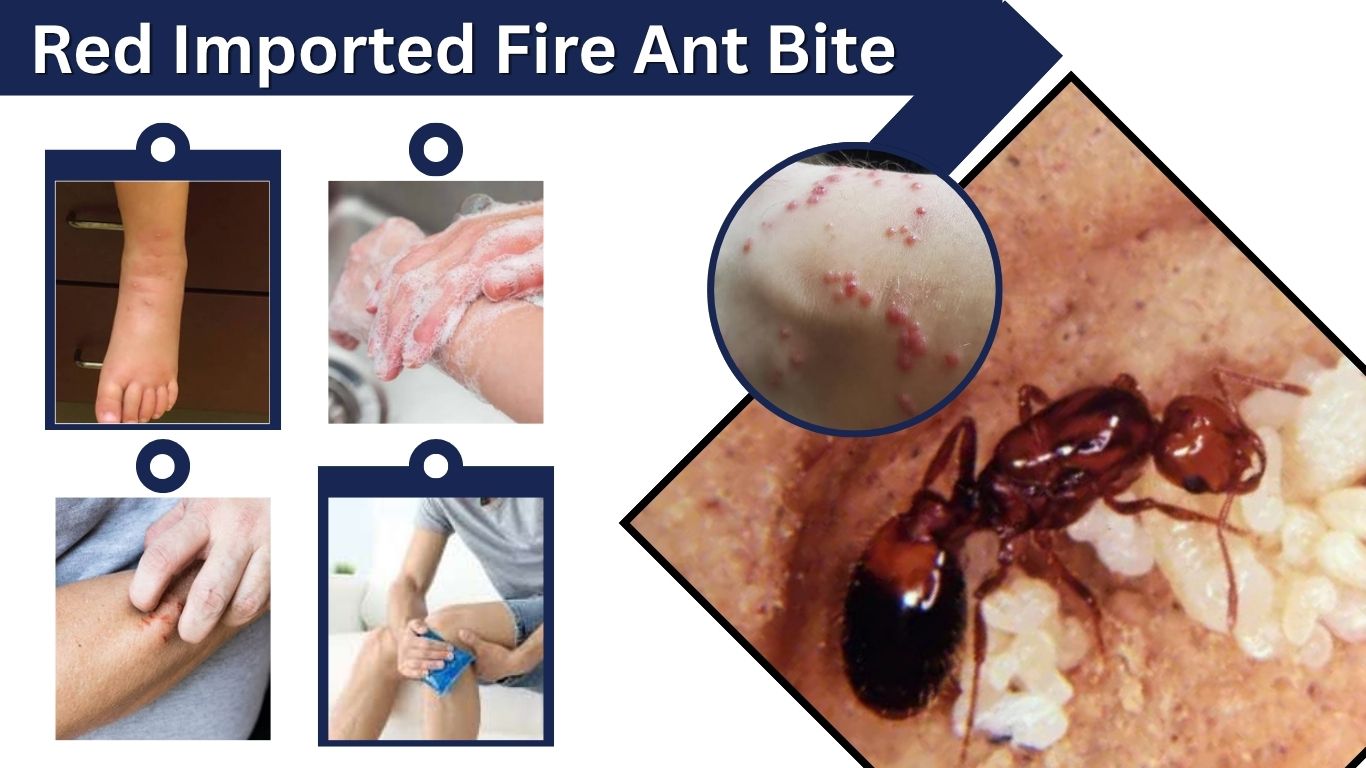
A red imported fire ant bite causes an immediate burning sensation followed by redness, itching, swelling, and often a small white pustule. Technically, most of … Read More
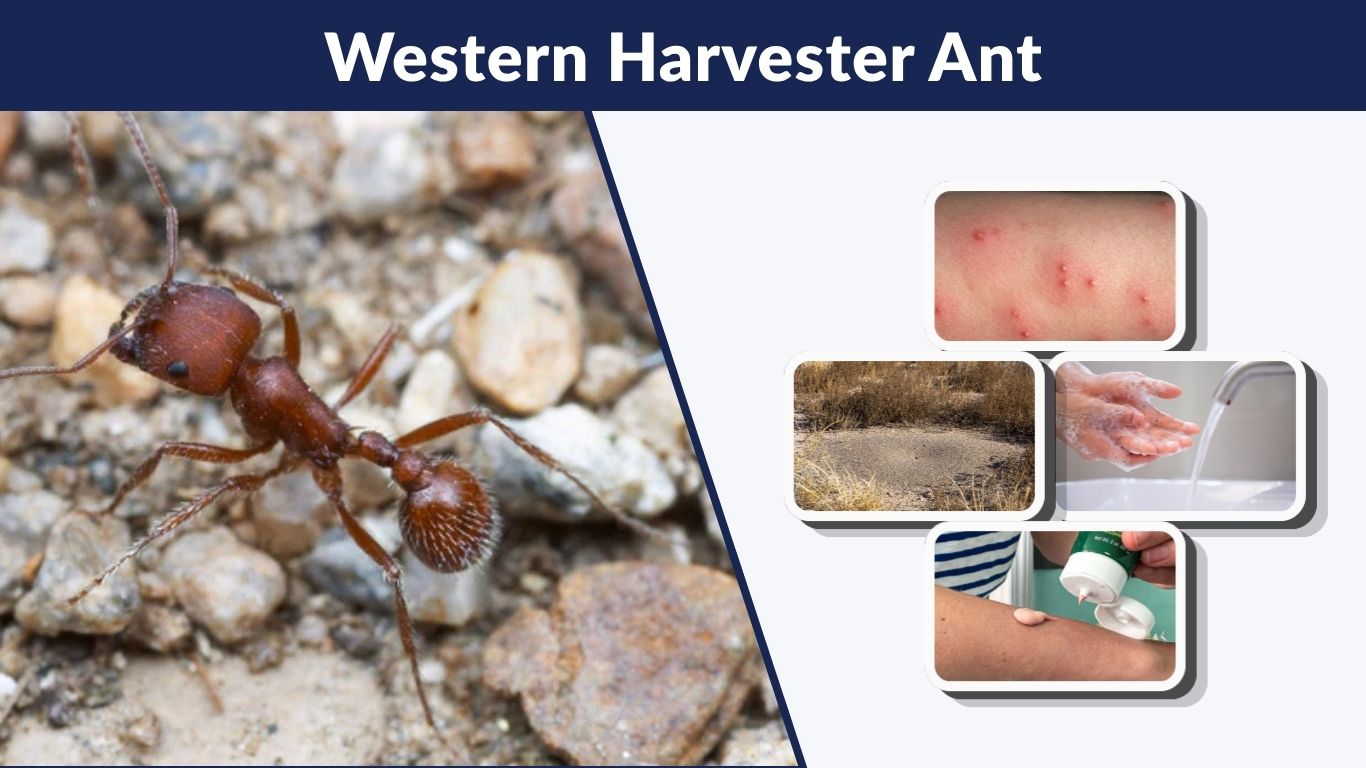
The western harvester ant is one of the most recognizable ants in the dry grasslands and open landscapes of the western United States. Known scientifically … Read More