
Keep Your Home Safe From Ant & Termite Damage
Mollis pretium lorem primis senectus habitasse lectus donec ultricies tortor fusce morbi volutpat risus curae malesuada lacus convallis.
View Services Contact Us

Ant & Termite Prevention Process
- Inspection: Regularly check walls, wood, floors, and outdoor areas for signs of ants or termites.
- Moisture Control: Fix leaking pipes and remove standing water to reduce pest attraction.
- Seal Entry Points: Close cracks, gaps, and openings around doors, windows, and foundations.
- Remove Food Sources: Keep food sealed, clean crumbs, and dispose of garbage properly.
- Protect Wood: Store firewood away from the house and keep wooden structures dry.
- Use Preventive Treatments: Apply safe pest control solutions and schedule routine inspections.
Featured On


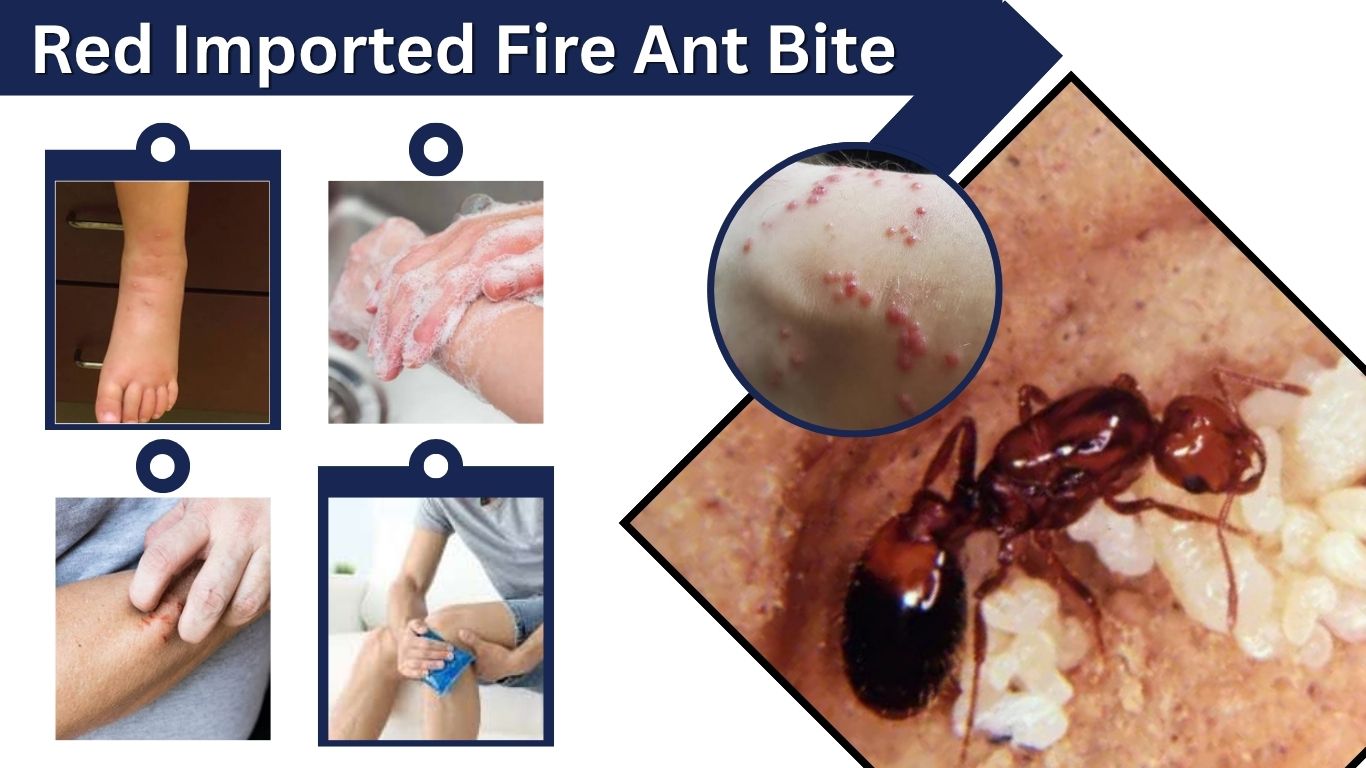
Red Imported Fire Ant Bite: Symptoms and Treatment
August 1, 2026
A red imported fire ant bite causes an immediate burning sensation followed by redness, itching, swelling, and often a small white pustule. Technically, most of
Read more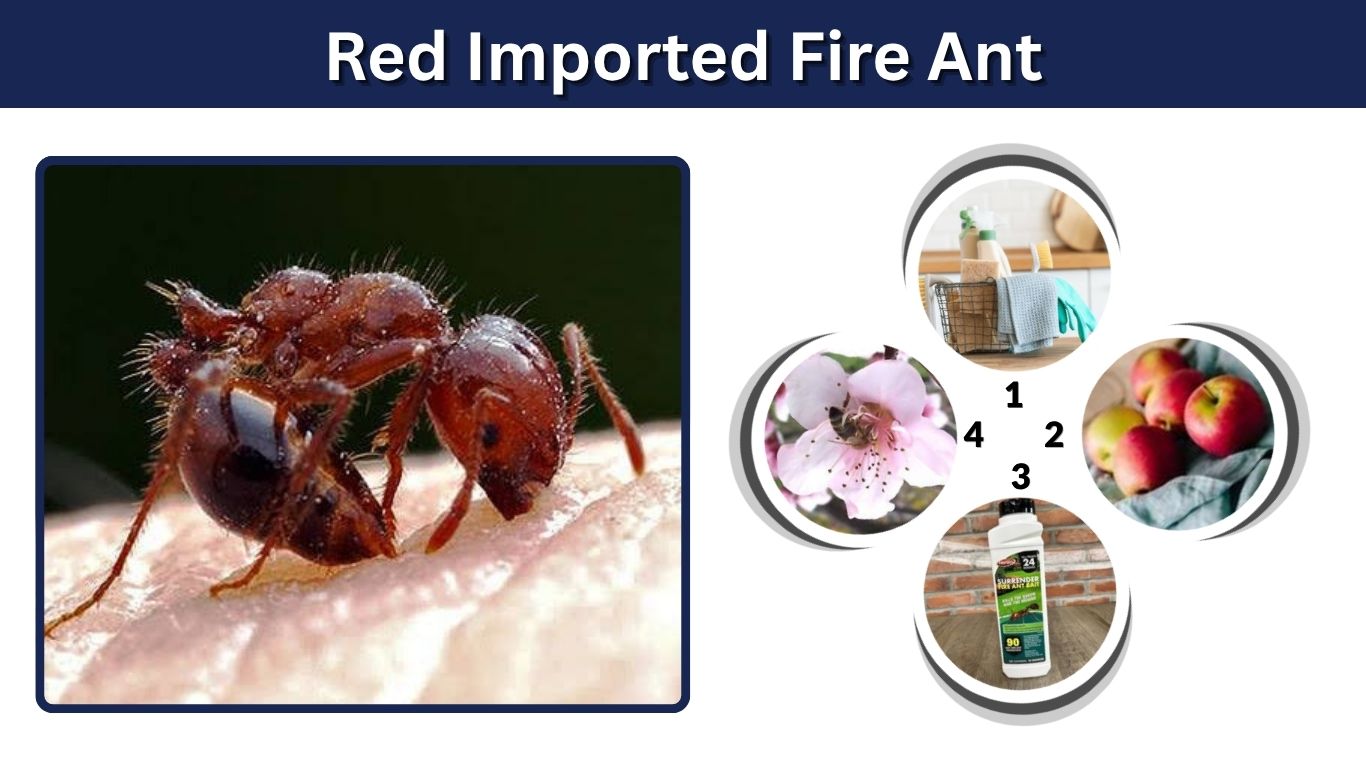
Red Imported Fire Ant: Identification, Sting, and Control
August 1, 2026
The red imported fire ant is a small but highly aggressive invasive ant known for building soil mounds and delivering painful stings. Its scientific name
Read more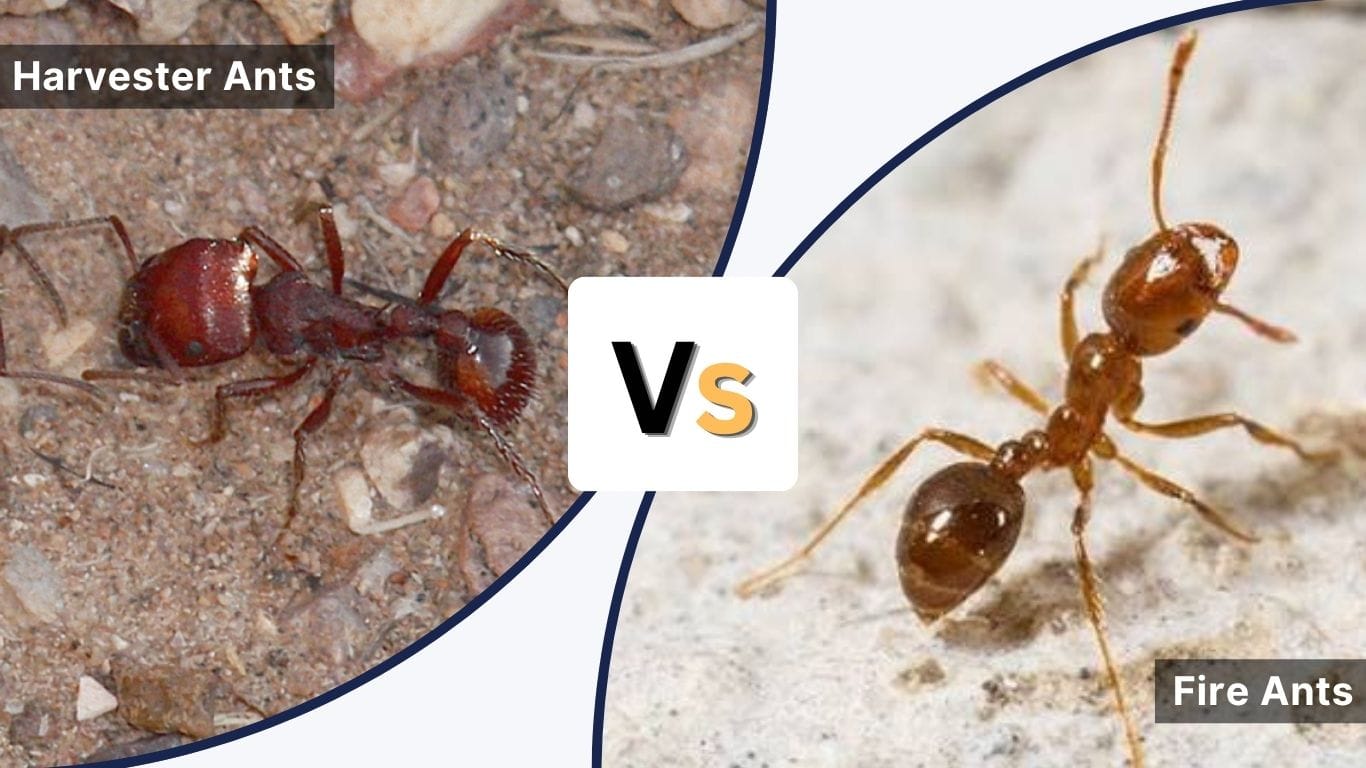
Harvester Ants vs Fire Ants: Key Differences and Sting Guide
July 6, 2026
Harvester ants and fire ants are often confused because both can be reddish, live in soil, build mounds, and deliver painful stings. However, they are
Read more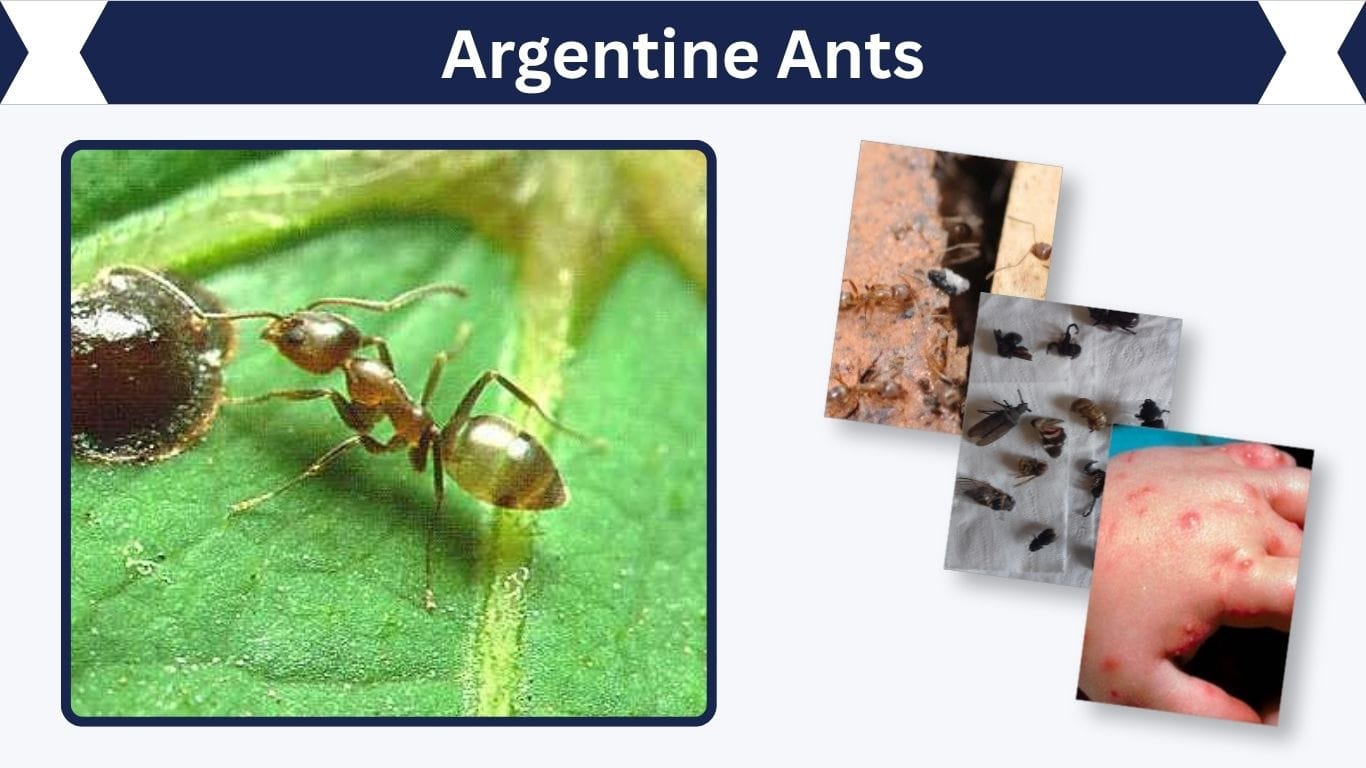
Argentine Ants: Identification, Supercolonies and Control
July 4, 2026
Argentine ants are small brown ants known for forming huge colonies, invading homes, and spreading quickly through warm urban areas. Their scientific name is Linepithema
Read more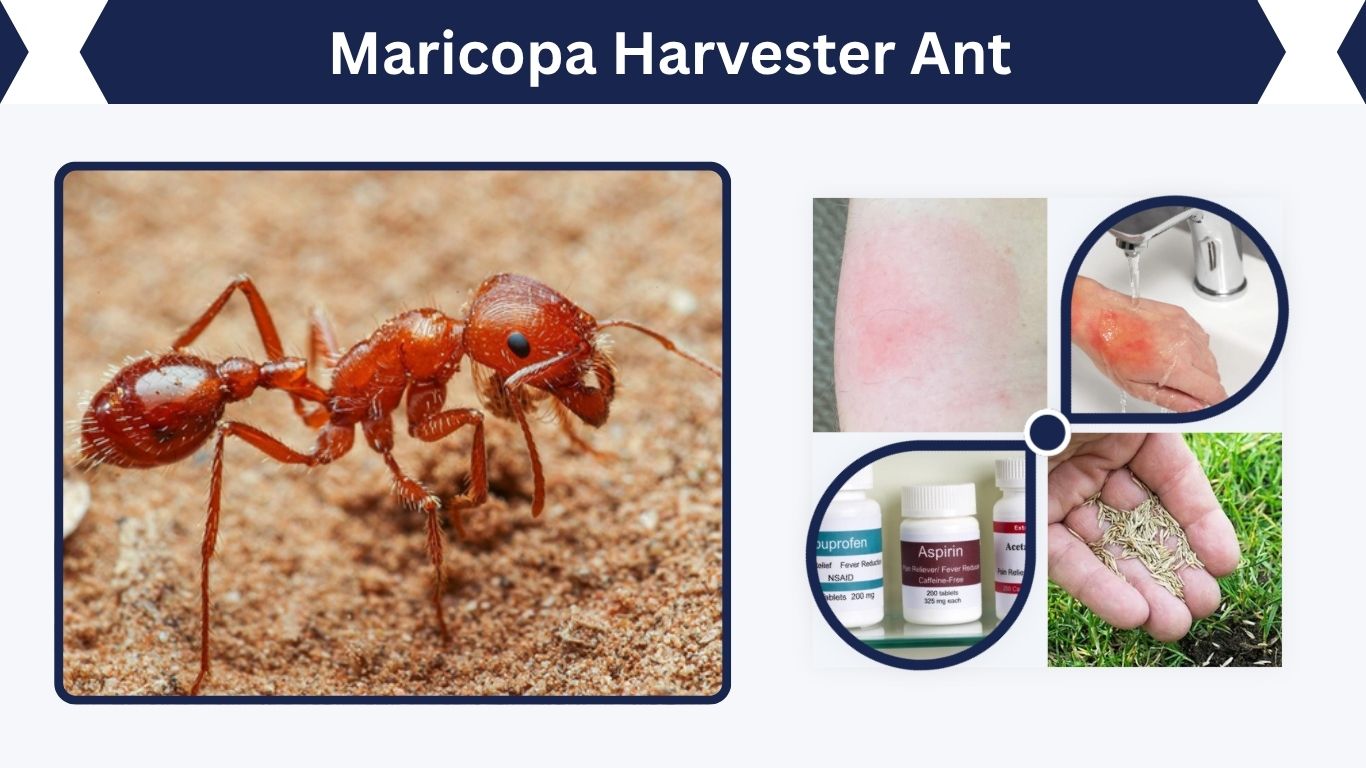
Maricopa Harvester Ant: Sting, Venom, Size and Facts
July 2, 2026
The Maricopa harvester ant is a reddish desert ant famous for one major reason: its extremely toxic venom. Scientifically known as Pogonomyrmex maricopa, this ant
Read more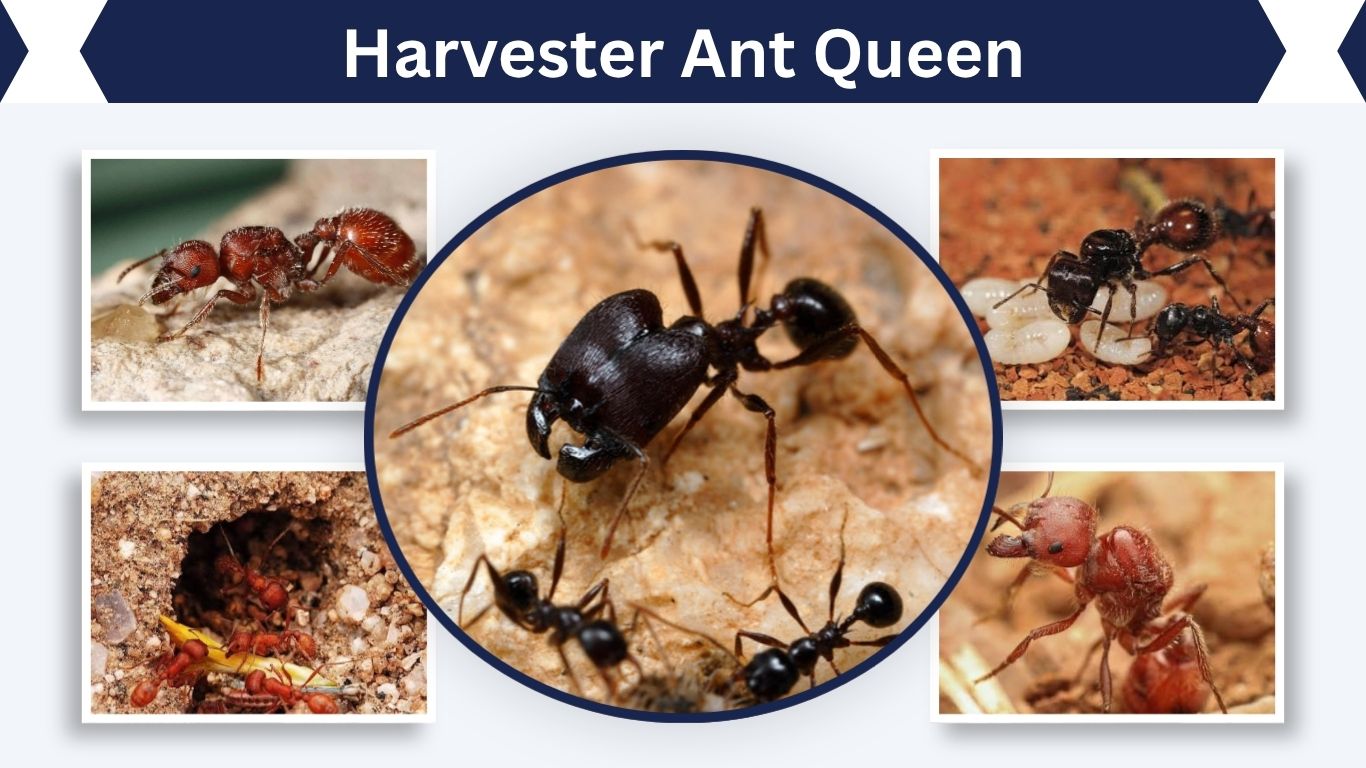
Harvester Ant Queen: Size, Lifespan, Care and Colony Role
July 2, 2026
A harvester ant queen is the most important ant in a harvester ant colony. She is responsible for laying eggs and keeping the colony population
Read more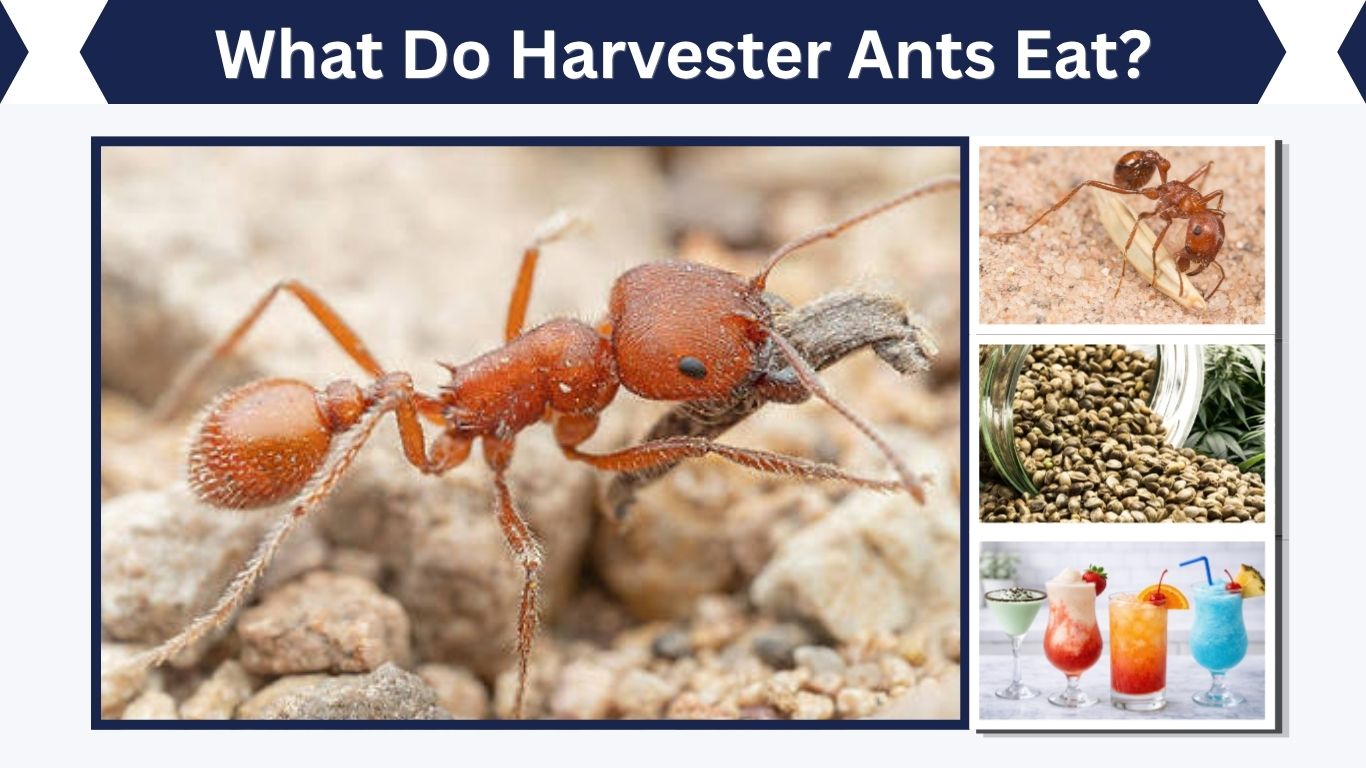
What Do Harvester Ants Eat? Food, Seeds, and Diet
July 1, 2026
Harvester ants are best known for collecting seeds, carrying them back to their nests, and storing them in underground chambers. Their diet is different from
Read more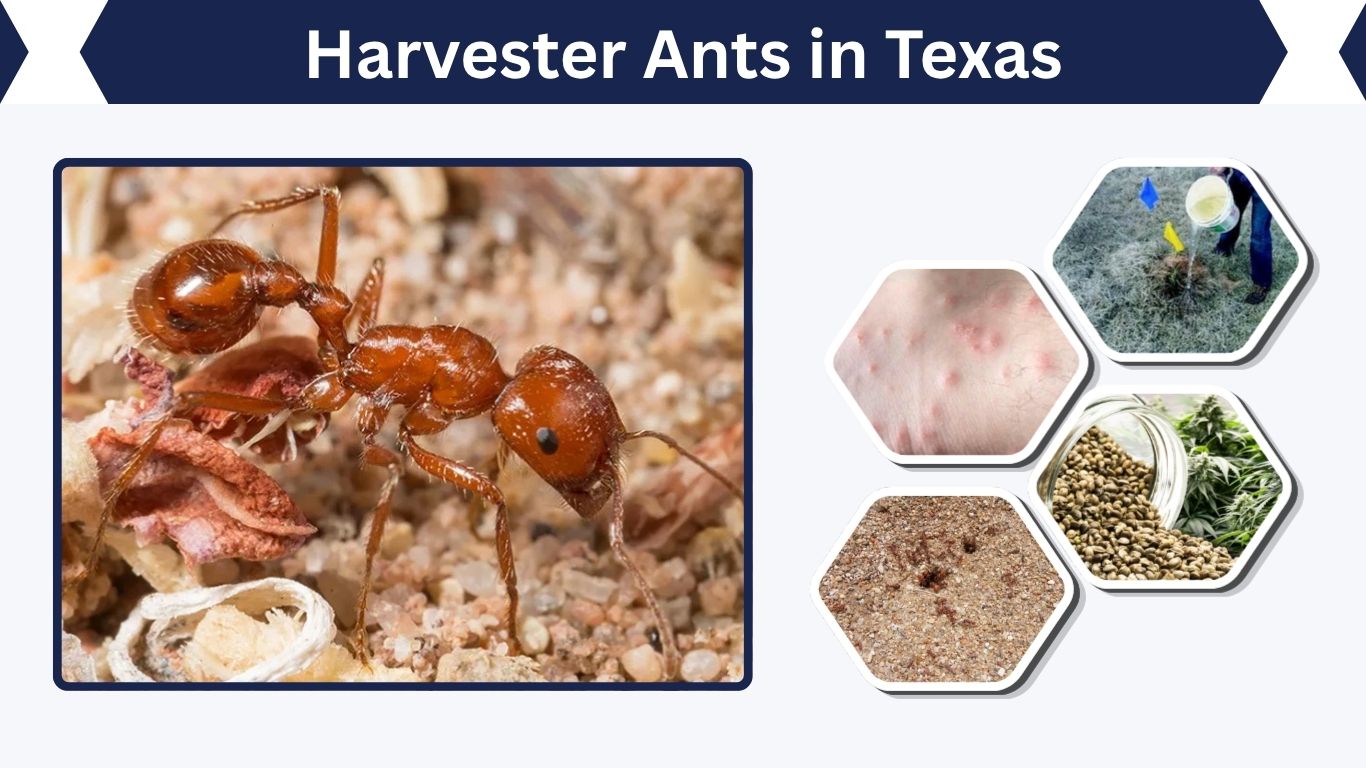
Harvester Ants in Texas: Red Harvester Ant Guide
July 1, 2026
Harvester ants are common in many parts of Texas, especially in dry, open areas with sandy soil, grasslands, pastures, roadsides, and rangelands. The best-known species
Read more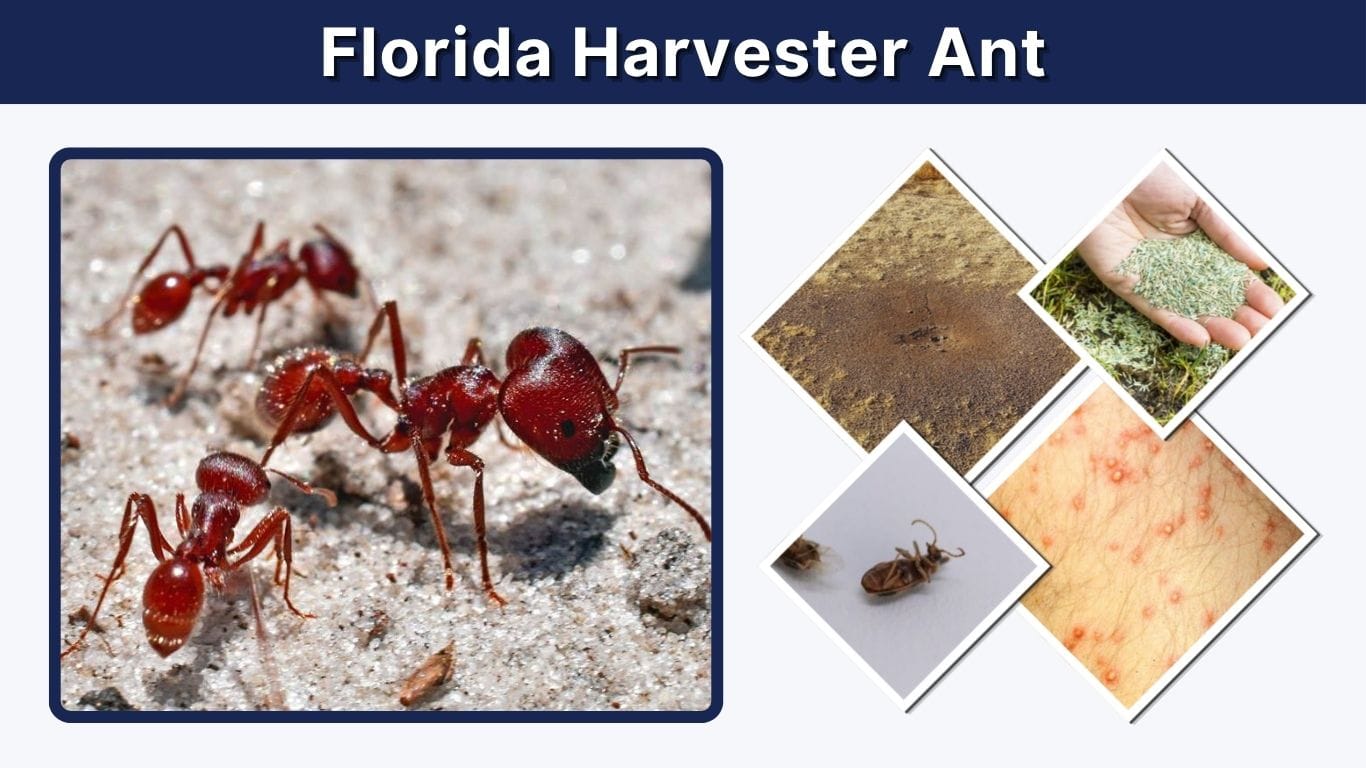
Florida Harvester Ant: Identification, Sting, Nest, and Facts
June 25, 2026
The Florida harvester ant is a native ant best known for its cleared sandy nest areas, seed-collecting behavior, and painful sting. Unlike tiny kitchen ants
Read more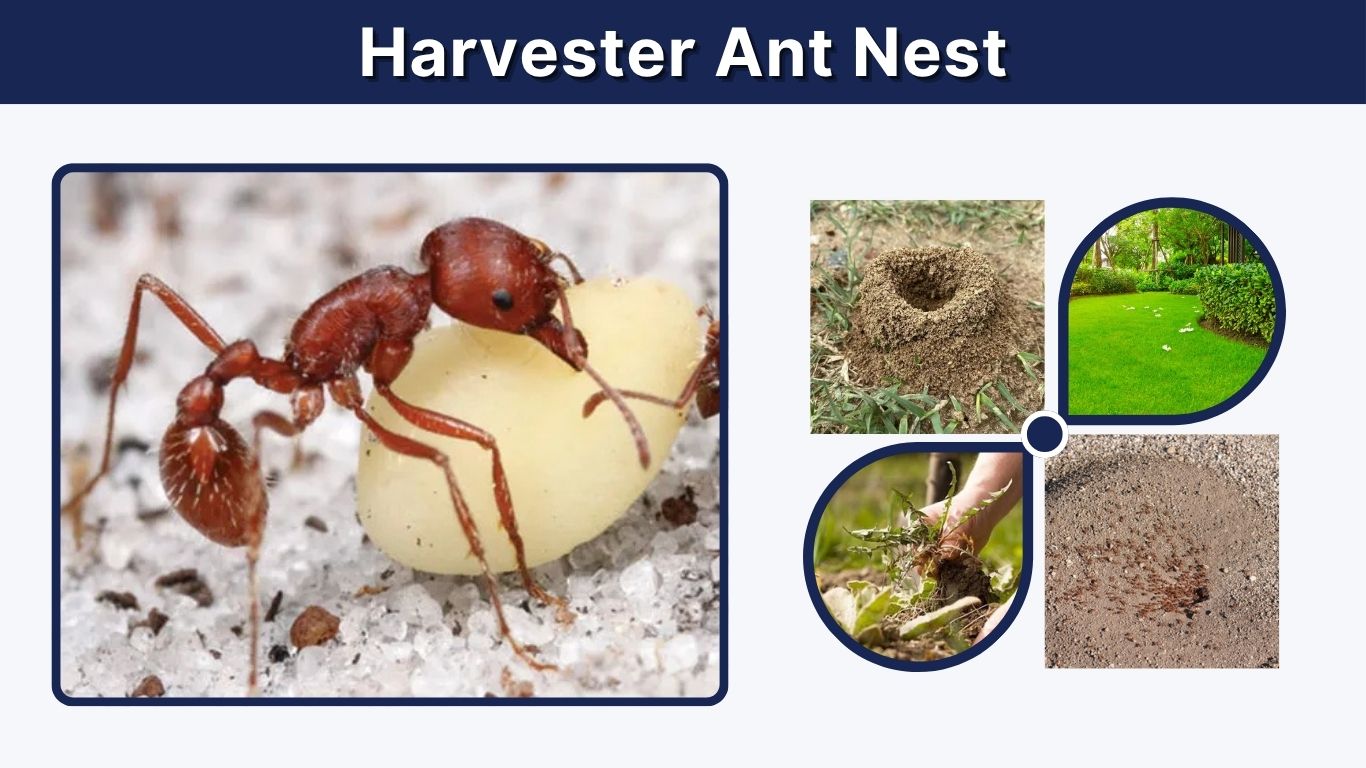
Harvester Ant Nest: Identification, Depth, and Control
June 24, 2026
A harvester ant nest is usually easy to notice once you know what to look for. These ants often create bare, open patches of soil
Read more